REVIEW · GEORGE TOWN
Asia Camera Museum Admission Ticket
Book on Viator →Operated by Asia Camera Museum · Bookable on Viator
Old cameras make time feel mechanical. At the Asia Camera Museum in George Town, you get hands-on vintage cameras and a darkroom experience that turns photography history into something you can try. You’ll also walk past a working-style camera repair setup, so it’s not just glass-case nostalgia.
One thing to plan for: the whole visit is about 30 minutes to 1 hour, so it’s not a slow, all-day museum drift. Go with the mindset of short, focused, hands-on learning.
In This Review
- Key highlights worth your time
- Asia Camera Museum in George Town: a photography stop that feels practical
- The Magic Lantern and silent movie gear show (early film tech, up close)
- The dark room area: learning how images were developed
- Camera repair workbench: where mechanical cameras got saved
- Hands-on camera stations (touch, test, and snap in your own way)
- The guided tour rhythm: who you’ll learn from and how groups work
- Timing and opening hours: plan it like a quick, satisfying indoor activity
- Price, what’s included, and the small practical stuff that matters
- Who should book the Asia Camera Museum ticket?
- Should you book it? My decision guide
- FAQ
- How long does the Asia Camera Museum visit take?
- What is the price for admission?
- What are the opening hours?
- What does the ticket include?
- What can I expect to see and do inside?
- Are there any activities that involve taking photos?
- Do I need to print my voucher?
- Is food included with the ticket?
Key highlights worth your time
- Magic Lantern projector from the early 1900s with a large format, hand-painted glass colour slide
- Silent movie projector shown with an oil lamp and gear-powered setup
- Dark room practice area tied to how developing worked since the early 19th century
- Camera repair workbench with tools used to restore mechanical cameras (from the 1960s era)
- Hands-on photo stations where you can touch vintage cameras and even use phone-friendly setups for pictures
Asia Camera Museum in George Town: a photography stop that feels practical
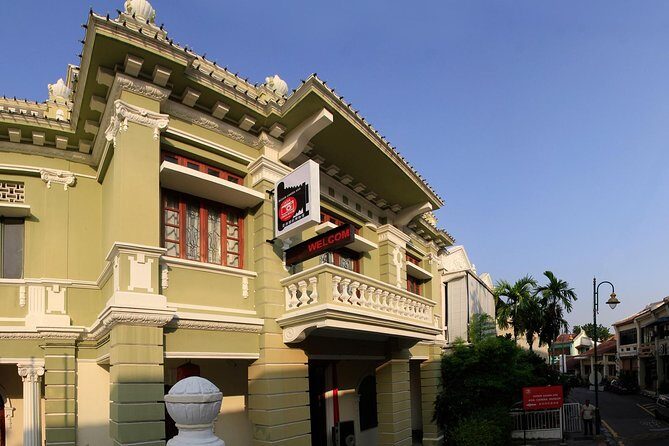
If you think camera museums are all “look but don’t touch,” this one breaks that rule. The Asia Camera Museum is built around the idea that photography is part science, part craft, and part showmanship. You’ll see old devices, yes—but you’ll also get hands-on moments that make the history click fast.
The best part for me is the mix: you get devices from the earliest days of projecting images, then you move into darkroom-style learning and a repair-focused workshop. That balance matters because it explains why early cameras mattered in daily life, not just how they looked.
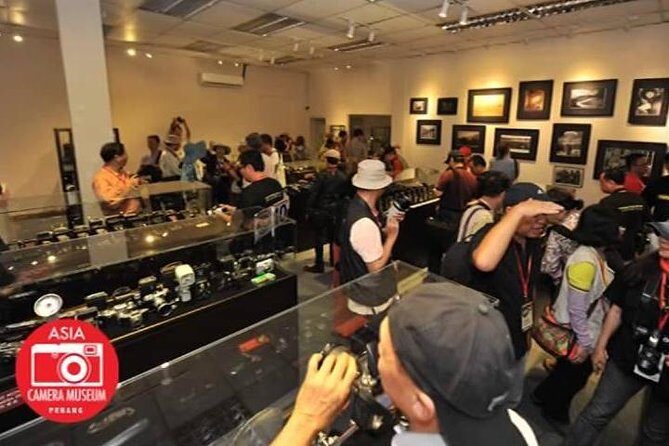
At $6.52 per person, the value is strong. This price buys you entry to a collection with over 1,000 cameras and accessories plus live demonstrations and interactive areas. It’s also a good “half activity” when the weather is hot or rainy, since the main action is indoors.
A few more George Town tours and experiences worth a look


The Magic Lantern and silent movie gear show (early film tech, up close)
A big draw here is the early projection tech. You start by seeing a rare Magic Lantern projector dating to the early 1900s. The wow factor isn’t only the projector—it’s the antique large format hand-painted glass colour slide. That slide is a reminder that color and image creation used to be physical and hands-on.
Then you’ll run into a 35mm silent movie projector that’s lit using an oil lamp and gear setup. Even if you don’t know the technical terms, you can feel the logic of the mechanism. Light source, optics, timing, and the way images are carried from slide or film to screen. It’s a neat way to connect “old technology” to the basic physics behind photography.
If you love gadgets, this is a great start. If you’re more of a casual photo fan, these projection examples make the rest of the museum easier to understand—like a mini lesson before the hands-on stations.
The dark room area: learning how images were developed
Next comes the dark room space. The museum uses this area to show how film development worked from the early days of photography (the museum notes the tradition goes back to the early 19th century). That’s where the story shifts from taking an image to making it.
What you’ll get here is the “how did this actually happen?” side. Instead of treating photography history as a timeline of models and brands, the dark room angle explains the workflow: expose, develop, then produce something you can hold. That’s the piece a lot of people miss when they only look at cameras.
Practical tip: go in with the expectation that you’ll learn a process, not just see a room. Ask questions if your guide invites interaction. Short attention span is fine here—the dark room section is built for quick understanding.
Camera repair workbench: where mechanical cameras got saved
One of the most distinctive parts of this museum is the camera repair work place. You’ll get to see tools that a repairer used in the 1960s to repair and restore mechanical cameras. That time period matters because it’s before mass electronics fully took over—when cameras relied heavily on parts, gears, springs, and careful calibration.
This area can be surprisingly fun even if you’re not a mechanic. Cameras weren’t just “devices,” they were precision instruments. When something broke, people had to learn how the inside worked and how to fix it without modern replacement parts.
If you like hands-on learning, this stop works well because it explains why a camera can be both art and engineering. It also helps you appreciate why the museum focuses on touch and function instead of only collecting.
Hands-on camera stations (touch, test, and snap in your own way)
The museum is built around interaction. There are hands-on areas where you can touch and feel vintage cameras. That matters because camera design is often hard to grasp from photos online. Seeing the shapes, the knobs, the film-thinking layout—it all makes sense faster in your hands.
A standout moment from the experience is that you can take photos using phone-friendly setups through functional old cameras, creating that retro vibe. You’re not just making a souvenir shot. You’re getting a feel for how older systems frame and “see,” which changes how you compose.
Practical tips to make your photos come out better:
- Keep your phone charged—old-camera demos can take a few tries.
- Hold your phone steady and follow your guide’s instructions for alignment and timing.
- Treat it like a short workshop. Small changes in angle can make a big difference.
You can also read our reviews of more museum experiences in George Town

The guided tour rhythm: who you’ll learn from and how groups work
This works like a guided museum tour. The group size stays small—up to 15 people—which usually means you can actually ask questions and get answers that fit what you’re curious about.
One name you may hear during your visit is May. The museum’s own guide is often highlighted for being passionate and energetic, and for helping visitors get involved, including suggestions for what else to do around Penang.
Even if your guide isn’t May, the format is similar: short explanations, guided movement through exhibits, then time at interactive stations. That’s why it works for different kinds of people—from serious photographers to “I just love weird old machines” types.
Timing and opening hours: plan it like a quick, satisfying indoor activity
The visit typically runs 30 minutes to 1 hour. That short duration is a strength, not a flaw, as long as you don’t expect a slow wander. You’re getting a curated pathway that hits the museum’s best visual devices, dark room learning, repair tools, and hands-on camera play.
Opening hours are steady:
- 10:00 AM to 6:00 PM, Monday through Sunday (for the listed operating periods)
Because it’s indoors, I’d treat this as a good choice when the sun is intense and you want something cool and air-conditioned without committing to a half-day plan.
Price, what’s included, and the small practical stuff that matters
Your ticket covers admission to the museum. It does not include food and drinks, and there’s no hotel pickup or drop-off included.
Also, you’ll need to print your confirmation voucher to redeem your admission ticket at the ticket counters. Plan a little buffer so you’re not scrambling to find a printer at the last minute.
One more thing: changes aren’t flexible. This experience is non-refundable and cannot be changed. If your schedule is tight, I’d book when you’re confident you’ll make it.
With all that in mind, here’s my straight value take: for the price, you’re paying for entry to a large collection plus interactive areas. The museum doesn’t feel like you’re just buying access to display cases. You’re paying for an experience that includes how the devices work and how images move from capture to projection to developed results.
Who should book the Asia Camera Museum ticket?
I’d strongly consider this ticket if any of these describe you:
- You love photography, old cameras, or the technical side of how images are made
- You enjoy short, guided activities with hands-on moments
- You want a Penang activity that feels local and specific, not a generic checklist stop
- You like learning through working examples—projection, dark room process, and repair tools
You don’t need to be a photo expert. The museum’s format is designed so most people can participate, and the interactive stations help you understand the devices without needing prior knowledge.
This also fits well if you’re traveling with mixed interests. One person gets the camera nerd stuff. Another person enjoys the retro projection and the tactile feel.
Should you book it? My decision guide
Book it if you want a focused, fun indoor experience that explains photography through real objects and real processes—projection devices, dark room development learning, and the repair side of cameras. At $6.52, the interactive value is hard to beat.
Skip it only if you’re looking for a long, self-paced museum day with lots of reading and no guidance. The visit is short by design, and the style is more “try it and learn it” than “wander silently for hours.”
If your schedule allows one camera-related stop in George Town, this is a smart pick.
FAQ
How long does the Asia Camera Museum visit take?
The experience runs about 30 minutes to 1 hour.
What is the price for admission?
Admission is listed at $6.52 per person.
What are the opening hours?
The museum is open 10:00 AM to 6:00 PM, Monday through Sunday.
What does the ticket include?
Your ticket includes admission to the Asia Camera Museum.
What can I expect to see and do inside?
You can expect historic and hands-on displays, a dark room area related to developing photos, and a visit to a camera repair work place. There are also hands-on opportunities with vintage cameras and interactive photo moments.
Are there any activities that involve taking photos?
Yes. The museum has functional old camera setups where you can use a phone to take photos, based on the interactive experience.
Do I need to print my voucher?
Yes. You’ll be required to print your confirmation voucher to redeem the admission tickets at the ticketing counters.
Is food included with the ticket?
No. Food and drinks are not included.