REVIEW · TANAH RATA
Cameron Highlands: Nature’s Wonder Amazing Rafflesia Explorer
Book on Viator →Operated by Magunatip Holidays Sdn Bhd · Bookable on Viator
Rafflesia season turns a normal day into a mission. This full-day tour in the Cameron Highlands mixes a serious search for the world’s biggest flower with cultural stops, tea country, and nature breaks. I really like that you get guided help from an aboriginal jungle ranger, and I also like the comfort of a climate-controlled minivan with hotel pickup and drop-off.
Two things make this tour feel practical instead of random: you’re not just wandering, and you’re not stuck in a hot vehicle. The search for rafflesia depends on timing and access, so having a tracker matters. And the day doesn’t end at one viewpoint; you’ll also visit the tea plantation/tea factory area, plus a butterfly & insect stop and a waterfall break.
One consideration: rafflesia blooming is seasonal, and if the flower isn’t available on the day, the tour may switch to another nature option (with refunds handled as a price difference). Plan your expectations around that, not around a guaranteed photo.
In This Review
- Quick, Specific Highlights I’d Actually Plan Around
- Rafflesia in the Cameron Highlands: Why It’s a Real Challenge
- Orang Asli Village Encounters: Meeting the Temiah Community
- Town Stops That Change the Mood: King’s Village, Farmland, and Ngow Kee
- The Tea Country Part: Sungai Palas and Boh’s Factory-to-Cup Flow
- Butterfly & Insect Farm Plus Waterfall: Nature Without the Heavy Climb
- Picking the Right Level of Fit: How Much Trekking to Expect
- Price and Value: What Your $100 Is Paying For
- Logistics That Matter on a Highland Day: Timing, Minivan Comfort, Group Size
- When No Rafflesia Happens: How to Protect Your Day
- Who This Tour Fits Best (and Who Might Skip It)
- Should You Book Cameron Highlands: Nature’s Wonder Rafflesia Explorer?
- FAQ
- How long is the Cameron Highlands Rafflesia Explorer tour?
- What time does the tour start?
- Is hotel pickup and drop-off included?
- What is included in the tour price?
- What is not included?
- Is the rafflesia sighting guaranteed?
- How difficult is the trekking?
- What should I wear?
- How big are the groups?
- What if the tour can’t run due to weather?
Quick, Specific Highlights I’d Actually Plan Around
- Rafflesia search with an aboriginal jungle ranger who advises flower availability on the ground
- Comfort-first logistics: hotel pickup/drop-off and a climate-controlled minivan
- Orang Asli village time to meet indigenous Malaysians from the Temiah area
- Tea stops that go beyond a photo at Sungai Palas Boh Tea Center (tea, factory, gallery, snacks)
- Easy-to-add nature variety: butterfly & insect farm plus a waterfall break in the same day
Rafflesia in the Cameron Highlands: Why It’s a Real Challenge
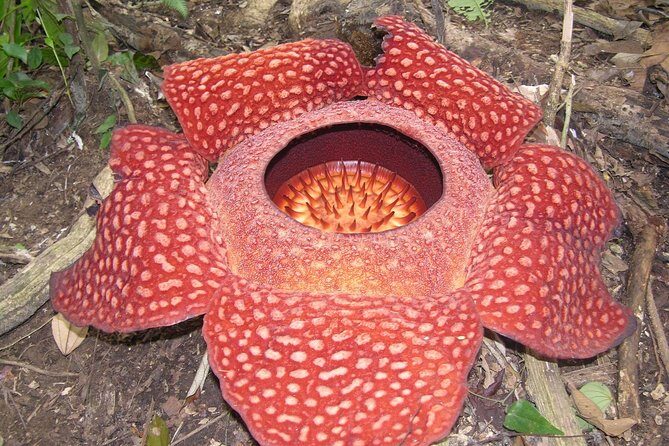
If you’re picturing a quick walk to a flower, recalibrate. Rafflesia doesn’t work like most plants. Its buds take many months to develop, and once it blooms, the flower can last only a few days. Add to that the fact that the flowers are unisexual—male and female blooms must be close enough for successful pollination—and you start to understand why sightings aren’t routine.
That is exactly why this kind of day is built around guided searching. You’re trying to find the right moment: the bloom has to be happening, and the location has to be accessible. The tracker’s role is less about magic and more about local, on-the-ground timing—what’s blooming now, not what bloomed last month.
You’ll also appreciate how the biology shapes your day. Some tours keep the schedule fixed; this one can flex based on what the tracker finds. If you’re the type who hates uncertainty, that could annoy you. If you’re the type who’s okay trading strict timing for a better chance to see something rare, this structure makes sense.
You can also read our reviews of more tours and experiences in Tanah Rata.

Orang Asli Village Encounters: Meeting the Temiah Community
One of my favorite parts of a good Cameron Highlands tour is when it slows down and shows you people, not just scenery. This experience includes meeting indigenous Malaysians in the village of the Orang Asli. A key detail here is that many Orang Asli communities in this region come from the Temiah tribe.
In practical terms, that means your guide and ranger can frame the area in a lived way—how villages and settlements stretch across the foothills up toward Brinchang Town and down toward Kuala Terla. You’re not just hearing general statements; you’re getting local context during the day, which helps the rest of the tour feel connected rather than chopped into unrelated stops.
Expect this segment to be more about conversation and respectful observation than about rigid sightseeing. Bring a little patience. If you have questions, ask them simply. And if language is a barrier, you’ll usually get the gist through shared images, gestures, and the ranger’s explanations.
Town Stops That Change the Mood: King’s Village, Farmland, and Ngow Kee
After the jungle-focus moments, the tour shifts into town atmosphere. You’ll visit a place whose name means King’s Village, tied to a Sultan who donated the land. What you’ll notice most isn’t royal romance—it’s work. Today the area functions as a base for agricultural workers, with farmland filling the busy working view.
That mix matters. It’s easy to treat Cameron Highlands as a theme park of tea and tourist trails. A stop like this helps you see that the same hills are also an active farming region.
You’ll also have a reference point for food in town: Ngow Kee is called out as a famous restaurant. If you want to stretch the day with a simple meal (or later, plan dinner around something local), having a known name is handy. Even if you don’t eat there immediately, it gives you a starting point when you’re hungry later and don’t want to gamble.
The Tea Country Part: Sungai Palas and Boh’s Factory-to-Cup Flow
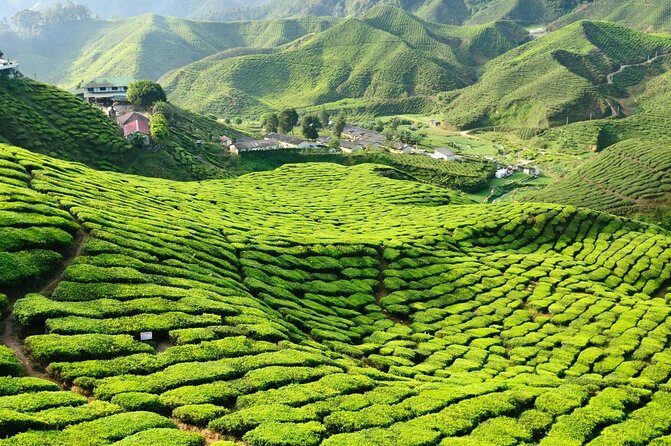
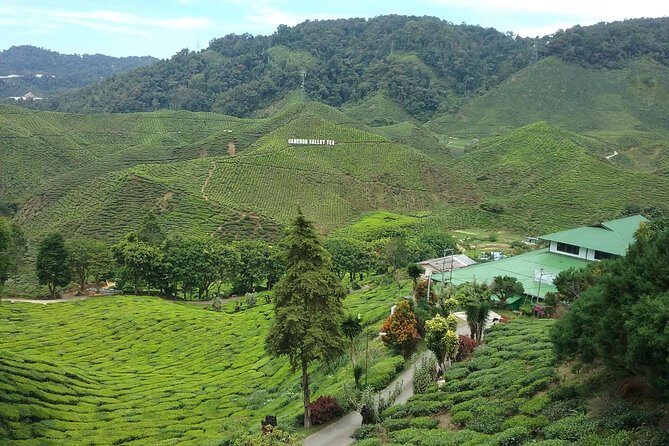
Tea plantations are common in Cameron Highlands tours, but the better experiences help you understand what you’re actually looking at. This day includes tea plantation time plus the tea factory side—so you get the full loop rather than only the hillside photo.
You’ll hear about the three main farms in the Cameron Highlands region: Sungai Palas, Habu, and Fairlie Estates. Then you’ll focus on Sungai Palas Boh Tea Center, which is more than a walkway viewpoint. It’s set up as a small complex that includes a cafe, a gallery, a tea factory, and souvenir shops.
Here’s why that structure is valuable for you:
- If you’re a tea person, the factory component helps you connect taste to process.
- If you’re not a tea person, it still gives you shade, snacks, and something to browse if the weather turns.
- The cafe gives you a natural break, which helps you recover after jungle trekking earlier or later in the day.
Practical tip: wear layers. Highland weather shifts, and inside and outside temperatures can feel different fast. Also, if you’re shopping, compare what you want before you settle—tea and souvenirs can add up quickly once you start sampling.
Butterfly & Insect Farm Plus Waterfall: Nature Without the Heavy Climb
Not every nature stop needs another hour of hiking. This tour includes a butterfly & insect farm and also a waterfall break. You’re getting variety: living creatures in an easier setting, plus the sound-and-spray reset that comes with a waterfall stop.
The waterfall part is a nice rhythm change. After time in forests and villages, you’ll appreciate having a clear, open sensory moment—cool air, water movement, and a break from thinking about bloom timing.
At the butterfly & insect farm, you’ll likely spend time observing and learning in a way that doesn’t require peak fitness. Even if you’re not a “bugs person,” these stops often give you something unexpected, like behavior and habitats you wouldn’t notice on your own.
The main thing to remember is that comfort still matters. Bring shoes you can handle on slick ground, especially around water. Even when the trekking is “moderate,” the Cameron Highlands can be damp.
Picking the Right Level of Fit: How Much Trekking to Expect
This tour involves a moderate amount of jungle trekking, and the experience sets the expectation that you should have a strong physical fitness level. That’s not a contradiction—it’s just honest about what you’re signing up for. You’re going into forest terrain where your pace and footing matter.
What helps most is wearing comfortable walking shoes you can trust. Avoid shoes that slip easily or that don’t grip well on uneven paths. Also consider rain gear. Even if the day starts clear, forest weather can shift.
A small but important detail: the English-speaking guide may not be the only person leading you on the walk. In one documented case, the main guide was Mary, while the actual forest walking segment used an indigenous local excursionist/ranger for safety and navigation in the jungle. The takeaway for you is simple: ask who will lead the trekking portion so you know what to expect.
Price and Value: What Your $100 Is Paying For
At around $100 per person, this is not a budget “hop-on, hop-off” type of day. The value comes from what’s included and what’s handled for you.
Included items in your day typically cover:
- Driver and English-speaking guide
- Aboriginal jungle ranger
- Entrance fees for most stops (so you’re not constantly paying small additions)
- A combination of nature sights: waterfall plus butterfly & insect farm
- Tea plantation/tea factory access and associated time
- A planned focus on the rafflesia search (with the tracker advising on bloom availability)
The main cost consideration you should not ignore: Pahang Forestry Entrance Fee is not included. That matters because it can be the kind of surprise cost that changes the real total of the day.
So is it worth it? For me, it makes sense if you care about the rafflesia chance enough to pay for guided effort, plus you want a day that mixes nature, tea, and culture without planning extra transport. If you only want one or two of those categories, you can potentially piece together cheaper options. But if you want an organized full-day flow, this price reflects the cost of staff, permits, and access.
Logistics That Matter on a Highland Day: Timing, Minivan Comfort, Group Size
This tour runs about 8 hours and starts at 8:30 am from the Cameron Highlands area, with hotel pickup and drop-off. The climate-controlled minivan is a real plus here because Cameron Highlands days can shift from cool mornings to warmer afternoons, and you’ll be sitting in transit at least part of the day.
You’re also capped at a maximum of 30 travelers. That’s important because it affects how much time the guide can spend with you and how easily your group can move around stops—especially on narrower paths near nature areas.
The day isn’t just one long hike. It’s a string of timed stops: forest searching, cultural village time, a town agricultural area, tea country, then butterfly/insect and waterfall. That makes the day feel like a tour rather than a workout. Still, the forest segment is the point where pace and footwear matter most.
Weather also affects what happens. Blooming is seasonal, and the experience is described as weather-dependent. If the day is canceled because of poor weather, you should expect the operator to offer another date or a refund.
When No Rafflesia Happens: How to Protect Your Day
The emotional risk with rafflesia tours is obvious: you came for the flower, and the flower might not cooperate. This experience addresses that reality through an aboriginal tracker who advises flower availability, and it also has a plan for switching to another nature option if no sighting occurs.
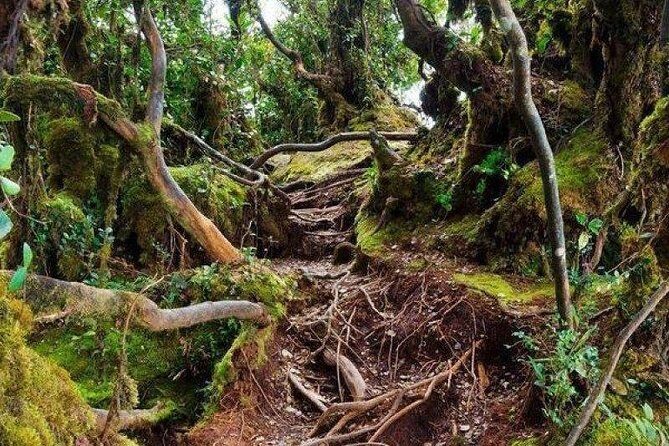
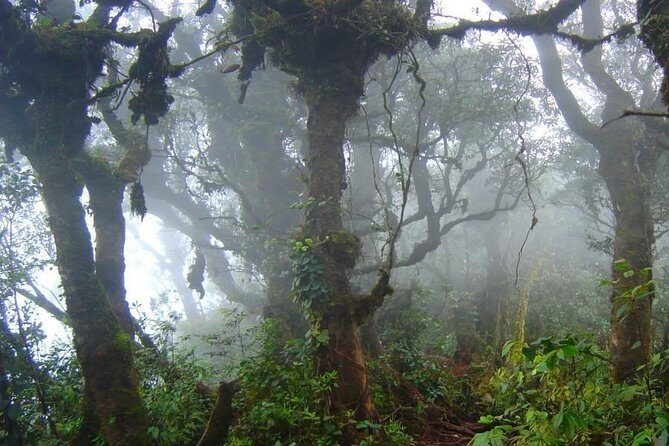
In one account, the operator canceled the original plan and recommended a different tour option (a mossy forest-style alternative). The refund was handled as a price difference, not necessarily as a full amount back to your original booking price.
I’m not saying you should avoid the tour. I am saying you should book it knowing how it works:
- You’re paying for the search and access, not for control over living biology.
- You’ll feel safer if you keep some flexibility in your schedule for that same week.
If you’re traveling with limited time and rafflesia is your one must-see, consider building a buffer day in Cameron Highlands. That way, you can adjust if your first attempt doesn’t line up with bloom timing.
Who This Tour Fits Best (and Who Might Skip It)
I’d point you toward this tour if:
- You want a structured day that combines rafflesia hunting with tea, insects, and waterfall nature breaks.
- You appreciate cultural stops and don’t want your day limited to viewpoints.
- You’re okay with schedule flexibility if the forest conditions or bloom timing change.
I might suggest skipping or choosing something else if:
- You need a strict itinerary with no variability.
- You dislike trekking and rough footing even if it’s described as moderate.
- You’re very sensitive to last-minute changes after paying—because bloom timing is not predictable.
Should You Book Cameron Highlands: Nature’s Wonder Rafflesia Explorer?
If seeing rafflesia is on your must-do list, this is one of the more sensible ways to try. The day is designed around the reality that the flower is seasonal and hard to find, and it uses a ranger-led approach instead of leaving you to guess. Add hotel pickup, climate-controlled transit, and a tea/tea-factory stop that gives you something rewarding even if the forest is quiet, and you have a full-day package that doesn’t feel like wasted transit.
My final advice: book it if you want a guided, high-effort nature and culture day and you can handle the fact that the bloom may or may not show. If you can, schedule this early in your Cameron Highlands stay so you have a fallback option.
FAQ
How long is the Cameron Highlands Rafflesia Explorer tour?
The tour is listed at about 8 hours.
What time does the tour start?
The start time is 8:30 am.
Is hotel pickup and drop-off included?
Yes, pickup and drop-off at Cameron Highlands hotels are offered.
What is included in the tour price?
Your tour includes a driver/English speaking guide, an aboriginal jungle ranger, the rafflesia flower focus, a waterfall, a butterfly & insect farm, and tea plantation/tea factory access. Included entrance fees cover many stops.
What is not included?
The Pahang Forestry Entrance Fee is not included.
Is the rafflesia sighting guaranteed?
Rafflesia blooming is seasonal, and the aboriginal tracker advises on flower availability. Because of that, sightings depend on what’s blooming at the time.
How difficult is the trekking?
The day includes a moderate amount of jungle trekking, and the tour advises strong physical fitness.
What should I wear?
Wear comfortable walking shoes for the trekking and forest terrain.
How big are the groups?
The tour has a maximum of 30 travelers.
What if the tour can’t run due to weather?
The experience requires good weather. If it’s canceled due to poor weather, you’ll be offered a different date or a full refund.
—
If you tell me your travel dates and whether you’re more into wildlife, tea, or culture, I can also help you decide if you should place this on your first or last day in the Cameron Highlands.