REVIEW · SABAH
Full-Day Guided Snorkeling Tour from Kota Kinabalu
Book on GetYourGuide →Operated by Borneo Dream Travel & Tours Sdn Bhd · Bookable on GetYourGuide
A calm catamaran day, then coral everywhere. What makes this full-day trip fun is how it’s built around Tunku Abdul Rahman Marine Park and the Coral Triangle, with guides like Didi and Alex staying close so you can actually enjoy the water. I also like the small-group feel, which makes it easier to get help if you’re not a strong swimmer.
I love that the day isn’t just about being underwater. You get real support with snorkeling gear plus fish identification materials, and you’ll pause for an a la carte lunch on a tropical island café.
One thing to plan for: the best snorkel spots depend on sea conditions, and coral quality can vary. A few boats also feel light on facilities, so expect limited comfort if you’re hoping to change or use a restroom during the outing.
In This Review
- Key points at a glance
- Kota Kinabalu’s DBKK Jetty meeting: the start of a smooth day
- Catamaran logistics and safety: what RAID-certified guiding feels like
- Tunku Abdul Rahman Marine Park and the Coral Triangle: why the water is the point
- Two guided reef swims: how the day unfolds in practice
- Nemo, turtles, and the big sightings: what to watch for
- Lunch on the island: how to make that break count
- Gear, fees, and the $66 value check from Kota Kinabalu
- Who should book, and who should think twice
- What to bring (so the day feels easy, not stressful)
- Should you book this Kota Kinabalu snorkeling catamaran tour?
- FAQ
- Where is the meeting point for this tour?
- How long is the full-day snorkeling tour?
- What does the price include?
- Is hotel transfer included?
- What age limits apply?
- Do you snorkel from the boat or from the shore?
- Can snorkeling locations change during the day?
- What languages are available during the tour?
Key points at a glance
- Coral Triangle focus: snorkel in one of the most biodiversity-rich areas in the region
- Guide attention in the water: RAID-certified guides keep you oriented and safe
- Two (sometimes more) reef swims: sites can change based on weather and your comfort level
- Island lunch break: a la carte meal on a café on the islands
- Fish ID materials included: helps you name what you’re seeing
- You might see big moments: turtles, rays, squid, reef sharks, and clownfish (Nemo)
Kota Kinabalu’s DBKK Jetty meeting: the start of a smooth day
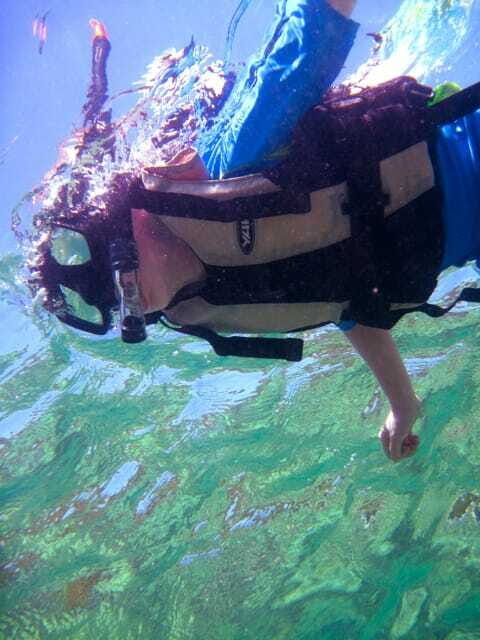
Your day kicks off at 8:45 AM at DBKK Jetty in central Kota Kinabalu. From there, you’ll be escorted to the boat. If you’re staying in the central area, you’ll likely find Jesselton Point Jetty a short stroll or a quick taxi ride away, so this is doable even if you don’t want to move hotels or start your day too early.
This matters because a snorkeling tour lives and dies by timing. When you meet on time, you get daylight water visibility and enough margin for the crew to adjust snorkel sites based on sea state.
One practical note: there are no hotel transfers included, so you’ll want to organize your own way to the jetty. If you’re coming from outside central Kota Kinabalu, it’s worth planning a taxi buffer so you’re not rushing at check-in.
You can also read our reviews of more tours and experiences in Sabah.

Catamaran logistics and safety: what RAID-certified guiding feels like
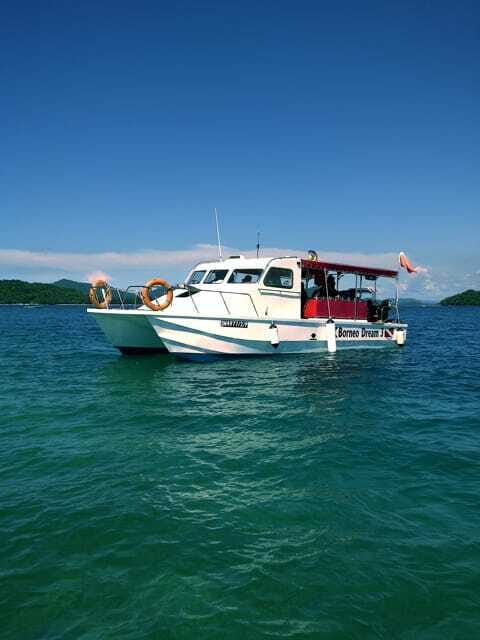
This tour runs by fully equipped catamaran, with refreshments available during the day. You’ll be given safety support through buoyancy aids and included equipment: mask, snorkel, and fins, plus an optional wetsuit depending on conditions.
Safety here isn’t treated like a checkbox. The guides are RAID-certified, and the crew role is clear: they manage your experience so you don’t just tread water hoping for the best. In particular, I like that the tour explicitly adapts to experience level:
- If you’re more confident, you may snorkel at a remote coral reef with access that can be directly from the boat.
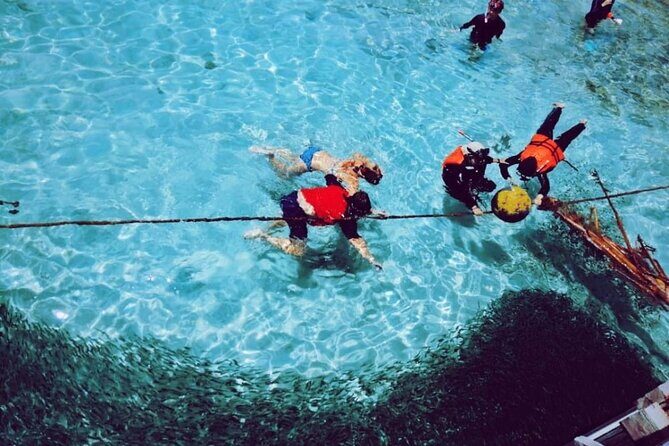
- If you’re less confident, you’ll get extra hands-on support from the guide, typically from calmer beach areas, so you can focus on breathing and staying relaxed.
That guide-to-water ratio is a big deal. Several experiences describe guides staying attentive and steady, including taking extra time to make less-confident swimmers feel comfortable. In one case, a guide even took a phone/video underwater for someone who couldn’t get their own camera work going.
Small-but-important reality: some boats have limited facilities. One review flagged that there’s no toilet on the boat and no obvious place to change. If that would stress you out, bring a plan (and yes, a towel), and treat the boat as transport, not a changing room.
Tunku Abdul Rahman Marine Park and the Coral Triangle: why the water is the point
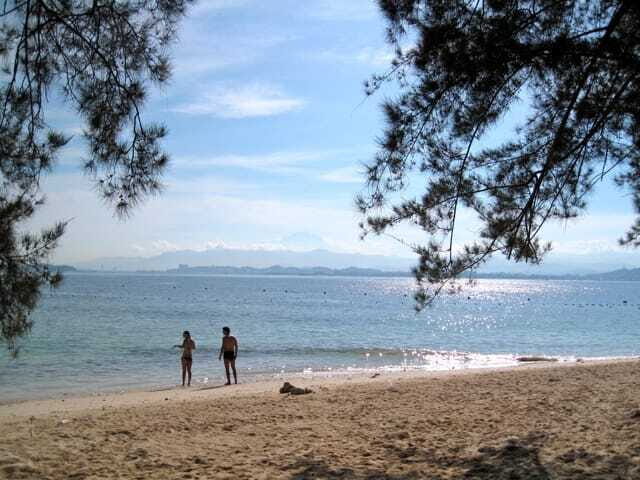
The star of the day is Tunku Abdul Rahman Marine Park, located in the South China Sea. This area sits in Sabah’s Coral Triangle, which is known for extreme biodiversity—lots of different reef fish, plus the chance of turtles and other marine life.
What you’re really buying with a guided trip like this is not just access. It’s translation: you get fish identification materials and a guide who can point out what you’re looking at. That turns a “pretty swim” into an experience with moments you can name and remember.
Also, snorkel sites are selected based on sea conditions and your comfort level. That’s not filler—it’s the difference between:
- a reef swim where you can actually enjoy the coral gardens, and
- a choppy day where you’re more focused on staying steady than spotting animals.
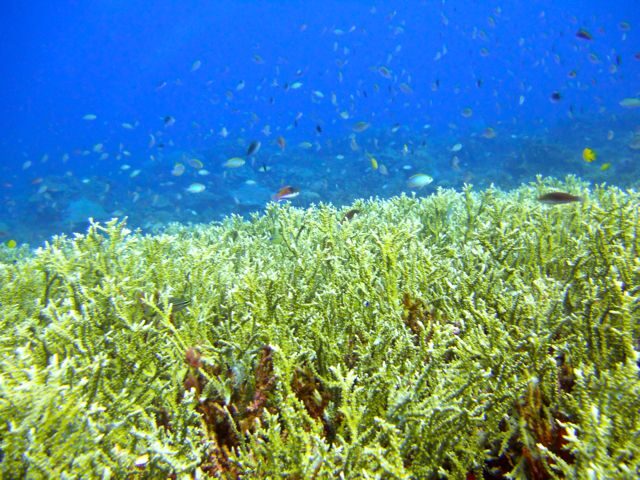
So even if you’ve seen photos, keep an open mind. Coral life can look different from day to day. Some reef areas may look brighter and more active than others, depending on current conditions and how the coral is faring.
Two guided reef swims: how the day unfolds in practice
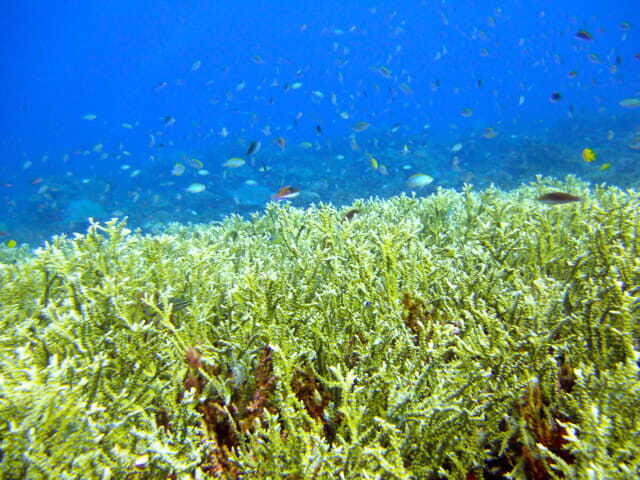
The schedule is built around two different guided snorkeling adventures around coral gardens. The crew chooses the exact locations on the day, balancing sea state with your experience level.
Here’s what that usually feels like in real time:
- First swim: you’ll get oriented, then spend time around reef structures where fish gather. This is usually where you’ll start recognizing patterns—clownfish in sheltered spots, parrotfish moving across the reef, and schools of reef fish drifting between coral heads.
- Second swim: another reef area, which may feel different in water movement, depth, or fish mix. Guides also tend to adjust to what you’ve already seen, so you don’t feel like you’re repeating the same look.
Some departures may run with more than two snorkeling stops when conditions allow. You’ll notice this in how long people mention being in the water and how the day includes multiple reef moments. Either way, you’re not signing up for a quick 15-minute splash; the trip is structured to give you enough underwater time to actually see marine life.
The “remote reef vs calm beach” choice is also important. If you’re new to snorkeling, calm beach access reduces stress. If you’re confident, boat-off access can feel more direct and efficient, since you can drop in near the reef without negotiating shore entry.
Nemo, turtles, and the big sightings: what to watch for
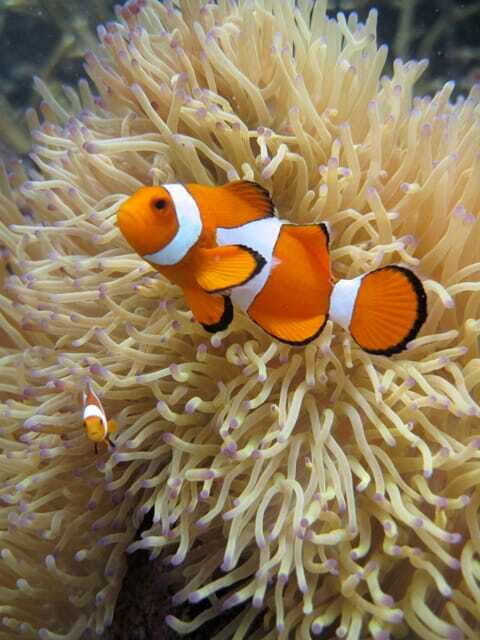
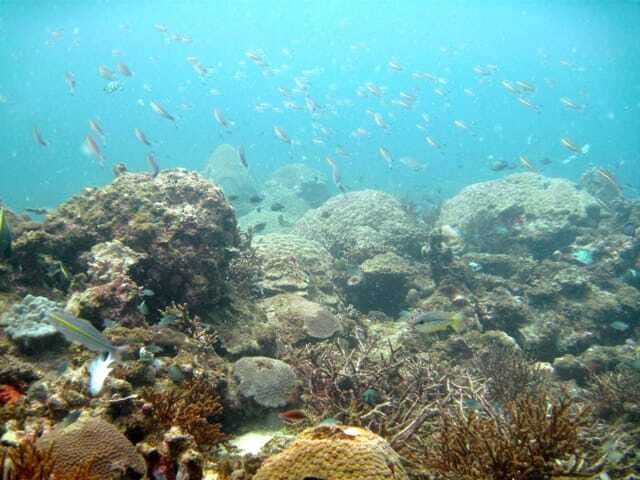
The tour advertises chances to find Nemo—specifically the shy clownfish—and it also highlights the possibility of green or hawksbill turtles. Based on what people describe after getting into the water, those are the kinds of moments that turn this tour into a highlight reel.
Here are the most realistic “watch lists” to keep in mind:
- Clownfish (Nemo): often tucked in or near anemone-associated zones. Look slowly and don’t hover over one spot—let the guide’s cues lead you.
- Turtles: guides tend to spot them from patterns and movement first, then guide you so you’re not chasing. If you’re lucky, you might see hawksbill or green turtles.
- Reef sharks and rays: some people report reef shark sightings and small stingrays. If you see a shark silhouette, give it space. Don’t crowd it with your fins.
- Squid and larger reef fish: squid sightings pop up in a few accounts, along with fish like pufferfish, triggerfish, parrotfish, and barracuda schools.
A helpful mindset: your job underwater is calm observation. The guide’s job is finding the animals and timing your swim so you’re in the right place when they show up.
You can also read our reviews of more snorkeling tours in Sabah
Lunch on the island: how to make that break count
Lunch is served at an island café and is a la carte. That’s a nice change from buffet chaos because you can usually choose what fits your appetite after hours in the sun.
The day also includes water and biscuits during the outing, so you’re less likely to arrive at lunch dehydrated or hypoglycemic.
On land time, you might get more than just a meal. One account described spotting monkeys and even a Komodo lizard near the island lunch stop. That kind of bonus is never guaranteed, but it’s a reminder: the islands aren’t only for eating. They’re part of the day’s scenery.
One logistics point to remember: you’ll likely move between boat and island on a schedule, so keep sunscreen and a dry shirt handy. With no clear changing setup on the boat, you’ll want to manage comfort the simple way.
Gear, fees, and the $66 value check from Kota Kinabalu
At $66 per person for a full day (around 7 hours), this tour can feel like good value because it covers the costs that usually pile up in snorkeling packages.
What’s included:
- RAID-certified guide
- Boat transfers
- Snorkeling equipment (mask, snorkel, fins) and an optional wetsuit
- Buoyancy aid
- Fish identification materials
- Lunch
- Water and biscuits
- Jetty, island entrance, and conservation fees
What’s not included:
- Hotel transfers
That inclusion list matters. Many cheaper tours undercut the price by leaving out reef fees, equipment, or structured guidance. Here, you’re also paying for the thinking behind the day: choosing snorkel sites based on sea conditions and your comfort level.
Is it perfect value every day? No, because snorkeling quality depends on real-world conditions like visibility and coral health. But given that the day is guided, includes fees, and gives you a full lunch break, the overall structure reads like a solid deal—especially if you’d otherwise have to piece together boat access, gear rental, and a guide separately.
Who should book, and who should think twice
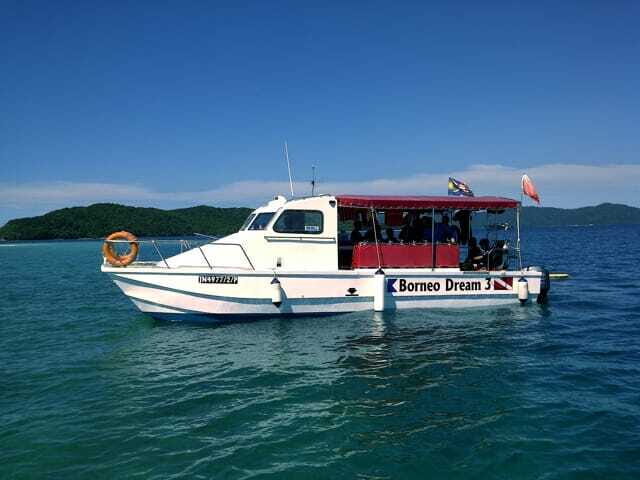
This tour suits you best if:
- you want a guided snorkeling day focused on reef viewing in Tunku Abdul Rahman Marine Park
- you’re a first-timer or not a strong swimmer, because the tour explicitly supports different comfort levels
- you like being able to identify fish, not just see colors passing by
- you value small-group attention and a calmer pace (several accounts highlight attentive guides and less crowding)
It’s less ideal if:
- you need guaranteed underwater conditions. Sites change with weather/sea state, and coral conditions can vary.
- you’re expecting a lot of onboard comfort like toilets or easy changing. Plan around the practical limitations noted in a few experiences.
And one more hard limit: unaccompanied minors aren’t allowed. If you’re traveling with a child under 18, you’ll need parent or guardian supervision at all times.
What to bring (so the day feels easy, not stressful)
Even with gear provided, you’ll be happier if you pack like this:
- a towel (especially if the boat has limited facilities)
- a dry shirt or spare layer for after you swim
- sun protection and something to keep your face from overdoing it in the morning heat
- any personal items you normally need for comfort, since you’ll spend most of the day outdoors and on the water
If you’re worried about buoyancy, you can also ask for a personal buoyancy aid when you join the boat. That’s a small move that can improve confidence fast.
Finally, when the guide asks about your comfort level, answer honestly. The whole trip is built to match your snorkel ability to the day’s conditions, not to force everyone into the same water scenario.
Should you book this Kota Kinabalu snorkeling catamaran tour?
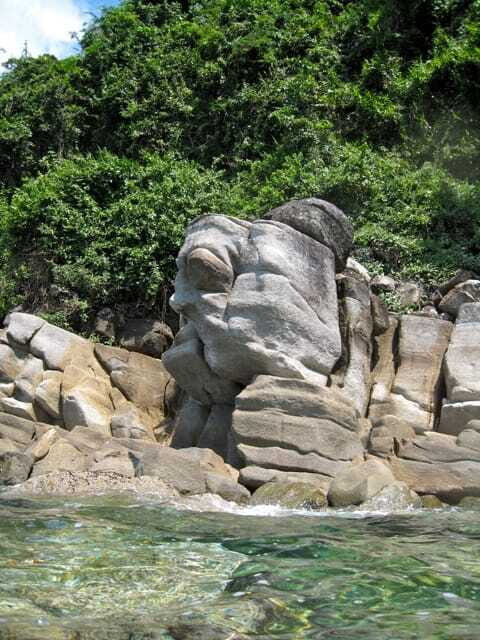
I’d book it if you want a well-structured snorkeling day that’s actually guided—where guides help you spot turtles, clownfish, and reef fish instead of leaving you to wander and guess. The value looks strong when you consider that equipment, buoyancy support, lunch, and conservation fees are included.
I’d think twice if you’re going for one specific reef photo you saw online, because the tour chooses snorkel locations based on sea conditions, and coral quality can vary. Also, if onboard comfort matters a lot, remember there are limitations like no toilet on the boat in at least some setups.
If you’re okay with “nature decides the details,” this is a very reasonable way to get out on the water from Kota Kinabalu and spend real time in the Coral Triangle.
FAQ
Where is the meeting point for this tour?
You meet at 8:45 AM inside DBKK Jetty in central Kota Kinabalu. From there you’ll be escorted to one of the boats.
How long is the full-day snorkeling tour?
The duration is listed as 7 hours.
What does the price include?
The tour includes a full-day guided snorkeling experience, equipment (mask, snorkel, fins), a buoyancy aid, lunch, water and biscuits, guide services, fish identification material, and jetty/island entrance/conservation fees. Boat transfers are also included.
Is hotel transfer included?
No. Hotel transfers are not included.
What age limits apply?
Unaccompanied minors are not allowed. Anyone under 18 must be supervised by a parent or guardian at all times.
Do you snorkel from the boat or from the shore?
It depends on your level and conditions. For more confident snorkelers, there may be a remote coral reef where you snorkel directly off the boat. Less experienced snorkelers may snorkel from calmer beaches with the guide.
Can snorkeling locations change during the day?
Yes. Snorkeling sites visited are subject to weather/sea state and your comfort and confidence snorkeling.
What languages are available during the tour?
The tour is available in English, Chinese, and Malay.