REVIEW · KUALA LUMPUR
Kuala Lumpur City Full Day Tour with 23 Famous Landmarks
Book on Viator →Operated by Asni Tours & Travel (M) Sdn Bhd · Bookable on Viator
Eight hours, twenty-plus stops, zero map panic. This Kuala Lumpur full-day tour strings together the city’s biggest icons and everyday neighborhoods, from the Batu Caves climb to Petronas Twin Towers photo time, with guided context along the way.
What I like is the smart mix of major landmarks and real cultural details. You get door-to-door round-trip transport in an air-conditioned vehicle, plus hands-on style stops like pewter at the Royal Selangor Visitor Centre and wax-and-dye batik at Jadi Batek Gallery.
One caution: this is a fast-paced day in strong tropical heat. Batu Caves means 272 steps, and you should plan on bringing your own water and sun protection, since comfort can vary depending on your guide and group.
In This Review
- Key things to know before you go
- A full-day KL hit list, without the transport headaches
- Pickup, pacing, and beating KL heat on a packed itinerary
- Batu Caves and Istana Negara: the tour’s first big contrast
- Parliament, the National Monument, and Independence Square’s grand center stage
- The River of Life and National Mosque area: easy walking, smart photos
- City history in miniature: KL City Gallery and the railway architecture
- Little India, Thean Hou Temple, and Chinatown: a whole set of faiths and streets
- Royal Selangor pewter and batik: where the tour becomes more than sightseeing
- KLCC Park and Petronas Twin Towers: the day’s skyline finale
- Is it worth about $76.94 per person?
- Who should book this Kuala Lumpur tour, and who should skip it?
- Should you book this tour?
- FAQ
- How long is the Kuala Lumpur city full day tour?
- What time does the tour start?
- Is hotel pickup included?
- Are tickets and entry fees included?
- Is lunch included?
- Will I visit Petronas Twin Towers during the tour?
Key things to know before you go
- Door-to-door convenience: hotel pickup/drop-off (selected hotels) saves you from juggling taxis and timetables.
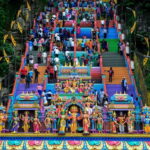
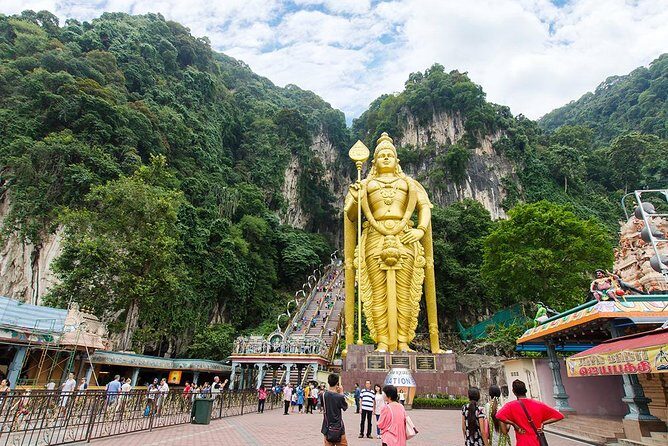
- Batu Caves is the big physical moment: a 272-step climb to Lord Murugan and Hindu shrines with standout views.
- Craft stops add soul: pewter at Royal Selangor and batik at Jadi Batek Gallery give you more than just photos.
- Many stops are quick photo beats: Istana Negara, Muzium Negara, and the Twin Towers are not full admissions.
- Optional KL Tower upgrade: observation deck access is included only if you select the KL Tower option.
- You’ll cross KL’s cultural zones: Little India (Brickfields) plus Chinatown temples and markets in one day.
A full-day KL hit list, without the transport headaches
If you want to see Kuala Lumpur’s top sights in one go, this tour is built for that. Start at 9:30 am, ride between areas comfortably, and hit a long list of stops across the city’s older core and modern skyline.
The value isn’t just the number of places. It’s the structure: a licensed guide and air-conditioned vehicle keep things moving, so you can spend your energy looking at buildings, shrines, and city views instead of plotting routes. Many of the featured sights are free or quick photo stops, which helps your day stay focused.
You should still expect this to feel like a loop: lots of brief moments, with a few longer stops where you’ll have time to walk, look around, and take photos.
You can also read our reviews of more city tours in Kuala Lumpur
Pickup, pacing, and beating KL heat on a packed itinerary
This tour runs about 8 hours, so it’s not “see one area deeply.” It’s “cover the big ground.”
Here’s how I’d plan for the physical parts:
- Wear grippy shoes for Batu Caves and temple steps.
- Bring your own water and something for sun protection. One downside that can pop up on hot days is that you may not get much in the way of cold drinks.
- Dress with respect for mosque and temple visits. For women and men, that usually means shoulders and knees covered.
Timing matters too. Since several stops are outdoors and photo-heavy (and some are in strong sun), you’ll get more out of the day if you treat it like an early-morning mission: hydrate, then enjoy.
Also, language experience can matter. English is part of the deal—there’s an English-speaking driver, and there’s a licensed tour guide option—but if you’re counting on detailed storytelling all day, do pick the tour option with a guide and know that clarity can vary by person.
Batu Caves and Istana Negara: the tour’s first big contrast
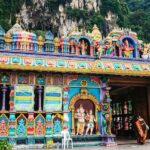
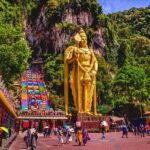
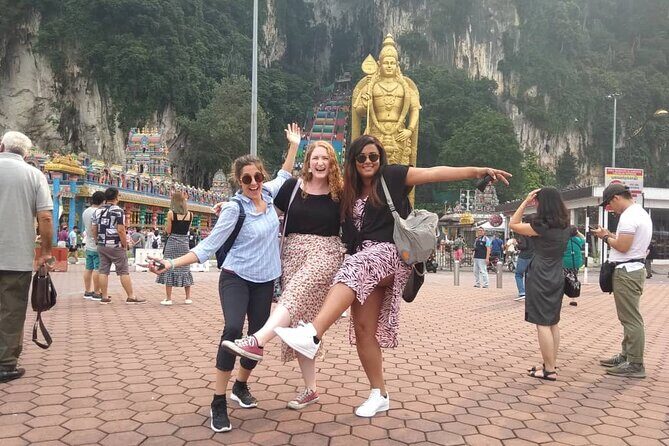
Stop 1: Batu Caves is the headliner. You’ll make your way to the hilltop Hindu shrines with the famous Lord Murugan statue rising roughly 42.7 meters (140 feet). Then comes the main workout: 272 steps up for the shrine area and panoramic views.
Admission is free for this stop, and the time on site is about 30 minutes. That’s enough for photos and the climb, but not enough to treat it like a full day hike. If you’re sensitive to heat or stairs, go slow, take breaks, and focus on the views and the shrine details that reward the climb.
Stop 2: Istana Negara is different. You get a photo stop at the main entrance only—tourists aren’t permitted to enter. The payoff is mainly exterior views and a quick orientation to Malaysia’s royal palace complex.
Parliament, the National Monument, and Independence Square’s grand center stage
Next you shift into KL’s civic heart.
Stop 3: Malaysian Houses of Parliament is set near the National Monument in the Lake Gardens area. Expect a quick look at the complex: a main multi-story building and a 77-metre-tall tower that rises above the grounds. Even in a short photo stop, the scale helps you understand how central this area is to the federal story of Malaysia.
Stop 4: National Monument (Tugu Negara) is about remembrance. This bronze sculpture complex commemorates those who died in Malaysia’s struggle for freedom, including against Japanese occupation during World War II and the Malayan Emergency. It’s also known as the world’s tallest bronze freestanding sculpture grouping, so yes, it’s the kind of place you see from several angles once you arrive.
The stop is brief (around 10 minutes), so treat it like a moment of reflection rather than a museum visit.
Stop 5: Taman Botani Perdana (Perdana Botanical Garden) gives you a reset. This former “Lake Gardens” area has been rehabilitated into a botanical garden with tropical plant collections. Even if you only get a short walk (about 20 minutes), it’s a nice break from the “big monument, big road” feel of the civic zone.
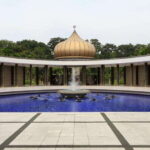
Stop 6: National Mosque (Masjid Negara) is bold and modern in reinforced concrete, completed in 1965. Look for the 73-metre-high minaret and the umbrella-like design concept in the roof structure. The site holds about 15,000 people and sits within gardens. Since this stop is about 20 minutes, plan to focus on architecture and the reflective pools rather than trying to see everything.
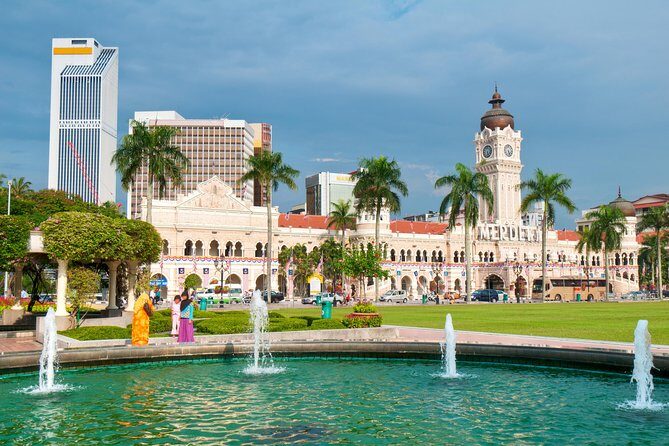
Stop 7: Dataran Merdeka (Independence Square) is where you connect buildings to history. It’s in front of the Sultan Abdul Samad building, and it’s tied to the midnight symbolism of 31 August 1957 when the Malaysian flag was hoisted. You’ll likely just see it from the outside, but it’s one of those places where the setting feels ceremonial even in daylight.
Stop 8: Sultan Abdul Samad Building rounds out the square area. This late-nineteenth-century structure originally served colonial administration offices, and it was renamed in 1974 after Sultan Abdul Samad. Again, expect a quick look—about 10 minutes—but it’s a classic architectural anchor for the Independence Square views.
The River of Life and National Mosque area: easy walking, smart photos
Stop 9: The River of Life is a short but interesting city detail. This is the point where the Klang River and Gombak River meet near Masjid Jamek and the Sultan Abdul Samad area.
The value here is not that you need lots of time—it’s that you get orientation. Kuala Lumpur looks like a place of modern towers and busy roads, but this river-meets setting reminds you how the city grew around water and neighborhoods.
A few more Kuala Lumpur tours and experiences worth a look




City history in miniature: KL City Gallery and the railway architecture
Stop 10: Kuala Lumpur City Gallery is a small museum that helps you “read” the city while you’re still out on the streets. It includes an engaging city overview with a photographic record and scale models of Merdeka Square and modern KL. The building itself is in a neo-Renaissance style and dates to 1899, having served multiple roles over time.
If your guide is strong, this is where their storytelling can click. You get context without committing to a long museum visit (about 20 minutes here).
Stop 11: Malayan Railway Administration Building and the old railway station architecture are another quick win. Construction began in 1910 and was completed in 1917, and the design mixes Eastern and Western influences. It’s the kind of stop where, even in 10 minutes, you can take in the look and feel of an older KL layer.
If you enjoy architecture, this area also gives you a natural photo route nearby, since it sits close to other landmark clusters.
Stop 12: Muzium Negara (National Museum) is set up as a photo stop only. Admission isn’t included for this stop. You’ll see the national museum building and its Malay palace style design, plus the general idea that galleries cover Malaysia’s story from prehistoric times to the present. Don’t plan this day like you’ll get a full museum experience, though.
Little India, Thean Hou Temple, and Chinatown: a whole set of faiths and streets
This is where Kuala Lumpur shifts from government-center monuments to everyday life.
Stop 13: Little India in Brickfields is the shopping and street-food vibe zone. Brickfields is described as the biggest Little India in Malaysia, and the streets are lined with Indian clothing, provisions, and food. The area also links to modern KL through its connection with the KL Sentral area, so it’s not stuck in the past.
You’ll get about 30 minutes, which is enough for quick wandering and photos, but not enough to become a “slow shopper” all day. Treat it as an orientation pass: get your bearings, then decide if you want to come back later.
Stop 14: Thean Hou Temple brings in a major Chinese religious landmark. It’s a six-tier temple dedicated to Mazu, the sea goddess, completed in 1987 and officially opened in 1989. It sits atop Robson Heights and overlooks the area, which means even a short stop (about 20 minutes) can reward you with views and layered temple details.
Stop 15: Chinatown is a classic KL mix of food, accessories, clothing, and temples. The area is known as Chee Cheong Kai, or Starch Factory Street, tied to a history of mills and Chinese settlement patterns. On a practical level, it’s one of the easiest places on this route to find snacks and low-stress shopping—if you like that sort of thing, use your time.
Stop 16: Central Market Kuala Lumpur is a heritage site and shopping stop next to the Klang River. The market began as a wet market in 1888, and the current Art Deco building was completed in 1937. It’s classified as a Heritage Site by the Malaysian Heritage Society and is now a cultural and heritage landmark. You get around 20 minutes, so focus on the building exterior and browsing rather than deep shopping.
Stop 17: Guan Di Temple offers Taoist energy dedicated to the Chinese general Guan Di (also known as Guan Yu). It’s described as one of the more important Chinese temples in Malaysia and can draw a lot of visitors. You’ll have about 10 minutes, so be ready to notice the main areas quickly—don’t expect time for every corner.
Stop 18: Sri Maha Mariamman Temple is the Hindu focus right on the edge of Chinatown. Established in 1873, it’s noted as the only Hindu temple in Malaysia. The temple you see today was completed in 1968 and features detailed tilework and gold motifs.
The main entrance element (the “Raja Gopuram”) is described as about 75 feet with five tiers, and the temple shape is compared to a human form lying down. Even with limited time, the structure is distinctive, so it’s usually a photo-and-observe stop rather than a “sit and read” stop.
Royal Selangor pewter and batik: where the tour becomes more than sightseeing
Two stops can turn this from just a landmark checklist into a craft day.
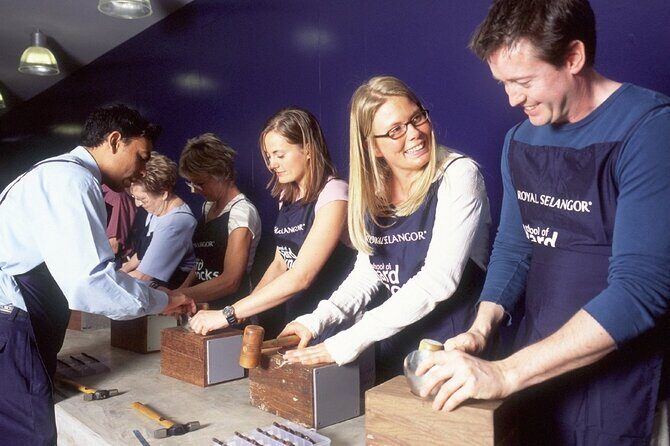
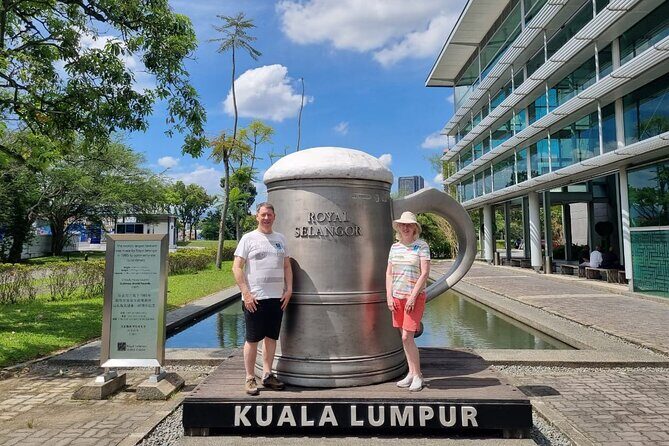
Stop 19: Royal Selangor Visitor Centre is all about pewter. This is a place you visit to see how a metal becomes objects you’d actually want to bring home. The center connects pewter to the tin rush in colonial Malaya and to Royal Selangor’s founding in 1885.
The visitor center also includes exhibits about pewter and mentions workshops, plus a range of pewterware and jewelry sold on site. It’s designed so you can learn without standing around waiting for a slow museum pace. You’ll have about 30 minutes.
If you’ve ever wished a city tour included something human—hands doing work—this is the stop that usually makes the day feel real.
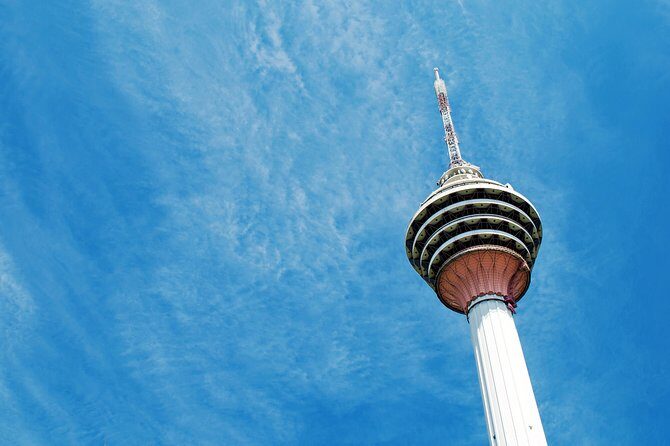
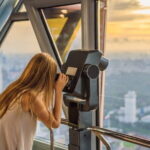
Stop 20: KL Tower is the optional skyline upgrade. If you pick the KL Tower option, admission to the observation deck is included. If you don’t, it’s a photo stop only.
Either way, the tower is iconic: it’s one of the world’s tall freestanding towers, with an antenna that raises the height to 421 meters above ground level. The tower has 22 levels with elevators and a stairwell of 2,058 steps. One extra detail that makes it feel more thoughtful than just a tall structure: the design preserved a 100-year-old Jelutong tree with a retaining wall built around it.
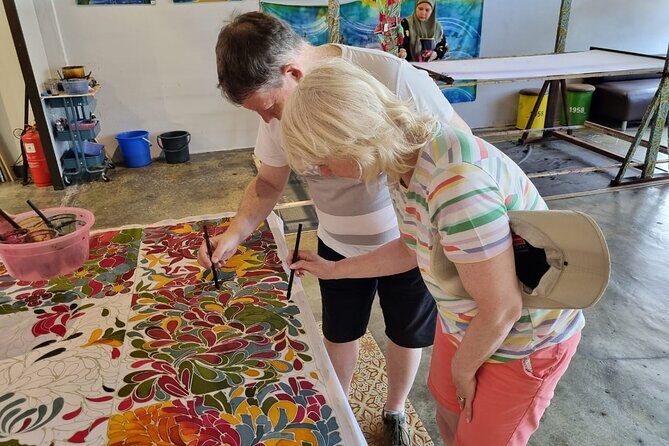
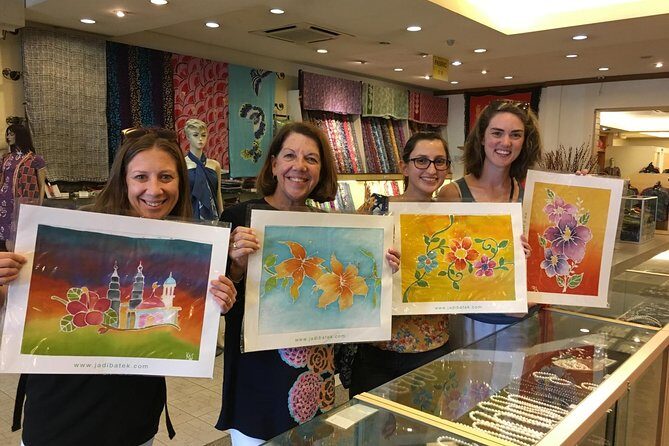
Stop 21: Jadi Batek Gallery switches from metal to textile. Batik here is described as being made with wax and dye. You get around 30 minutes, which is enough time to understand the process at a high level and spot what’s involved if you’re curious about doing it yourself later.
KLCC Park and Petronas Twin Towers: the day’s skyline finale
Stop 22: KLCC Park is a calm pocket near the towers. It was designed by Roberto Burle Marx (noted as his last work) with the goal of leaving the world more “sensitive” and educated about nature. The park mixes tropical greenery with man-made elements like water features and hardscape, creating an illusion of space through shapes and topography.
This stop is short (about 10 minutes), but it’s a good chance to cool down after temple and market time. Even a brief walk can reset your senses.
Stop 23: Petronas Twin Towers wraps up the skyline story. You get a photo stop only, and admission to go inside isn’t included. Still, you’ll understand why they became KL’s postcard. The towers reach about 451.9 meters and are noted as the world’s tallest twin skyscrapers. They held the title of tallest buildings in the world from 1998 to 2003.
This is the moment to take the photos you’ll actually want later. Since it’s only a photo stop, don’t rely on this time for a “perfect shot.” Focus on getting the angles you care about quickly.
Stop 24: Harriston Chocolate can appear as a sweet follow-up stop. If you like the idea of a quick snack and a locally themed souvenir, it fits the day’s pattern of ending with something buyable and easy.
Is it worth about $76.94 per person?
Let’s talk value in real terms. You’re paying roughly $76.94 per person for a full day that includes guided interpretation, a private group experience, and the effort-free transport between far-flung areas of KL.
A lot of the featured stops are free admission at the listed level (Batu Caves, National Mosque, Independence Square area stops, and more). That matters because it means you’re not paying admission fees nonstop. Where the ticket cost becomes more “real” is the time savings and logistics: you get an air-conditioned vehicle, English-speaking support, and a route that bundles major sights into one day.
The two things that can shift the value for you:
- Lunch isn’t included. You’ll need to plan your own meal or snack strategy.
- KL Tower admission depends on your option. If you want the observation deck, make sure you select the package that includes it, because otherwise you’re only getting a photo stop.
Price-wise, this tour makes the most sense when you want convenience and don’t want to spend your vacation managing rides, tickets, and time gaps.
Who should book this Kuala Lumpur tour, and who should skip it?
You’ll likely love it if:
- You’re short on time and want the city’s biggest highlights in one day.
- You like practical history context while you move between neighborhoods.
- You want craft stops, not just landmarks—pewter and batik are the kind of detours that make shopping feel purposeful.
I’d think twice if:
- You prefer slow, deep exploring with minimal walking and lots of free time.
- You’re sensitive to heat and stairs. Batu Caves is non-negotiable here with its 272 steps.
- You expect every stop to be a long, fully guided experience. Several highlights are photo stops only, and the schedule is built around covering many areas quickly.
Should you book this tour?
I’d book it if you want a one-day Kuala Lumpur overview with enough structure to keep you from wasting time. The standout reasons are the door-to-door comfort, the craft-focused moments at Royal Selangor and Jadi Batek, and the chance to choose whether KL Tower is part of your skyline view.
Skip it or choose carefully if you want a relaxed day or if you can’t handle the heat and stairs. Bring water, wear good shoes, and pick the option that includes a guide and the KL Tower if those views are a priority.
If you’re the kind of traveler who likes to get oriented fast—then come back later to go deeper—this is a strong first move.
FAQ
How long is the Kuala Lumpur city full day tour?
The tour is about 8 hours.
What time does the tour start?
It starts at 9:30 am.
Is hotel pickup included?
Pickup is offered for selected hotels, and the tour includes hotel pickup and drop-off where available.
Are tickets and entry fees included?
Many stops list free admission, but KL Tower observation deck entry is included only if you select the KL Tower option. Muzium Negara is a photo stop only and admission is not included.
Is lunch included?
No. Lunch is not included.
Will I visit Petronas Twin Towers during the tour?
Yes, there’s a Petronas Twin Towers photo stop. Admission to the towers is not included.