REVIEW · KUALA LUMPUR
Kuala Lumpur: Sambal Street Food Tour with 15+ Tastings
Book on GetYourGuide →Operated by A Chef's Tour · Bookable on GetYourGuide
Sambal turns a snack into a story. This Kuala Lumpur street food tour pairs 15+ tastings with a guide who explains how Malay, Chinese, and Indian food threads show up on the street. You also get pulled away from the usual crowds and into one of KL’s last more traditional neighborhood rhythms.
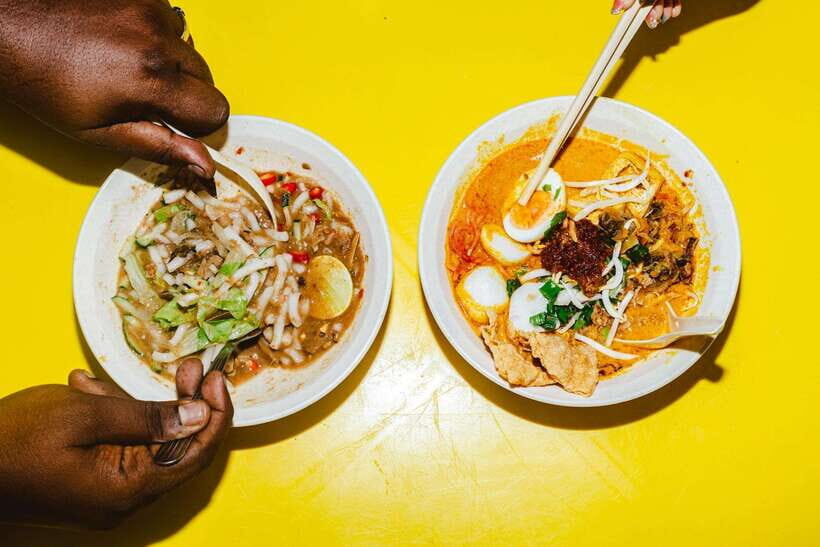
What I like most is the sheer amount of food for 4 hours. You’ll hit classic hits like nasi lemak, rendang, satay, and flame-grilled skewers, then swing toward foods many visitors miss—cendol with durian, banana-leaf grilled mackerel with sambal, and hand-stretched rotis. Plus, guides I’ve seen mentioned like Kiran, Nadia, Sean, Sam, and Ian are repeatedly praised for pacing, humor, and adjusting spice to the group.
One thing to think through: this is big-eating energy. Several people mention they felt stuffed by the end, and it isn’t a great match for vegetarians, vegans, or anyone with severe allergies since there are few alternatives at the stops.
In This Review
- Key highlights I’d center in your planning
- Meeting Point: Starting at Hilton Garden Inn South like a local
- The Small-Group Advantage: Less waiting, more chewing
- Chow Kit Market Walk: Seeing ingredients before you eat them
- Roti Canai and Curry Logic: Learning by watching the flip
- Sambal and Grilled Dishes: Where the heat actually has a job
- Malay Comfort Foods: Nasi Lemak, Rendang, and Classic Street Staples
- Cold and Sweet Finish: Cendol with Durian (and other street desserts)
- Kampung Baru Night Market: One of KL’s older neighborhood vibes
- Price and Value: Is $53 worth it in real eating terms?
- Dietary Needs and Spice Control: What you can plan for
- What to Bring (and what to skip)
- Should You Book This Sambal Street Food Tour?
- FAQ
- How long is the Kuala Lumpur sambal street food tour?
- How many tastings are included?
- What is the price per person?
- Where do I meet the guide?
- Is this a small-group tour?
- Is it suitable for vegetarians or vegans?
- What dietary options are available?
- Does the tour run in bad weather?
- Can I cancel for a refund, and can I pay later?
Key highlights I’d center in your planning
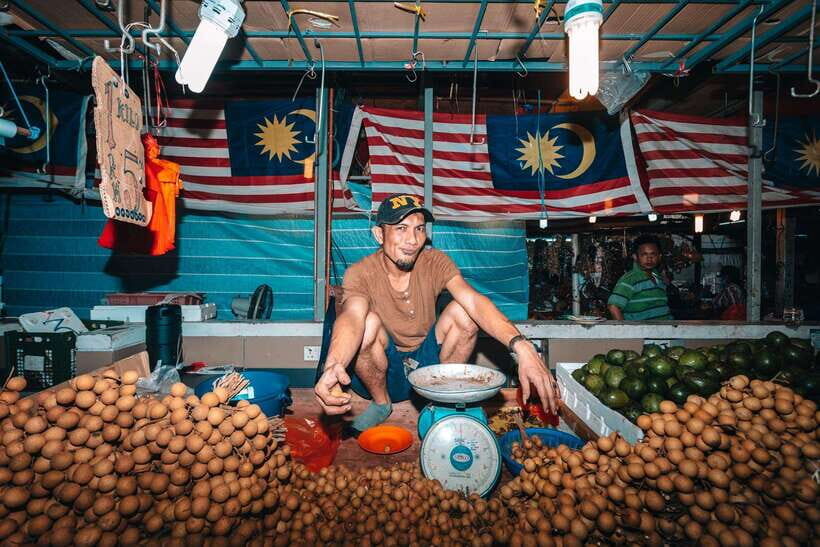
- 15+ tastings in 4 hours: you’ll eat a full meal’s worth without needing to plan dinner after
- Small group size (8 max): easier to keep moving and easier for your guide to steer the pace
- Kampung Baru focus: a more traditional neighborhood vibe, not just another food strip
- Market-and-street mix: see ingredients first, then taste dishes built from them
- Sambal everywhere, but controlled: your guide can adjust heat for different comfort levels
Meeting Point: Starting at Hilton Garden Inn South like a local
Your tour starts outside the Hilton Garden Inn South, at the corner of Jalan Raja Alang and Jalan Tuanku Abdul Rahman. It’s a simple meeting spot in a busy part of the city, which matters because you want an easy rendezvous before you start walking and eating.
I recommend arriving a few minutes early and wearing shoes you can stand in. This tour runs rain or shine, so bring an umbrella and rain gear even if the sky looks fine when you leave your hotel.
You can also read our reviews of more food & drink experiences in Kuala Lumpur


The Small-Group Advantage: Less waiting, more chewing
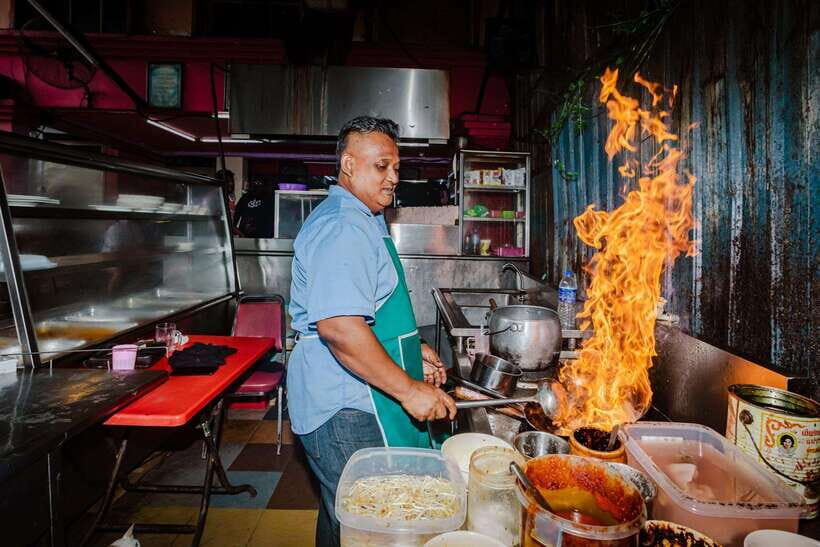
With a group capped at 8 people, the tour doesn’t feel like a cattle call. You’re more likely to get food served at the right moment instead of circling a stall while a big group waits for the next dish.
This also shows up in how guides handle real-time adjustments. Multiple guides in the feedback—Kiran, Nadia, Ian, Sam, Sean, and Jay come up often—are credited for listening to the group, modifying spice levels, and making sure everyone gets what fits their needs.
Chow Kit Market Walk: Seeing ingredients before you eat them
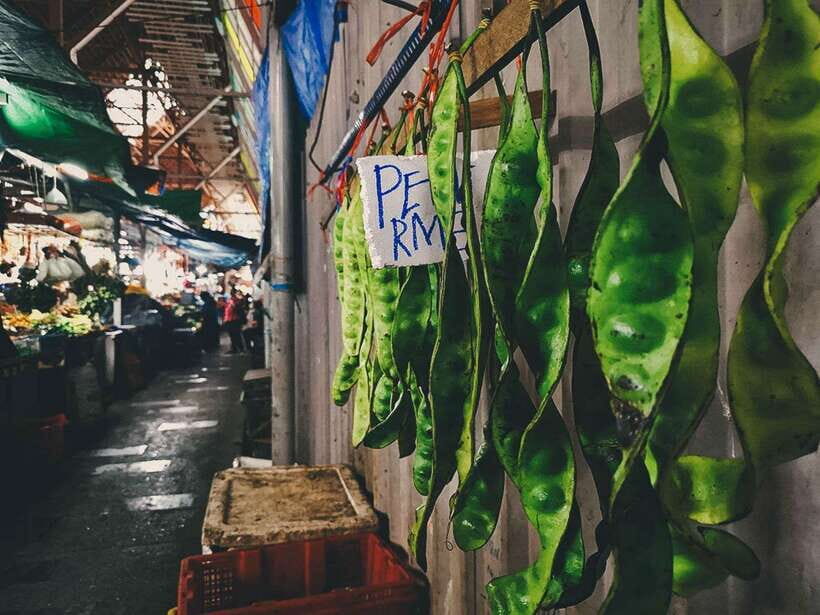
A big piece of the experience is the early market walk, where you get hands-on context for what goes into Malaysian food. Instead of just tasting, you learn what ingredients matter and why they’re used.
From the reviews, this market segment is where people notice the most “oh, that’s what that is” moments. You’ll get a bit of food-history talk as you walk, then the tastings start to make more sense—why sambal hits the way it does, how spices and aromatics pair with grilled items, and why certain textures show up again and again.
Practical tip: markets can be noisy and crowded. One reviewer mentioned missing parts of the guide’s explanations at times due to background noise and distance. If you’re the kind of person who wants every word, try to position yourself closer to the guide and keep your ears open early on.
Roti Canai and Curry Logic: Learning by watching the flip
One of the standout moments people call out is roti canai—including seeing how it’s made and, in at least some cases, watching the roti flipping process. That matters because roti canai isn’t only a tasty bread. It’s also a window into how street cooking works: fast, hands-on, and built for sharing.
You’ll also taste hand-stretched rotis with flavorful curries along the way. The pairing is where Malaysian food really clicks. The bread isn’t just a sidekick; it’s part of the mechanism that lets you scoop, balance, and experience the sauce and spices as the flavors mix in your mouth.
If you’re cautious about spice, tell your guide early. Reviews mention guides actively adapting choices for different heat comfort levels, including steering people toward safer options without killing the adventure for everyone else.
Sambal and Grilled Dishes: Where the heat actually has a job
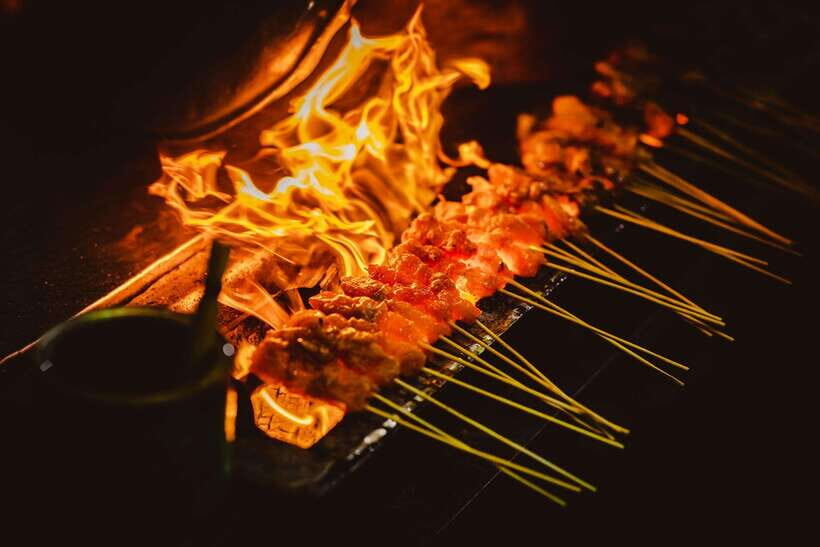
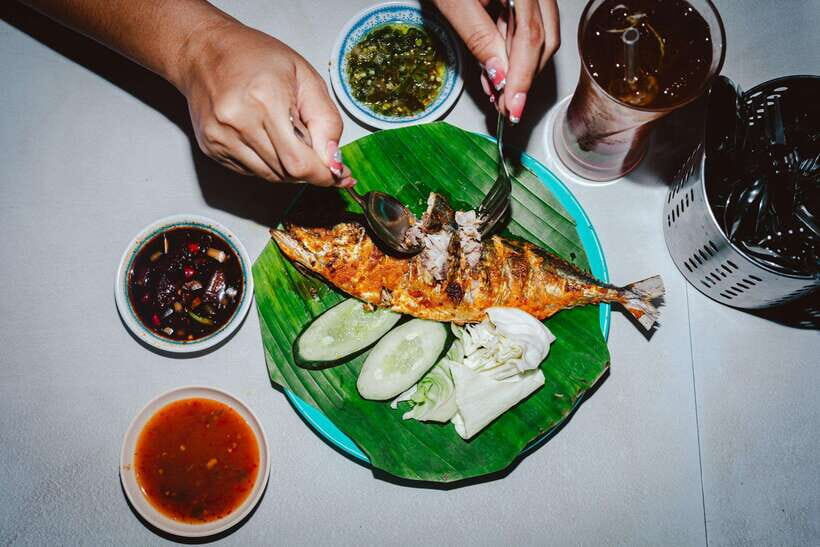
This tour is built around sambal-style flavor—bold, smoky, chili-forward, and usually balanced by salty, sour, or sweet elements. You can expect tastings that include dishes like banana-leaf grilled mackerel with sambal.
You’ll also see grilled influences through items like flame-grilled chicken skewers and peanut satay. Together, they show how Malaysian street food uses fat and spice in smart ways. Satay brings nutty richness that can smooth the edges of chili heat, while grilled fish or skewers give smoky depth that keeps sambal from becoming “just hot.”
A quick warning if you’re spice-shy: sambal is a core theme here. Your guide can adjust what you get, but you should still treat the tour as chili-inclusive. Plan to eat slowly at the first couple of stops so you can learn your personal pace.
A few more Kuala Lumpur tours and experiences worth a look


Malay Comfort Foods: Nasi Lemak, Rendang, and Classic Street Staples
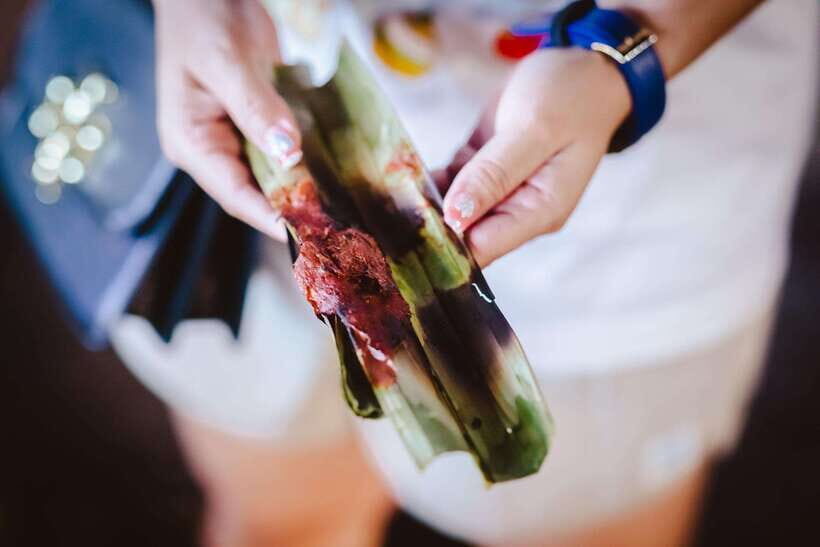
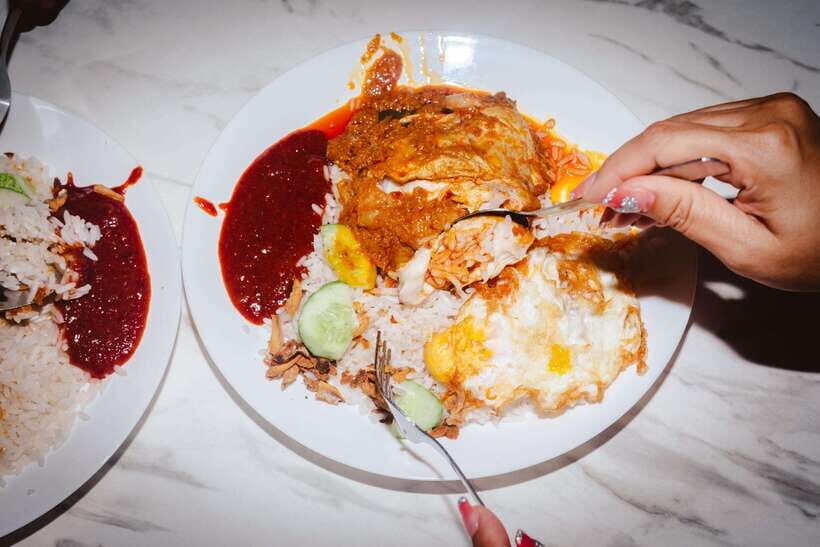
If you want a concentrated hit of Malay staples, this is where you’ll feel it. The tastings list includes nasi lemak, rendang, and other classics, plus items like satay and grilled chicken skewers.
What I like about mixing these well-known dishes with less-expected choices is that you get a baseline fast. Once you taste the classics, the “off-the-map” foods start to feel less random. They’re variations on ingredients and techniques you’re already recognizing.
Portion reality check: with 15+ tastings, you’re not getting tiny nibbles only. Even though they’re called tastings, the feedback repeatedly describes them as generous and voluminous. That’s great if you’re hungry. It’s less great if you arrive already full from lunch.
Cold and Sweet Finish: Cendol with Durian (and other street desserts)
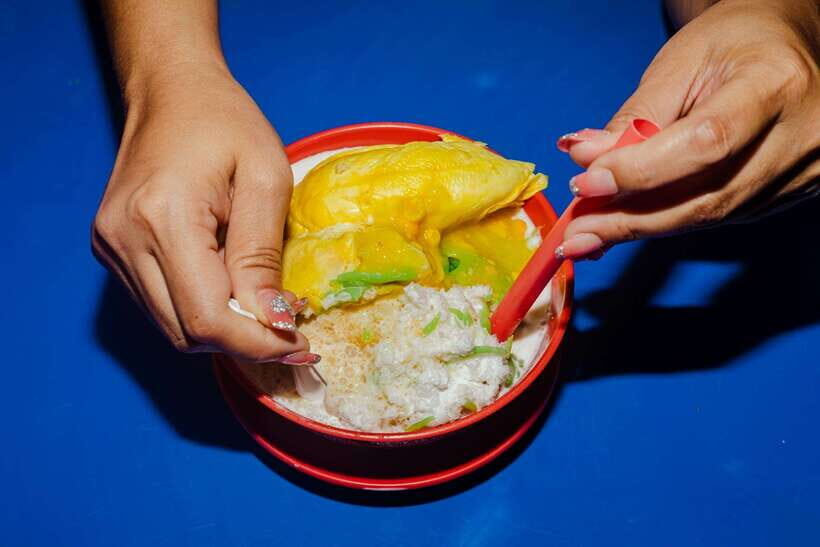
Not every KL food tour gives dessert real stage time. Here, people call out cooling treats like cendol with durian. It’s a polarizing combo in many countries, so the value of a guide matters: you’ll be able to make sense of the flavors and decide how brave you want to be.
You may also see other fruit-focused sweet items like mango shake mentioned in feedback. The overall point is that you’re not just eating savory. You’re finishing with Malaysian street desserts that balance the earlier heat and spice.
If durian is on your must-try list, this tour has the dish in its set of commonly mentioned tastings. If you don’t like durian, let your guide know before dessert choices happen. They can steer you.
Kampung Baru Night Market: One of KL’s older neighborhood vibes
One of the most repeated reasons people loved the tour is the neighborhood feel—specifically Kampung Baru. It’s often described as one of KL’s last traditional neighborhood areas, and the tour uses it as more than a photo stop.
The night market segment in Kampung Baru is where the experience feels like Kuala Lumpur at street level: small stalls, local rhythm, and a sense that this food is part of everyday life. One reviewer even said they returned to Kampung Baru afterward because they liked it so much.
This part is also a good reminder that the best food tours aren’t only about what’s on a menu. They’re about where you are while you eat—what’s around you and how locals actually move through the space.
Price and Value: Is $53 worth it in real eating terms?
At $53 per person for 4 hours with 15+ tastings and bottled water, the value is mostly about how many stops and how much food you get. You’re paying for logistics, route selection, and a guide who can match the group to what’s best at each stop.
A lot of food tours charge similarly but deliver fewer tastings or smaller portions. Here, people repeatedly describe the pace as relaxed enough that you can keep eating without feeling rushed, and the feedback also highlights that you’ll leave full.
That said, there’s a real consideration: some people felt they had too much food by the end and suggested cutting back on the number of dishes. If you know you get overwhelmed by heavy eating, tell your guide at the start that you want a slightly lighter pace. Even if the set of stops doesn’t change, your guide can help you pace your bites.
Dietary Needs and Spice Control: What you can plan for
This tour supports lactose intolerant diets and other diets if you inform the provider when booking. In the feedback, guides are specifically praised for caring about allergies and food needs, including handling mix-ups and arranging a fair replacement when something didn’t match.
Still, there’s a limit. The tour isn’t suitable for vegetarians or vegans, and it also may not work well for people with severe food allergies since there are few alternatives at the stops.
My practical advice: if you have dietary restrictions, mention them clearly during booking and again on the day. And go in assuming you’ll be eating mostly meat- and seafood-based street dishes unless your guide tells you otherwise.
What to Bring (and what to skip)
Bring comfortable shoes. You’ll walk between eating stops for four hours, and you’ll want traction and comfort, not just style.
Also bring:
- an umbrella
- rain gear
Skip alcohol and drugs. Alcoholic drinks aren’t included, and the activity doesn’t allow alcohol on tour.
If you’re a photo person, your hands will be busy eating. Keep your phone secured until you’re done with each bite, and don’t rely on one long shot at a stop before you order.
Should You Book This Sambal Street Food Tour?
If you like your travel days built around food that feels local, this is a strong choice. I’d book it if you want a guided path through Malaysian flavors, a small group pace, and a serious tasting count that makes $53 feel like more than a snack budget.
I’d skip it if you’re vegetarian or vegan, or if severe allergies make “few alternatives” a dealbreaker. Also, if you’re someone who prefers lighter meals, you might find the total volume too much.
But if you’re game for sambal, want to see a more traditional neighborhood like Kampung Baru, and you enjoy learning while you eat, this is the kind of KL experience that leaves you with both full belly and useful food sense for the rest of your trip.
FAQ
How long is the Kuala Lumpur sambal street food tour?
It lasts 4 hours.
How many tastings are included?
You’ll get 15+ tastings, plus bottled water.
What is the price per person?
The price is $53 per person.
Where do I meet the guide?
Meet your guide outside the entrance of the Hilton Garden Inn South, on the corner of Jalan Raja Alang and Jalan Tuanku Abdul Rahman.
Is this a small-group tour?
Yes. It’s limited to 8 participants.
Is it suitable for vegetarians or vegans?
No. It isn’t suitable for vegetarians or vegans, since there are few alternatives at the stops.
What dietary options are available?
Lactose intolerance and other diets are supported, but you must inform the activity provider of your dietary needs when booking.
Does the tour run in bad weather?
Yes. It departs rain or shine.
Can I cancel for a refund, and can I pay later?
You can cancel up to 24 hours in advance for a full refund, and you can reserve now and pay later.
You Might Also Enjoy




More Food & Drink Experiences in Kuala Lumpur
More Tours in Kuala Lumpur
- Private Tour Kuala Lumpur with Petronas Twin Towers Observation Deck & Batu Cave
★ 5.0 · 1,029 reviews