REVIEW · SANDAKAN
Sandakan: 3D2N The Wild Heart of Borneo River Secrets
Book on GetYourGuide →Operated by Wadi Rum Fire Camp · Bookable on GetYourGuide
Kinabatangan at dusk rewires your brain. This 3D2N Sabah river safari runs on the rainforest’s own clock: open-top boat time in the evening and morning, plus a night-in-the-jungle feeling when the dark changes the soundscape. I love the way the four river cruises stack your chances for proboscis monkeys, hornbills, and even pygmy elephants, not just one long streak of luck.
The other reason I like this trip is the human touch. You travel in a small group (up to 13) with English and Malay support, and guides like Harry and Ryan are the kind of people who keep scanning until something shows. The one drawback to plan for: deluxe rooms depend on availability, and if that level is full you may end up in a homestay or guesthouse instead of the main lodge.
In This Review
- Key things that make this Kinabatangan safari tick
- Kinabatangan in Sabah: why this part of Borneo works
- Getting from Sandakan to the river lodge (and why timing matters)
- Lodge life on the Kinabatangan: comfort, A/C, and the room reality
- The first boat outing: electric quiet, tea-colored water, and canopy checks
- Dawn mist cruises: birdlife, hornbills, and the sound of early jungle
- Lunch breaks that actually reset you
- Jungle walk time: understory details, orangutan nests, and safety limits
- Golden hour and fluvial sunsets: monkeys, foraging, and orangutan odds
- Final day at daybreak: the last “missed it” search
- Wildlife expectations: what you can count on vs what you can’t
- Food, pace, and what it feels like to do this for real
- Sustainable tourism in a working rainforest zone
- Price and value: what $316 buys you (and what you should double-check)
- Who this tour fits best in Sabah
- Should you book this Kinabatangan river safari from Sandakan?
- FAQ
- How long is the Sandakan 3D2N Kinabatangan safari?
- What’s included in the price?
- Where do pickups happen?
- How big is the group?
- Are wildlife sightings guaranteed?
- What should I bring for the jungle and river?
- Does the tour run in rain?
Key things that make this Kinabatangan safari tick
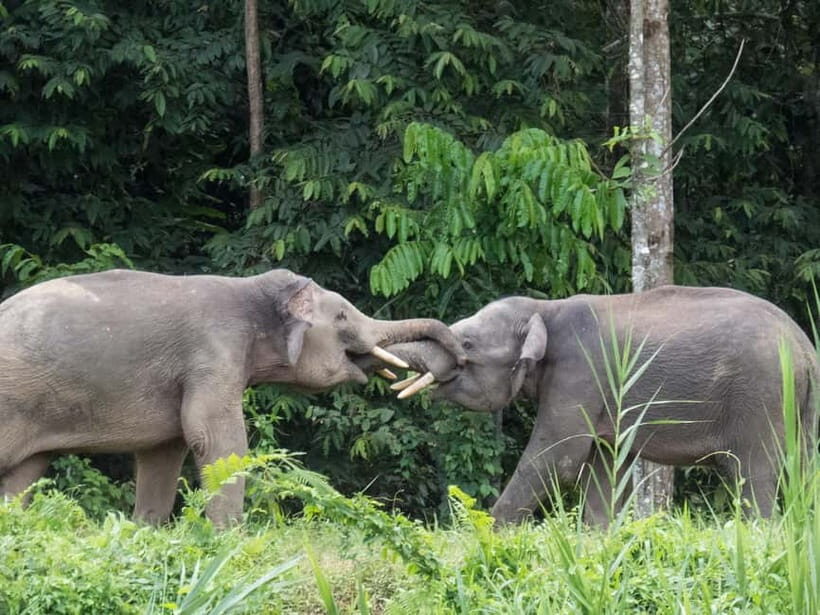
- Four wildlife-focused river cruises on the Kinabatangan/Sukau system, spread across morning, afternoon, and daybreak
- Dawn and mist time for birds and that first wave of animal activity
- Night feel on the water with calm electric-motor boat rides
- A jungle walk that may be adjusted for weather and safety, not just on a fixed schedule
- Lodge comfort with practical basics like A/C and private bathrooms, though room type can vary
Kinabatangan in Sabah: why this part of Borneo works
The Kinabatangan is famous for a simple reason: when a river runs through rainforest, animals use it like a highway. Even if you do not get every headline species, you still tend to get constant movement—monkeys calling, birds cutting across the sky, and the occasional flash of something bigger near the bank.
What I like about this trip is that it does not treat wildlife as a single event. Instead, it gives you multiple chances across the day: morning for birds and mammals, afternoon for foraging activity, and early morning for fresh sightings. That pattern matters because animal behavior changes fast with temperature, light, and noise.
You are also in a rainforest zone where you can learn real jungle details, not just hold your camera up and hope. Guides point out nests and plant uses, and the river itself feels alive even when you are not actively searching.
A few more Sandakan tours and experiences worth a look

Getting from Sandakan to the river lodge (and why timing matters)
Most days start with a 2–3 hour drive from Sandakan through towns and oil-palm country before the forest takes over. That transition is more than scenery. It helps you mentally switch from city pace to field pace, where you stop asking when the “main moment” will happen and start paying attention to everything in between.
Pickup is coach-based from Wisma Khoo, Sandakan airport, or the Sepilok area (you need to provide your hotel name if relevant). It’s a shared pickup, so you may wait a bit depending on traffic and how the group is assembled. Return can be flexible too, based on where the shared tour is set to end.
Why you should care: if you are the type who hates uncertainty, shared timing can feel annoying. If you can roll with it, the payoff is that you avoid extra logistics and you arrive at the lodge ready to go straight into boat time.
Lodge life on the Kinabatangan: comfort, A/C, and the room reality
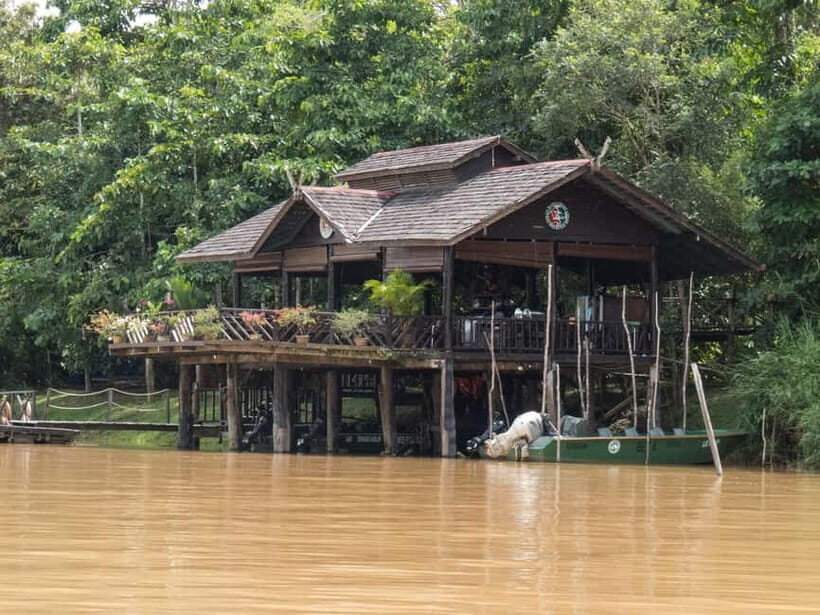
Your base is a riverside lodge or lodge-area accommodation with air-conditioning and a private bathroom with hot and cold shower. That matters more than people expect. Field time is active, it’s humid, and a real shower makes the next wildlife session feel easier.
Still, there’s an important catch: deluxe rooms are not guaranteed. The accommodation level depends on availability, and if the deluxe room is not available you may be placed in a homestay. One downside reported during real trips was that this can feel like paying lodge-level money for a simpler setup.
My practical advice: if you care deeply about room type, book early and be ready to accept that “subject to availability” can be real. If you can stay flexible, the core experience remains strong because the river cruises and guide-led wildlife time do most of the work.
The first boat outing: electric quiet, tea-colored water, and canopy checks
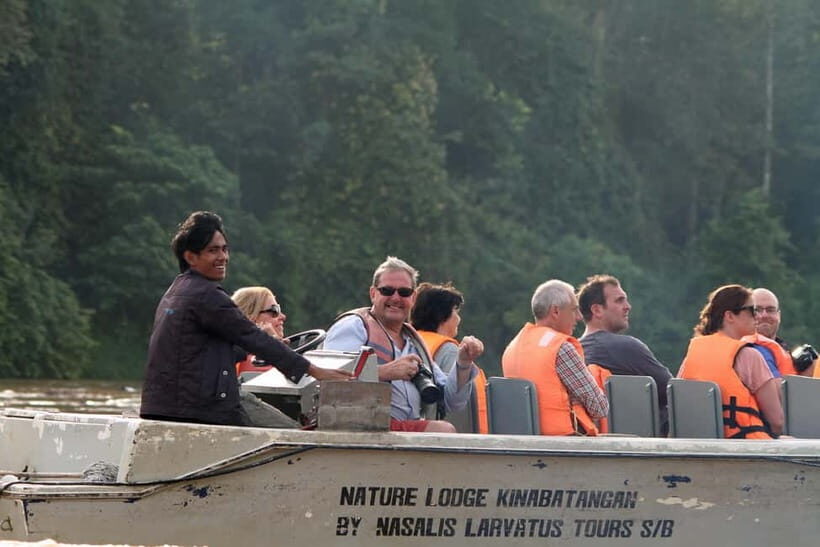
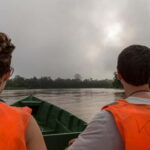
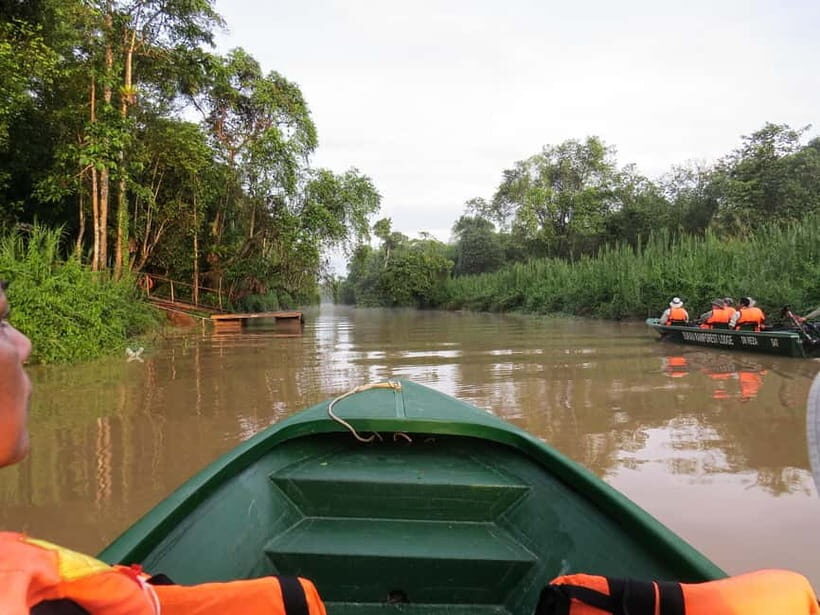
On day one, you typically settle in at the riverbank lodge, then head out on a small open-top boat. The boat runs with a quiet electric motor, which changes the whole feel. You get less vibration and noise, so your ears can catch calls and wingbeats you’d miss on noisier rides.
As the afternoon sun hits the water, your guide checks the canopy and river edges for wildlife. This is not random driving. Good spotting is about angles—where branches frame movement and where animal paths funnel toward the water.
What you might spot varies with conditions, but expect bird activity to kick in early and often. Even when big animals are quiet, the river supports constant small-life motion, from birds to reptiles near the bank.
After the boat time, you return for dinner and overnight, so you are not scrambling between locations all day. That pacing is one of the reasons this works well for first-timers to Borneo.
Dawn mist cruises: birdlife, hornbills, and the sound of early jungle
Morning is where this safari often feels like a different world. You cruise with mist and cooler air, and the river tends to wake up in layers: first birds, then mammals, then everything else that moves when it gets light.
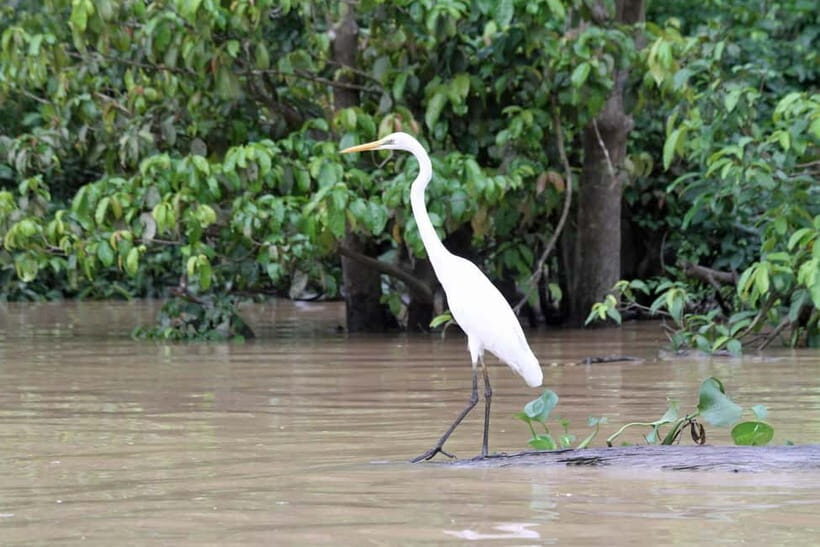
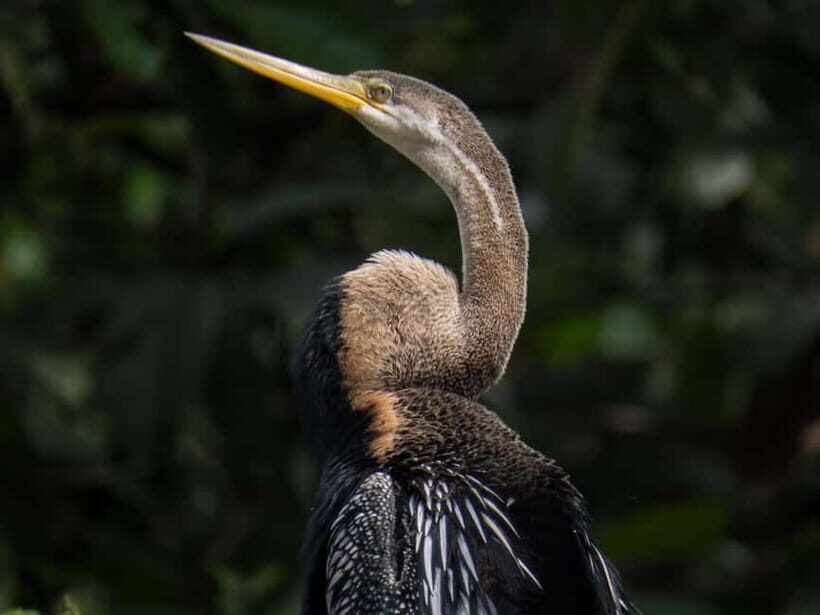
A few species specifically called out on this kind of route include rhinoceros hornbills (big flight silhouettes with loud wingbeats), plus kingfishers and other regulars along the banks. In some outings, storm storks were also mentioned, which tells you the bird list can be more than small tropical color.
This is also the time when a skilled guide really shows their value. Spotting in rainforest is not only seeing. It’s noticing what you usually ignore: a branch shape that looks wrong, a movement that repeats, a call you learn to match to a bird’s usual path.
Bring patience for the slower moments. Wildlife sightings are not a factory line. But dawn often offers the best “bang for your morning effort.”


Lunch breaks that actually reset you
Between cruises, you get breakfast and then later lunch before the day shifts again. Those meal breaks matter because they keep you from burning energy too fast.
This tour includes 2 breakfasts, 2 dinners, and 1 lunch, with the lodge doing the cooking. You can use the downtime to dry gear, apply insect repellent again, and charge your phone/camera battery. In hot rainforest settings, that small practical rhythm keeps you comfortable enough to enjoy the next session.
If rain moves in (and it can), you’ll still keep moving. The schedule is allowed to adjust based on weather and river conditions, but you are not sitting around all day with nothing to do.
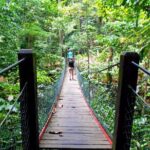
Jungle walk time: understory details, orangutan nests, and safety limits
At some point, you’ll switch from boat to boots for a guided jungle walk. This is one of the parts I would not skip, because it’s where you stop treating the rainforest like a backdrop.
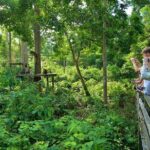
Your guide may point out orangutan nests—woven platforms high in the canopy—and you’ll likely see other signs like wild boar indicators and strangler fig structures. You might also learn about medicinal plants, and you’ll hear macaques’ warning calls, which is a strong reminder that you are walking through an active communication network.
Important reality check: the jungle walk depends on weather and safety conditions, including dangerous wildlife risk. So if the walk is shortened or swapped due to conditions, it’s not a failure. It’s how you stay safe in a place where the animals are wild and the environment changes fast.
What to bring for this portion is straightforward: shoes or footwear you trust on muddy trails, long sleeves if you tolerate them, and insect repellent you reapply without thinking.
Golden hour and fluvial sunsets: monkeys, foraging, and orangutan odds
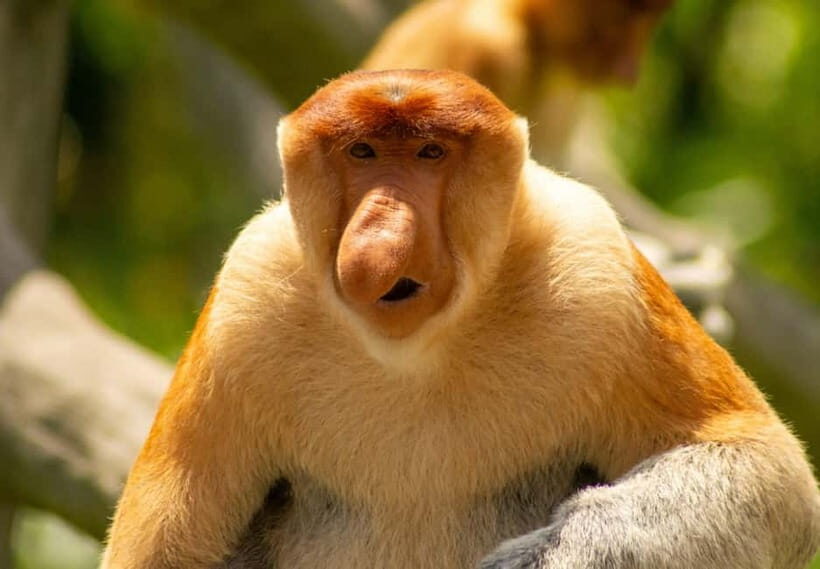
Another boat session comes later in the day, in golden light. This is often when you see more animal “work” up close—monkeys moving through branches, foraging behavior that looks almost routine, and the river doing that fluvial sunset thing that makes you forget you’re in a rainforest survival situation.
Orangutans are endangered, so sightings are never guaranteed. Still, this time of day is when the chance exists, and your guide will scan for signs of movement that don’t match bird behavior or monkey patterns. Even if you don’t see an orangutan clearly, you might still spot a nest area or hear calls that suggest nearby activity.
One practical trick for your mindset: decide ahead of time whether you’ll enjoy the session even without a headline species. The best wildlife trips feel rewarding because you notice smaller moments too—like a slow moving primate, an unusual bird flight, or a reptile sunning itself at the edge of the bank.
Final day at daybreak: the last “missed it” search
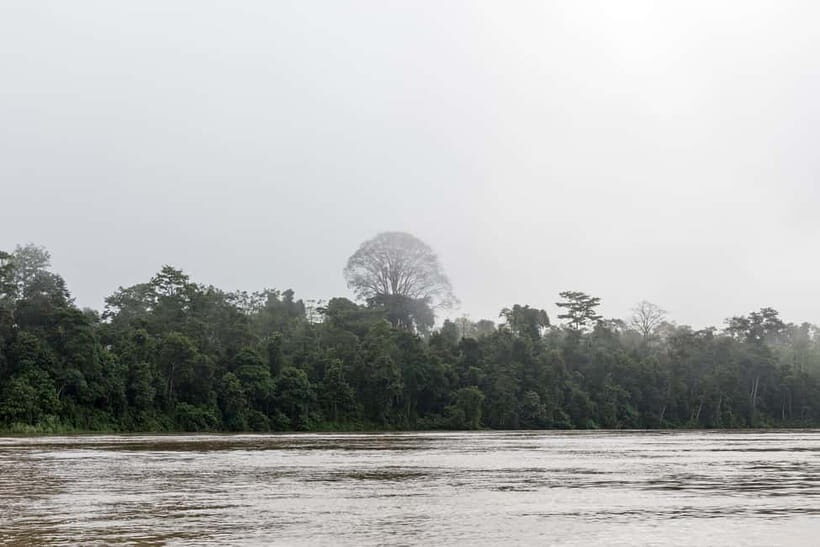
Day three usually brings a last safari in early morning. This is often emotionally satisfying because the jungle feels familiar now—your eyes start to catch patterns without you forcing it.
Guides typically keep looking for what might have been missed: birds that call but did not show well earlier, monitor lizards, otters, or other river-edge life. A crested serpent eagle call can cut through the air like a signal flag, and when you finally see it after hearing it, the memory sticks.
Even when sightings are modest, this final morning has value because you’re leaving with a stronger “field language” for what you saw earlier. You understand why animals move where they do, and you can connect calls and behavior to specific river zones.
Then it’s back to breakfast, a goodbye to the lodge and guides, and the return to Sandakan.
Wildlife expectations: what you can count on vs what you can’t
This safari gives you odds, not guarantees. Wildlife sightings are affected by weather, river conditions, and animal behavior, and the tour runs in rain and shine with itinerary adjustments when needed.
That said, species mentioned across real outings include:
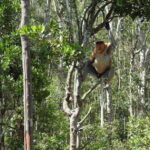
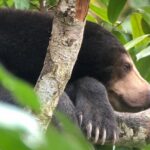
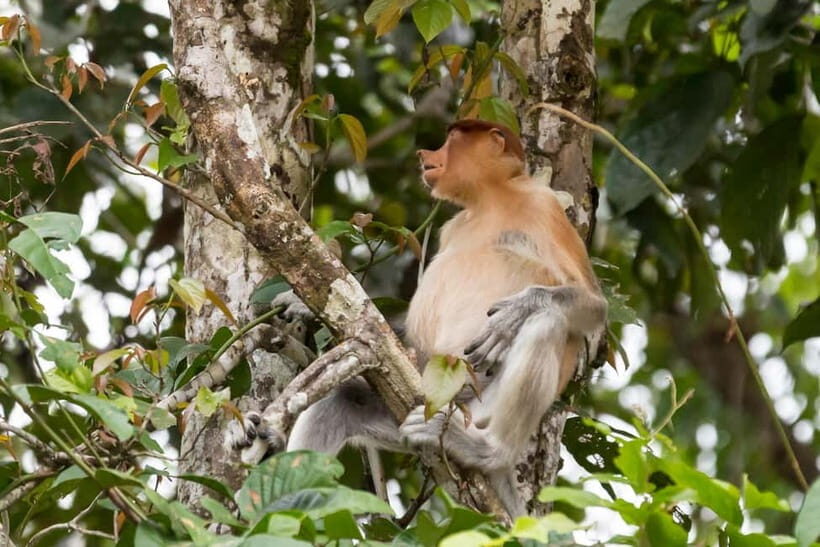
- proboscis monkeys, langurs, and macaques
- rhinoceros hornbills and other birds along the banks
- crocodiles, small snakes, and lots of spiders (the rainforest is not polite)
- slow loris sightings on some trips
- orangutans possible, including cases where orangutans were distant or not seen due to rain
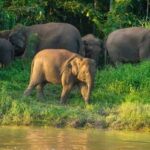
- elephants are possible, and there were stories of elephants coming near or even to the lodge area
If you are chasing one specific species, treat it like a bonus. If you are open to birds, primates, reptiles, and the sheer density of life, this tour tends to feel worth it.
Food, pace, and what it feels like to do this for real
The structure is simple: boat time, meals, boat/boot time, dinner, repeat. You’ll have enough downtime to recover, and you avoid the all-day bus-and-ferry routine that can drain your attention.
Food-wise, you get multiple included meals, which lowers stress during a trip where you’re also managing heat and insects. Some trips reported food that was better than expected, and that’s believable: when meals are planned around your activity schedule, you tend to eat at the right times with fewer delays.
You do need to think about personal pace. After a day of sun, humidity, and scanning tree lines, you might want less talking and more quiet after dinner. That’s normal. The best way to enjoy this setting is to let the jungle become the soundtrack of your trip.
Sustainable tourism in a working rainforest zone
A big theme here is real wilderness and responsible tourism. The experience is built around visiting places tied to rainforest conservation and protected areas, with park fees included and a guide who knows how to work in a sensitive habitat.
You’re not doing a theme-park version of Borneo. You’re doing the real thing: river travel through habitat, wildlife viewing with distance and respect, and learning from people who have to manage both safety and environmental impact.
That’s part of the value. You leave with more than photos. You leave with a sense of how living systems work when humans stay quiet and pay attention.
Price and value: what $316 buys you (and what you should double-check)
At $316 per person for 3 days and 2 nights, you’re paying for a package that includes:
- pickup and drop-off on a coach basis
- 4 river cruise activities with wildlife exploration
- 2 nights of accommodation with A/C and private bathrooms (room type varies by availability)
- included meals: 2 breakfasts, 2 dinners, and 1 lunch
- Sukau and Kinabatangan national park fees, plus life jacket
- English and Malay speaking guide and an instructor
- one jungle walk (weather and safety dependent)
The value logic is straightforward: you are not just buying a day trip. You’re buying multiple wildlife sessions plus transport plus lodging. That combination usually costs more if you piece it together yourself with separate bookings.
The main “value risk” is not the wildlife. It’s the accommodation level. Because deluxe rooms are subject to availability, you should mentally reserve part of your budget decision for that possibility. If you can treat the lodge as a base rather than the main attraction, the overall value stays strong.
Who this tour fits best in Sabah
This safari fits you if:
- you want real rainforest wildlife time rather than quick sightseeing
- you like guided learning, not just passive observation
- you can handle humid weather and insect exposure
- you want a small group experience that keeps the boat and walk sessions manageable
It’s also a good fit for first-timers to Borneo because the guidance is active. A strong guide reduces the frustration of “I saw nothing” days by teaching you where to look and what to listen for.
If you are extremely sensitive to accommodation changes, bring flexibility. If your trip revolves around comfort details only, you may end up disappointed when deluxe-level rooms aren’t available.
Should you book this Kinabatangan river safari from Sandakan?
I’d book it if your top goal is wildlife viewing over perfection. The combination of multiple river cruises, dawn timing, and a guide-led jungle walk gives you a structure that makes sightings more likely than one-off excursions. You also get lodge comfort basics like A/C and private hot-water showers, which keeps the experience human after long boat hours.
Skip—or book with extra caution—if your definition of value depends entirely on a specific deluxe room category. Because deluxe rooms can switch to homestay or guesthouse setups, this is the one area where you should align your expectations.
If you want a trip where the jungle feels close, the birds feel loud, and the river keeps delivering new moments, this is a strong choice for Sabah.
FAQ
How long is the Sandakan 3D2N Kinabatangan safari?
It’s a 3-day trip with 2 nights of accommodation.
What’s included in the price?
The package includes pickup and drop-off (coach basis), 4 river cruise activities, 2 nights in a private twin-sharing setup, A/C, a private bathroom with hot and cold shower, included meals (2 breakfasts, 2 dinners, and 1 lunch), national park fees for Sukau and Kinabatangan, a life jacket, and an English/Malay speaking guide plus an instructor.
Where do pickups happen?
Pickup is available from Wisma Khoo, Sandakan airport, or the Sepilok area (you need to share your hotel name if you’re in the Sepilok area). Return location can be flexible and based on the shared tour start.
How big is the group?
It’s a small group limited to 13 participants.
Are wildlife sightings guaranteed?
No. Wildlife sightings are not guaranteed, since this is a wildlife park and animals may not appear due to conditions.
What should I bring for the jungle and river?
Bring your passport, sunscreen, insect repellent, cash, and weather-appropriate clothing. A raincoat or poncho is recommended.
Does the tour run in rain?
Yes. The tour runs in rain and shine, and the itinerary may be modified based on weather and river conditions.