REVIEW · KUAH
Small Group, Big Heart: Kilim Karst Mangrove Kayak Adventure
Book on GetYourGuide →Operated by Langkawi Wild Buddy Enterprise · Bookable on GetYourGuide
Quiet paddles reveal wild Langkawi. This Kilim Karst mangrove kayak tour turns a calm water ride into real-life nature watching, and I especially like that you use small, quiet kayaks to stay respectful around animals. I also like the built-in visit to the Bat Cave, so the trip feels like more than just scenery. One thing to think about: the cave stop isn’t a good match if you get uncomfortable in tight or enclosed spaces.
You meet at the main entrance by the green table food court area, then you’re off via a short speedboat ride to the mangrove waters. That flow is simple, but it does mean you should plan your own way to the meeting point and come ready (hat, insect repellent, and comfortable clothes). And if you have breathing or mobility concerns, it’s smart to check the tour’s “not suitable” list first.
In the best cases, the group can feel close to private. Guides like Qin are known for clear explanations and an upbeat, hands-on style, including guiding you right to the meeting spot. With a max of 6 people per tour, you get room to ask questions and actually notice what’s going on around you.
In This Review
- Key things worth knowing before you go
- Mangroves and limestone: the Kilim Karst setting that makes the tour work
- Meeting at the green table entrance and getting to the water fast
- Kayaking 101 in the mangroves: calm water, close wildlife, smart behavior
- The floating hub lunch: a break that fits the day
- The Bat Cave boat ride: limestone, formations, and bats in their role
- How small-group limits and eco rules protect the wildlife you came for
- Price and value: what $69 buys you in real terms
- Who this tour suits best (and who should skip it)
- Final call: should you book the Kilim Karst mangrove kayak and Bat Cave tour?
- FAQ
- How long is the Kilim Karst mangrove kayak adventure?
- What group size should I expect?
- Where do I meet the guide?
- How does transportation work during the tour?
- What’s included in the price?
- Is lunch included, and what do you eat?
- What should I bring to be comfortable?
- Is the bat cave part included?
- Who should not take this tour?
Key things worth knowing before you go
- Small group cap (6 pax) keeps the experience calmer for wildlife and easier for you to manage
- Quiet kayaks help you get close to mangrove life without blasting through it
- Wildlife spotting focus (macaques, dusky leaf monkeys, eagles, kites) makes the trip feel guided, not random
- Floating hub lunch (fried rice, chicken or veggie) is timed so you’re not rushed
- Bat Cave visit adds a second ecosystem, with insects-eating bats in their limestone home
- Eco rules are strict (no feeding, no touching animals/plants), which is good news for your impact
Mangroves and limestone: the Kilim Karst setting that makes the tour work
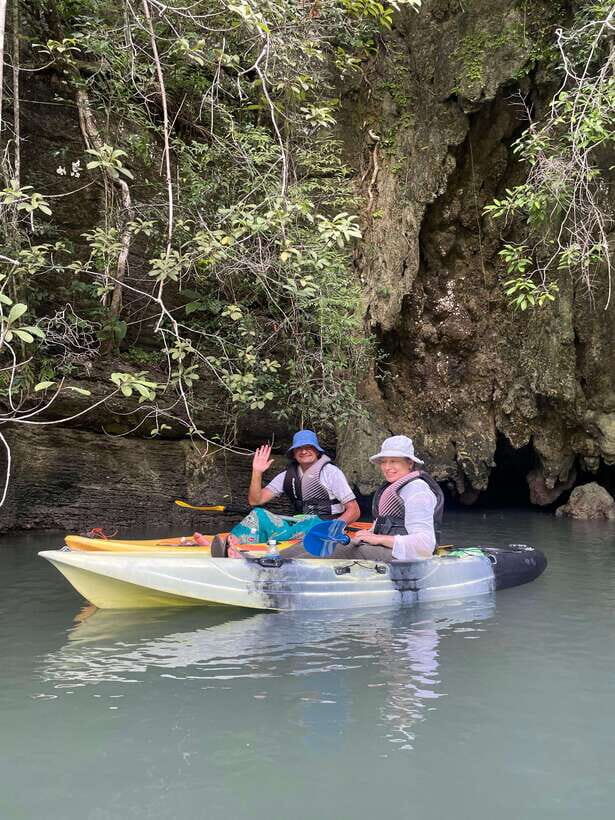
Kilim Karst Geoforest Park is the kind of place where nature feels layered. You’re not just looking at trees. You’re moving through a whole system: mangroves that shelter wildlife, limestone cliffs that shape the waterways, and caves that matter to the local food chain.
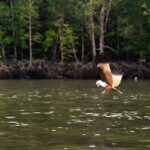
That’s why the kayak part matters. Mangroves can look similar until you slow down and start watching edges—where roots dip into the water, where birds perch, and where animals decide whether you’re interesting or invisible. A guided setup helps you spot what you’d otherwise miss, like long-tailed macaques moving through the canopy, or birds of prey that aren’t always obvious until you catch them circling.
Then the tour changes gears. The bat cave stop shifts you from mangrove “above water” life to cave “below rock” life. You get to see how insect-eating bats fit into the ecosystem, not just as a spooky photo op.
A few more Kuah tours and experiences worth a look
Meeting at the green table entrance and getting to the water fast
Your day starts at the main entrance at the green table food court area. From there, it’s a walk to the jetty and then a short speedboat ride (about 5 minutes) before you reach the mangrove area.
A quick ride like this has a practical benefit: you lose less time sitting around and more time on the water. The tour also uses a “floating hub” setup. You travel to a floating fish farm hub where kayaks are stored, which keeps the transition smooth.
If you’re the type who hates being cold, rushing in the heat, or scrambling for gear, do yourself a favor: arrive with the basics already ready. Bring a hat, water, and insect repellent. You’ll be happier if you don’t spend the first 10 minutes fixing what you forgot.
Kayaking 101 in the mangroves: calm water, close wildlife, smart behavior
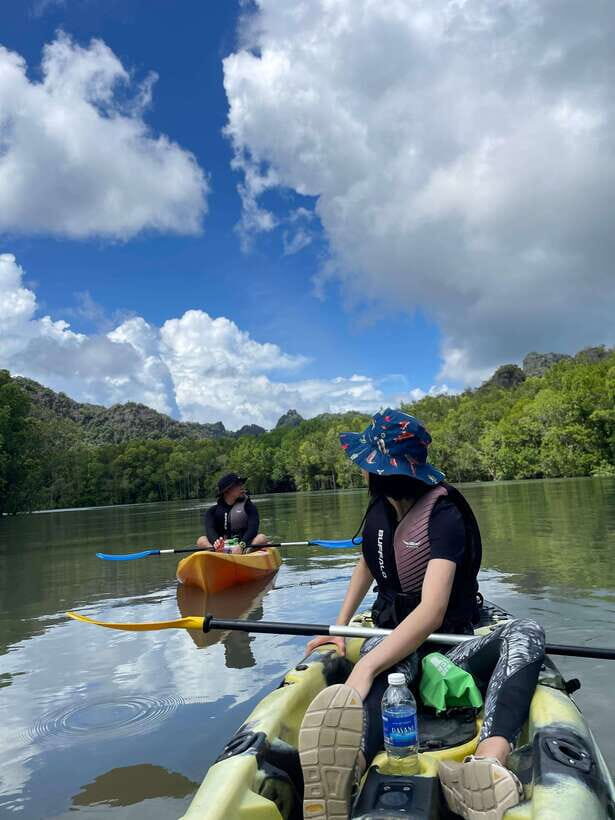
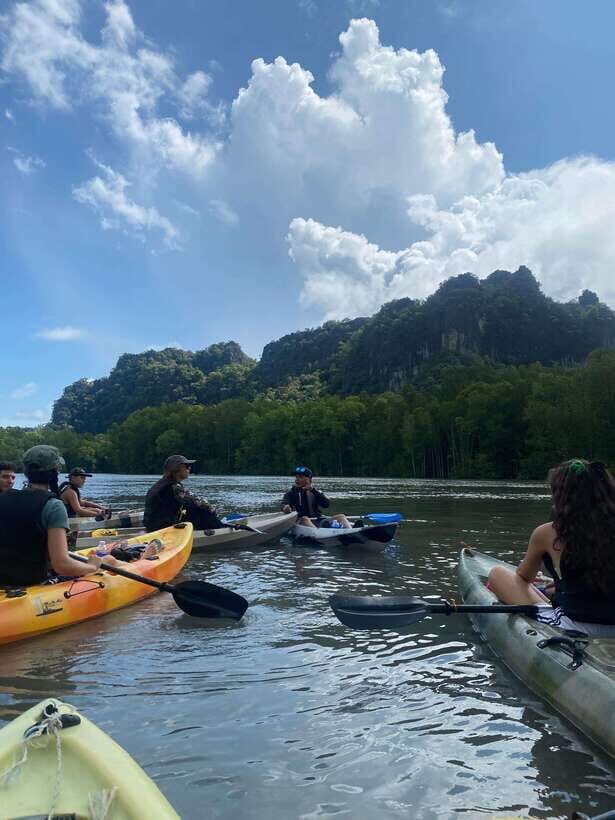
The kayaking time is the core of the experience, with around 3.5 hours in the Kilim Geoforest Park area including kayaking, sightseeing, lunch, and safety briefing.
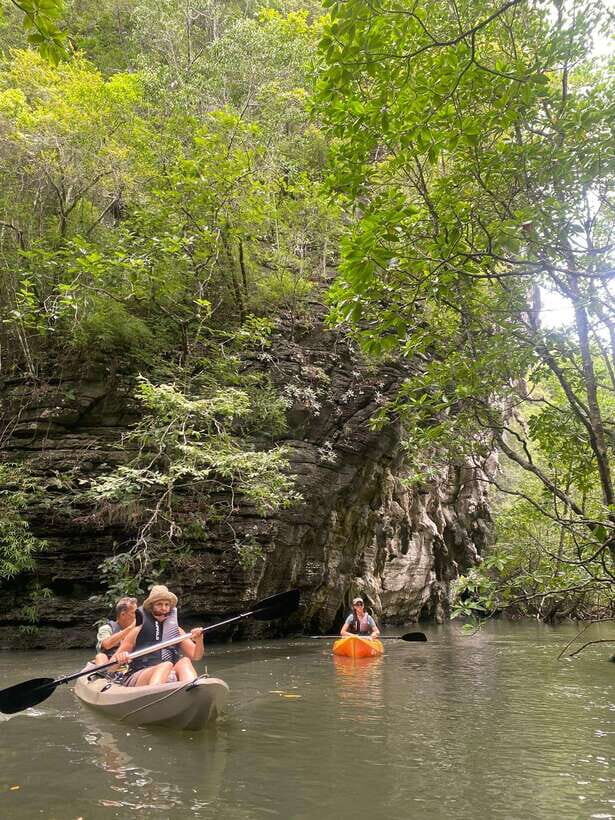
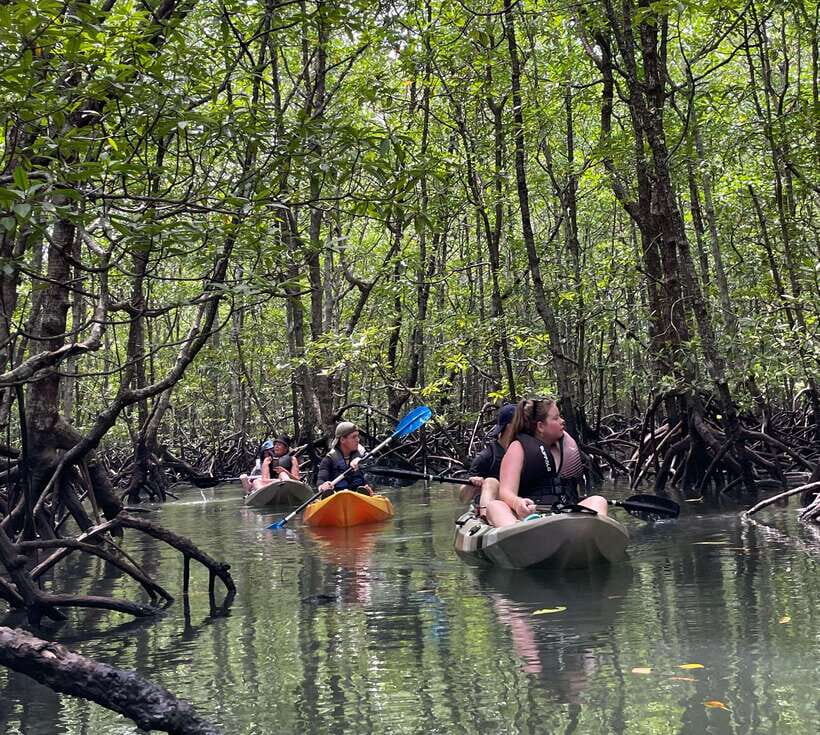
Your guide gives you the safety briefing first, then you paddle through calm mangrove waters in small, quiet kayaks. These kayaks are meant to reduce disturbance—so you can watch wildlife without pushing it into defense mode.
Here’s what you can look for, based on what your guide will point out:
- Long-tailed macaques that move along nearby trees and edges
- Dusky leaf monkeys, which can be shy and easier to notice when you pause
- Birds including eagles and kites, where the trick is watching stillness and scanning the air
The mangroves also train your senses. You’ll start noticing small sounds: wings shifting, branches tapping, water movement changing under the roots. And you’ll learn why the rules are strict. If you feed animals or reach out to touch plants and wildlife, you change their behavior fast—often for the worse.
One practical tip: treat your body like part of the wildlife observation. Keep noise down, move slowly, and don’t try to out-stare a monkey. You’ll get more interesting moments that way.
The floating hub lunch: a break that fits the day
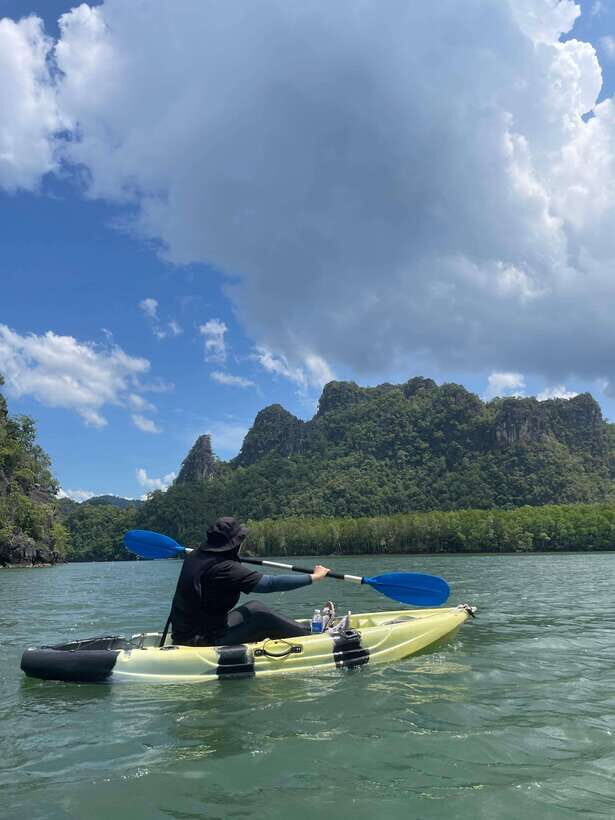
After kayaking, you relax at the floating hub for lunch. It’s not a huge buffet-style affair. You get fried rice—chicken or veggie—plus bottled water, and you get a chance to reset before the next boat ride.
This matters more than it sounds. Kayaking in tropical heat can be surprisingly tiring, even if the water is calm. A scheduled meal prevents the classic “we’ll eat later” problem that turns a nice outing into a cranky endurance test.
Food quality is simple here, but the real value is timing and setting. You’re still in the mangrove zone, with the water and surrounding scenery nearby, so you’re not dragged into a totally different environment for lunch.
The Bat Cave boat ride: limestone, formations, and bats in their role
After lunch, you take a boat to the Bat Cave. This isn’t described as a party stop. It’s framed as a natural visit to a limestone cave that houses insect-eating bats.
The key takeaway: you’re learning about why they matter. Insect-eating bats help control insect populations, and caves like this function as living habitat, not just a tourist attraction. The tour also includes time to explore the cave’s unique rock formations, which gives you a different kind of “wow” from the mangroves.
A note on comfort: this is the most likely point where you might feel out of place. If you have claustrophobia, cave conditions may be a dealbreaker for you. The tour also lists other health considerations, so if you’re unsure, it’s worth checking how your body typically handles enclosed spaces and humidity.
If you do fine in caves, this stop is where the trip earns its full story. You start with mangroves, then you end with bats—two parts of the same ecosystem puzzle.
How small-group limits and eco rules protect the wildlife you came for
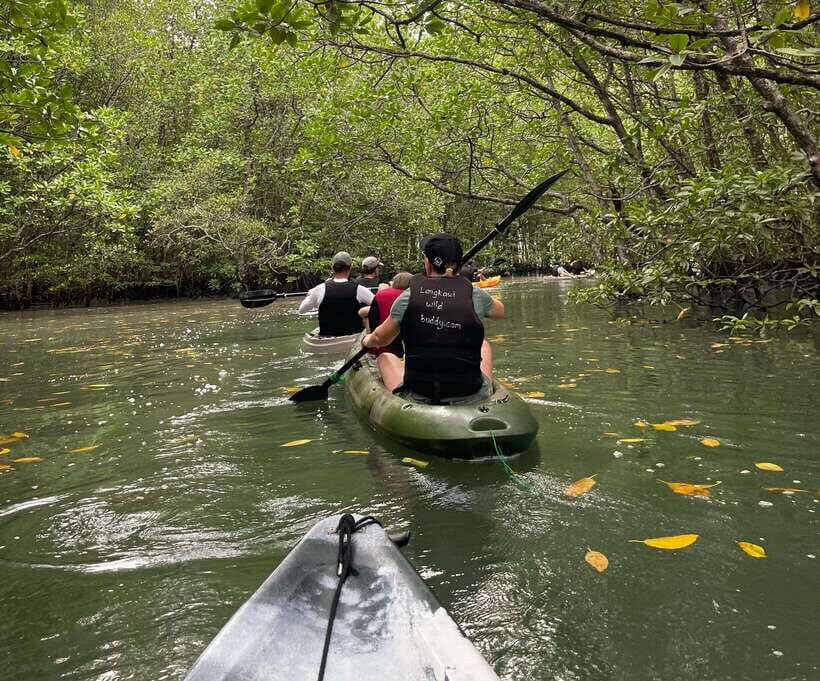
This tour caps at 6 participants per tour, and that limit isn’t just for convenience. It reduces disturbance. Fewer kayakers and fewer people near animals means less pressure on wildlife behavior.
You’ll also feel the eco approach in the rules. The tour does not allow things like:
- feeding animals
- touching animals
- touching plants
- littering
It also bans certain items like jewelry and alcohol/drugs, and it restricts clothing choices (no jeans, no high-heeled shoes). These rules make sense in a wildlife environment. They keep people from snagging gear, scattering food smells, or accidentally damaging plants.
The “small group + strict behavior” combo is one of the most praised parts of the experience. It’s the difference between a photo hunt and a real nature trip where the animals keep being animals.
Price and value: what $69 buys you in real terms
At about $69 per person for a 4-hour outing, the value mostly comes from what’s included and how tightly the experience is built.
Included:
- kayaking gear
- dry bag
- secure storage
- guide
- boat transport
- lunch
- bottled water
Not included (so plan ahead):
- pickup/transfer from your hotel
- sunscreen, towel
- toilet fee
- extra food/drinks
When you price it out, the lunch and transport help offset costs. The guide also plays a major role. In mangroves, your “worth it” moment depends heavily on spotting wildlife and understanding what you’re seeing. A good guide turns the water ride into a learning experience.
One reason I like this value setup: it’s not padded with extra stops you don’t need. You’re in the park doing the main things—kayak, wildlife watch, and cave visit.
Who this tour suits best (and who should skip it)
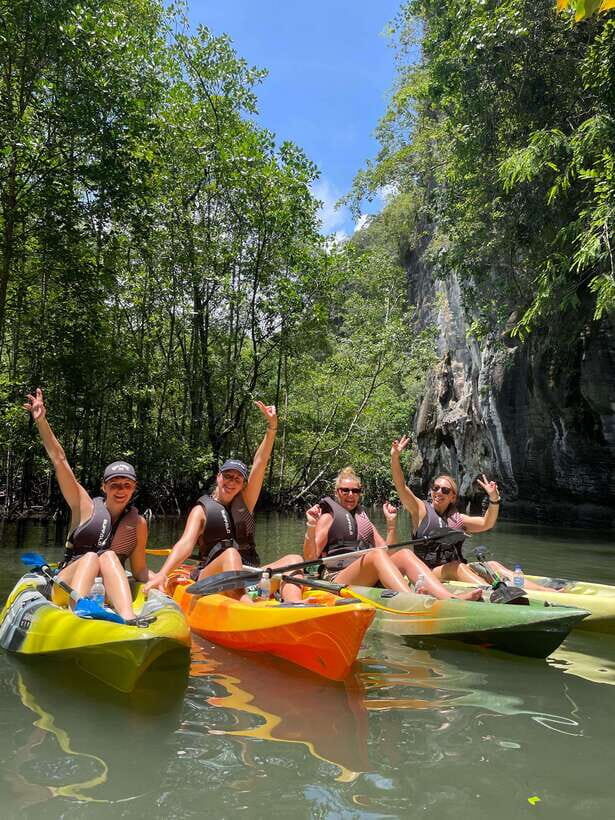
This adventure fits you best if you want nature time without a big crowd and you’re comfortable doing a mix of kayaking and short boat rides.
It’s likely a good match if:
- you enjoy guided wildlife spotting
- you want an eco-conscious outing in Langkawi’s Kilim Karst region
- you’re okay meeting at the entrance and handling your own transport
And it’s not suitable for a bunch of situations, including:
- children under 4
- pregnant women
- people with back problems, heart problems, or recent surgeries
- people with claustrophobia
- wheelchair users
- people prone to seasickness
- people over specific age/weight limits listed by the tour
- people with animal or food allergies listed for the activity context
If any of those apply, don’t gamble. Choose a different style of day trip that matches your comfort level.
Final call: should you book the Kilim Karst mangrove kayak and Bat Cave tour?
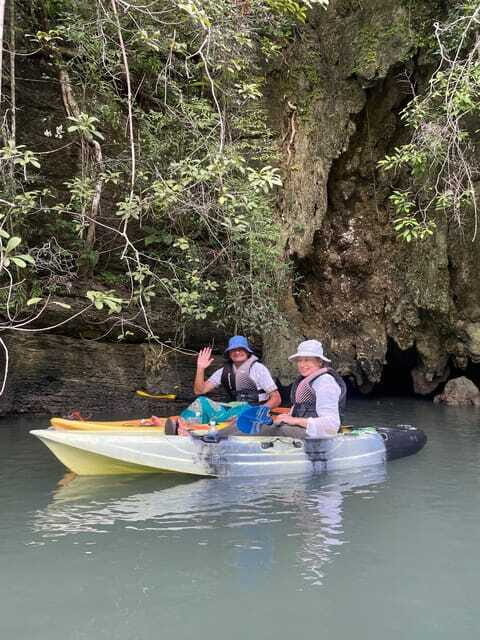
I’d book this if you want a calm, guided nature experience with a real ecosystem story—from mangroves to a limestone cave. The biggest reasons are the small group size and the eco-focused rules that help wildlife stay wild. Add lunch in the floating hub and a Bat Cave visit, and the 4-hour window feels like it hits the highlights without dragging.
Skip it if you’re claustrophobic or easily uncomfortable in caves, or if health or mobility concerns make kayaking or cave conditions a bad fit. Also, be honest about logistics: there’s no hotel pickup, and you’ll start at the green table food court area.
If you check those boxes, this is the kind of day that makes Langkawi feel bigger than just beaches—more biology, more behavior, and more “slow down and watch” than you’ll get from a quick photo stop.
FAQ
How long is the Kilim Karst mangrove kayak adventure?
The total duration is about 4 hours.
What group size should I expect?
The tour is limited to a maximum of 6 participants per tour.
Where do I meet the guide?
You meet at the main entrance at the green table food court area.
How does transportation work during the tour?
There’s a short speedboat ride (about 5 minutes) and additional boat transport during the day, including to the bat cave.
What’s included in the price?
Included are kayaking gear, a dry bag, secure storage, the guide, boat transport, lunch, and bottled water.
Is lunch included, and what do you eat?
Yes. Lunch is fried rice, with chicken or a veggie option.
What should I bring to be comfortable?
Bring a hat, camera, sunscreen, water, comfortable clothes, and insect repellent.
Is the bat cave part included?
Yes. After the kayaking and lunch, you take a boat to the Bat Cave and explore the limestone cave area.
Who should not take this tour?
It’s listed as not suitable for children under 4, pregnant women, people with back problems or heart problems, people with claustrophobia, wheelchair users, and people prone to seasickness, among others.