REVIEW · MALAYSIA
Walk & Discover KL’s Architectural and Heritage Gems
Book on GetYourGuide →Operated by Hazfa Seri Utama Enterprise · Bookable on GetYourGuide
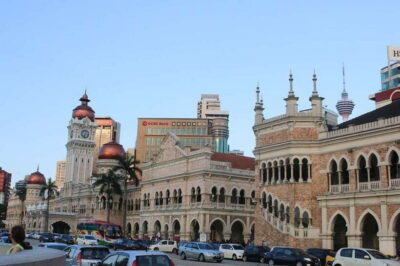
KL architecture is easier to read than you think. This walk turns Kuala Lumpur’s layers into something you can spot with your own eyes, starting with historic buildings and colonial landmarks and ending up through quieter blocks of shophouses, art installations, and green walkways with cultural tile details. I love the hands-on way the guide teaches you to look past the façade.
What really seals it for me is the mix of famous sites and lesser-known streets. You’ll get the big-picture context for KLCC, including stops around the Petronas Tower and Le Nouvel, then you’ll see how that same city planning logic shows up on the ground in smaller, older streets where the design changes are more obvious. With a small group, questions feel welcome, and guides such as Hazik and Hazfa keep the pace friendly rather than rushed.
One consideration: this is still a walking tour. It runs rain or shine, it’s not built for mobility limits, and you’ll want comfortable shoes because you’ll be on your feet for around 3 hours (often closer to 3.5).
In This Review
- Key highlights worth showing up for
- Why this architectural walk makes KL click fast
- Starting at Avenue K: a low-stress launch into the city
- KLCC icons (Petronas Tower area and Le Nouvel) without the usual confusion
- Colonial landmarks and an Art Deco arcade: where the clues start getting fun
- Shophouses, art installations, and green walkways with cultural tiles
- What the guide actually adds (and why Hazik and Hazfa matter)
- Price and timing: does $74 make sense for what you get?
- Pace, weather, and what to bring for an outdoors-heavy walk
- Who this tour suits best (and who might skip it)
- Should you book this architectural walk?
- FAQ
- How long is the architectural heritage walking tour?
- Where do I meet the guide?
- What is included in the price?
- Is hotel pickup or drop-off included?
- What languages is the tour offered in?
- What should I bring to the tour?
- Is the tour suitable for people with mobility impairments or pregnancy?
Key highlights worth showing up for
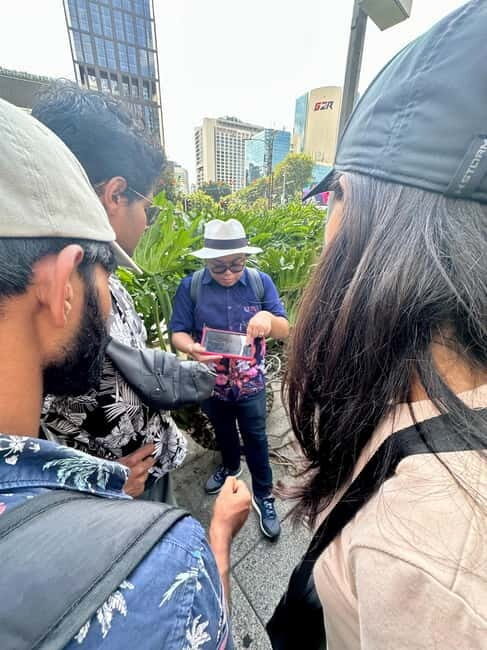
- Hands-on architectural clues that help you decode façades, materials, and city planning choices
- Big landmarks plus side streets, so you leave with both orientation and detail
- A specialist guide (examples include Hazik and Hazfa) who links design to Malaysia’s multi-ethnic story
- Small-group format (max 6) that makes it easier to ask follow-up questions
- Comfort extras: bottled water, and a rain poncho on rainy days
- Practical takeaways, including in-person recommendations for cafes and architectural stops you’ll want later
Why this architectural walk makes KL click fast
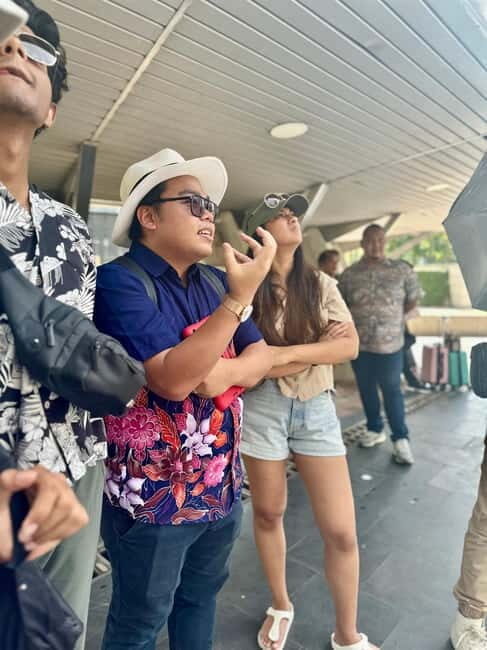
Kuala Lumpur can feel like two different cities at once: shiny modern towers one minute, older shophouse streets the next. The point of this tour is to show you how those layers connect, instead of treating them like separate experiences.
You’re not just collecting facts about buildings. You’re learning how to notice patterns: what changes over time, what stays consistent, and why certain design choices show up where they do. That shift makes the city start explaining itself.
And because the guide is an architecture and heritage professional, the details aren’t random. You’ll connect what you see—arcades, murals, tiles, façades—to the bigger story of Malaysia’s history and where KL is headed.
You can also read our reviews of more walking tours in Malaysia
Starting at Avenue K: a low-stress launch into the city
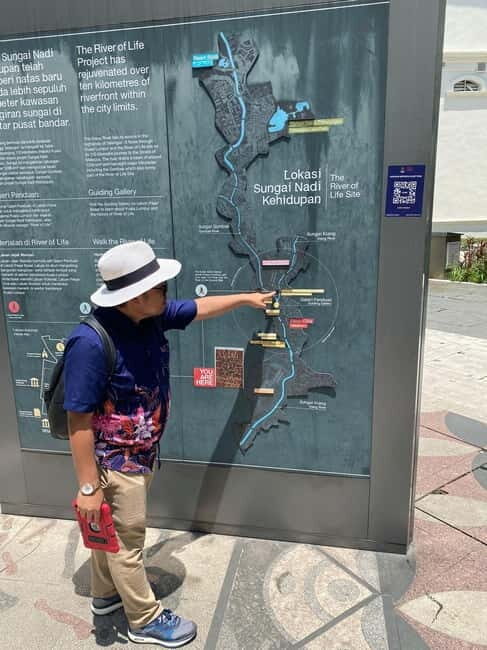
The meeting point is easy to find: the main entrance/main drop-off lobby of Avenue K Shopping Mall, right next to H&M. It’s a sensible start because the area is straightforward to navigate, and you can quickly orient yourself before the walking begins.
Before you head out, expect a safety briefing and a bit of structure so you know what you’re looking for. That matters more than it sounds. When you start a walking tour with a “how to see” mindset, every next street feels more rewarding.
You’ll also get a feel for pacing early. The tour includes breaks and photo stops, and the guide keeps things calm rather than rigid. If you want a moment to sit down or slow down, that’s part of the flow.
KLCC icons (Petronas Tower area and Le Nouvel) without the usual confusion
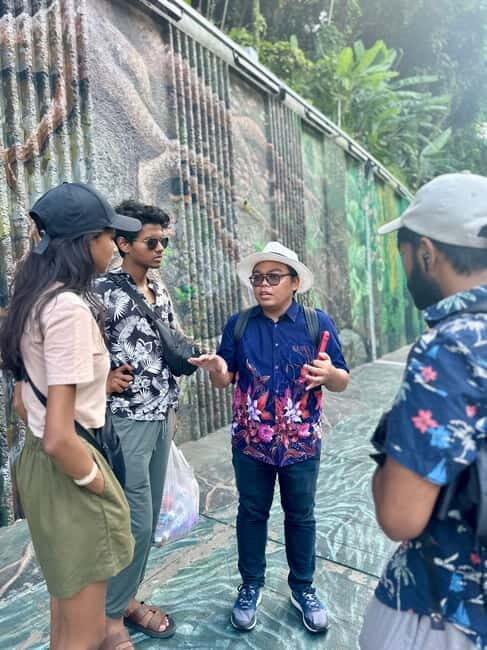
If it’s your first time in KL, you probably want to understand the layout fast. This tour helps you do that by using major landmarks like anchors.
You’ll spend time around KLCC and the Petronas Tower area, then move into the design conversation that surrounds that zone. The goal isn’t to race from one famous photo spot to the next. It’s to interpret how modern KL chose its statement buildings and how that connects to the city around it.
You’ll also encounter Le Nouvel, which gives the tour a good balance of styles. It’s the kind of stop that helps you see KL as a set of design decisions, not just a list of attractions.
This part is great for first-time visitors who want the city to make sense quickly. It also works well for people on business trips who need to pack meaningful sightseeing into a short window, because you’re getting orientation plus architectural context in the same walk.
Colonial landmarks and an Art Deco arcade: where the clues start getting fun
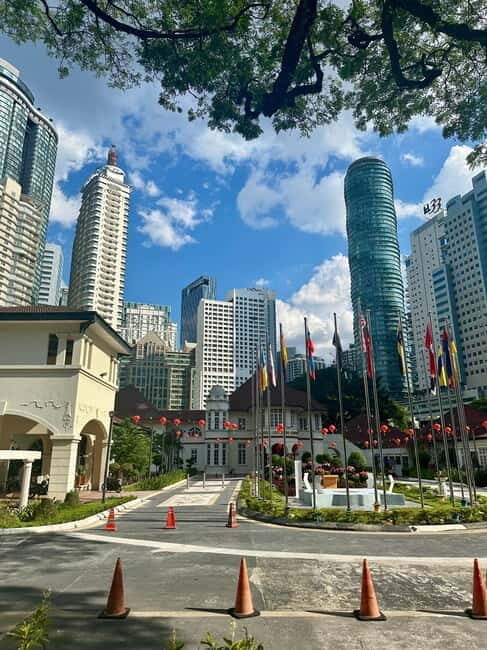
Once the tour steps away from the main spectacle, it leans into the part many people miss: the older architecture that teaches you how KL grew.
Historic buildings and colonial-era landmarks show up early in the tour, and that’s smart. Once you understand what those buildings were designed to communicate, you start noticing how the city later reused—or rejected—those visual messages.
You’ll also spend time on streets lined with details like shophouses and you may pass areas with an Art Deco arcade feel. Even if you don’t know architecture terms, the guide helps you read the language of the buildings: symmetry, ornament, materials, and how people move through shaded passages.
Here’s the practical value: you leave with a mental checklist. Next time you walk past an older arcade or façade, you’ll recognize why it looks the way it does and what it likely tried to accomplish.
Shophouses, art installations, and green walkways with cultural tiles
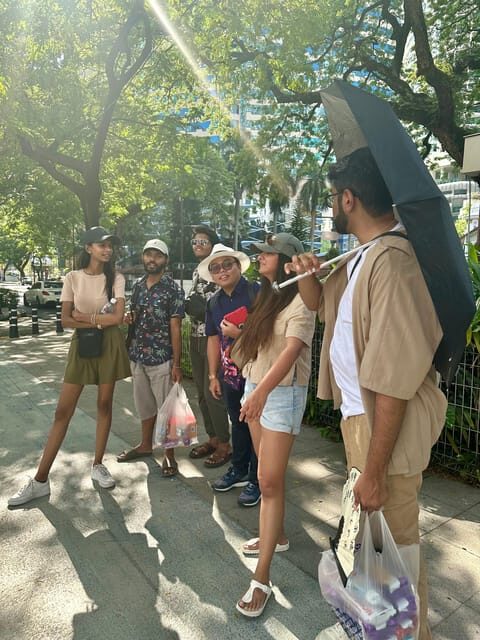
This tour doesn’t only focus on buildings that scream for attention. It also tracks the quieter design elements that make KL feel layered.
You’ll wind through blocks lined with charming shophouses and you’ll see art installations and modern interventions mixed into the older fabric. The contrast can be striking, especially when you notice how new design sits next to older forms rather than replacing them completely.
A standout described in the tour concept is the presence of green walkways edged with cultural tile patterns. That detail matters. It shows you how heritage isn’t only preserved in museums or landmark buildings; it also appears in everyday public-space design.
This is where the tour becomes visually addictive. It’s the kind of walk where you stop more often for looking than for photographing—because you’ll start spotting patterns instead of just snapping shots.





What the guide actually adds (and why Hazik and Hazfa matter)
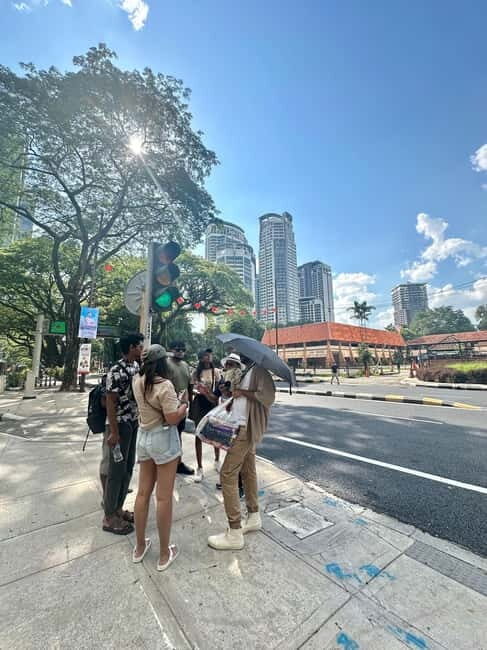
This experience is led by KL-based architectural guides who are trained to connect building design to heritage and preservation. That’s the real difference between a normal walking tour and an architecture-first one.
Guides like Hazik and Hazfa bring two key skills:
1) They can explain what you’re seeing in plain language.
2) They can answer the questions you didn’t know you had.
In a small group—limited to 6 participants—you’re not stuck listening like it’s a lecture. You can ask why a façade looks a certain way, or why the city’s design shifted at particular times. On quieter days, the experience can feel even more personalized because the group stays small.
The guides also share in-person recommendations for cafes, galleries, and architecture favorite stops. That’s not just helpful—it’s how you turn a 3-hour tour into a full day of better choices.
Price and timing: does $74 make sense for what you get?
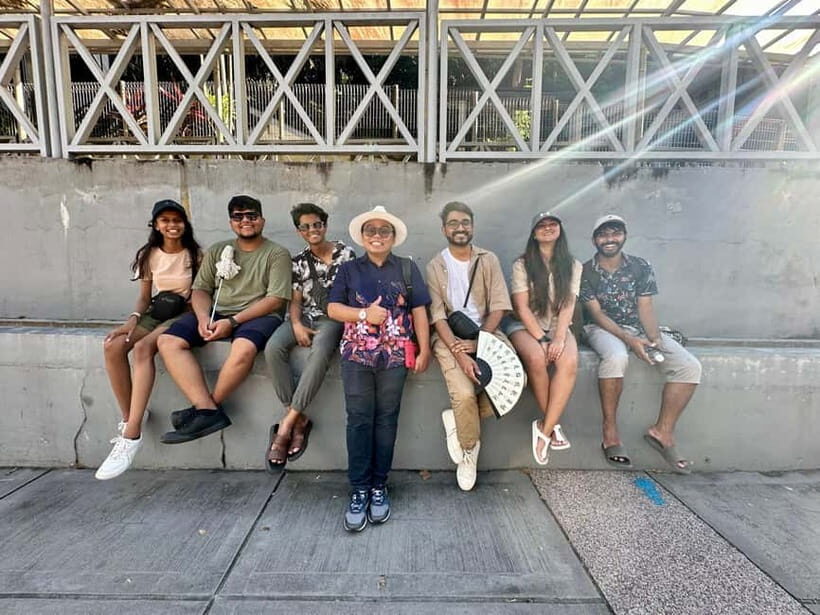
At $74 per person for about 3 hours, this isn’t a budget “just walk around” activity. It’s priced for a specialist guide and a small group, plus a few practical inclusions that improve the experience day-of.
Here’s the value equation in real terms:
- You’re paying for expertise that helps you interpret buildings instead of just viewing them.
- You’re paying for efficiency: a structured walk through both big icons and lesser-known streets.
- You get small comforts like bottled water, and a rain poncho if weather turns.
- You get next-step recommendations, which can save you time later looking for good places to eat or revisit.
If you’re the kind of traveler who likes to understand what you’re seeing, the price feels fair. If you only want quick photos and don’t care about architecture, you might feel less satisfied. But if you like design details, city planning, or heritage preservation, this tour is a strong deal.
Pace, weather, and what to bring for an outdoors-heavy walk
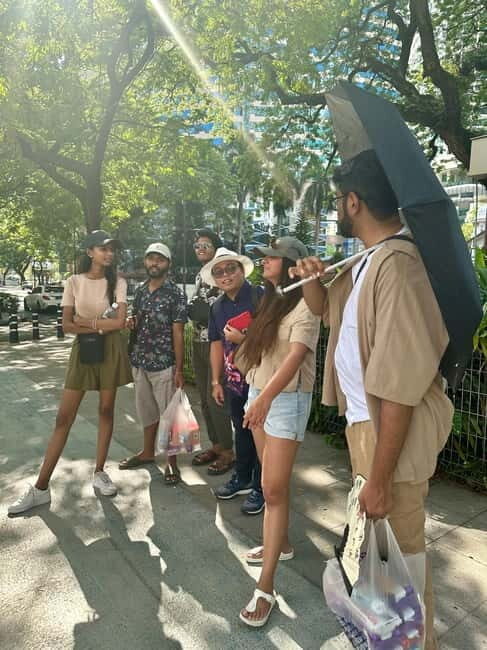
The tour takes place rain or shine, but there are plenty of shelter areas along the route. Still, the experience is outdoors, so your prep matters.
Bring:
- Passport or ID card
- Umbrella (even if a rain poncho is offered on rainy days)
- Hat
- Cash
- Comfortable shoes
Also, plan around the walking limits. This tour isn’t suitable for people with mobility impairments, and it’s not recommended for pregnant women. The walking time is short enough that it’s manageable for many visitors, but the route and footwear still matter.
If you like a practical tip: pack light. Oversize luggage isn’t allowed, so keep it to what you can comfortably carry.
Who this tour suits best (and who might skip it)
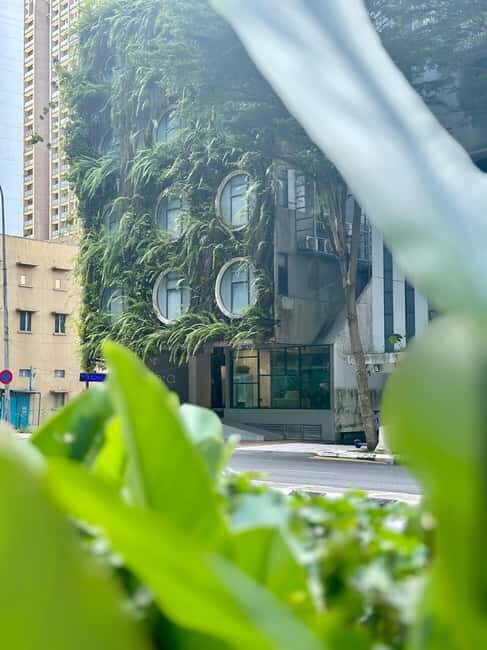
I think this is ideal for:
- First-time visitors who want KL’s layout and major landmarks explained without confusion
- Architecture and design lovers who enjoy seeing how styles and eras overlap
- Short-on-time travelers who want a high signal-to-time sightseeing plan
- Anyone who likes heritage and preservation as a lens, not just a list of old buildings
It might be less ideal if:
- You have limited walking ability and need a different pace or transport plan
- You don’t enjoy being outside for a few hours, even with shelters
- You prefer self-guided wandering with zero structure
Should you book this architectural walk?
Book it if you want Kuala Lumpur to feel readable. The biggest win is that you walk away seeing patterns in façades, streets, and public spaces—especially the way the city moves between the old and the new. With a specialist guide and a small group, you also get answers to your real questions, not canned explanations.
Skip it if you only want quick sightseeing with minimal walking, or if you’re looking for a mostly indoor experience. This tour is built around streets, details, and the joy of noticing.
FAQ
How long is the architectural heritage walking tour?
It’s about 3 hours. Some timing may run a bit longer in practice, but the design of the tour stays within that short walking window.
Where do I meet the guide?
Meet at the main entrance/main drop-off lobby of Avenue K Shopping Mall, next to the H&M store.
What is included in the price?
You get expert live architectural guides for the 3-hour experience, bottled water, a rain poncho on rainy days, and in-person recommendations for cafes, galleries, and architectural favorite stops.
Is hotel pickup or drop-off included?
No. You’ll need to make your own way to the meeting point.
What languages is the tour offered in?
The guide can speak English, Malay, and Indonesian.
What should I bring to the tour?
Bring your passport or ID card, an umbrella, a hat, cash, and comfortable shoes.
Is the tour suitable for people with mobility impairments or pregnancy?
No. It isn’t suitable for pregnant women or people with mobility impairments.