REVIEW · PENANG ISLAND
Chef Samuel’s Private Malaysian Cooking Class with Wet Market Tour
Book on Viator →Operated by Cooking with Chef Samuel · Bookable on Viator
Markets teach faster than cookbooks. A private Malaysian cooking class with Chef Samuel turns Penang’s wet market visit and everyday street-food skills into real, repeatable meals you can cook at home. I love the 1-to-1 attention and the fact you can pick what you’ll learn, from Nyonya-style flavors to Malay and Chinese favorites. One thing to consider: this runs in the morning, so expect early pickup and walking through narrow market lanes with real traffic energy.
You’ll start in George Town and meet up near public transport, then head to Ayer Itam Market for ingredient shopping, followed by breakfast at a local kopitiam (coffee shop). After that, you’ll return to Chef Samuel’s studio for your cooking session, taste what you make, and finish with a nutmeg drink. If you’re short on time or you hate market crowds, this may feel like a lot—otherwise, it’s one of the most practical ways to understand Malaysian food beyond a restaurant plate.
In This Review
- Key highlights worth planning for
- Why a wet market start makes Malaysian cooking click
- Ayer Itam Market: shopping smarter than copying recipes
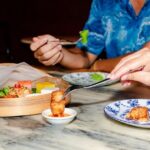
- Kopitiam breakfast and roasted coffee: start the day like locals
- Chef Samuel’s studio: private lessons with spice logic
- Your menu, your pace: from seafood and chicken to nutmeg finish
- Price and logistics: is $116.46 per person good value?
- Who should book Chef Samuel’s private class?
- Should you book this Penang experience?
- FAQ
- Where does the experience start and end?
- How long is the Chef Samuel cooking class with market tour?
- Is this tour private?
- Do you get pickup in Penang?
- Is a market visit included?
- Can I choose what we cook?
- What drinks are included?
- Is there a refund if I cancel?
Key highlights worth planning for
- Ayer Itam Market first: you learn ingredients in the same place you’ll buy them.
- Choose your own menu: you pick dishes with no set menu limitation.
- True private lesson: your group gets full 1-to-1 time and works at your pace.
- Regional flavor logic: you’ll talk theory, not just steps.
- Local breakfast stops: roasted coffee and a kopitiam meal before the cooking.
- Finish with a nutmeg drink and then eat your own work.
Why a wet market start makes Malaysian cooking click
Malaysian cooking isn’t one style. It’s a mix of Chinese, Malay, Indian, and Peranakan (Nyonya) influences that share ingredients—but not always the same rules. That’s why I like this format: you start with the raw materials, then move to cooking technique, then finally sit down and taste your own results. It’s the fastest way I know to understand why one spice blend tastes one way and another blend goes in a different direction.
Chef Samuel’s background shows up in the way the class is organized. You talk through what you want to cook before you shop, then you match dishes to what you can actually find at the market. You’re not just following a checklist. You’re building a menu with a reason behind it, and that makes the skills stick.
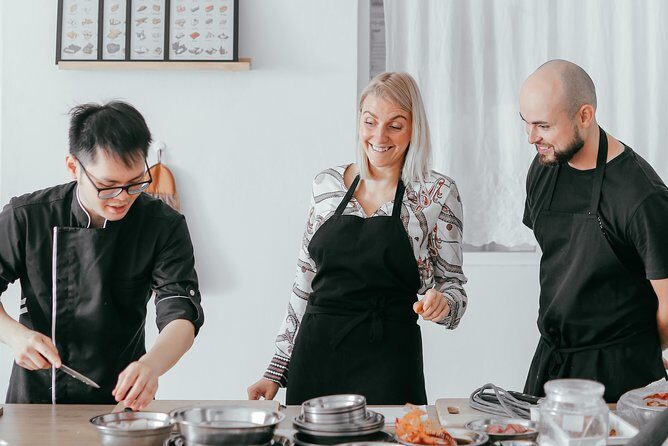
Another value point: the experience is private. With 1-to-1 instruction, you can ask why you’re doing something, not just how to do it. That matters for home cooks who get stuck when a recipe says mix this and cook that but never explains what to look for.
The one possible downside is the market side. Ayer Itam Market is active, with narrow walkways and heavy morning traffic around it. If you want a calm, slow sightseeing day, you might find the first half energetic. If you’re okay with that reality, you’ll come away feeling like you understand the food system, not just the meal.
You can also read our reviews of more private tours in Penang Island


Ayer Itam Market: shopping smarter than copying recipes
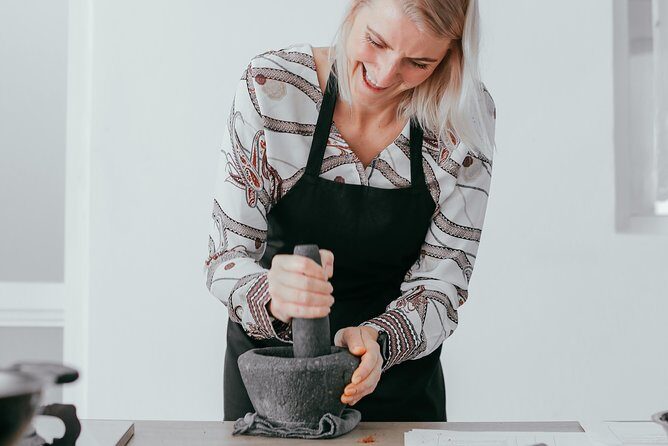
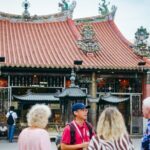
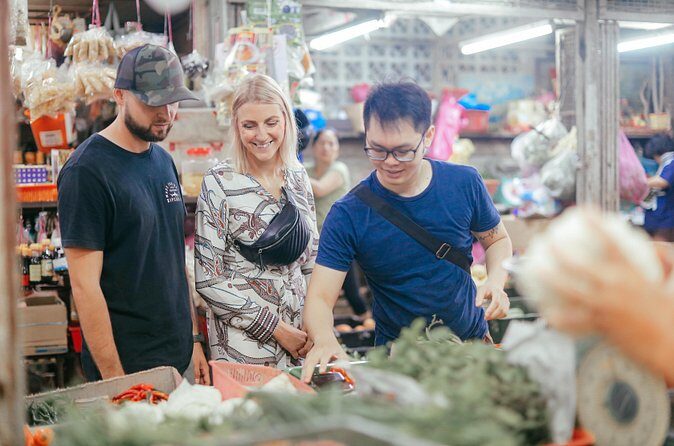
The class focuses on Penang’s Ayer Itam Market, described as historical and one of Penang’s busiest markets. The point isn’t to admire stalls from a distance. It’s to watch what’s available early and learn the ingredients you might not use at home. In practice, the market walk helps you spot the building blocks that shape flavor—spices, seafood, and the smaller items that make the difference between an okay dish and a dish that tastes like Malaysia.
Expect the market rhythm to be real. Narrow lanes, lots of movement, and that rush of morning shopping. You’ll be walking while traffic moves around you, so comfortable shoes help. You also get time to snack and refresh as you go, which keeps the energy up before you cook.
One of the best parts of the market stop is that you’re not stuck with a pre-chosen basket of ingredients. You’ll pick dishes first, then you shop for those dishes. That makes your shopping feel intentional. When Chef Samuel guides you on what to choose and how ingredients behave in cooking, you’re learning how to shop with a purpose—not just collecting “stuff” because it looks exotic.
If you’re worried about language barriers or not knowing ingredients, don’t. The setup is designed for different skill levels, from beginners to serious food folks. You’ll be able to ask what something is, how it’s used, and what changes the dish outcome.
Finally, a small but important detail: the class moves fast because the market window matters. If you’re someone who hates being on a schedule, you might feel rushed. If you’re okay with a morning plan, you’ll love how quickly you go from shopping to cooking.
Kopitiam breakfast and roasted coffee: start the day like locals
After the market walk, you shift to a kopitiam breakfast. This is one of those stops that sounds simple until you realize what it teaches. Malaysian food is tied to daily routines—coffee, toast, breakfast plates, and small talk—so eating here helps you understand the flavor world you’re about to cook in.
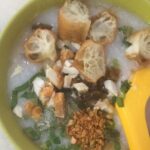
You’ll sip locally roasted coffee while you settle into the breakfast rhythm. Then you’ll eat a Malaysian breakfast style meal in a setting that feels oriented to locals rather than staged for tourists. It’s not about watching chefs cook. It’s about seeing how the day actually starts.
For me, the value is that it breaks the class into two halves that make sense together. The market gives you ingredients and ideas. Breakfast gives you context and energy. Then your cooking session becomes less like a workshop and more like a natural continuation of the morning.
If you have a sensitive stomach or you’re picky about strong coffee, go in knowing it’s a real local coffee style. The class doesn’t market itself as a slow, gentle tea tasting. It’s more active and practical.
And because you’re choosing your menu, breakfast also becomes a reset point. If you arrive hungry from the early pickup, you’ll be set up to cook with focus instead of impatience.
Chef Samuel’s studio: private lessons with spice logic
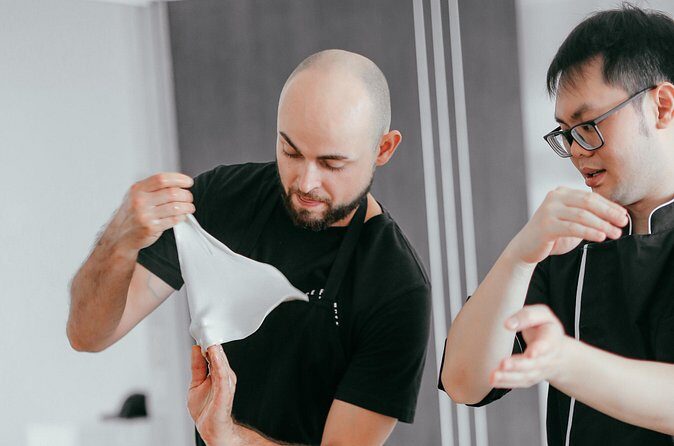
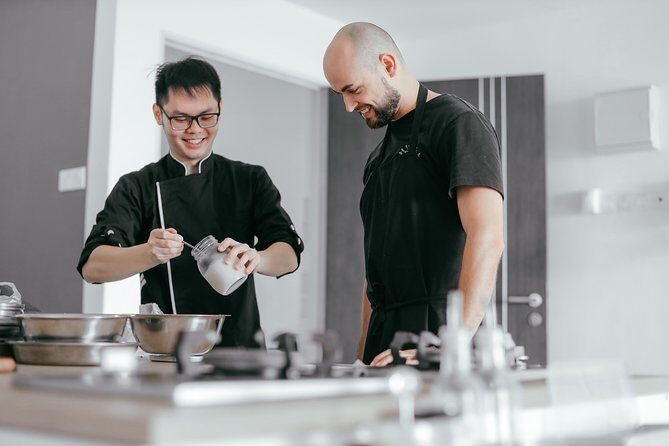
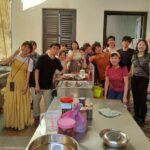
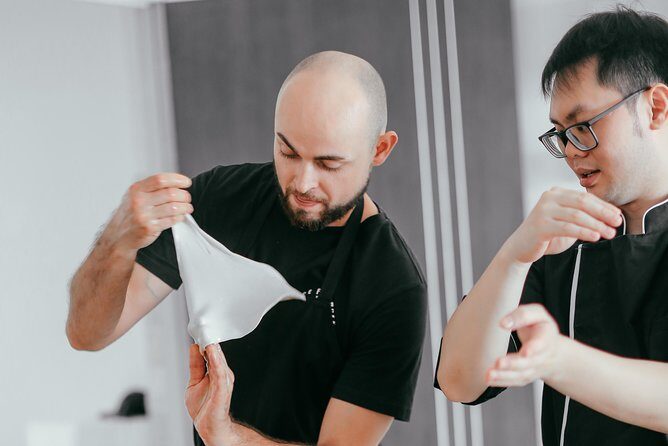
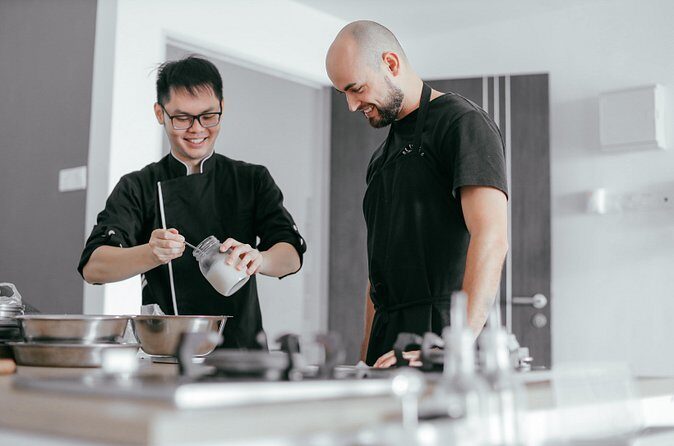
Once you head back to the cooking studio, the experience shifts from shopping to technique. This is where Chef Samuel’s professional background matters. The lesson is set up for 1-to-1 attention, with a pace you can control. That means you’re not competing for space around a shared cutting board. You’re working with a guide who can correct your method as you go.
The class also pays attention to the “why.” Chef Samuel talks through theory and concepts around regional cuisine differences. That’s huge if you’ve ever made a recipe and wondered why it didn’t taste right even though you followed steps. Here, you’re more likely to learn what flavor balance Chef Samuel is chasing and what decisions create it.
You should also expect a hands-on setup where you cook the dishes you selected. You won’t just watch while someone else does the work. And because you’re shopping based on your choices, you’ll better understand ingredient substitutions and how specific spices change the finished dish.
One practical perk: Chef Samuel is also known for communicating well before the day. You’ll receive an extensive list of meals to choose from after booking, so you can think about your preferences ahead of time. That helps you arrive ready, not scrambling at the last moment.
If your group includes different skill levels, the private structure helps. A confident cook can move faster, while a beginner can slow down and ask questions without holding everyone back.
Your menu, your pace: from seafood and chicken to nutmeg finish
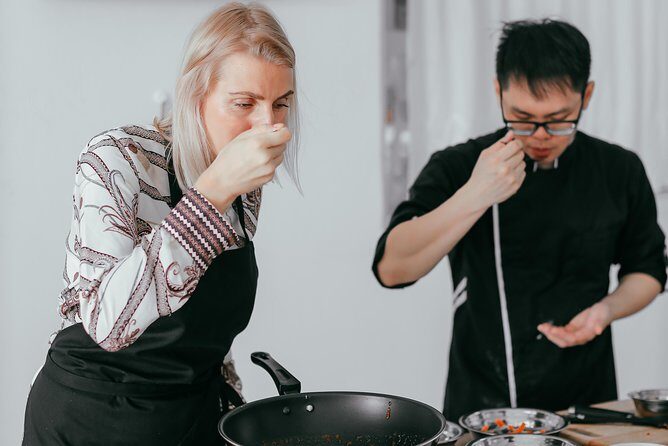
The magic of this class is that you don’t end up with a generic set menu. You choose the dishes you want to learn, and Chef Samuel helps finalize what you’ll cook. The menu options include Malaysian regional variety—Nyonya, Chinese, Malay, Indian, and street-food style items. If you love Penang food and want more than one flavor lane, this setup makes it possible to build a balanced learning day.
During the market portion, you’ll likely select a mix of proteins and key ingredients based on your picks. One clear example from the experience: groups often end up choosing items like seafood and chicken to match their chosen dishes. That matters because Malaysian cooking techniques depend on protein, and the market shopping helps you select ingredients that fit the recipes you’ll cook later.
Then comes the cooking. Chef Samuel guides you through seasoning choices and spice combinations, with an emphasis on what matters and why. That’s the difference between copying a list of spices and actually learning how the flavors work together. You’ll also taste what you make as you go, so you can adjust in real time.
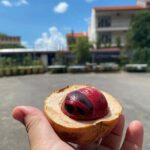
A nice touch at the end: you’ll refresh with a nutmeg drink. It’s a small finish, but it gives you a flavor break after the heavier savory dishes. Then you sit down and eat the results—your own cooking, not someone else’s version of it.
Also, there’s a practical mindset built into the day. The goal isn’t just to have a good meal in Penang. It’s to take skills home. You’ll leave with a better sense of ingredient handling, spice balance, and what to look for when you’re recreating Malaysian dishes later.


Price and logistics: is $116.46 per person good value?
At $116.46 per person, you’re paying for a lot more than a recipe printout. This price covers a private, 5-hour experience that includes pickup support (when offered), market time, ingredient shopping, and a cooking session with 1-to-1 guidance. You’re also eating what you cook, plus getting roasted coffee and a nutmeg drink during the day.
Is it expensive? For Penang, yes, it’s not a budget activity. But value-wise, it competes well with other cooking experiences because you get:
- A wet market ingredient education at the start
- A private lesson format rather than a group class
- Personalized menu choices, so you cook what you actually want to learn
- A teaching style built around regional cuisine differences, not just one technique
Logistics are also fairly friendly. The start point is George Town and the activity ends back at the meeting point. Pickup is offered, and if Chef Samuel is dropping you off, it can be on the way back into Georgetown. You can also arrange transport back on your own.
One practical consideration: this is scheduled around the morning market window. Plan for that. The day is about action, not wandering.
If you’re traveling in a small group or as a couple, the private nature can make the price feel much more reasonable. If you’re traveling solo and on a strict budget, you might compare it against cheaper cooking classes—but you’ll likely notice the gap right away in time and attention.
Who should book Chef Samuel’s private class?
This class is a great match if you:
- Want Malaysian flavors explained in a practical way
- Like the idea of learning from ingredients you can actually buy
- Prefer a private lesson over crowded group cooking
- Enjoy Penang street-food variety (not just one dish)
It also works well for foodies who want more than a photo stop. You’ll leave with real cooking context—how ingredients behave, which spice combinations matter, and how regional styles connect to the same core pantry.
If you’re a total beginner, it still makes sense. The menu is discussed ahead of time, Chef Samuel guides you step by step, and the pacing is set for your group.
If you’re someone who hates markets or can’t do early mornings, you might find the first half draining. But if you’re okay with the market energy and narrow lanes, the payoff is strong: you’ll understand the food system behind the dishes you’ll cook.
Should you book this Penang experience?
Yes, if you want a cooking class that feels grounded in real Penang food habits. The best reason to book is the combination of market shopping + private teaching + choosing your own dishes. That trio turns the day into something you can repeat at home, not just remember.
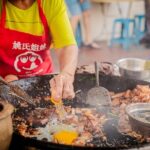
Skip it only if you want a relaxed sightseeing day or you’re uncomfortable with an active morning market. Otherwise, this is one of the most practical ways to learn Malaysian cooking in Penang—especially if you love Penang classics like char koay teow and laksa and want to understand what makes them tick.
FAQ
Where does the experience start and end?
It starts in George Town, Penang, Malaysia, and it ends back at the meeting point.
How long is the Chef Samuel cooking class with market tour?
The duration is about 5 hours.
Is this tour private?
Yes. It’s a private tour/activity, and only your group participates.
Do you get pickup in Penang?
Pickup is offered. You’ll also have the option for drop off on the way back to Georgetown, depending on the provider’s route.
Is a market visit included?
Yes. You’ll visit Ayer Itam Market as part of the experience.
Can I choose what we cook?
Yes. You’ll pick the dishes for your own menu, without a restriction, and Chef Samuel will help finalize what you’ll learn.
What drinks are included?
You’ll have locally traditionally roasted coffee during the market/kopitiam part, and you’ll also taste a refreshing nutmeg drink.
Is there a refund if I cancel?
No. The experience is non-refundable and cannot be changed for any reason.