REVIEW · PENANG ISLAND
Penang Cooking Class:Dive into Malaysian Cuisine with PenangChiak
Book on Viator →Operated by Penang Chiak Cooking Classes · Bookable on Viator
Penang food has a way of grabbing you early. This cooking class starts at Chowrasta Market, then turns shopping into a hands-on lesson on how Penang flavors get made. I like that you’re not just tasting. You’re learning what to buy, how to handle spices, and how to cook classics you’ll actually want to repeat at home.
Two big wins for me: the morning market tour with breakfast (great for getting your bearings fast) and the chance to cook real Penang dishes like Kueh Pie Tee and Char Kway Teow, not just watch. One thing to consider: you’ll be up early for the 8:00AM morning session, and the full experience can run closer to 4–5 hours (so plan a long morning, not a quick peek).
In This Review
- Key Highlights You’ll Care About
- Penang Chiak Starts at Chowrasta Market, Not the Kitchen
- Morning Market Tour: Shopping, Tasting, and Spotting the Spice Clues
- Breakfast Sets the Right Tempo for Early Cooking
- Cooking Lessons: Kueh Pie Tee, Char Kway Teow, Choon Piah, Masala Chicken
- Char Koay Teow and the Nonya vs Malay flavor lesson
- Spice handling is the real skill here
- The Instructors: Mok, Simon, Amy, Santi, and Jenny (and what that adds)
- What’s Included (and why it’s good value)
- Price and Logistics: Early Start, Clean Setup, and Local Meeting Point
- Who Should Book This Class (and who might not)
- Should You Book Penang Chiak Morning Market and Cooking Class?
- FAQ
- What time is the morning market tour?
- How long does the experience take?
- Is breakfast included?
- What dishes will I learn to cook?
- Does the tour offer pickup?
- Where do I meet the group?
- Is this a private tour?
Key Highlights You’ll Care About
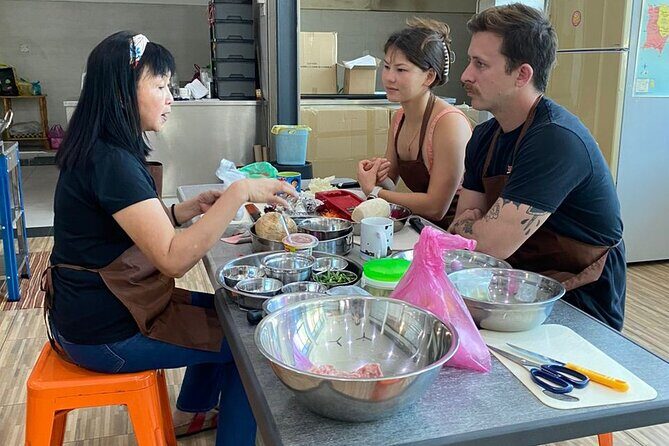
- Chowrasta Market shopping as the lesson starts, not after you’ve already cooked
- Hands-on cooking for multiple Penang dishes, plus coaching on spice handling
- Morning-only market and breakfast setup (8:00AM classes)
- Private class format, so questions don’t get lost in the crowd
- Ingredients and utensils provided, so you show up ready to work
- Chef-taught techniques you can reuse at home
Penang Chiak Starts at Chowrasta Market, Not the Kitchen
If you’ve ever cooked at home and wondered why your food tastes different, this is the kind of class that explains the gap. The day begins at Pasar Chowrasta Market (Lot 124, Jln Penang, George Town). From there, you move stall to stall, learning what ingredients are common in Penang cooking and why certain spices and components matter.
What makes this setup useful is the pacing. You see, smell, and talk about ingredients while they’re fresh and in context. Later, when you’re at the stove, you already know what you’re aiming for. And because it’s a private tour for your group, the instructors can adjust the explanations to your questions instead of racing through a script.
You can also read our reviews of more cooking classes in Penang Island
Morning Market Tour: Shopping, Tasting, and Spotting the Spice Clues
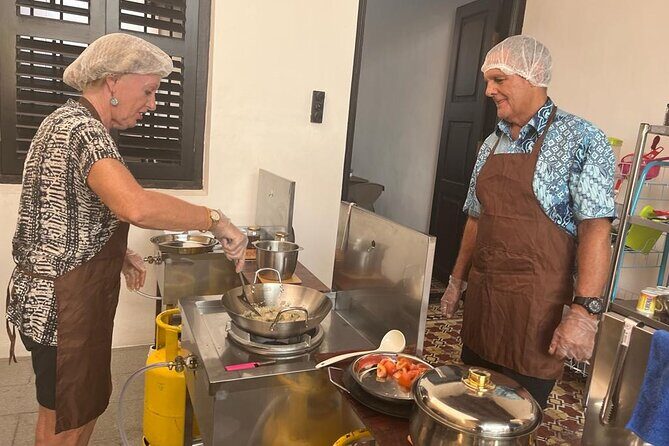
The morning class includes a market tour, plus breakfast. The market part is where you learn to think like a cook, not a buyer. You’ll typically pass stalls with herbs, dried goods, spices, and packaged staples, and you’ll hear explanations on what each item does in the final flavor.
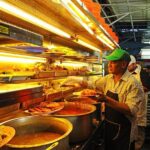
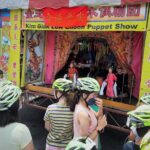
From past participants, I especially like how the market feels like a live food classroom. In one session, the guide pointed out seasonal fruits such as mangosteen, longan, mango, jicama, and freshly shaved coconut milk. You may also see where things like spring roll wrappers are made by hand, and you might stop near fish and spice stalls depending on what’s available that morning.
Two practical takeaways you’ll likely leave with:
- How to judge ingredients by aroma and condition, not just by name
- How spices behave when you heat them, so you know when they should go in and what changes as they cook
And yes, there’s plenty to snack on along the way during the breakfast portion. More on that next, but the key point is: the class doesn’t treat food like a museum exhibit. It treats food like morning routine.
Breakfast Sets the Right Tempo for Early Cooking
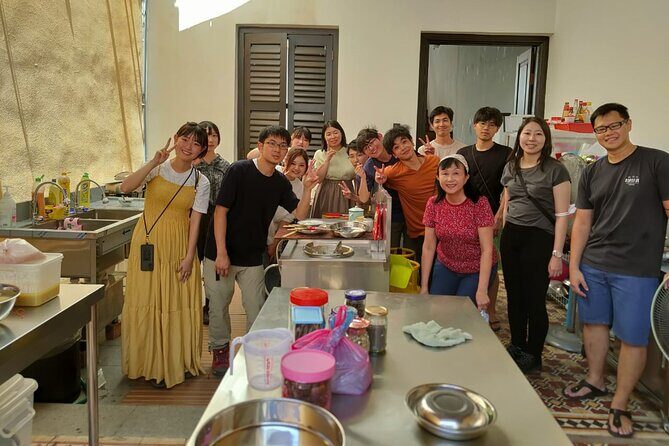
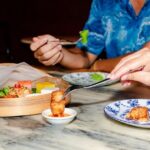
Morning classes come with breakfast, described as part of a morning food tour. That matters because your first meal also becomes a lesson. You’ll have a chance to taste street-style Penang favorites before you start cooking, so you can connect the flavors you’re tasting to the dishes you’ll later make.
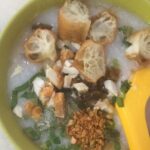
Some past participants mentioned items like Penang white coffee, crispy peanut crepes, and stir-fried rice noodles from the street market. The exact choices can vary, but the pattern stays the same: you get early fuel and a flavor reference point.
If you’re the kind of traveler who usually skips breakfast, this class is one of the few tours where skipping would be a mistake. You’ll want that energy for the hands-on cooking steps, especially if you’re learning techniques like stir-frying timing and spice preparation.
Cooking Lessons: Kueh Pie Tee, Char Kway Teow, Choon Piah, Masala Chicken
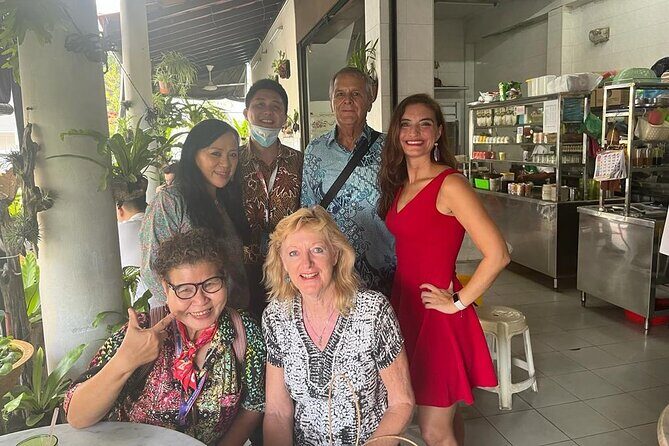
The class is built around learning Penang dishes with real technique, not just following a recipe card. The listed dishes include:
- Kueh Pie Tee
- Char Kway Teow
- Choon Piah
- Masala Chicken
- and more
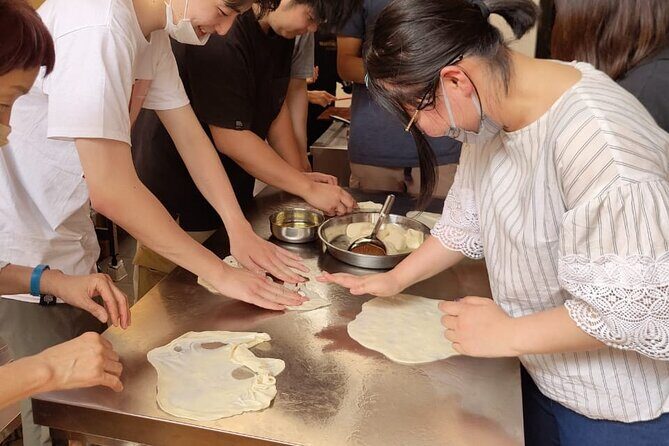
Here’s what that usually means for your time in the kitchen: you’ll handle ingredients, learn how to mix and season, and practice key steps that determine texture and flavor. Past participants described taking turns and working through steps together, with instructors guiding the process and correcting details as you go.
Char Koay Teow and the Nonya vs Malay flavor lesson
One of the most useful things you can learn in Penang is how close cousins can taste different. The experience highlights that Penang’s Nyonya (Peranakan) and Malay styles may share dish names but differ in ingredients and flavor approach. For example, char koay teow often uses pork lard in many non-halal versions, while Malay-style cooking avoids pork products, which changes richness and aroma.
If you care about recreating flavors at home, this matters. It teaches you that substitution isn’t cheating. It’s part of cooking with the rules and ingredients you’re actually using.

Spice handling is the real skill here
The tour description calls out spice handling as an art, and that tracks with what people enjoy most: instructors explain techniques for managing spices when you cook. That can include how to balance heat, when to add spices, and how flavor builds as ingredients cook together.
This is the part that pays off back home. You don’t just memorize a dish. You learn how to think through the steps.
The Instructors: Mok, Simon, Amy, Santi, and Jenny (and what that adds)
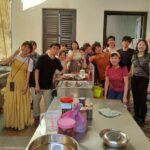
Penang Chiak is run by a team that shows up repeatedly in reviews. Names you might encounter include Mok, Simon, Amy, Santi, and Jenny. Different classes can have different instructors, but the common thread is strong communication and a sense that Penang food is a living culture, not a worksheet.
A couple details stand out from past experiences:
- You might get introductions that connect dishes to Penang culture and ingredient origins.
- Some sessions include extra personal touches like helping you find the cooking location, taking extra photos, or dropping you back after a bit of market wandering.
This matters because it turns the class into a story you can retell. And when you can explain why a dish tastes the way it does, you cook it better the next time.
What’s Included (and why it’s good value)
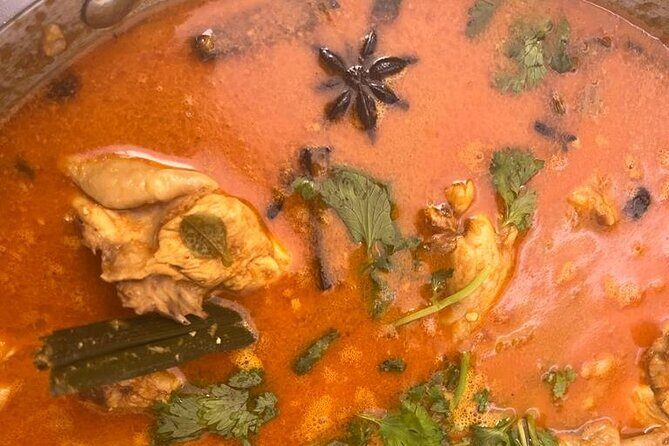
At $116 for about 4 hours (approx.) and often described as 4 to 5 hours, the value comes from what’s baked into the experience, not just the teaching.
You get:
- A morning market tour (for 8:00AM classes)
- Breakfast for morning food tour classes
- All ingredients and kitchen utensils provided
- A private setup where only your group participates
For most cooking classes, the hidden cost is groceries and tools. Here, you don’t pay that extra bill. You also don’t have to guess ingredient measurements or track down hard-to-find spices during a vacation grocery run. You learn the process and leave with practical guidance for repeating it.
Also, several participants mention getting recipes. The official info doesn’t guarantee it in every case, but it’s a frequent outcome. Either way, you can ask your instructor if written recipes or notes are available for your session.
Price and Logistics: Early Start, Clean Setup, and Local Meeting Point
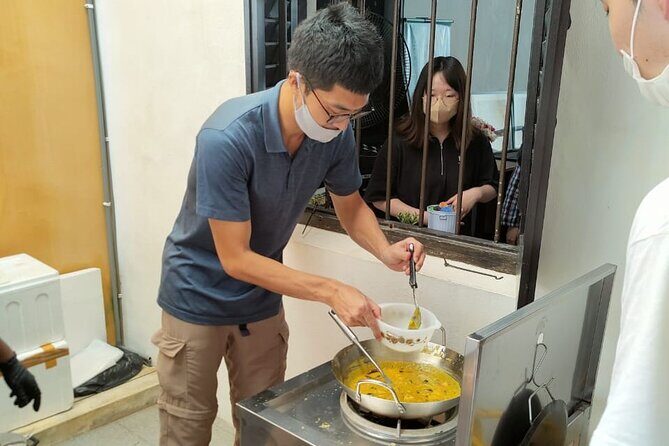
This is a morning class. The market tour is listed as 8:00AM only. That’s the tradeoff: you start early, but you also get a real view of how locals shop and eat.
Logistics are fairly straightforward:
- The tour starts at Pasar Chowrasta Market, Lot 124
- It ends back at the meeting point
- Pickup is offered
- You’ll receive a mobile ticket
- It’s near public transportation
- It’s private, so you’re not sharing the kitchen with strangers
A heads-up based on real participant notes: the cooking space can be warm because burners are going. If you tend to run hot, wear loose, light clothes.
Who Should Book This Class (and who might not)
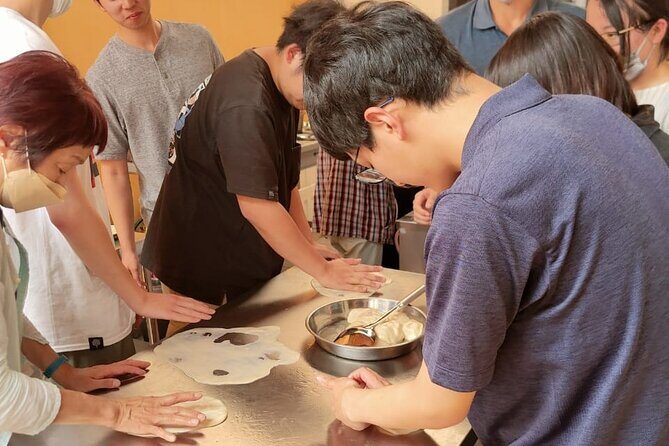
This class fits best if you:
- want more than a food tasting and prefer a hands-on lesson
- like the idea of learning spice technique, not just memorizing dishes
- enjoy Penang street food culture and want to understand the ingredients behind it
- travel as a small group and want a private format
You might think twice if:
- you dislike early mornings
- you want a super-fast, low-effort activity (this is hands-on coaching and cooking)
- you prefer a purely “watch and eat” style (some classes feel more like active instruction)
Should You Book Penang Chiak Morning Market and Cooking Class?
I’d book it if your goal is to come away with usable cooking skills tied to real Penang ingredients. The market-first approach at Chowrasta Market is the core reason this works. It turns the day into a cause-and-effect lesson: you see the ingredients, taste the flavors, then cook with intention.
If you’re already a confident cook, you’ll still likely enjoy the spice-handling guidance and the Penang-specific ingredient logic. If you’re a beginner, the private coaching and step-by-step instruction should make it feel doable, not overwhelming.
Bottom line: for a $116 class that includes market time, breakfast, and a hands-on Penang menu, you’re paying for technique and context, not just a meal. If that’s your style of travel, this is a strong pick for your Penang morning.
FAQ
What time is the morning market tour?
The morning market tour is listed for 8:00AM only.
How long does the experience take?
Sessions are about 4 to 5 hours (approximately).
Is breakfast included?
Yes—breakfast is included for morning food tour classes only.
What dishes will I learn to cook?
The class lists dishes such as Kueh Pie Tee, Char Kway Teow, Choon Piah, and Masala Chicken, plus additional items.
Does the tour offer pickup?
Yes, pickup is offered.
Where do I meet the group?
You meet at Pasar Chowrasta Market, Lot 124, Jln Penang, George Town, 10100 George Town, Pulau Pinang, Malaysia.
Is this a private tour?
Yes, it’s private—only your group participates.