REVIEW · KUALA LUMPUR
Day Tour Kuala Lumpur City, Batu Caves, Little India, Chinatown
Book on Viator →Operated by DGP TRANSPORT · Bookable on Viator
Batu Caves at 8am hits different. This tour links KL’s big sights with hotel pickup and a pewter/batik factory stop that turns souvenirs into stories. I also like the way it bundles religion, colonial-era landmarks, and street neighborhoods into a single 5-hour block. One watch-out: Little India and Chinatown time is tight, and lunch quality can vary by day and by restaurant setup.
I especially like that the day has a real rhythm: climb first, then cool down with mosque photos, then finish with crafts and a proper meal. Guides can be strong and personal too—on this kind of tour you may be with friendly local drivers like Ram, Robert, or Thurai, who keep the pace moving without feeling rushed. If you want a slow stroll and lots of free time to wander, this format may feel more “see the highlights” than “hang out.”
In This Review
- Key Highlights You’ll Feel in This 5-Hour Loop
- Price and Logistics: What $70 Buys You in Kuala Lumpur
- Starting Strong: Batu Caves and the Thaipusam Context
- Colonial-Era KL: Sultan Abdul Samad and Independence Square
- Little India Brickfields: Fast Color, Quick Culture, Watch Your Time
- Jamek Mosque and the Two-River Story That Explains KL
- Petaling Street and Chinatown: Drive-By Reality vs Street Time
- KL Towers Photo Stops: The Quick Views That Help You Map the City
- Pewter and Batik Factory: Souvenirs You’ll Actually Understand
- Lunch on the Banana Leaf: Great When It Hits, Less Great When It Doesn’t
- Walks, Steps, and Pacing: Who This Tour Suits Best
- Should You Book This Tour? My Decision Rule
- FAQ
- What time does the tour start?
- Is hotel pickup and drop-off included?
- How long is the tour?
- Are admission tickets included for Batu Caves and other stops?
- Is lunch included?
- How big is the group?
Key Highlights You’ll Feel in This 5-Hour Loop
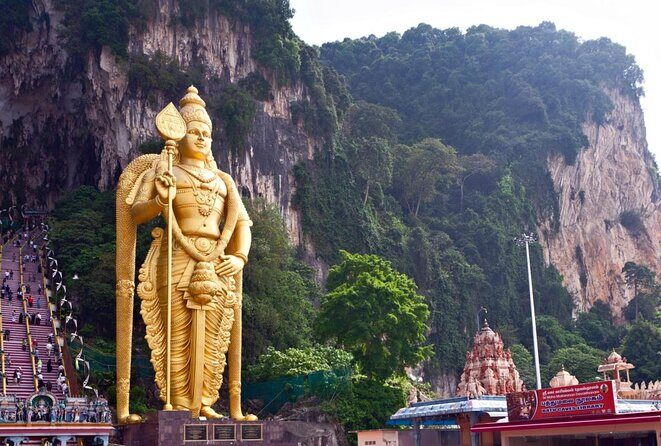
- 272-step Batu Caves climb with Thaipusam context, not just a quick photo.
- Colonial-era landmarks around Sultan Abdul Samad and Independence Square for quick history grounding.
- Little India (Brickfields) for color, shops, and fast street moments.
- Jamek Mosque and KL’s name story tied to the confluence of two rivers.
- Pewter and batik factory visits where you can watch crafts instead of just buying.
- Banana-leaf lunch option that turns a meal into part of the culture
Price and Logistics: What $70 Buys You in Kuala Lumpur
At $70 per person for about 5 hours, the value depends on what you want most: efficient sightseeing with handrails, or freedom to roam on your own. The big “value lever” here is hotel pickup and drop-off plus pre-arranged mobile tickets, so you’re not spending time figuring out transport between scattered neighborhoods.
This is also capped at a small group size (up to 15 travelers), which usually helps keep the day organized. You’ll still follow a set path, though—so if you’re the type who likes to linger in markets until you find the perfect stall, plan to do that on a separate day.
One practical note: this experience needs good weather. If weather is rough, the tour can be moved or refunded. Also, plan for some walking and stairs. It fits moderate physical fitness, mainly because Batu Caves is a step-heavy start.
You can also read our reviews of more city tours in Kuala Lumpur


Starting Strong: Batu Caves and the Thaipusam Context
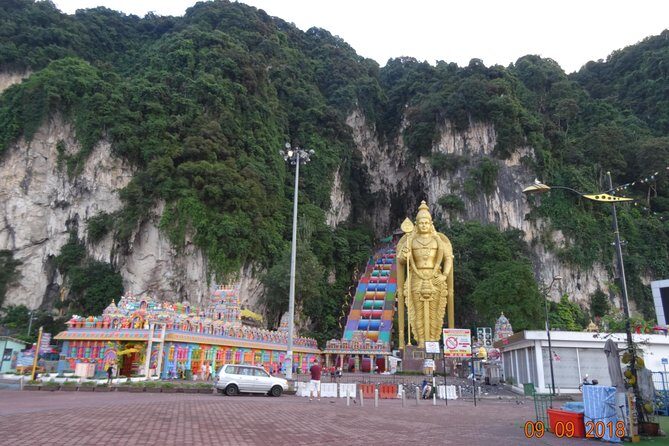
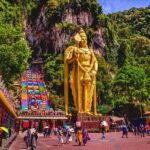
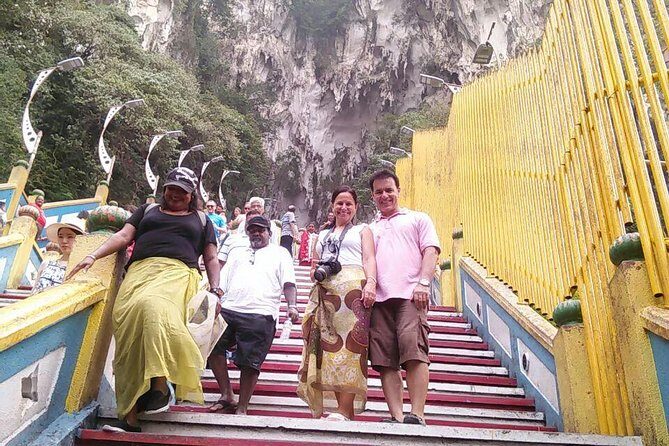
Batu Caves is the headline stop for a reason. You’ll climb 272 steps into the temple area, and the guide will connect what you see to Hindu practice—especially the annual Thaipusam celebration, when devotees make vows and fulfill promises there.
Here’s how to enjoy this part without it feeling like a chore:
- Wear shoes you trust for uneven stairs.
- Give yourself a slow pace on the way up, even if others fly.
- Bring something to handle sun and heat; Kuala Lumpur can be warm even in morning.
The best payoff is at the top. The caves aren’t only scenic; they’re active and layered, with worship space, statues, and people moving through the area. If you’re only taking one “icon” photo, you’ll get it easily. If you want to understand why this site matters to locals, the context makes a real difference.
Colonial-Era KL: Sultan Abdul Samad and Independence Square
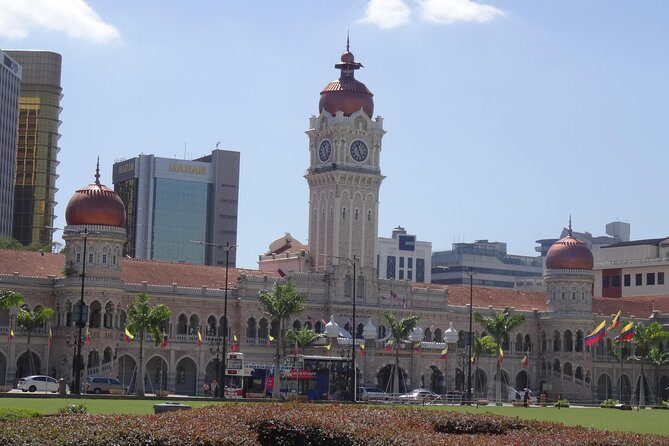
After Batu Caves, the tone shifts from religious landmark to political and architectural heritage. You’ll visit the Sultan Abdul Samad Building area, known for British-built street architecture with Moorish and Tudor-style touches.
This stop matters because it helps you read the city. Kuala Lumpur didn’t develop in a vacuum; colonial planning shaped many of the central landmarks. Standing around Independence Square gives you a quick framework for how KL’s modern identity formed—then you’re ready to bounce between mosques, markets, and multicultural neighborhoods with better context.
You’ll also get classic photo angles here. It’s short on time, but it’s high on “now I see why this looks the way it does.”
Little India Brickfields: Fast Color, Quick Culture, Watch Your Time
Little India in Brickfields is exactly what it sounds like: shops and restaurants aimed at the Indian community, with a strong presence of traditional goods like sarees, flowers, sweets, and Indian music. You’ll also see photo opportunities—this area practically begs for pictures.
The caution is time. The stop is about 30 minutes, which means you’ll likely do a quick walk, scan the streets, and maybe buy one or two items—rather than shop like you’re spending an afternoon. If you care about browsing, come back later on your own.
One more tip: many people love the sensory overload of Little India, but if you don’t enjoy crowds, keep your expectations realistic. This is a neighborhood where daily life happens, not a staged shopping mall.
Jamek Mosque and the Two-River Story That Explains KL
Jamek Mosque is one of the city’s key landmarks and the kind of place that helps you slow down—just a bit. You’ll get a guided view of its Mughal, Islamic, and Moorish design influences, and you’ll hear the story of how Kuala Lumpur’s name links to the confluence of two rivers.
This stop is only around 30 minutes, so you won’t sit through a long explanation. Still, you’ll come away with a clearer sense of why this area became central for settlement and how geography shaped the city.
Practical mindset: treat this stop as a “read the city” moment. Look for details in the architecture and pay attention to the river confluence explanation. It makes KL feel less like a random set of stops and more like one connected place.




Petaling Street and Chinatown: Drive-By Reality vs Street Time
Chinatown shows up as a drive past highlight through Petaling Street Market. Expect a mix of stalls and sellers—everything from clothing and electronics to food. It’s also paired with sights in the older parts of the area, including pre-war houses and temples.
Here’s the honest take: if you want to wander and shop deeply, a drive-by doesn’t give you that. A few people felt the same kind of disappointment—too much time passing, not enough time exploring.
So I’d approach Chinatown with a clear plan:
- If you want photos and quick impressions, you’ll be happy.
- If you want shopping or snacks, schedule a separate Chinatown block later in your trip.
KL Towers Photo Stops: The Quick Views That Help You Map the City
Between the cultural stops, you’ll have photo time tied to the Twin Towers and KL Tower. This is short and focused, but it’s useful for first-time visitors because it helps you anchor KL’s skyline in your mind.
It also makes the rest of the day feel more connected. After caves and mosques, the towers look like a clean “modern contrast.” You’ll leave with a skyline reference even if you aren’t planning a full sightseeing cruise.
Pewter and Batik Factory: Souvenirs You’ll Actually Understand
This is one of the best parts of the whole experience. Instead of treating shopping as a random add-on, you’ll stop at a pewter and batik workshop environment where you can see how items are crafted.
For pewter, you’ll learn about the materials used for metal work (tin, copper) and watch how designs are produced by hand or in a craft-focused workflow. For batik, you’ll see the process behind printed patterns. Even if you don’t buy, the factory visit changes how you shop later—now you know what you’re looking at.
This stop is also a “rain insurance” moment in your day’s logic. If Batu Caves is sweaty and Little India feels crowded, the craft workshop gives you a calmer pace and something to concentrate on.
If you’re a souvenir buyer, this is where I’d spend. It’s easier to justify cost when you understand the work behind it.
Lunch on the Banana Leaf: Great When It Hits, Less Great When It Doesn’t
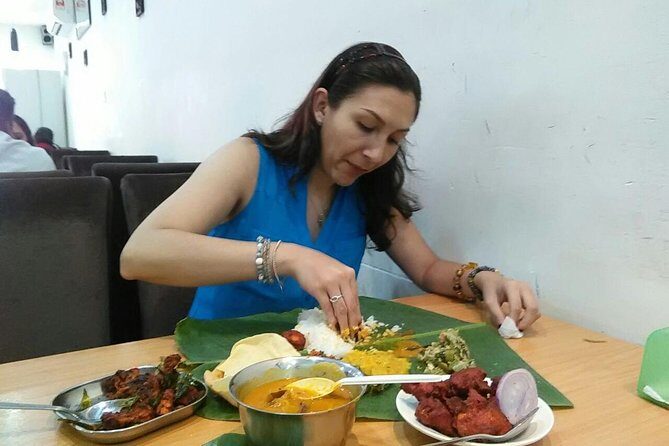
Lunch is part of the experience, served in a neighborhood restaurant. Many people love the cultural element: a traditional Indian meal with a banana leaf setup, including a chance to eat with your hands.
There are two sides to the lunch story:
- When it goes well, it’s a memorable slice of Indian food culture, and dishes like spicy favorites (like chicken 65) can be a highlight.
- When it doesn’t, it can feel more basic than you expect for the price, including reports of a single-course feel or even cold food on occasion.
My practical advice: go in hungry, not picky. If you have dietary restrictions, try to confirm them early when you book. And if you’re sensitive to heat or mess, remember banana leaf dining can be hands-on, so come prepared for a fun-but-chaotic eating style.
Also, plan a bathroom stop before Batu Caves if you can. Some people found limited facilities during the day, and once you’re mid-climb, you don’t want to think about it.
Walks, Steps, and Pacing: Who This Tour Suits Best
This is an efficient highlights tour, so it suits:
- First-timers in Kuala Lumpur who want a fast orientation
- People who like guided context more than self-directed wandering
- Travelers who enjoy cultural stops (temples, mosques, crafts) and don’t mind fixed timing
It’s less ideal for:
- Anyone who wants long free time in markets
- People who dislike stairs (Batu Caves is the main challenge)
- Food-focused travelers who want a guaranteed, high-end lunch experience every time
On the upside, the guides can be flexible about keeping the group comfortable. People highlighted good humor, helpfulness, and a friendly tone—names like Ram, Robert, and Thurai came up as standouts in this style of service.
Should You Book This Tour? My Decision Rule
Book it if you want one day that covers the KL essentials without logistics stress. The best reasons are the Batu Caves climb with context, the factory crafts that explain what you’re buying, and the chance to see Little India and Jamek Mosque without plotting route and timing yourself.
Skip it or rethink it if:
- You hate stairs and worry Batu Caves will strain you.
- You want serious time in Chinatown and Little India to shop and snack at your own pace.
- Lunch quality is a deal-breaker for you, given the occasional complaints about simplicity or temperature.
If you’re trying to choose between doing a “highlights” loop and doing neighborhoods slowly, this one is clearly the highlights option. And that’s not a bad thing—it’s great when your time in KL is limited.
FAQ
What time does the tour start?
The tour starts at 8:00 am.
Is hotel pickup and drop-off included?
Yes. Hotel pickup and drop-off are included.
How long is the tour?
The duration is about 5 hours.
Are admission tickets included for Batu Caves and other stops?
Yes. Admission tickets are included for Batu Caves and also for the Sultan Abdul Samad building stop.
Is lunch included?
Yes. A traditional lunch is included during the tour.
How big is the group?
The tour has a maximum of 15 travelers.
If you tell me your dates and what you care about most (photos, shopping, food, or temples), I can suggest the best way to pair this with 1-2 extra hours on your own in KL.