REVIEW · GEORGE TOWN MALAYSIA
Good Morning Penang Food Tour with 15+ Tastings
Book on GetYourGuide →Operated by A Chef's Tour · Bookable on GetYourGuide
Breakfast in George Town has a syllabus. In this 4-hour morning tour, you walk the shophouse lanes with a guide and work your way through 15+ tastings that explain why Penang food tastes the way it does, with English-led stories from guides like Grace and Sandy. You also get a small group of up to 8, so questions stay easy and the pace stays humane even when the sun shows up.
What I like most is the range: you’re not just stuck in one flavor lane. You may start with prawn mee, then move through famous hits like kaya toast with a runny egg, char koay kak (Chinese radish cake), Penang-style laksa, and dim sum, plus a bunch of smaller “one more bite” stops in between. The main catch is that the tour is not suitable for vegetarians, vegans, halal diets, or no-pork diets, and it’s also rough for people with severe allergies or gluten sensitivity due to traces in soy sauce.
In This Review
- Key highlights you’ll feel from the start
- George Town mornings: where food is local culture
- The 4-hour flow: how the food marathon stays manageable
- Meeting at Xia Boey Kochabi: start easy, then go foot-first
- What 15+ tastings actually means for your plate
- Kaya toast and runny eggs: the breakfast primer
- Char koay kak and dim sum: the savory middle acts
- Penang laksa: learning why it tastes different
- How the guide turns food stops into real understanding
- Small-group guiding (8 max): pace, shade, and better questions
- Price and value: is $49 worth it?
- Who should book this, and who should skip it
- Final call: should you book the Good Morning Penang Food Tour?
- FAQ
- How long is the Good Morning Penang Food Tour?
- How many tastings do you get on the tour?
- What’s the group size?
- Where do you meet the guide?
- What food highlights are included?
- Are drinks included?
- Is it suitable for vegetarians, vegans, or halal diets?
- Is the tour good if I have food allergies or gluten intolerance?
- How much walking is involved?
- What’s the cancellation policy?
Key highlights you’ll feel from the start
- 15+ tastings in 4 hours: lots of food variety without waiting in long lines
- Up to 8 guests: better pacing, more room for questions, easier meeting and regrouping
- George Town old-street atmosphere: shophouses, hawker energy, and real local spots
- Big flavor anchors: kaya toast, char koay kak, Penang laksa, and dim sum
- English guides with stories: history and culture tied directly to what you’re eating
George Town mornings: where food is local culture

Penang’s food scene doesn’t feel like a theme park. It feels like routine. Every morning in George Town, street stalls and shophouses start firing up—steaming, frying, and simmering—so you get to taste the island the way locals do it: breakfast as a daily ritual.
This tour is interesting because it turns that ritual into a guided education. You’re not left wandering, guessing what to order, or decoding a menu with hand gestures. Guides like Grace, Sandy, Lee-Ann, Ken, and Ash are described as confident about the “why” behind each dish—ingredients, cooking style, and the cultural blend that shaped Penang. The Malay, Indian, and Southern Chinese influences show up in how flavors are built and how food is served, not just in vague background talk.
You can also read our reviews of more food & drink experiences in George Town Malaysia
The 4-hour flow: how the food marathon stays manageable
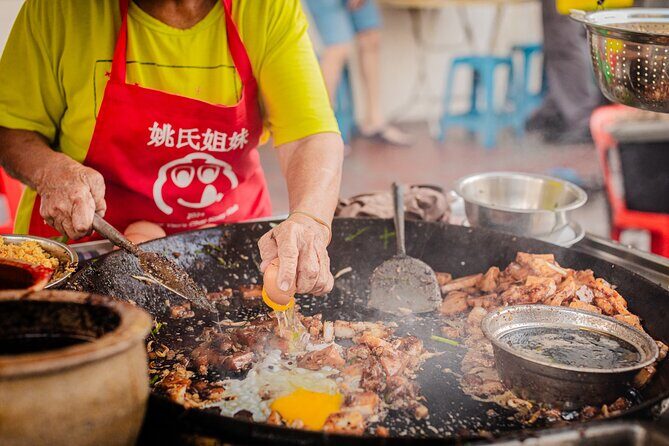
Four hours sounds short until you realize the tour packs 15+ tastings into that window. The clever part is that it doesn’t feel like nonstop standing. You bounce between stalls and small restaurants, and the pacing is built to keep you from losing your appetite halfway through.
From the way the tour is described, it’s usually not “one huge meal.” It’s lots of small tastings—enough to learn and enjoy, not enough to force you into regret later. Several people note it’s well paced, with chances to sit, and even shade breaks when it gets bright. That matters in Penang, where morning can still feel hot.
And yes, you should come hungry. More than once, guests basically say the tour is an eating challenge in the best way. Still, guides seem to pay attention to the group’s appetite and help you pace, including offering alternatives for kids or for different spice comfort levels.
Meeting at Xia Boey Kochabi: start easy, then go foot-first
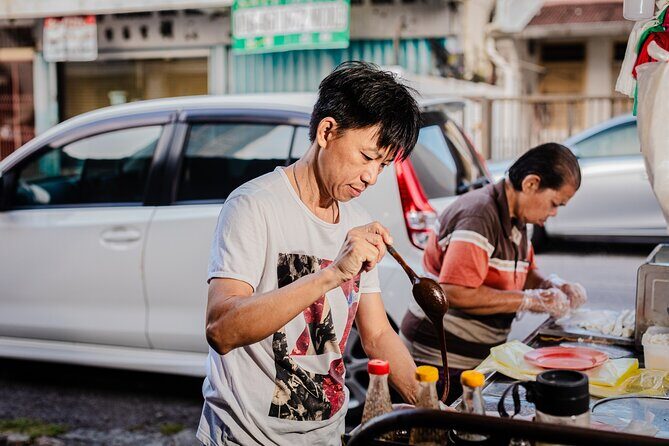
Your meeting point is at Xia Boey Kochabi Restaurant in old George Town. The guide will be wearing a black uniform with the A Chef’s Tour branding and will be at the restaurant.
This matters for two reasons:
- You don’t lose time guessing where the group starts.
- It’s in the heart of the action, so the walking starts quickly and stays connected to what you’re eating.
If you’re staying farther away, the easiest option is a Grab taxi. Traffic in Penang can be unpredictable, so it’s smart to factor in time to arrive before the tour begins. Once you’re there, the old-street layout makes it easy to move between stops on foot.
What 15+ tastings actually means for your plate
Let’s talk about the practical reality: 15+ tastings in 4 hours means you’ll be sampling, not dining. That’s a big win for value, but also a reason to treat it like a food education session.
Here’s what the experience is likely to cover, based on the dishes called out as standouts:
- Kaya toast with a runny egg: sweet, rich kaya plus soft, runny yolk. Great for understanding Penang’s love of breakfast comfort.
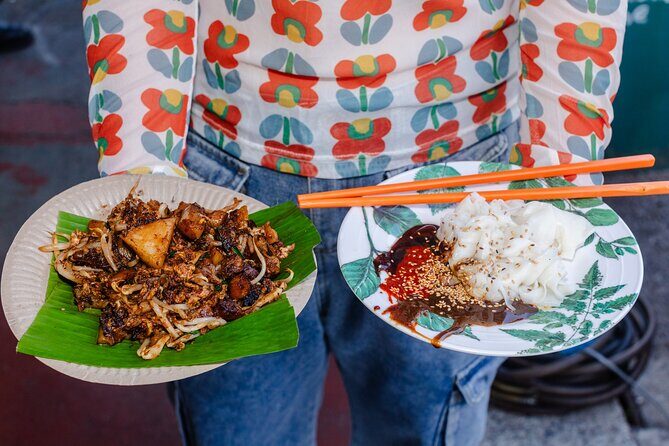
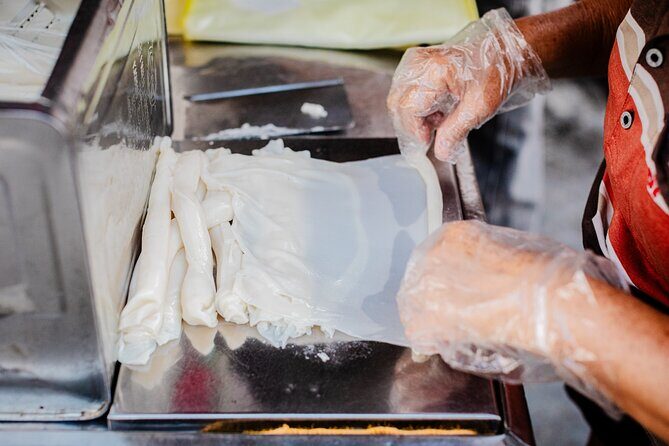
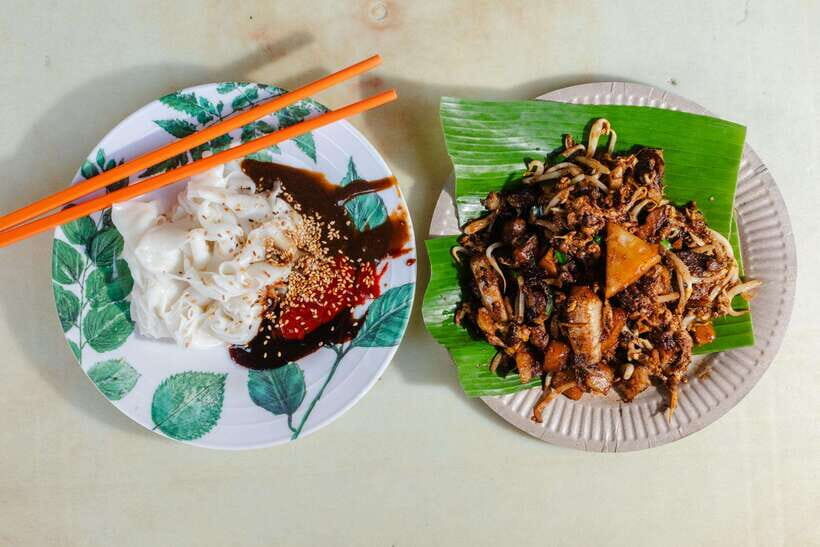
- Char koay kak (Chinese radish cake): smoky stir-fried flavors with that lightly chewy cake texture. This is one of those “only tastes right when it’s cooked fresh” dishes.
- Penang-style laksa: the fruity, aromatic side of the island’s comfort food world. Laksa in Penang has its own personality compared with other Malaysian regions, and the guide is there to help you notice the differences.
- Dim sum: some of the island’s best, served in a way that fits the morning flow—small plates you can sample without feeling stuffed instantly.
On top of those anchors, you’ll likely hit more bites across the route—more stall snacks and small restaurant tastings—so you get variety in texture (crisp, chewy, steamed), temperature (hot tea style snacks, warm soups), and flavor profile (sweet-salty, smoky, tangy).
Kaya toast and runny eggs: the breakfast primer

The tour’s morning start puts you on a classic track: coffee shop energy, breakfast staples, and the sweet-savory combo Penang is known for. Kaya toast with runny egg is one of the highlights mentioned, and it’s a perfect “first lesson” dish.
Why it works: kaya isn’t just sugar syrup. It’s a rich spread that shows up in how Penang builds sweetness—less about dessert, more about breakfast comfort. Pairing it with a runny egg also teaches you something practical: the dish is meant to be balanced. If you treat it as dessert, you miss the point.
If you’re the kind of person who wants to understand the difference between foods that sound similar, you’ll like this stop. It’s an easy entry into Penang’s flavor logic.
A few more George Town Malaysia tours and experiences worth a look


Char koay kak and dim sum: the savory middle acts
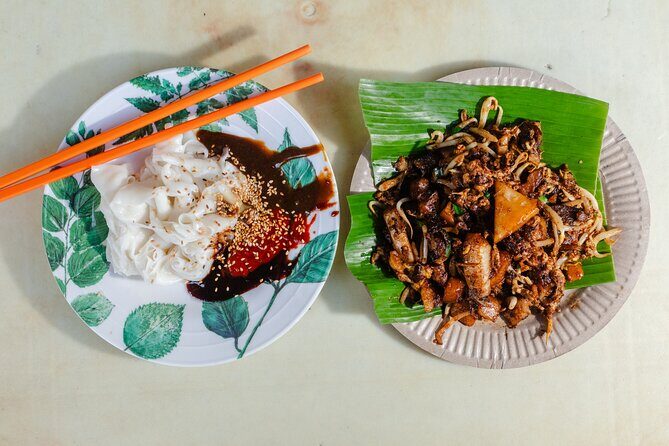
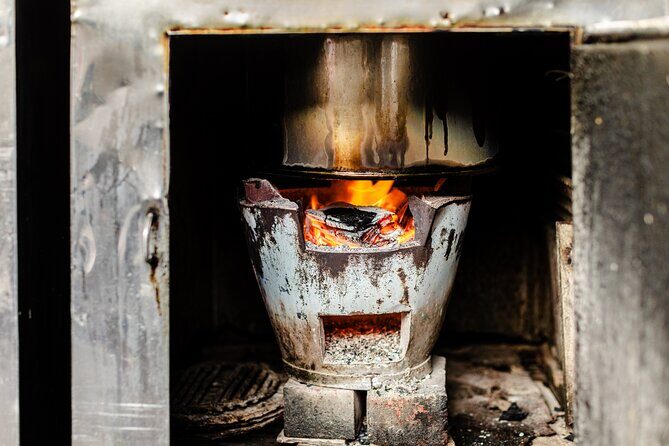
After the early sweet start, the tour leans into savory power. Char koay kak is repeatedly called out, especially the version that’s smoky and stir-fried. That smoky note isn’t accidental—it’s tied to how it’s cooked and finished right there at the stall.
Then you get dim sum. Dim sum is a smart choice for a tour because it’s modular. You can sample several items without needing one “main course” commitment. It also gives you a chance to compare textures: steamed softness, dumpling chew, and lightly flavored bite sizes.
One thing I’d keep in mind: dim sum and radish cake can be filling fast. Even when portions aren’t huge, you’re eating multiple items in succession. The tour helps by moving you along and keeping the pace steady rather than letting you stagnate at one stop too long.
Penang laksa: learning why it tastes different
Penang-style laksa is one of those foods that people love because it’s both comforting and complex. It’s also one of the best examples of how Penang’s history shapes flavors—Malay, Indian, and Southern Chinese influences all leave fingerprints.
This tour highlights Penang laksa as a “fruity” style. That’s a clue for what to pay attention to as you eat. Instead of thinking only about spice, notice the aroma and the layered tang—what hits first and what lingers afterward. The guide’s job is to point out the ingredients and the cultural context so you don’t just taste it, you recognize it.
If you’ve tried laksa elsewhere in Malaysia or Singapore, this stop is still worth it. People often discover that the same dish name doesn’t mean the same flavor story. Having an English guide makes it much easier to understand what’s different and why.
How the guide turns food stops into real understanding
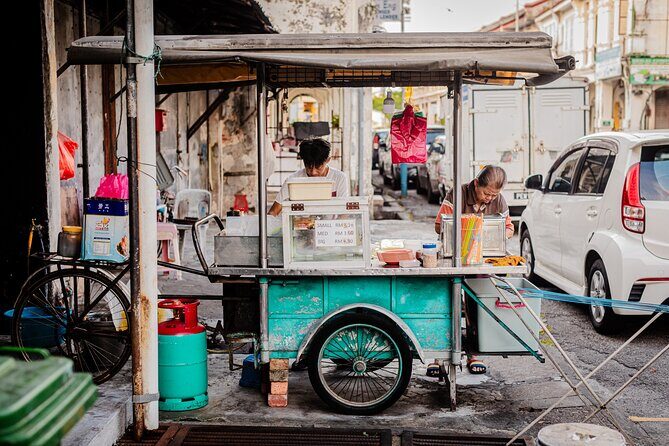
The tour’s value isn’t only the food—it’s the translation layer between street cooking and your fork. Guests repeatedly mention that guides share history and cultural significance tied to each stop, and that questions are welcome.
You’ll get explanations like:
- how ingredients work together in a dish
- why certain vendors or shops matter
- what to look for in the food as it’s served
This is where guides such as Lee-Ann, Ken, Sandy, and Grace get praised the most. They’re described as entertaining, energetic, and focused on making sure you understand what you’re eating and where it comes from.
One practical note: guides also seem to adjust within reason. A few guests mention options for kids and for people who want less spice. That’s helpful because in Penang, flavor can move fast from mild to intense.
Small-group guiding (8 max): pace, shade, and better questions
A small group is not just a comfort perk. It changes how the tour runs.
- You can ask quick follow-ups without feeling rushed.
- The guide can manage pacing when some people eat faster or slower.
- Regrouping is smoother at busy street corners.
Several guests specifically praise shade breaks and forward planning on sunny days. That’s a big deal in the morning because you’re outside most of the time. Bring an umbrella even if the forecast looks fine. Even with breaks, Penang’s sun can make you wish for one.
And because it’s up to 8 people, it’s easier for your guide to notice if you’re overwhelmed by the amount of food. That helps you pace yourself instead of trying to “push through” everything.
Price and value: is $49 worth it?
At $49 per person for about 4 hours, the best way to judge value is simple: 15+ tastings plus bottled water and local soft drinks included.
If you do the rough math, you’re paying about a few dollars per tasting, which is a strong deal compared with buying multiple dishes individually across old George Town. You’re also paying for something that’s hard to replicate alone: a knowledgeable guide who helps you order, interpret, and understand what matters about each stop.
You don’t get alcohol on this tour, which can be a good thing. It keeps the experience focused on food, not pacing your day around drinks. You also don’t get hotel pickup/drop-off included, so you’ll handle your own arrival via walk or Grab.
My bottom-line take: if you like street food, want to sample lots of Penang favorites without planning, and don’t mind eating steadily for 4 hours, $49 looks like fair value.
Who should book this, and who should skip it
This tour is built for people who want a fast, guided tasting route through old George Town and don’t want to waste time figuring things out on their own.
Best fit:
- you’re a food lover who likes trying lots of dishes
- you enjoy learning the cultural story behind what you eat
- you want to see George Town while you eat
Not a great fit if:
- you’re vegetarian or vegan
- you follow halal or require no-pork diets
- you have severe allergies (the tour is marked unsuitable for people with food allergies and nut allergies)
- you have severe gluten intolerance (soy sauce traces of gluten)
- you’re very sensitive to cross-contact risks at small stalls
One more consideration: some reviews mention that utensils may not always be provided in the same way you might expect at home. If you’re extra particular about shared serving practices, keep that in mind and manage expectations for street-stall style eating.
Final call: should you book the Good Morning Penang Food Tour?
Yes, I’d book it if your goal is to eat your way through Penang’s street food and come away with a clear sense of what George Town does best. The 15+ tastings, the small group of up to 8, and the guide-led history make it feel like more than just snack sampling.
Skip it if your dietary needs are strict (vegetarian, vegan, halal, no-pork, nut allergies, severe gluten intolerance). And if you don’t want to eat a lot in a short time, choose a lighter plan instead, because this tour is designed as a morning food marathon.
FAQ
How long is the Good Morning Penang Food Tour?
It lasts 4 hours.
How many tastings do you get on the tour?
You’ll try 15+ tastings during the 4-hour experience.
What’s the group size?
The tour is limited to a maximum of 8 participants.
Where do you meet the guide?
You meet at Xia Boey Kochabi Restaurant in old George Town. The guide is wearing an A Chef’s Tour black uniform and is at the restaurant.
What food highlights are included?
The tour includes tastings such as kaya toast with runny egg, char koay kak (Chinese radish cake), Penang-style laksa, and some dim sum, plus more dishes.
Are drinks included?
Bottled water and local soft drinks are included. Alcoholic drinks are excluded.
Is it suitable for vegetarians, vegans, or halal diets?
No. It’s not suitable for vegetarians, vegans, no-pork diets, or those who follow a halal diet.
Is the tour good if I have food allergies or gluten intolerance?
It’s not suitable for severe allergies or severe gluten intolerances. Soy sauce can contain traces of gluten. It is marked suitable for lactose intolerance.
How much walking is involved?
It includes walking around old George Town between food stops. Comfortable shoes are recommended, and you’ll want to bring an umbrella.
What’s the cancellation policy?
You can cancel up to 24 hours in advance for a full refund.