REVIEW · LANGKAWI
Langkawi: UNESCO Global Geopark Mangrove Cruise
Book on GetYourGuide →Operated by JungleWalla Tours · Bookable on GetYourGuide
Mangroves teach Langkawi fast. This Langkawi UNESCO Global Geopark mangrove cruise takes you through a root maze where wildlife shares the same salt-and-shadow world, and then you finish with ocean views of limestone rock rising dramatically from the sea. I like that the whole outing is built around real ecology, not feeding-frenzy gimmicks.
I love the small-group feel (limited to 8) and the relaxed pace that gives you time to actually watch. I also love the ethical rule that the crew does not feed animals—so birds, monkeys, and other wildlife stay wild. One consideration: this tour is not suitable for people with mobility impairments, so check your comfort level before booking.
In This Review
- Mangrove Cruise Quick Hits (What Makes This One Worth Your Time)
- Why Langkawi’s UNESCO Mangroves Feel Different
- Getting to Tanjung Rhu and Settling In
- The Main Event: Two Hours Through the Mangrove Root Maze
- The Photo Stop and the 30-Minute Walk: Where the View Clicks
- Leaving the Mangroves for Limestone Drama
- The Ethical Rule That Changes Everything: No Feeding
- Guides and Captains: The People Who Make It Click
- Comfort, Timing, and What 150 Minutes Really Feels Like
- Price Value: Why $34 Can Be a Smart Spend Here
- What to Bring (and the One Rule You’ll Be Glad For)
- Who Should Book This Mangrove Cruise?
- Should You Book JungleWalla’s Langkawi Mangrove Cruise?
- FAQ
- Where is the meeting point for this mangrove cruise?
- How long is the tour?
- What language is the nature guide?
- Is feeding animals allowed?
- What should I bring for the trip?
- Is this tour suitable for people with mobility impairments?
Mangrove Cruise Quick Hits (What Makes This One Worth Your Time)
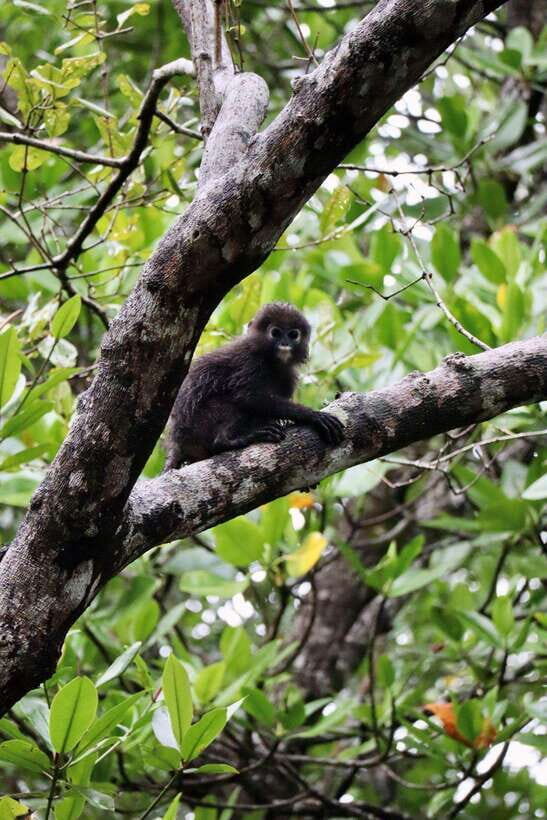
- No animal feeding policy keeps wildlife behavior natural and avoids harmful habits used by some other tours
- Small group size (up to 8) means better spotting, more questions, and more attention from the guide
- Long-tail boat through mangrove channels is slow enough to notice details like birdsong and root geometry
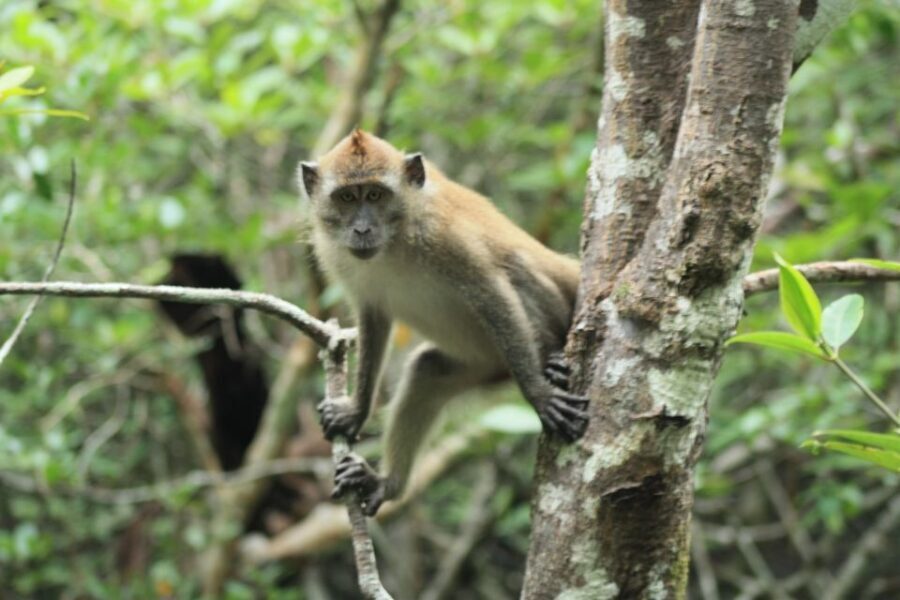
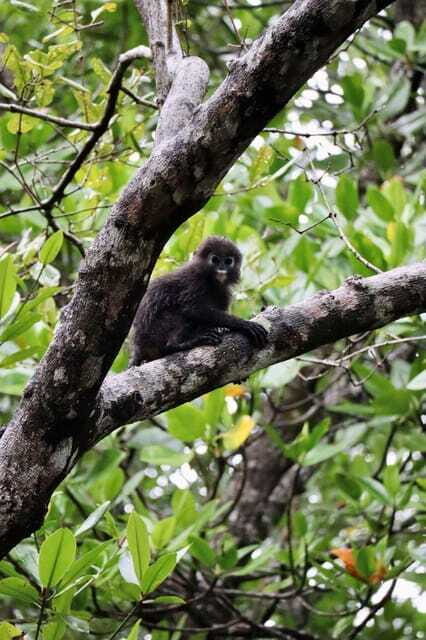
- Wildlife variety can include land-walking fish, kingfishers, eagles/sea eagles, snakes, monitor lizards, crabs, otters, and dolphins (when luck is with you)
- Limestone “coral thrust” views add geology to the day, not just a bird checklist
- Explorer-style boat with Bimini cover + water provided makes the ride more comfortable in Langkawi heat
Why Langkawi’s UNESCO Mangroves Feel Different
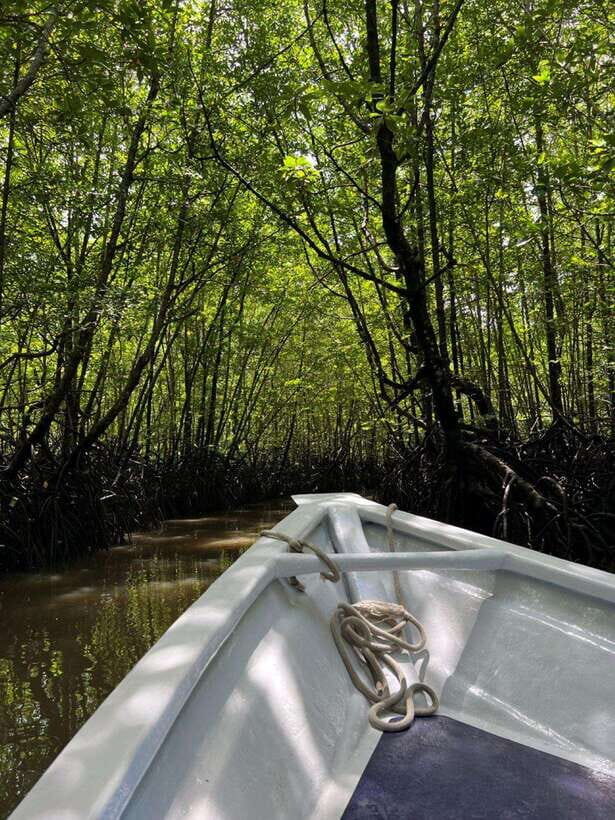
Langkawi’s mangroves aren’t just scenic. They’re part of a UNESCO Global Geopark system tied to the Langkawi Archipelago (99 islands) and the Andaman Sea ecosystem. That matters because mangroves are a living border zone: salty water, tangled roots, and constant movement create habitat for species you’d miss anywhere else.
On this cruise, you get that “maze effect” right away. Instead of cruising past mangroves like a backdrop, you travel through the root-and-channel network that forms over millennia. And when the boat leaves the mangroves behind, the geology shifts fast—limestone rock formations rise out of the ocean, including ancient coral material pushed skyward millions of years ago. You’re seeing how a coastline gets shaped, not just a pretty shoreline.
You can also read our reviews of more boat tours in Langkawi
Getting to Tanjung Rhu and Settling In
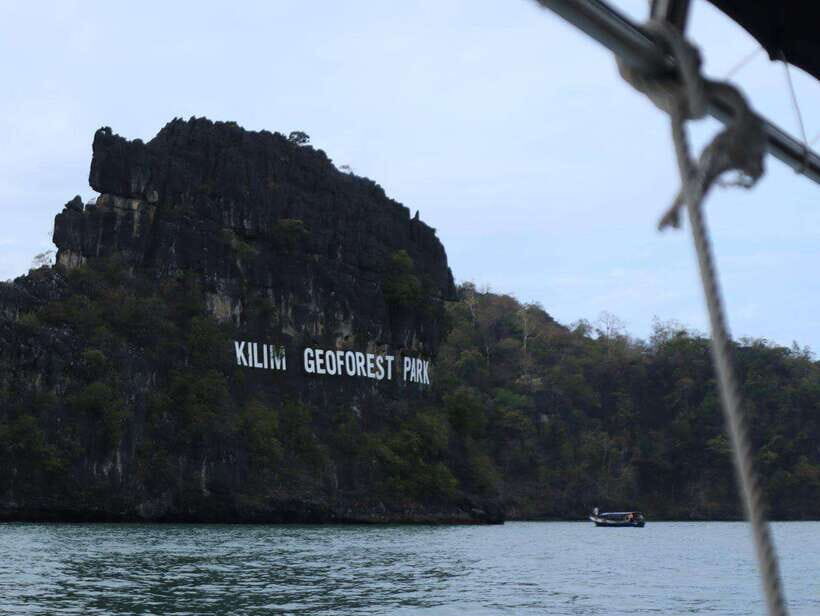
You’ll meet at Tanjung Rhu Jetty (near Jalan Tanjung Rhu). From there, the experience runs about 150 minutes total, with the core time on the water and a short land moment afterward.
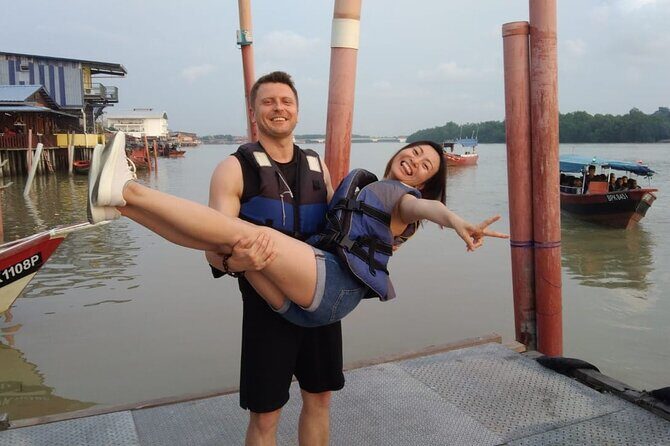
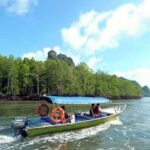
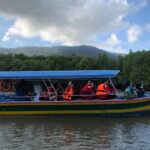
The boat ride is on a long-tail style vessel with a Bimini cover, plus a bottle of water for the group. That cover sounds minor until you’re in full sun, and Langkawi does not do subtle heat. The small group limit (up to 8 participants) also changes the vibe: fewer distractions, easier spotting, and less crowding when the guide points out wildlife.
Practical tip: because there’s no mention of a proper onboard restroom, I’d plan to use facilities before you go. One review specifically noted they handled an urgent bathroom break by stopping nearby—still, it’s smart to avoid turning the trip into a logistics problem.
The Main Event: Two Hours Through the Mangrove Root Maze
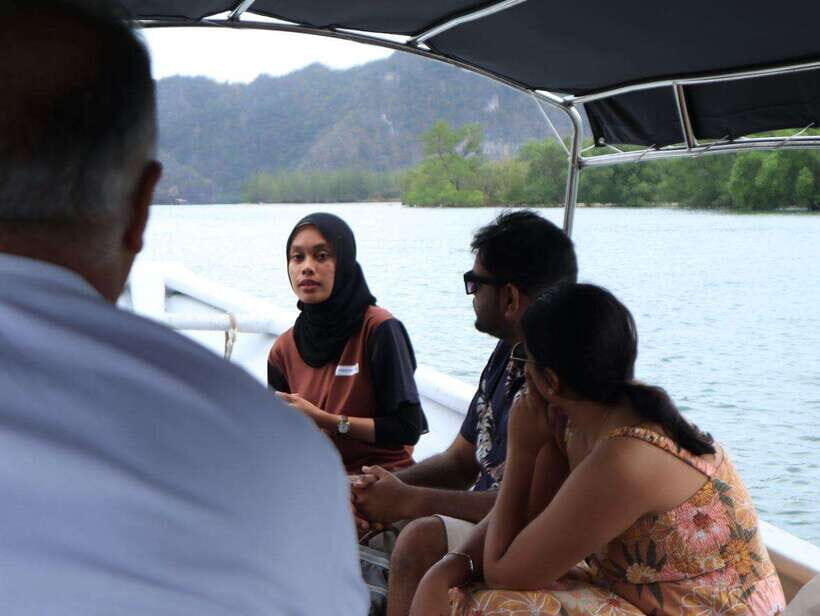
The heart of the tour is a guided long-tail boat ride through the mangrove maze. This is where the ecosystem show-and-tell really happens: you glide along narrow channels, slow down when wildlife appears, and get explanations that connect animals to the habitat that supports them.
Here’s what you can look (and listen) for, based on the tour’s described wildlife focus and the kinds of sightings people report:
- Land-walking fish that move through shallow, oxygen-rich edges
- Kingfishers and other small birds that flash blue and green along the roots
- Eagles/sea eagles perched low or circling overhead when the conditions are right
- Crabs (including fiddler-crab types) and other small movers in mudflats
- Larger reptiles like monitor lizards, plus the occasional snake sighting
- Mammals like otters and, with good luck, dolphins out in the water
A lot of cruise value comes down to pace. Feedback for this operator highlights patient navigation and a calmer ride than you might get with busier boats. That helps in two ways: you see more because the captain takes time, and you stress the animals less because the boat doesn’t blast through every channel.
If you’re a photographer, this is also where the boat’s speed matters. Slower movement gives you steadier framing, more chances to read behavior (not just grab one image), and time for the guide to position you for what’s actually happening.
The Photo Stop and the 30-Minute Walk: Where the View Clicks
After the main boat portion, you’ll have a photo stop and a 30-minute walk as part of the guided segment. This is a short stretch, but it’s often the moment that rounds out the whole trip.
On the water, your perspective is mostly horizontal—roots, birds, and movement in the channel. On land, even for a brief walk, you can get better angles on the mangrove structure and the way the coast transitions. For wildlife lovers, the walk also gives you a chance to notice small details you might miss from the boat: the types of plants near the shoreline, track-like signs of movement, and the way light changes across the waterline.
What to watch out for: Langkawi sun is relentless. Wear the basics the tour recommends—T-shirt, shorts or trousers, and sandals or walking shoes, plus sunscreen and sun protection. If you’re bringing a waterproof bag, this is also a good moment to check it’s sealed well, since the whole day is built around water access.
Leaving the Mangroves for Limestone Drama
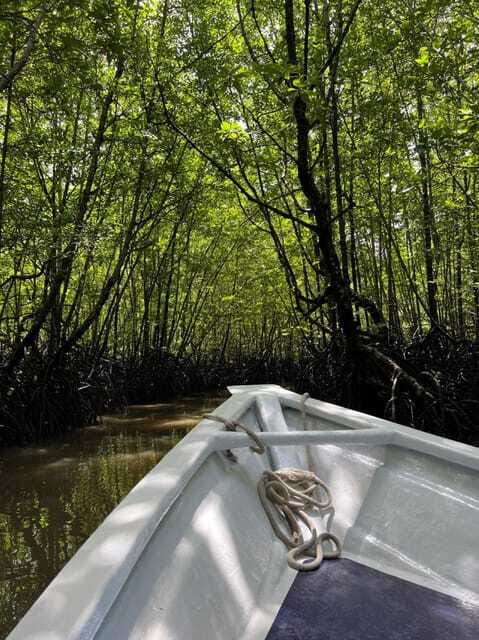
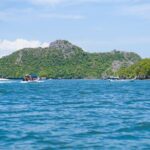
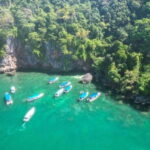
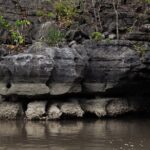
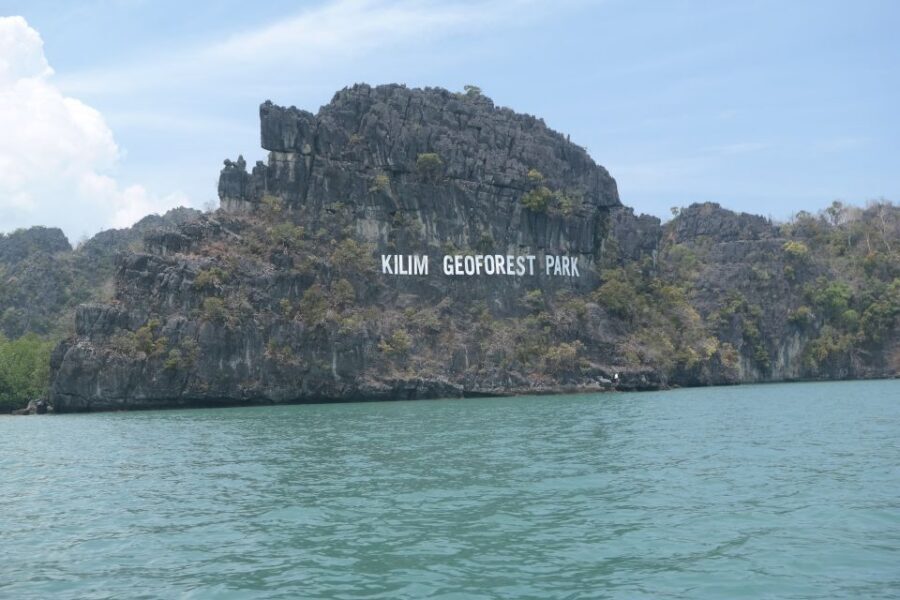
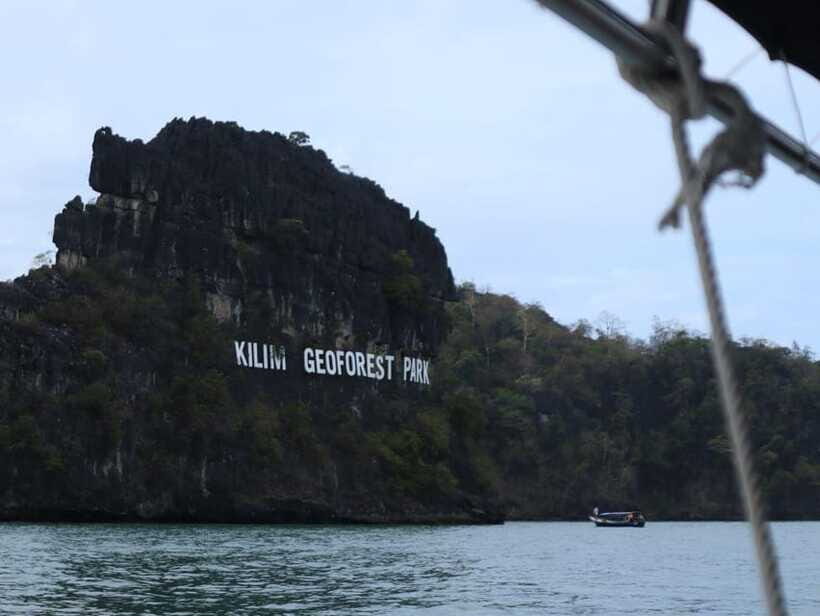
Once the cruise departs the mangrove forest, the scenery shifts toward the ocean’s geology—limestone rock formations that rise dramatically from the water. The tour’s description includes limestone tied to ancient coral uplift, formed over millions of years.
This is more than a scenic payoff. Mangroves and limestone connect in a way that affects everything else: currents, sheltered waters, and where nutrients collect. When your guide connects the dots—roots as habitat, rock formations as part of the coastal system—it turns a simple boat ride into something you can actually explain after you’re back in town.
You’ll also hear about why mangroves are so important in extreme conditions. Multiple reviews mention the role mangroves played during the 2004 tsunami, which is a good example of the ecosystem doing real work for people, not only for wildlife. If you’ve been thinking Langkawi is mostly beaches and boats, this part is a reality check in the best way.
The Ethical Rule That Changes Everything: No Feeding
This is the deal-breaker for many people, and it’s a clear reason for the tour’s high rating: the operator follows a no animal feeding approach.
In the reviews, this shows up again and again. People specifically appreciated that wildlife is not fed, and that the experience avoids the kind of behavior—like attracting animals for photos—that can disrupt feeding patterns and harm animals over time. That also affects what you see. Wildlife might not be as “performative” as it can be with bait, but the behavior you witness is more honest. You’re watching real wild choices, not a menu-driven schedule.
There’s also an emotional side. When animals remain undisturbed, the whole trip feels calmer. One review described the ride as slow and quiet compared with other boats nearby, which makes sense if the priority is less disturbance. You’re not fighting for attention or noise; you’re reading nature.
And yes—people report impressive sightings anyway, including dolphins on some days. The message is simple: ethical tourism doesn’t have to mean fewer animals. It means you stop forcing them to come closer.
Guides and Captains: The People Who Make It Click
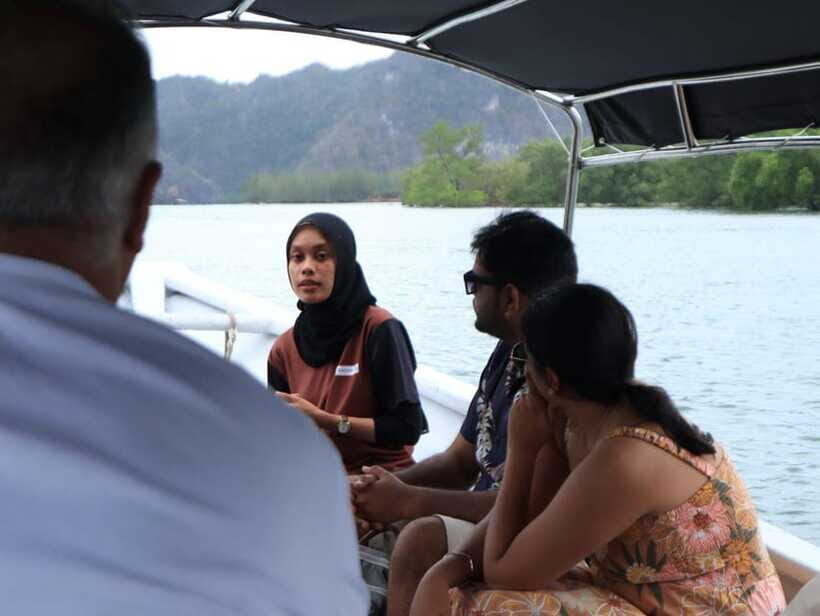
In an ecosystem tour, the guide is the difference between seeing stuff and understanding stuff. On this cruise, the guide role is big, and feedback is very consistent about clear, engaging explanations and an ability to answer questions in real time.
Names mentioned in feedback include guides such as Masyi, Jien, Francis, Rodhiah, Wanda, Azri, Jan, Ari, and Danish, along with captains who keep the boat safe and comfortable. You can treat that as a good sign of team consistency: the experience depends on people who care about the mangroves and can translate that care into facts you’ll remember.
What I value most as a reader of these descriptions: the guide doesn’t just point at animals. They explain why the habitat matters—roots, mudflats, water movement, and how the whole system supports species in the Andaman Sea area.
Comfort, Timing, and What 150 Minutes Really Feels Like
A 150-minute tour is a sweet spot for Langkawi. It’s long enough to do the main water segment and include a walk, but short enough that you’re not stuck for half a day when you could be eating, swimming, or exploring the islands.
The itinerary structure is straightforward:
- Long-tail boat ride (about 2 hours) as the main wildlife block
- A photo stop plus around 30 minutes of walking
- Back to Jalan Tanjung Rhu area at the end
Drawback to consider: this isn’t a slow full-day outing. If you’re the type who wants long stops to linger on one spot, you might feel the pace is tight. But if you want a well-organized nature loop with a focus on observation and learning, the timing works.
Also, the tour runs when weather allows. If it’s canceled due to poor weather, you’ll get an alternative date or a full refund. That’s the practical reality of cruising mangroves—channels and safety come first.
Price Value: Why $34 Can Be a Smart Spend Here
At $34 per person, this cruise sits in the “not-cheap, not-bank-breaking” zone. What makes it good value is what’s included and what’s avoided.
Included:
- English-speaking nature guide
- Explorer boat ride with Bimini cover
- Water
What you’re not paying extra for is a bunch of tourist add-ons, because the focus stays on the mangrove ecosystem and the geopark setting—plus the ethical no-feeding approach is part of the brand, not an afterthought.
And small group size is part of the value equation. With up to 8 people, you’re more likely to:
- get better sighting opportunities,
- receive attentive guidance,
- and avoid the chaotic crowd effect some wildlife tours create.
If you’re choosing between cheaper tours that rely on feeding or aggressive wildlife handling, this one tends to make more sense. You’re paying for a slower, more respectful experience that still delivers wildlife viewing.
What to Bring (and the One Rule You’ll Be Glad For)
Bring:
- A waterproof bag (the day is built around boat access and wet surfaces)
- Sunscreen and sun protection
- T-shirt and shorts/trousers
- Sandals or walking shoes
Not allowed:
- Feeding animals
That no-feeding rule is not only for animal welfare; it also protects your own experience. It keeps the guide from chasing a photo moment that risks stressing wildlife. You’ll still see animals—just in the way nature intended, at nature speed.
One more practical note: the tour is not described as offering restroom facilities on the boat. If you’re the person who needs a break, build in extra time for the before-ride planning.
Who Should Book This Mangrove Cruise?
This tour is a strong fit if you:
- love nature and want more than postcard scenery,
- care about ethical wildlife viewing and hate the idea of baited animals,
- prefer small groups and better guide attention,
- want a mix of wildlife watching and geology (mangroves plus limestone formations),
- are okay with a short walk and sun.
It may not be your best match if you:
- need accommodations for mobility impairments (the tour notes it’s not suitable),
- want a long, leisurely, all-day hike.
Families can be interested too. Child pricing applies for ages 5 to 12, and the operator requires a minimum of 2 adult tickets before child price tickets are available.
Should You Book JungleWalla’s Langkawi Mangrove Cruise?
If your idea of a great Langkawi day includes wildlife, quiet observation, and guides who explain how the ecosystem works, then yes—this is an easy recommendation. The standout reason is the no feeding approach paired with a small-group format. That combination tends to create the calm, respectful energy that makes animal sightings feel real rather than forced.
The only “wait and think” moment is fit. If you have mobility limitations, skip this one. If you’re comfortable walking a bit and you’re ready for sun and weather-dependent conditions, you’ll likely feel like the time is used well—150 minutes that actually teach you something about Langkawi’s living coastline.
FAQ
Where is the meeting point for this mangrove cruise?
You meet at Tanjung Rhu Jetty, Langkawi.
How long is the tour?
The duration is listed as 150 minutes.
What language is the nature guide?
The live tour guide speaks English.
Is feeding animals allowed?
No. Feeding animals is not allowed.
What should I bring for the trip?
Bring a waterproof bag, plus sun protection like sunscreen. Comfortable clothes and sandals or walking shoes are recommended.
Is this tour suitable for people with mobility impairments?
No. It is not suitable for people with mobility impairments.