REVIEW · KOTA KINABALU
Mari-Mari Cultural Village Tour Including Lunch
Book on Viator →Operated by MAM Holidays Malaysia · Bookable on Viator
A morning walk across a suspension bridge feels time-travel-ish. This small-group tour in Kota Kinabalu pairs a guided village house tour with a cultural show, plus lunch and high tea on site. I love how you get the stories and the food in the same visit, not just a quick photo stop.
Two things I especially like: the welcome ceremony with the Chief and the way the guide ties together daily life, dance, and food from several Sabah groups. If you go with kids, it’s also one of those tours that keeps moving, with sampling and performances along the way.
One drawback to plan around: it is not guaranteed to be private. Even with a cap of 15 people, you may share the experience and wait for pickups or overlapping groups depending on the day.
In This Review
- Key things to know before you go
- Mari-Mari Cultural Village: what you’re really buying
- Getting there from Kota Kinabalu: 9am pickup and small-group reality
- The welcome ceremony and the suspension bridge moment
- The five ethnic communities: Dusun, Rungus, Murut, Bajau, Lundayeh
- House tours and demos: where the tour feels most real
- Traditional lunch and high tea inside the village
- The cultural show and performance: why it’s more than entertainment
- Guides can make or break the day (and you’ll notice)
- Transport and timing: the part that can be uneven
- Rain plan and comfort tips for a 5-hour outing
- Price and value: does $58 make sense?
- Who should book this tour?
- Should you book Mari-Mari Cultural Village with lunch?
- FAQ
- How long is the Mari-Mari Cultural Village tour?
- What’s included in the price?
- Is this a private tour?
- What time do they pick me up?
- What foods do I get?
- Which ethnic communities are featured at the village?
- What happens if I need to cancel?
Key things to know before you go
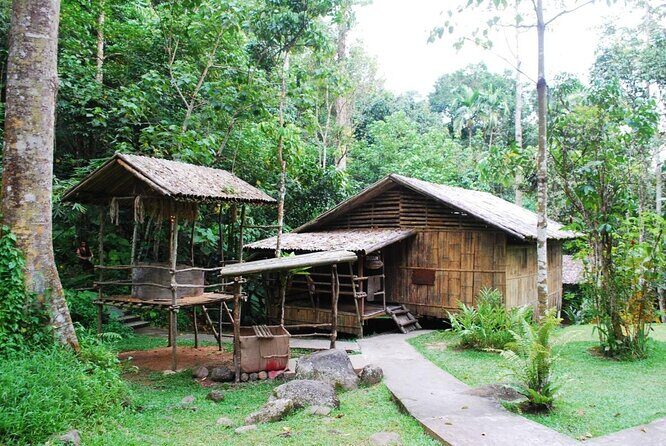
- Welcome ceremony with the Chief sets the tone fast, before you even start walking.
- Suspension bridge entry adds a real sense of stepping into the village setting.
- Five ethnic communities are featured: Dusun, Rungus, Murut, Bajau, and Lundayeh.
- Lunch and high tea are served inside the village, so you’re not rushing to find food.
- Cultural show and performance are part of the core program, not an add-on.
- Rain isn’t a dealbreaker: ponchos may be available on the spot, and wet jungle can feel more real.
Mari-Mari Cultural Village: what you’re really buying
Mari-Mari is one of those places where Sabah culture isn’t treated like a museum display. Instead, you get a guided walk that mixes explanation with hands-on demonstrations, then a cultural performance to tie it together. You’re also not stuck reading placards. A guide steers you through the house tour and demos, and the cultural show gives you a second way to understand what you just saw.
At $58 per person, the price only makes sense if you’re taking the full package. You are paying for the transport, the guide, the in-village meal (lunch plus high tea), and the show. If you’re the kind of traveler who wants everything delivered with minimal planning, this tour format fits well.
A few more Kota Kinabalu tours and experiences worth a look

Getting there from Kota Kinabalu: 9am pickup and small-group reality
The schedule is built around a 9:00 am pickup from centrally located Kota Kinabalu hotels, then a trip to Mari-Mari Cultural Village. The village experience itself is about 3 hours, with total time closer to 5 hours when you include travel and the transfer back.
The big practical detail: this is capped at 15 travelers, and it’s described as shared. That’s usually a good size—small enough to feel personal, but not small enough to guarantee you won’t be grouped with others. Some days can run smoothly. Other days can feel less polished if pickup timing slips or the tour groups overlap.
If timing matters for you—cruise schedules, tight connections, or you’re traveling with a baby—this is the part to take seriously. I’d treat the 9am start as real, not optional, and plan your day so you’re not one delay away from stress.
The welcome ceremony and the suspension bridge moment
You arrive, get a quick briefing on village rules, then you’re greeted by the Chief for a welcome ceremony. It’s the kind of start that sets expectations. You’re not walking in cold; you’re being pulled into the village context right away.
Then comes one of the best “location details” in the whole experience: you walk through the suspension bridge to enter Mari-Mari. It’s short, but it changes the feeling immediately. You’re moving from town-time into village-time, even if you know it’s staged for visitors.
In my view, this is where the tour earns its value. When the entry is organized—rules first, ceremony second—your guide can focus on the cultural explanations during the house demos instead of spending time on logistics.
The five ethnic communities: Dusun, Rungus, Murut, Bajau, Lundayeh
Mari-Mari highlights several Sabah groups under one roof: Dusun, Rungus, Murut, Bajau, and Lundayeh. Your guide connects the dots between their traditional ways of living, stories, and the dances you’ll see during the visit.
Here’s what makes this meaningful for most people: you’re not only learning names. You’re seeing how each group’s identity shows up in daily life themes—homes, tools, and social customs—then you get performance elements that reinforce those ideas.
One practical point: wear shoes that handle uneven ground. A village walk means you’ll likely step on dirt paths and cross areas that don’t feel like a museum walkway. If it’s raining, expect mud. That’s not a reason to avoid it—it’s just smart planning.
House tours and demos: where the tour feels most real
The core of your morning is the house tour with demos. You’ll move through traditional spaces and watch how cultural practices are demonstrated rather than simply explained. This is also where good guiding matters. The tour format depends on the guide translating what you’re seeing into a story you can remember.
From the experience, I’d expect:
- demonstrations in and around traditional living spaces
- explanations about how people lived, worked, and organized community life
- a rhythm that keeps you moving so you don’t get stuck in one area too long
This segment is what most people rate highest, because it gives you the sense of seeing how something works. If your goal is a culture crash course with actual visuals (not just a show), this house tour is the part to prioritize.




Traditional lunch and high tea inside the village
Lunch happens inside Mari-Mari itself, which is a big deal in practical terms. You’re not hungry during the performances, and you don’t have to guess where to eat while fitting into tour timing.
What’s included is clear: local lunch and high tea. You should also expect a chance to sample foods and drinks tied to the different communities represented during the visit. Several guides are known for making the tasting part fun and informative, so if you like eating while you learn, this is your moment.
Two considerations:
- Food timing is fixed to the tour flow. If you have a sensitive schedule, or you’re trying to control your hunger for a later plan, build slack.
- If you have dietary restrictions, the provided details don’t spell out options. You should plan to ask what’s available for lunch and high tea before you commit.
The cultural show and performance: why it’s more than entertainment
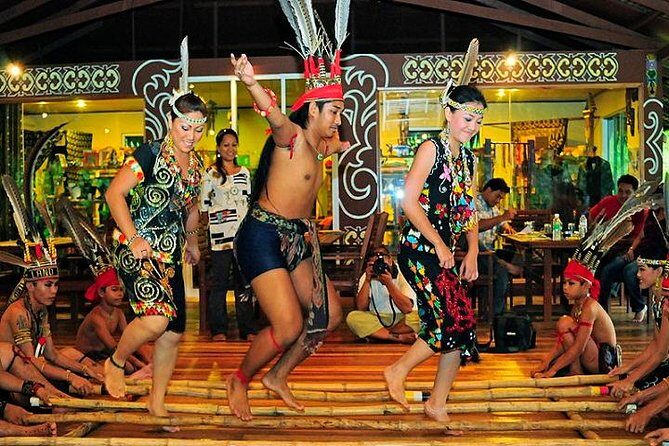
After the house tour, you’ll transition into a cultural show and performance. The performances help you connect the “why” to what you saw in the homes and demos. Dancing and music work like a memory hook—your brain stores it easier than a list of facts.
In the best versions of this tour, the guide sets up what you’re about to see so it doesn’t feel like you’re just watching a stage show. When the guide is on form, the performance becomes an extension of the house tour, not a separate event.
If you’re traveling with kids, this segment can be the payoff. It’s where energy spikes. Even adults who don’t usually care about shows often leave with a few standout moments because the performances give you something clear and emotional to remember.
Guides can make or break the day (and you’ll notice)
This is one of those tours where the guide’s energy shows up immediately. People who had great experiences often call out guide names like Mac, Aril, and Zul. That usually means the storytelling wasn’t just accurate—it was animated, interactive, and tailored to the group.
So what should you look for?
- A guide who explains the “so what” behind the homes and routines
- Someone who keeps you moving without rushing
- Someone who connects food and performance to the same cultural themes
If you end up with a flat delivery, the village itself still has value. But the tour’s main strength is the way a strong guide ties everything together.
Transport and timing: the part that can be uneven
Roundtrip hotel pickup and drop-off is included, and transportation is described as run by an English-speaking driver/driver. In practice, quality can vary. Some people loved how promptly their ride arrived and how smoothly things ran.
On other days, issues show up as:
- pickup being late
- vehicles feeling uncomfortable or poorly maintained
- added stops that don’t feel like they save time
- slower-than-expected return timing
Here’s my practical advice: treat your return as part of your plan, not a guaranteed free window. If you have a later reservation, don’t book it immediately after the tour time. Build buffer time.
Also, if your hotel is outside a centrally located area, you may want to double-check pickup feasibility, since pickup is specifically mentioned for centrally located Kota Kinabalu.
Rain plan and comfort tips for a 5-hour outing
The visit can happen in tropical weather, including rain. In at least one case, rain actually improved the feeling of being in a jungle environment. That makes sense—wet air changes everything, and the village setting feels more alive.
Still, rain means practical problems: slippery ground and damp clothing. Here’s what I’d do:
- bring a poncho or rain jacket (light and packable)
- wear shoes you don’t mind getting muddy
- bring something to protect your phone or camera
Ponchos may be available on the spot if rain hits hard, but I wouldn’t count on it as your only strategy. Better to arrive prepared so you stay comfortable for the full 5-hour day.
Price and value: does $58 make sense?
At $58 per person, this tour is priced like a bundled experience: transport + guide + village program + lunch/high tea + show. For value, the key question is whether you’ll actually use most of the included parts.
You’re likely to feel the value if:
- you want pickup and don’t want to figure out transport yourself
- you care about seeing the houses and demos, not only taking photos
- you’ll eat the included lunch and high tea instead of planning a separate meal
You might feel less satisfied if:
- you’re expecting a private, one-group-only experience
- your transport timing slips and pushes the day off schedule
- you calculate value mostly from the ticket cost and ignore the bundled meal and program
So here’s a balanced tactic: if you hate delays, you could consider arranging your own ride and booking only the village admission/ticketing directly, depending on what’s available. That approach can lower the risk of transport-related stress. But if you want door-to-door convenience and a guided flow, paying for the bundle is worth it.
Who should book this tour?
I’d put Mari-Mari Cultural Village high on the list for:
- families with kids who like short explanations, hands-on demos, and performances
- couples and solo travelers who want an organized cultural day without heavy logistics
- travelers who enjoy food as part of learning (lunch and high tea are included)
I’d think twice if:
- you need strict timing with zero buffer
- you require a fully private tour experience
- you have dietary restrictions that you can’t easily confirm with the operator
Should you book Mari-Mari Cultural Village with lunch?
Yes, with eyes open. If you want a guided, walk-through culture experience in Sabah—complete with a Chief welcome ceremony, house demos, lunch plus high tea, and a cultural performance—this tour is a strong, practical choice for most people.
But don’t assume it’s private. Go expecting a shared group capped at 15, and plan your day with a little breathing room for pickup and return timing. If you do that, you’ll give yourself the best chance to enjoy the parts that consistently impress: the guided village storytelling, interactive demos, and the meal served inside the village setting.
FAQ
How long is the Mari-Mari Cultural Village tour?
The total tour time is about 5 hours, with around 3 hours spent at the Mari-Mari Cultural Village.
What’s included in the price?
Roundtrip transportation, an English-speaking driver, house tour with demo, lunch and high tea, cultural show and performance, and hotel pickup and drop-off (centrally located Kota Kinabalu). Admission is included.
Is this a private tour?
It’s described as a shared tour with a maximum of 15 travelers, so it’s not guaranteed to be private.
What time do they pick me up?
Pickup starts at 9:00 am.
What foods do I get?
Lunch and high tea are included, and they’re served inside Mari-Mari during the visit.
Which ethnic communities are featured at the village?
The village highlights five ethnic groups: Dusun, Rungus, Murut, Bajau, and Lundayeh.
What happens if I need to cancel?
You can cancel for a full refund up to 24 hours before the experience’s start time. If you cancel less than 24 hours before, the amount paid is not refunded.