REVIEW · TELUK BAHANG
Penang: Tropical Fruit Farm Ticket
Book on GetYourGuide →Operated by Globaltix Sdn Bhd · Bookable on GetYourGuide
Tropical fruit heaven comes with a lesson. At Penang Tropical Fruit Farm, you get fresh seasonal fruit plus a guided taste-and-learn stop focused on enzyme tasting and the farm’s 200+ fruit species collection. The biggest practical catch is simple: it’s in the Teluk Bahang hills, so you’ll likely want a taxi/Grab to reach it.
I like that the experience is more than eating fruit for fun. You’ll learn how the farm uses sustainable practices and conservation-minded growing, not just what’s in season. It’s also a short visit, so if you’re hoping for a long, multi-hour tour, plan your expectations.
In This Review
- Key Things I’d Focus on Before You Go
- Getting to Teluk Bahang Without Losing Your Day
- What Your $7 Ticket Really Buys
- The Farm: 200+ Species and a Conservation Mission
- The Guided Tour: How the Tasting Parts Fit Together
- Exploring the Orchards on Your Own (What You’ll Likely Notice)
- Optional Add-Ons: Juice and a Fruit Box
- Sustainable Agriculture and Agro Tourism: The Point of the Lesson
- Who This Works Best For (And Who Might Want to Skip)
- Quick Practical Tips So You Enjoy It More
- Should You Book Penang Tropical Fruit Farm?
- FAQ
- How long is the experience?
- What’s included in the ticket?
- Do you get to taste fruit?
- Is there an English-speaking guide?
- Where do I go to redeem the ticket?
- What should I bring?
- Are outside food and drinks allowed?
- Can I get a refund if I cancel?
- Is this suitable for kids?
Key Things I’d Focus on Before You Go
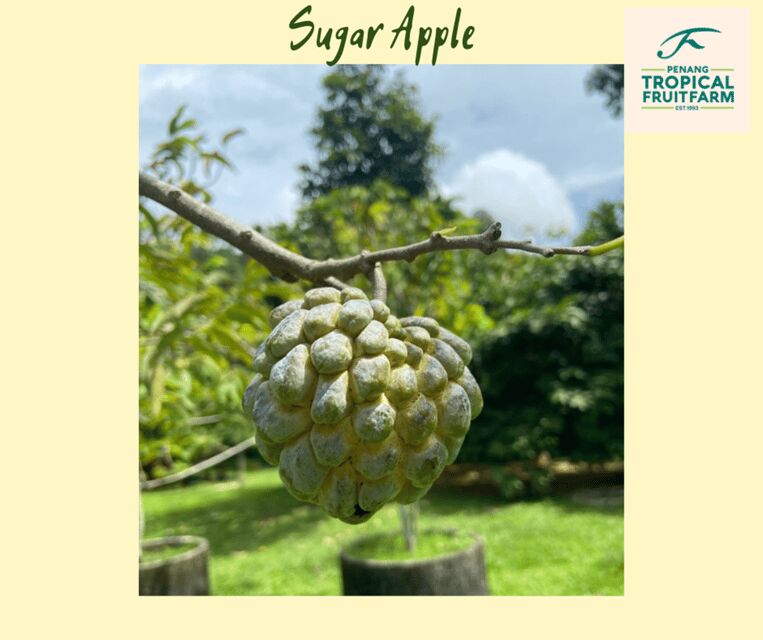
- 25 acres at about 800 feet elevation in Teluk Bahang, which helps explain the farm’s variety.
- A 30-minute guided farm tour in English, built around how the farm is run and what you’re tasting.
- Fruit enzyme process intro + tastings, including fruit enzyme tasting.
- Tea and honey tastings: cinnamon and lemongrass tea testing, plus wild honey tasting.
- Optional extras if you choose them, like a glass of 100% pure fruit juice and a fresh fruit box.
- Practical rules: bring an umbrella, and no outside food or drinks.
Getting to Teluk Bahang Without Losing Your Day
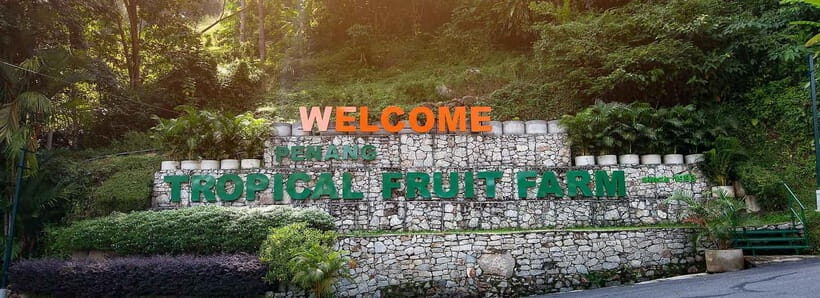
Penang Tropical Fruit Farm sits in the North West of Penang, in the Teluk Bahang area, on hilly terrain roughly 800 feet above sea level. That elevation detail matters because it signals you’re not just wandering a flat roadside garden—you’re visiting an actual working farm spread across 25 acres.
One review highlight that I think matches your real-life planning: this place is easiest to reach by taxi or Grab, not by something casual like a quick stroll from a nearby hotel. So I’d build in time for the ride and any waiting at pick-up points. If you’re chaining this with other Penang stops, treat it like its own mini-adventure, not an afterthought.
Also note the visit is non-refundable, so double-check your timing before you lock it in. And bring an umbrella—rain is the kind of small inconvenience that can turn a short farm tour annoying fast.
A few more Teluk Bahang tours and experiences worth a look

What Your $7 Ticket Really Buys
This is priced at $7 per person for a one-day ticket, and the value is mostly in the included guided content and tastings. You’re not just paying for entry—you’re paying for a structured visit that includes a 30-minute guided farm tour plus multiple sample components.
Here’s what your ticket includes:
- Guided Farm Tour (30 minutes)
- Introduction to fruit enzyme process
- Cinnamon & lemongrass tea testing
- Fruit enzyme tasting
- Wild honey tasting
- Optional add-ons if selected:
- 1 glass of 100% pure fruit juice
- A fresh fruit box
That list is the heart of it. Even though the walking time you control on your own may vary, the guided portion is fixed and the tasting elements are the main payoff. If you’re a fruit lover who also enjoys learning how food is made (without making it complicated), this is a good match for the money.
The Farm: 200+ Species and a Conservation Mission
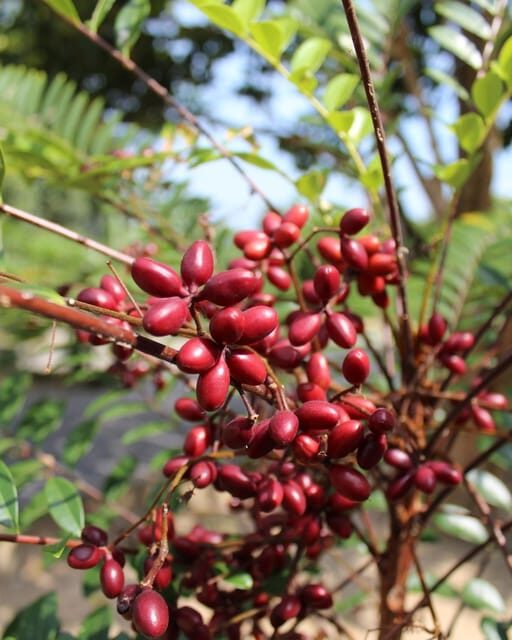
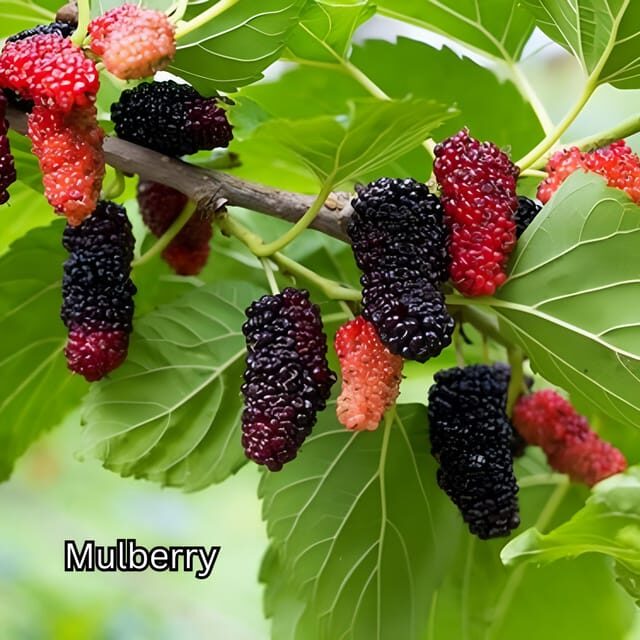
Penang Tropical Fruit Farm is described as the largest collection of tropical fruits in Southeast Asia. The farm developed in 1993 and currently spans over 200 species of edible tropical and sub-tropical fruit trees.
What I like about the setup is the mix of “look at the plants” and “learn what they’re doing.” The farm isn’t only about production. It also aims to conserve rare and exotic fruit trees, and it uses educational tours and displays so you understand why these collections matter.
In other words: you’re not just collecting photos of fruits you recognize. You’re seeing a curated orchard effort that supports biodiversity and teaches agro/eco tourism—how agriculture can be a visitor experience instead of something hidden behind fences.
The Guided Tour: How the Tasting Parts Fit Together
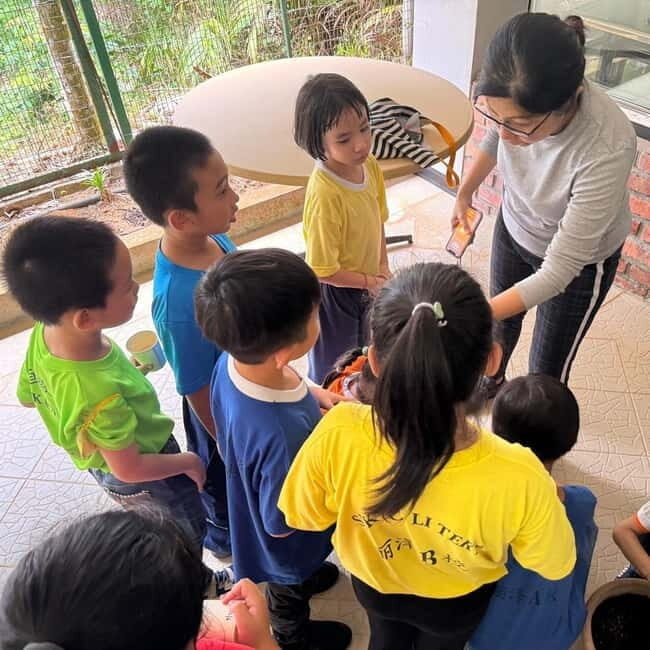
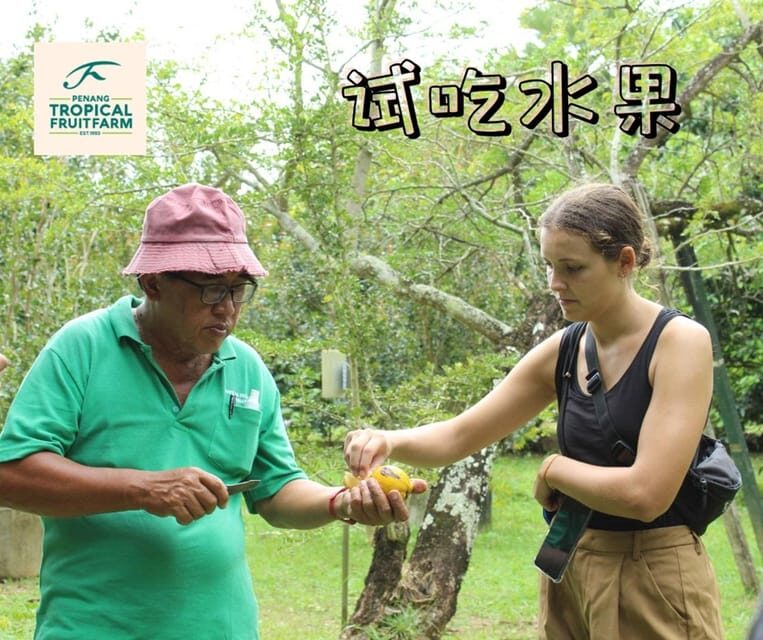
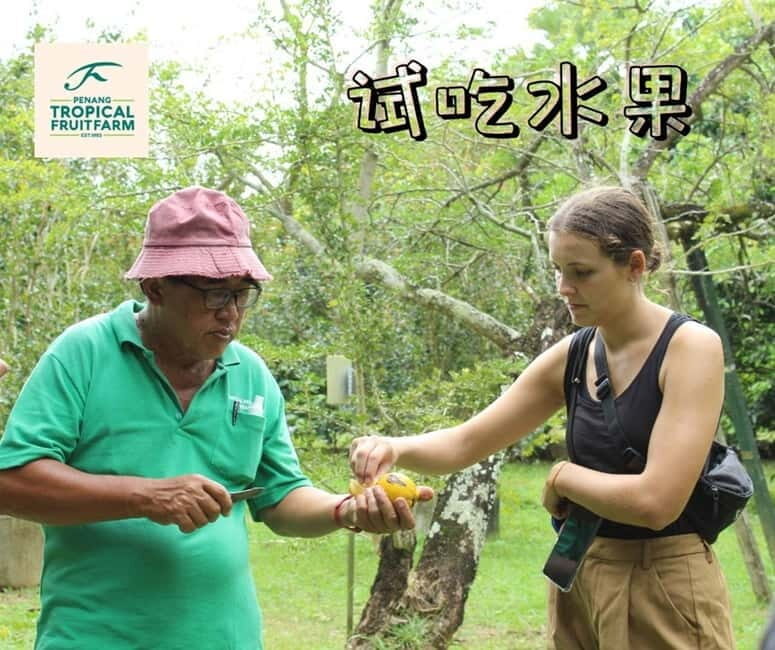
Your included guided time is 30 minutes, led by an English-speaking live guide. That timeframe keeps things efficient. You’ll likely leave with the feeling that you sampled several things but also got the story behind them.
Here’s how the experience connects, item by item:
- Fruit enzyme process introduction: this sets up why you’ll later taste fruit enzyme. It gives context so the samples feel intentional rather than random.
- Cinnamon & lemongrass tea testing: it shifts the senses beyond fruit alone. You’re tasting with aroma in mind, not just sweetness.
- Fruit enzyme tasting: this is where the earlier explanation becomes real on your tongue.
- Wild honey tasting: it adds a different flavor category—rich, floral, and distinct from fruit.
The practical benefit for you: the tastings act like landmarks. Even if some fruit names sound unfamiliar, you’ll remember the “tea test,” the “enzyme sample,” and the “honey tasting” as the anchors of the experience.
Exploring the Orchards on Your Own (What You’ll Likely Notice)
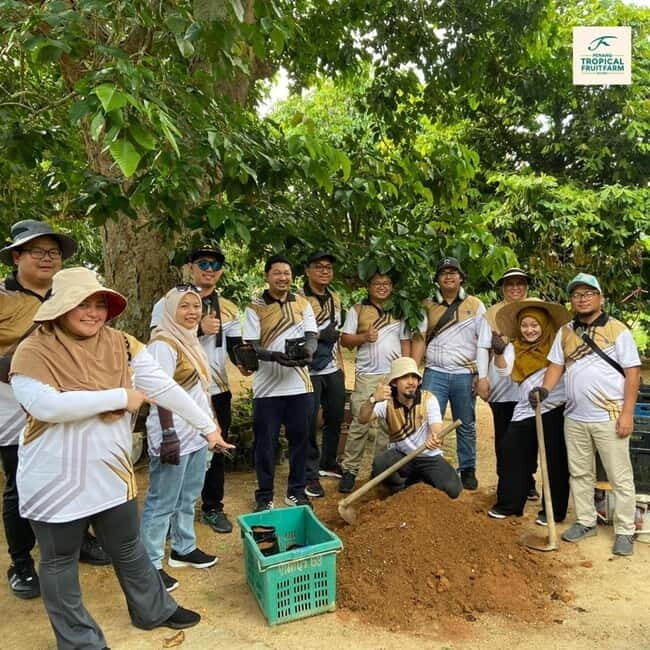
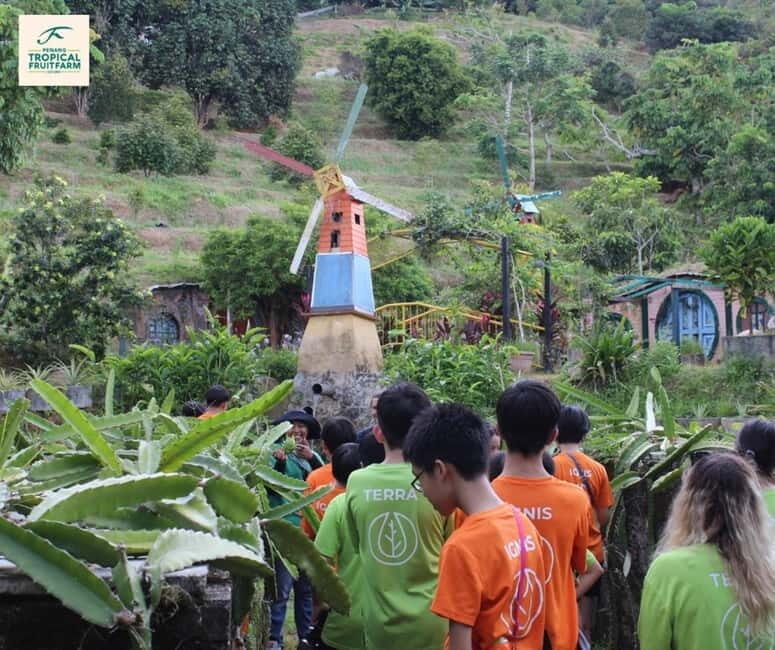
Outside the guided 30-minute portion, the farm visit still centers on exploring the orchards and educational displays. Since you’re in a 25-acre collection of 200+ species, you should expect plenty of variety even if you only spend a short time wandering.
A smart approach is to go in with a simple question: What fruit am I actually tasting later? You’ll find it easier to pay attention when you can connect the name, the tree, and the sample.
Because the farm sits on hilly terrain, you may find walking paths that feel more like a nature visit than a flat botanical stroll. I’d also keep your umbrella handy so a light rain doesn’t cut your enjoyment short.
Optional Add-Ons: Juice and a Fruit Box
Some ticket options include extra food items:
- a glass of 100% pure fruit juice
- a fresh fruit box
I like that these options let you decide how you want to take the experience home. If you’re already full after the tastings, the juice might be enough. If you want a “carry the flavors with you” moment for later, the fruit box makes sense.
Since pricing for the add-ons isn’t provided here, treat them as your personal decision based on appetite and how long you’ll be out after the tour.
Sustainable Agriculture and Agro Tourism: The Point of the Lesson
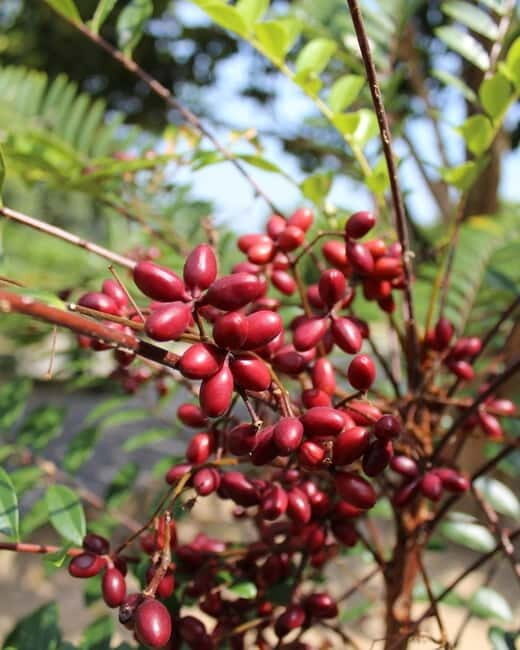
This is where the farm becomes more than a tasting stop. Penang Tropical Fruit Farm is built around sustainable agriculture and its role in tourism. The conservation angle matters too: rare and exotic trees get protected, and visitors learn why that matters.
I find this theme useful because it changes how you interpret the orchard. Instead of thinking, they’re showing off fruits, you start thinking, this is a system—soil, water, growing methods, and plant preservation—made visible for visitors.
That’s also why this visit can work even if you’re not an expert in horticulture. The educational tours are there to translate the farm’s goals into something you can understand quickly.
Who This Works Best For (And Who Might Want to Skip)
This ticket is best for you if:
- you love tropical fruit and want to try samples linked to real trees and cultivation
- you enjoy short tours with clear structure and built-in tastings
- you’re curious about how agriculture and tourism can overlap responsibly
It may be less satisfying if:
- you want a long walking-only nature experience (the guided part is 30 minutes)
- you don’t like tasting sessions or tea/honey type items
- you’re expecting a super-easy location without transportation planning (the Teluk Bahang hills make taxis/Grab the practical choice)
There’s also a note that children age 5–12 years are part of the activity’s info. The exact child rules aren’t spelled out beyond that age mention, so if you’re traveling with kids, I’d confirm the details at checkout so you know what to expect for your group.
Quick Practical Tips So You Enjoy It More
- Bring an umbrella so weather doesn’t ruin the short plan.
- Don’t bring outside food or drinks—this activity notes they’re not allowed.
- Plan your timing with the assumption you’ll use a taxi/Grab from wherever you’re staying.
- Go hungry enough for tastings, but not so hungry that you feel uncomfortable if the tour runs on schedule.
The farm experience is built around samples and a guided flow. If you show up ready to taste and learn, you’ll get the most out of the ticket without needing to overthink it.
Should You Book Penang Tropical Fruit Farm?
Yes, I’d book it if you want a compact, good-value Penang activity focused on fruit plus an actual explanation of how the farm works. At $7, you’re getting a guided tour and multiple tastings tied to the farm’s mission—conservation and sustainable growing—set in a real orchard collection of over 200 species.
I’d pass or at least reconsider if transportation is a hassle for you or if you need a longer, all-day itinerary. But if you’re flexible and you like food learning that stays light and fun, this is exactly the kind of local, practical experience that makes a trip feel specific to Penang.
FAQ
How long is the experience?
The guided farm tour included with the ticket is 30 minutes, and the ticket is valid for 1 day.
What’s included in the ticket?
It includes a guided farm tour, an introduction to the fruit enzyme process, cinnamon and lemongrass tea testing, fruit enzyme tasting, wild honey tasting, and (if selected) a glass of 100% pure fruit juice and/or a fresh fruit box.
Do you get to taste fruit?
Yes. The experience includes fruit enzyme tasting and also involves fresh seasonal fruit from the farm.
Is there an English-speaking guide?
Yes. The tour includes a live guide in English. Other language guides may be available on request, subject to availability.
Where do I go to redeem the ticket?
Go directly to Tropical Fruit Farm for redemption.
What should I bring?
Bring an umbrella.
Are outside food and drinks allowed?
No. Food and drinks are not allowed during the activity.
Can I get a refund if I cancel?
No. The activity is non-refundable.
Is this suitable for kids?
The activity information notes children age 5–12 years. Exact child-specific rules aren’t detailed here, so check at booking for what applies to your group.