REVIEW · GEORGE TOWN MALAYSIA
George Town: Heritage Walking Tour with Street Food Tasting
Book on GetYourGuide →Operated by BE MIND TOURIST WORLD SDN BHD · Bookable on GetYourGuide
One good walk can tell a whole city. This George Town tour mixes colonial landmarks with major temples and churches, then ends with street-food tastings and the stories behind them. I really like the small group size (max 8) and the way the guide connects what you’re seeing to what people actually eat and believe here. The main drawback: you cover a good amount of sidewalk, and the religious stops mean you’ll need modest dress and steady feet.
I met the guide near Whiteaways Arcade, at the meeting point between JAJUJE Coffee and Saigon Bowl Cafe, and the day immediately felt organized without being rushed. Expect a mix of big sights and quieter corners of the UNESCO World Heritage area, with time for photos and explanations that don’t require a museum ticket. And yes, you’ll be hungry by the time the food portion starts.
In This Review
- Key Highlights You’ll Actually Care About
- George Town on Foot: Why This Route Works
- Meeting Point and Group Size: Fast Start, Less Stress
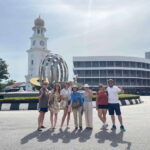
- Queen Victoria Memorial Clock Tower and the Esplanade
- St. George’s Church: A Small Stop With Big Meaning
- Goddess of Mercy Temple: Taoist Devotees and Street-Level Spirituality
- Sri Mahamariamman Temple and Masjid Kapitan Keling: Three Faiths, One Walk
- Lebuh Armenian: Shophouses, Street Art, and People Watching
- Street Food Sampling: How the Guide Turns Bites Into Context
- What the Guides Do Well: Pooi Ling and Erina as Examples
- Value for $60: What You’re Paying For
- What to Bring (So the Tour Doesn’t Become a Trial)
- Who This Tour Suits Best
- Should You Book This George Town Heritage Walk?
- FAQ
- Where is the meeting point for the George Town walking tour?
- How long is the tour?
- How big is the group?
- What language is the guide?
- Does the tour include street food?
- What should I bring for the walk?
- Are there any dress rules?
- Is this tour suitable for everyone with mobility needs or young children?
Key Highlights You’ll Actually Care About
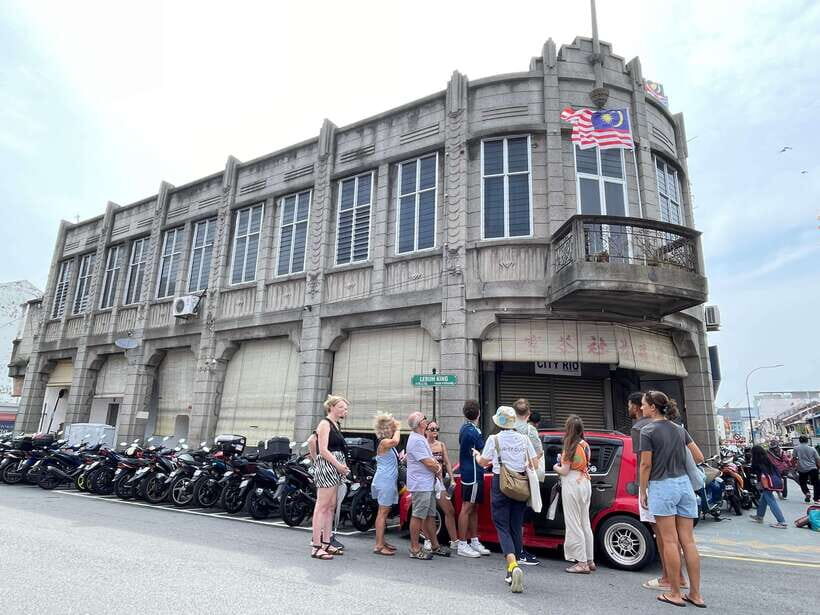
- Small group of up to 8 keeps the pace comfortable and questions easy
- Queen Victoria Memorial Clock Tower + Esplanade give you quick orientation on Penang’s colonial footprint
- St. George’s Church is your anchor stop for understanding the area’s early Anglican roots
- Three faith zones in one route: Taoist at Goddess of Mercy, Hindu at Sri Mahamariamman, Islamic at Masjid Kapitan Keling
- Lebuh Armenian shophouses and street art add color and local street life to the walk
- Street food sampling includes both familiar and the stuff you might skip on your own
George Town on Foot: Why This Route Works
George Town can feel like a photo parade if you walk it alone. This tour helps you slow down and understand the patterns: colonial-era landmarks, then the temples and mosques that reflect how the city grew through many communities. You don’t just tick off buildings; you learn what each place means to people who live nearby.
The walking format also matters for food. Street food is best when you see the streets where it’s made and sold, not when you find a restaurant later and hope it matches the vibe. This tour gives you that street-level context, then lets you taste along the way.
The timing is also a sweet spot. At 4 hours, you can cover enough ground to feel like you got the city’s main themes without spending your whole day in transit.
You can also read our reviews of more walking tours in George Town Malaysia
Meeting Point and Group Size: Fast Start, Less Stress
You meet the guide at Whiteaways Arcade area, specifically at the point between JAJUJE Coffee and Saigon Bowl Cafe. That’s handy because it’s a normal street-café reference, not some vague landmark.
The tour is limited to 8 participants, which changes the whole experience. With a small group, the guide can adjust when someone needs a minute for shade, water, or a step around street clutter. It also makes it easier to get answers about food choices, religious-site etiquette, and what you’re seeing on the walls and façades.
If you’re the type who hates tours that herd people like shopping carts, this structure will probably feel calmer.
Queen Victoria Memorial Clock Tower and the Esplanade
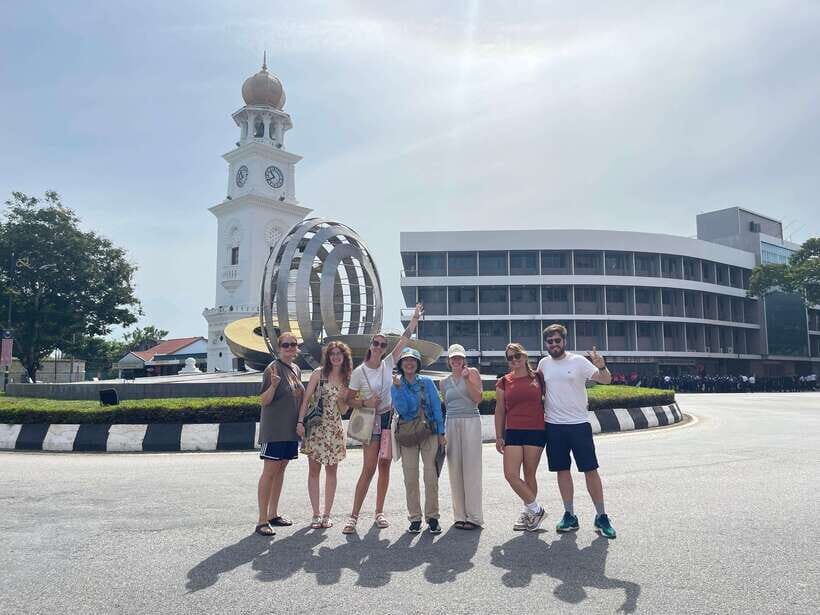
The tour starts with the kinds of sights that quickly give you bearings. The Queen Victoria Memorial Clock Tower is an obvious focal point, and it works because it’s tied to Penang’s colonial heritage. Even if you’ve seen clock towers before, the explanation helps you connect this landmark to the city’s layout and history.
From there, the Esplanade adds a different mood. You get open views and a more public, sea-breeze feeling. That matters because it breaks up the denser street blocks later in the walk. It’s also a good time to reset your legs before the more concentrated religious and shophouse sections.
Practical tip: bring water and take shade breaks when you can. Even on a good weather day, you’re outside and moving for hours.
St. George’s Church: A Small Stop With Big Meaning
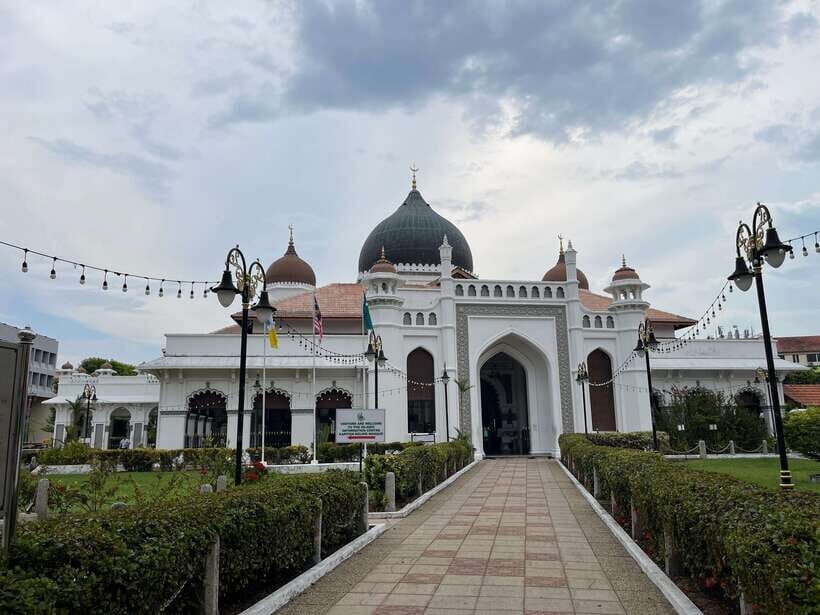
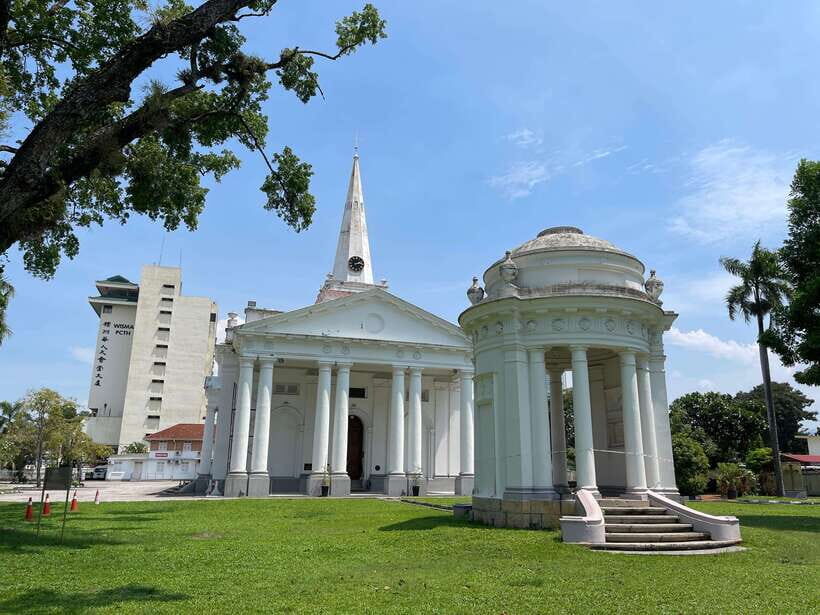
One of my favorite parts of this tour is how it uses a church stop as a history lesson. St. George’s Church is described as the oldest Anglican church in Southeast Asia, and the guide uses that to explain how different communities took root in the city.
This isn’t a lecture stop. You’re not being asked to memorize dates. Instead, you’re learning how architecture and religion show up in everyday urban life, and why that continuity matters in George Town.
Also, religious sites require your attention to dress and behavior. The tour asks you to dress modestly with knees and shoulders covered, which is easy enough if you plan ahead. If you show up in beach clothes, you’ll feel stressed trying to figure out coverage on the spot.
Goddess of Mercy Temple: Taoist Devotees and Street-Level Spirituality
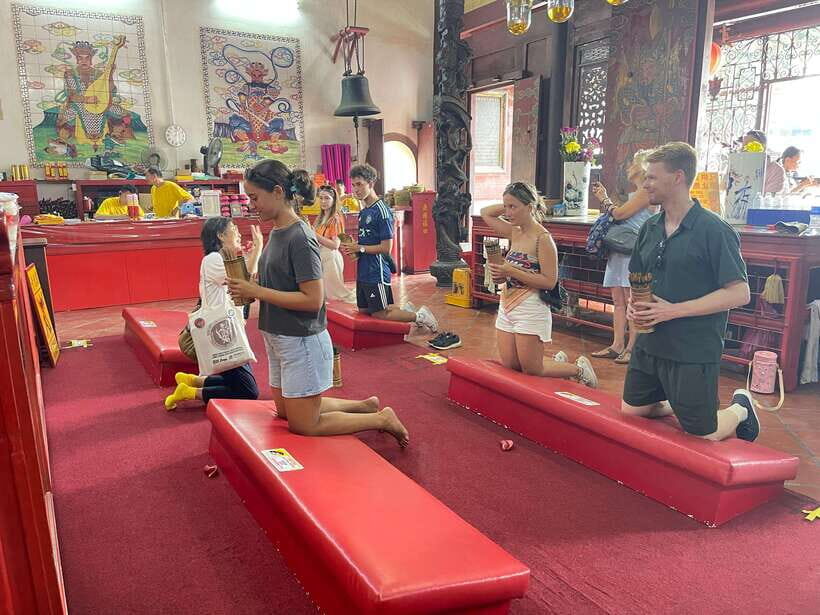
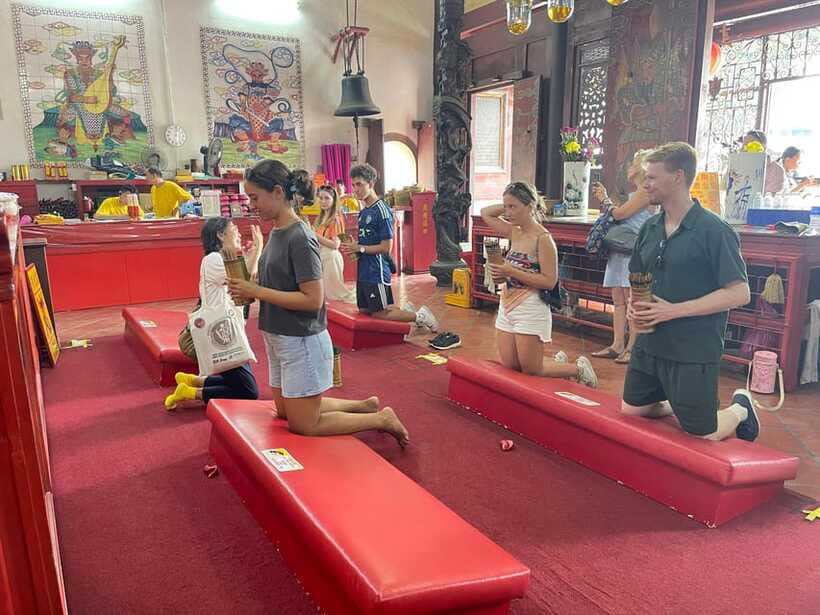
Next comes a change of pace and color with the Goddess of Mercy Temple, a vibrant site for Taoist devotees. You’ll get a sense that the city isn’t just historical; it’s still actively used for worship and community.
The best part here is how guides translate what you see. Rather than telling you what you should believe, you learn what worshippers do and why certain details matter. That kind of explanation makes the visit feel respectful instead of like a quick photo stop.
If you’re curious about how faith shows up in everyday spaces, this temple segment is often the most memorable.
You can also read our reviews of more food & drink experiences in George Town Malaysia
Sri Mahamariamman Temple and Masjid Kapitan Keling: Three Faiths, One Walk
The tour doesn’t keep you in just one religious lane. You also visit Sri Mahamariamman Temple for Hindu heritage and Masjid Kapitan Keling for Penang’s Islamic roots.
Seeing these sites back-to-back does something clever: it shows how George Town’s identity isn’t one story. It’s many stories, layered in streets that are close enough that you can transition from one community’s space to another within minutes.
You’ll likely notice different visual cues—symbols, architectural details, and the feeling of the space. The guide helps you read those cues without turning your visit into a checklist. It’s the difference between seeing buildings and understanding why locals care about them.
A real-world note from my experience with similar cultural tours: the order matters because you get context before you reach the next place. This route keeps that momentum.
Lebuh Armenian: Shophouses, Street Art, and People Watching
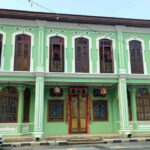
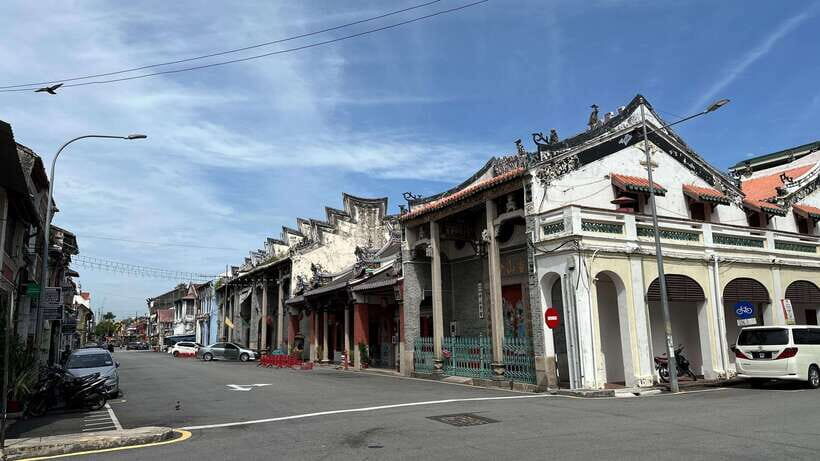
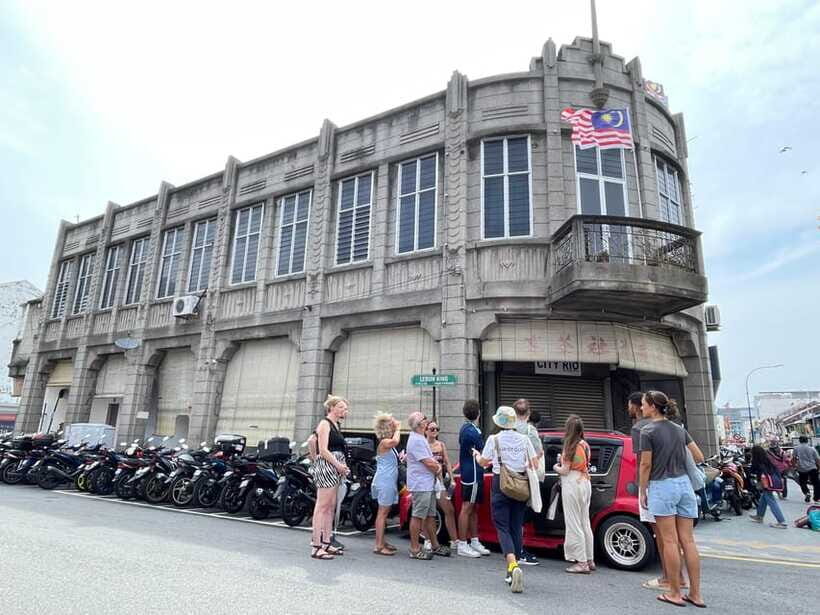
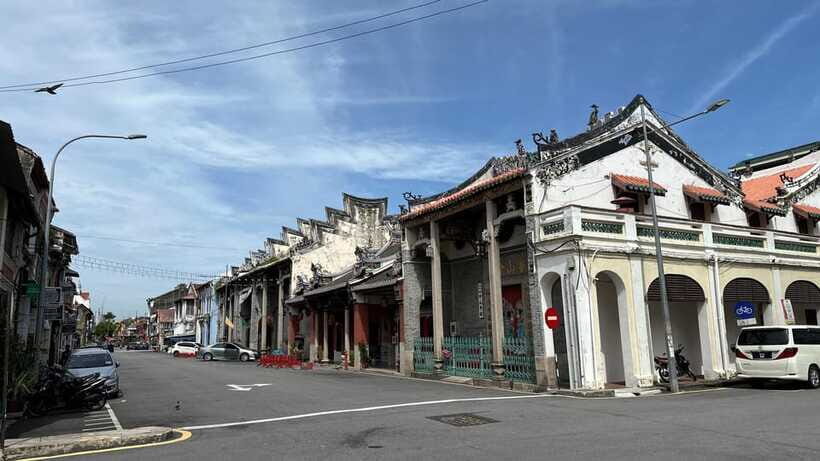
After the major landmarks and worship sites, you shift to a section that feels more like a living neighborhood: Lebuh Armenian. This area is known for charming shophouses, street art, and an active street atmosphere.
This is where the tour becomes fun again. Instead of standing still in one place, you move through small blocks where you can spot details you’d normally miss: painted walls, shop façades, and the kind of street layout that makes George Town feel so walkable.
If you like photography, this is also the part where the images start looking like a story rather than a set of separate snapshots. Keep in mind the tour rules on photos: no flash photography.
Street Food Sampling: How the Guide Turns Bites Into Context
The final payoff is the street food portion. This tour includes street food sampling, and the guide’s job is to connect the flavors to Penang’s culture and cuisine stories.
I love it when a food stop comes with a little education that doesn’t slow you down. Here, you’re not just handed items; you learn how the food fits the city’s identity. The guide may also help you understand what to expect from each stall and why certain choices show up repeatedly in the local food scene.
One detail I found especially useful: when a vegetarian was in the group, the guide made sure there were options. So if you eat meat-free, it’s worth telling the operator in advance so the guide can plan better for your portion.
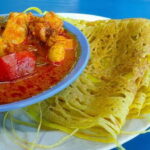
Two favorites that stood out on a recent tour with Kristen’s guide experience: a nutmeg drink and sardine samosas. Even if those exact items aren’t always guaranteed, the point is consistent—you’ll be guided toward local flavors that you might skip because they look too unfamiliar.
Practical tip: be ready for spicy and for intensity. Even mild street food can hit with heat or aromatics. Drink water as you go and pace yourself.
What the Guides Do Well: Pooi Ling and Erina as Examples
The tour experience depends heavily on the guide, and the information from two different guides shows what “good” looks like here.
With Pooi Ling, the tour was praised for balancing culture, food, and history at a comfortable pace, and it worked well even when the group became private. With Erina, the focus leaned into Penang’s history across multiple communities, plus a food route that included items people might not pick on their own. Erina also handled dietary needs for a family of four that included a vegetarian.
So what should you look for when choosing this kind of tour? Look for a guide who can explain connections, not just recite facts. That’s what turns a walking route into an actual story you remember.
Value for $60: What You’re Paying For
$60 for a 4-hour tour with a certified, live English guide and street food sampling is not just a walking service. You’re paying for three things that are hard to replicate solo:
First, you’re paying for context. Religious sites and colonial-era landmarks can be meaningful or confusing depending on whether someone explains what you’re seeing.
Second, you’re paying for efficiency. Walking routes that combine landmarks, faith zones, and food stops are hard to assemble without spending extra time figuring out where to go next.
Third, you’re paying for a small-group pace. With a max of 8 people, the tour doesn’t feel like a queue. That pacing matters on hot days and when you’re visiting places with etiquette rules.
If you’re the kind of traveler who likes to understand the city while you’re still there, this cost can feel fair. If you mainly want a free-for-all photo walk, you’ll get more value doing self-guided.
What to Bring (So the Tour Doesn’t Become a Trial)
This is a practical outdoor walk. Bring:
- Comfortable shoes with grip
- Hat and sunscreen
- Umbrella (weather can change fast)
- Water
- Hand sanitizer or tissues for street food stops
Also consider bringing a small layer. Religious visits can be cool inside, and walking outside can swing your body temperature.
Tour rules to remember: no smoking, no flash photography, and don’t expect alcohol to be part of the plan. Also, food isn’t allowed in the vehicle, though the tour is primarily a walking experience.
Who This Tour Suits Best
This is a good match if you want an organized way to understand George Town’s mix of cultures without feeling like you’re stuck in a classroom.
It’s also a strong option for families older than the minimum age (the tour is not suitable for children under 6), small groups, and travelers who like street life plus cultural context.
On the other hand, it’s not suitable for people with mobility impairments or wheelchair users. If walking distances are a concern, you’ll want to choose a different format.
Should You Book This George Town Heritage Walk?
Book it if you want a guided route that connects architecture, faith, and food into one coherent day. The street food sampling plus the multi-faith stops make it more than a sightseeing stroll, and the small group of 8 helps the pace stay human.
Skip or rethink it if you hate walking, can’t follow modest dress expectations, or need a low-mobility itinerary. Also, if street food isn’t your thing and you prefer museum-only experiences, you might feel the balance is too food-forward.
If you’re unsure, this tour is a strong “first look” at George Town because it gives you landmarks and street texture in just four hours.
FAQ
Where is the meeting point for the George Town walking tour?
You meet the guide in the Whiteaways Arcade area, at the location between JAJUJE Coffee and Saigon Bowl Cafe.
How long is the tour?
The tour lasts 4 hours.
How big is the group?
It’s a small group limited to 8 participants.
What language is the guide?
The live tour guide speaks English.
Does the tour include street food?
Yes. Street food sampling is included.
What should I bring for the walk?
Bring comfortable shoes, a hat, an umbrella, sunscreen, water, and hand sanitizer or tissues.
Are there any dress rules?
Yes. You should dress modestly, with knees and shoulders covered, since you may visit religious sites if time permits.
Is this tour suitable for everyone with mobility needs or young children?
It’s not suitable for children under 6, and it’s not suitable for people with mobility impairments or wheelchair users.