REVIEW · GEORGE TOWN MALAYSIA
Penang: Wonderfood Museum Entry Ticket
Book on GetYourGuide →Operated by Globaltix Sdn Bhd · Bookable on GetYourGuide
Giant food, real flavor stories. I love the oversized Malaysian dish replicas and the way the museum breaks everything into three galleries you can move through at your own pace; it’s fun even if you’re not a die-hard food nerd. One thing to consider: this is mainly a walk-and-read exhibit, not a cooking class or restaurant meal, so set your expectations for visuals and info.
Set in a 1940s colonial building in Georgetown, Penang Wonderfood Museum is built around handmade models of more than 100 local dishes, created with Japanese food replication techniques by owner Sean Lao. The overall vibe clicks because you’re free to wander and take your time with the details you actually care about.
In This Review
- Key things I’d prioritize before you go
- Penang Wonderfood Museum in Georgetown: what $5 actually buys you
- The building and Sean Lao’s replica-making: why the visuals feel so convincing
- Info Zone: your orientation to Penang’s food scene
- Wow Zone: where oversized dishes do the heavy lifting
- Educational Zone: turning pictures into context
- Interactive exhibits and the pacing that keeps it fun
- Timing your visit: open daily, plan around your reading mood
- Value check: is this ticket worth your time in Penang?
- Who this museum ticket is best for
- Quick practical checklist before you go
- Should you book the Penang Wonderfood Museum entry ticket?
- FAQ
- Where is the meeting point for this entry ticket?
- What is the price of the Penang Wonderfood Museum entry ticket?
- How long is the ticket valid?
- What are the opening hours?
- Is there hotel pickup or drop-off included?
- Is Wonderfood Museum wheelchair accessible?
- Can infants enter for free?
- What age counts as a child or adult for tickets?
- What about senior tickets?
- Is free cancellation available?
Key things I’d prioritize before you go
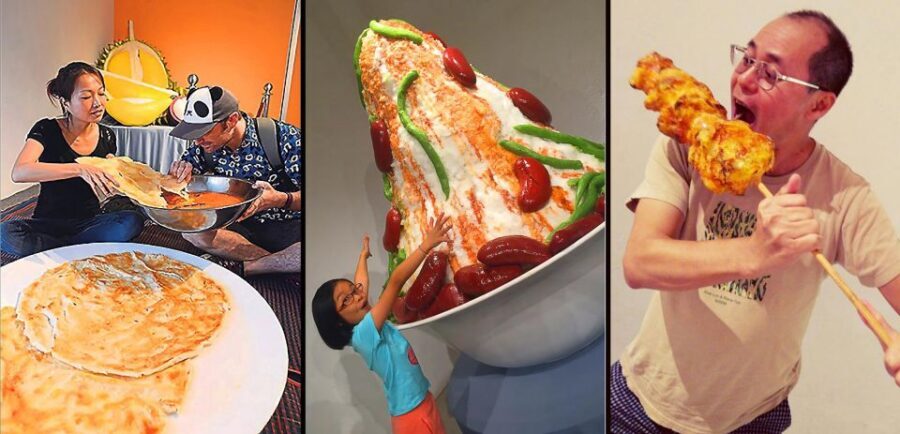
- Over 100 oversized Malaysian dish replicas that turn food memories into something you can walk through
- Three themed spaces (Info Zone, Wow Zone, Educational Zone) so you don’t get stuck in one mood
- Hyper-realistic modern food recreations mixed with classic Penang favorites
- Interactive exhibits that make the stories feel less like a textbook
- Self-paced reading built into the way the galleries are arranged
Penang Wonderfood Museum in Georgetown: what $5 actually buys you
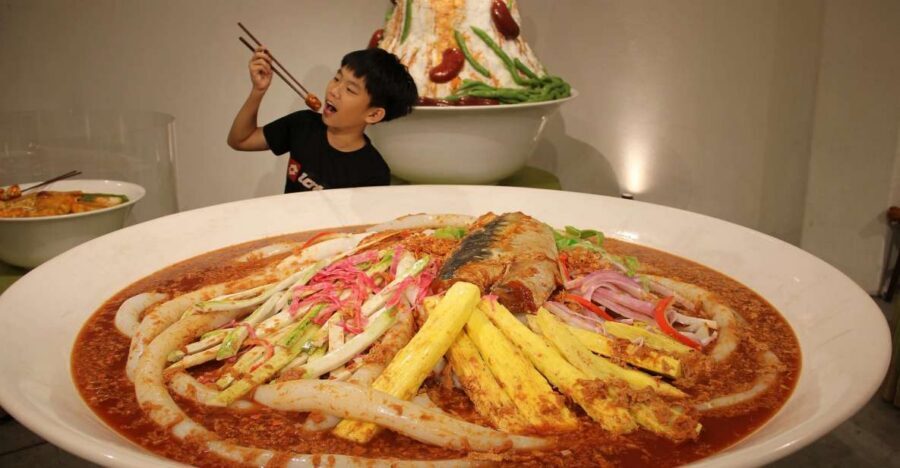
At $5 per person, the Penang Wonderfood Museum is one of those rare deals where the ticket feels modest while the effort and craft on display are obvious. You’re not paying for a meal or a performance. You’re paying for a guided feeling: a themed route through Penang’s food culture, using giant replicas, clear labels, and hands-on-style moments.
The museum sits in Georgetown, and the 1940s colonial building gives it instant atmosphere. Even before you see the food models, you’re in the right headspace: Penang’s food story is personal here. It’s the kind of place where you can learn, laugh a little, and still come out with ideas for what to eat next.
One practical note: hotel pickup and drop-off aren’t included. You’ll want to make your own way to the museum and arrive ready to spend uninterrupted time browsing.
A few more George Town Malaysia tours and experiences worth a look

The building and Sean Lao’s replica-making: why the visuals feel so convincing
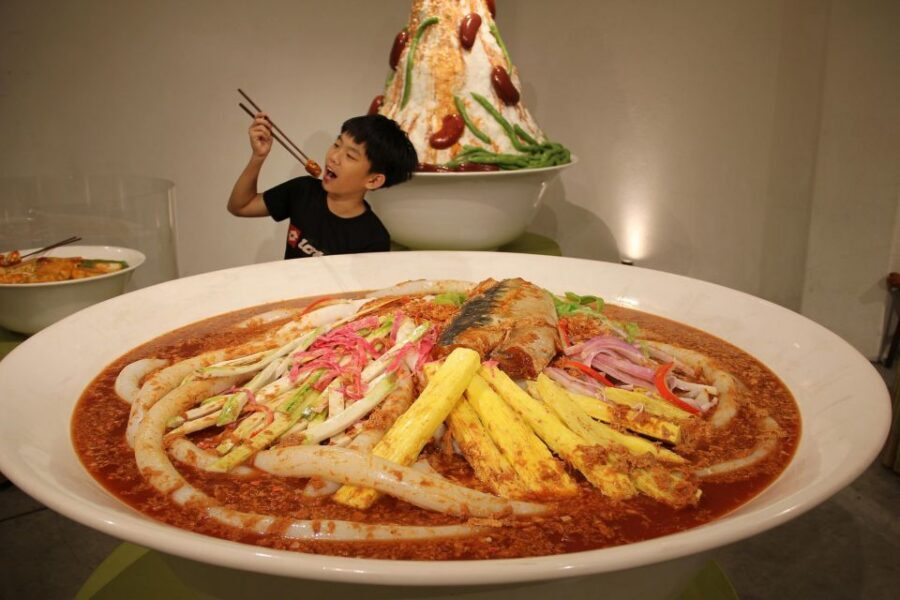
The museum is housed in that 1940s colonial setting in Georgetown, which matters more than you might think. A lot of food museums can feel sterile, like a shop window. Here, the building’s character helps the models feel like part of a real place, not just an exhibit.
The real star is the workmanship behind the dishes. The larger displays are handcrafted using Japanese food replication techniques by owner Sean Lao. That technique is the reason so many models look like they could be lifted off the plate. You’re not just seeing shapes. You’re seeing texture, color, and the “this is how it’s served” look that makes food references stick in your brain.
And because the museum covers both beloved street-food types and traditional dishes, it helps you connect what you’ve eaten with the cultural context behind it. If you’re the kind of traveler who likes to understand why locals eat what they eat, this structure is a win.
Info Zone: your orientation to Penang’s food scene

The museum’s layout is built around three galleries, and the Info Zone is where you get your bearings fast. It’s designed as the starting point: you learn what Penang food is about before you get hit with the full visual punch.
I like this approach because it prevents the “pretty but meaningless” problem. If you only get wow-factor models, you can still enjoy them, but you may miss the point. In the Info Zone, the information framing helps you notice details in the later galleries: what’s common, what’s distinctive, and what patterns show up across different styles.
This part is also a smart entry for different learning styles. If you want to read first and look second, you can. If you prefer to scan quickly and circle back, you can do that too, because the museum is designed for walking and self-direction.
Wow Zone: where oversized dishes do the heavy lifting
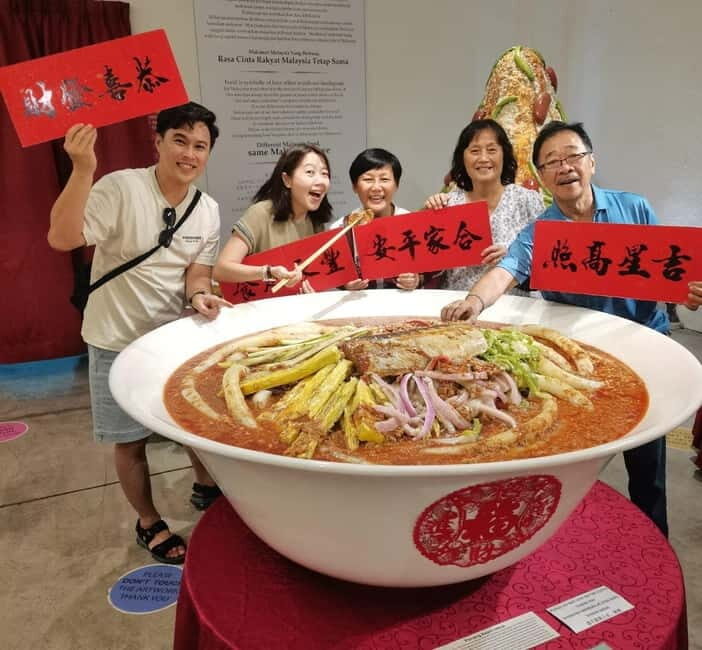
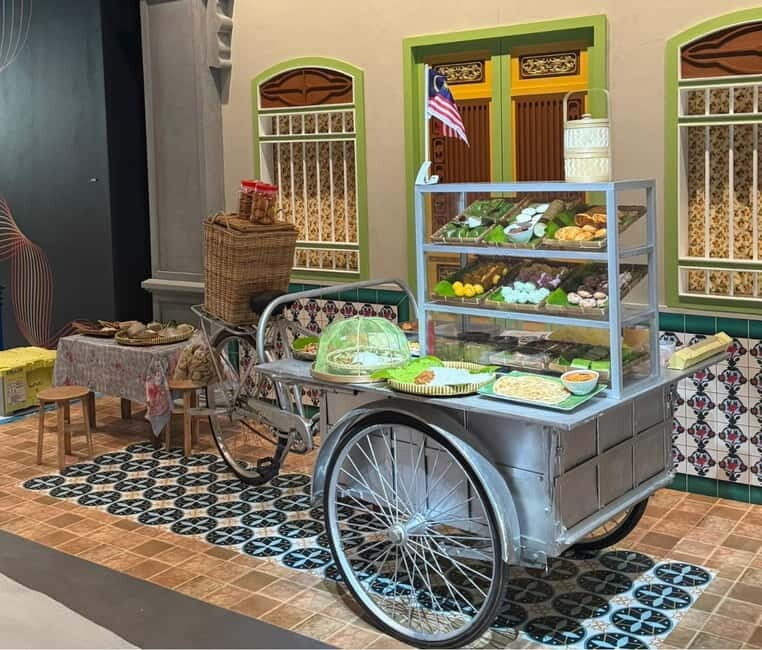
Then comes the Wow Zone, and yes, the name fits. This is where the oversized Malaysian dish replicas take over your attention. The models are hyper-realistic in a way that turns a museum visit into a visual scavenger hunt.
I find this gallery especially useful if you’re hungry but not ready to sit down. You’re getting the “what to order later” effect without having to commit to one place. Seeing dishes recreated at full scale can make unfamiliar items feel less intimidating when you encounter them outside the museum.
The Wow Zone also includes hyper-realistic recreations of modern food. That’s a good choice because Penang’s food scene isn’t frozen in time. The museum helps you understand that today’s popular dishes still have roots, even when they look different from what you may expect.
If you’re traveling with someone who thinks museums are boring, this gallery is often where you win them over. The models do most of the convincing.
Educational Zone: turning pictures into context
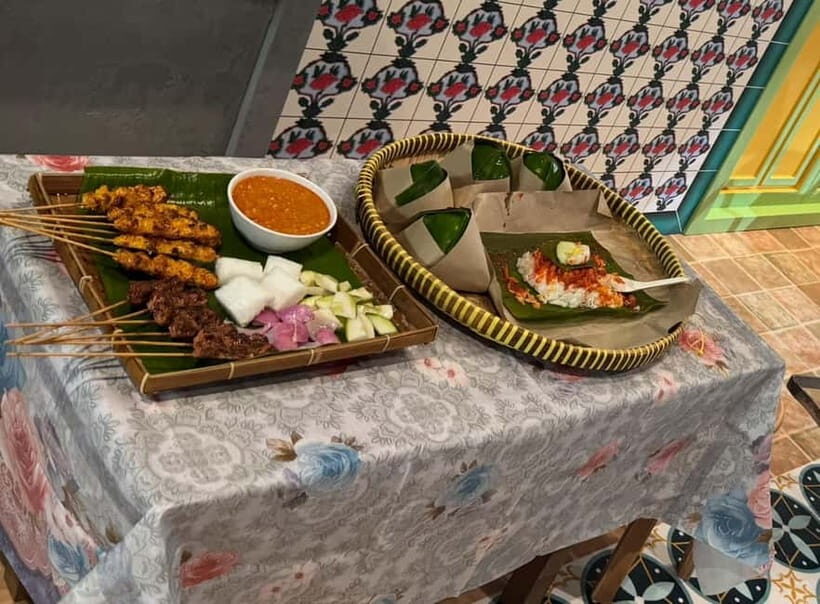
By the time you reach the Educational Zone, the museum shifts from pure spectacle into meaning. This is where the details start to connect, and you get more of the “why” behind what you’re seeing.
Penang’s food heritage is multi-cultural, and the galleries are structured to reflect that. You’ll notice how different delicacies fit into the bigger picture, rather than being thrown in as random examples. That matters because Penang food is tied to community history and local identity, and the museum aims to show those relationships through its display choices.
I also like that the Educational Zone doesn’t feel like a separate world. It’s still part of the same walk. You’re not switching into a classroom. You’re still in gallery mode, but with more explanation, so you can leave with a clearer sense of what you just looked at.
One caution: if you tend to skim labels, you may miss some of the payoff. I’d recommend slowing down here. This is the zone where reading pays off.


Interactive exhibits and the pacing that keeps it fun
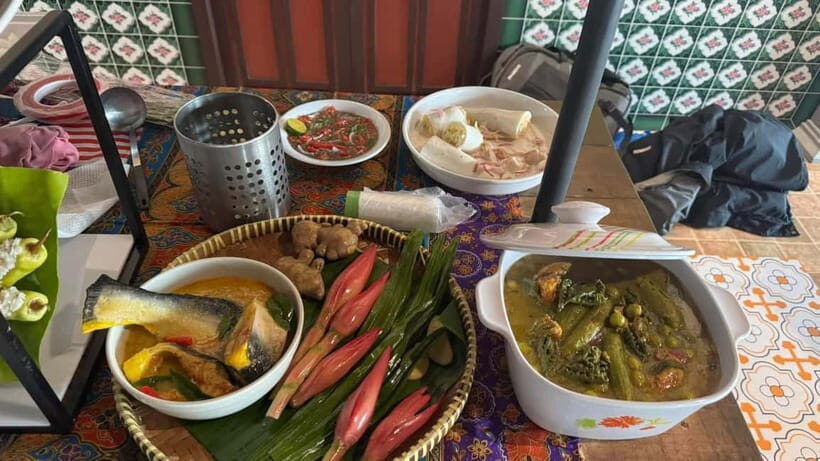
The museum includes interactive exhibits, which help break up the static display feeling. The interaction isn’t described like a specific game or challenge in the info I have, but the intent is clear: you’re meant to do more than just look at plates.
The best practical advantage is pacing. The galleries are set up so you can walk around and read information at your own pace. That matches what people tend to love about the visit: you can spend longer on the dishes you recognize and glide past the ones you don’t.
This matters in real life. Georgetown is busy on foot. If you’ve got limited time, you want control over the route. If you’re a slow reader, you don’t want to feel rushed. The museum’s layout supports both styles.
Timing your visit: open daily, plan around your reading mood
The museum is open daily from 9:00 AM to 6:00 PM. With that long window, you can match your visit to your energy level instead of forcing it into one narrow slot.
If you’re the type who likes to take photos and move steadily, earlier in the day can give you a calmer rhythm. If you’re more focused on reading and absorbing details, you might prefer a time when you’re not worried about rushing to your next stop.
Because entry is valid for 1 day, it’s easy to use this as a flexible anchor during your Penang day. You can stop by in the middle of sightseeing, then return to street food hunts afterward with a better sense of what you’re ordering.
Value check: is this ticket worth your time in Penang?
Let’s be honest: $5 is a small price, but it’s not only the money. The real value is how much you actually get per minute.
You get:
- Three galleries with different tones
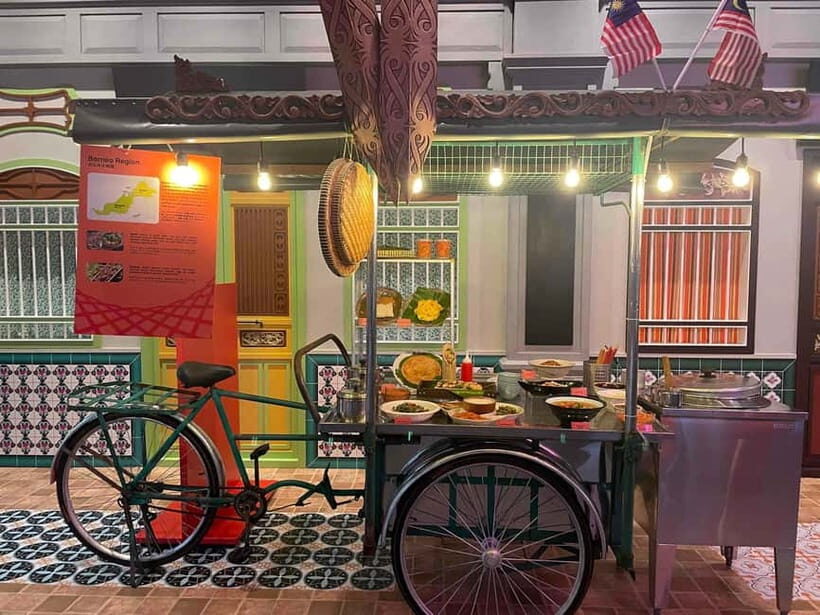
- Over 100 local dishes represented through giant models
- Interactive exhibits and informational displays
- A setting in a historic 1940s colonial building in Georgetown
- A craft story behind the replicas thanks to Sean Lao and the Japanese replication techniques
That combination makes the museum a good “add-on” even if you only have part of a day. It also works well if you want to learn about Penang’s food heritage before you eat your way through the city.
Where the value might not fit: if you’re looking for a ticket that functions like a cooking class, tastings, or a full restaurant experience, the museum won’t match that. It’s about seeing and learning from the food world Penang built.
Who this museum ticket is best for
This entry ticket is a strong match if you:
- Love food and want context, not just a random list of dishes
- Like museums that are visual first and educational second
- Prefer self-paced wandering over group-tour pacing
- Travel with people who want something lighter than a standard history museum
It can also work for families, since there are child and senior ticket categories, and infants aged 0–2 enter for free. If you’re visiting with mobility needs, the museum is wheelchair accessible, which is an important baseline.
If you’re totally burned out on reading, you might want to treat it as a photo-focused stop. If you’re willing to slow down for labels, you’ll likely get more out of it.
Quick practical checklist before you go
- Expect a walking museum format with three gallery sections
- Bring your curiosity for both classic and modern Penang food styles
- Plan for time to read, especially in the Educational Zone
- Use the open hours (9:00 AM–6:00 PM) to avoid rushing
- Arrange your own transport since pickup and drop-off aren’t part of the ticket
Should you book the Penang Wonderfood Museum entry ticket?
I think it’s a smart book for most visitors who enjoy food, because it’s low cost, well-structured, and built on real craft. The giant dish replicas created with Japanese food replication techniques by owner Sean Lao are the kind of detail that makes the museum feel like more than a quick stop.
Book it if you want an easy win: a self-paced, visually rich way to learn Penang food culture in Georgetown. Skip it only if you’re specifically searching for cooking instruction, tastings, or a traditional museum experience focused on artifacts rather than food models.
FAQ
Where is the meeting point for this entry ticket?
You should proceed directly to Wonderfood Museum for redemption.
What is the price of the Penang Wonderfood Museum entry ticket?
The price listed is $5 per person.
How long is the ticket valid?
The ticket is valid for 1 day.
What are the opening hours?
The museum is open daily from 9:00 AM to 6:00 PM.
Is there hotel pickup or drop-off included?
No, hotel pickup and drop-off are not included.
Is Wonderfood Museum wheelchair accessible?
Yes, the museum is wheelchair accessible.
Can infants enter for free?
Yes, infants aged 0–2 can enter for free.
What age counts as a child or adult for tickets?
Child tickets are for ages 3–12, and adult tickets are for ages 13–59.
What about senior tickets?
Senior tickets are for ages 60 and older.
Is free cancellation available?
Yes. You can cancel up to 24 hours in advance for a full refund.