REVIEW · KOTA KINABALU
Kota Kinabalu : Mari-Mari Cultural Village Day Tour
Book on GetYourGuide →Operated by Milas Travel & Tours Sdn Bhd · Bookable on GetYourGuide
A village day that feels like a time machine. In Kota Kinabalu, the Mari-Mari Cultural Village tour walks you through Sabah’s indigenous life with real explanations, not a scripted lecture. You also get a break for big mountain-and-sky views at Kokol Hill, where light can look almost unreal.
I especially like the mix of performances and hands-on culture. You’ll watch traditional dance, see artisans working, and you’ll even get local snacks and a food tasting while you’re there.
One thing to consider: the day can run shorter than the headline length. In the feedback I saw, a pickup-to-finish window landed around 10:00 to 13:00 for at least one booking, so double-check the exact start time you’re given and plan your day loosely around it.
In This Review
- Key things I’d circle on your plan
- Mari-Mari Cultural Village: what you’re really seeing
- Traditional dwellings: the most memorable part if you like details
- The dance show and crafts: where culture turns from static to alive
- Food tasting and lunch/high tea: a simple break that keeps momentum
- Nature walk at Mari-Mari: learning that feels grounded
- Kokol Hill / Kokol Haven views: your scenic payoff
- Price and logistics: does $130 feel fair?
- Who this tour suits best (and who might want something else)
- Tips to get more out of your day
- Should you book the Mari-Mari Cultural Village and Kokol Hill tour?
- FAQ
- How long is the Kota Kinabalu Mari-Mari Cultural Village day tour?
- Where does the tour pick up?
- Is hotel drop-off included?
- What’s included in the price?
- What cultural activities will I do?
- Is the nature walk part of the tour really about plants?
- What should I bring?
- What languages are available for the tour?
- Is the tour suitable for elderly travelers?
Key things I’d circle on your plan
- Tribe-style house tour: step into traditional dwellings and hear how daily life is shaped by culture.
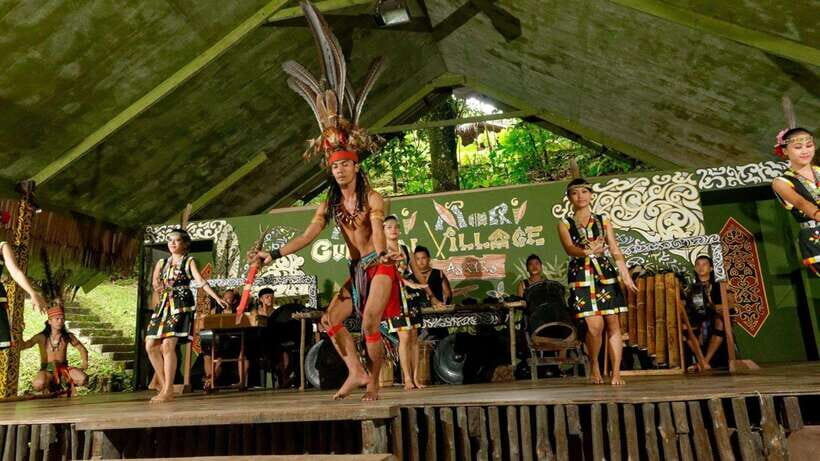
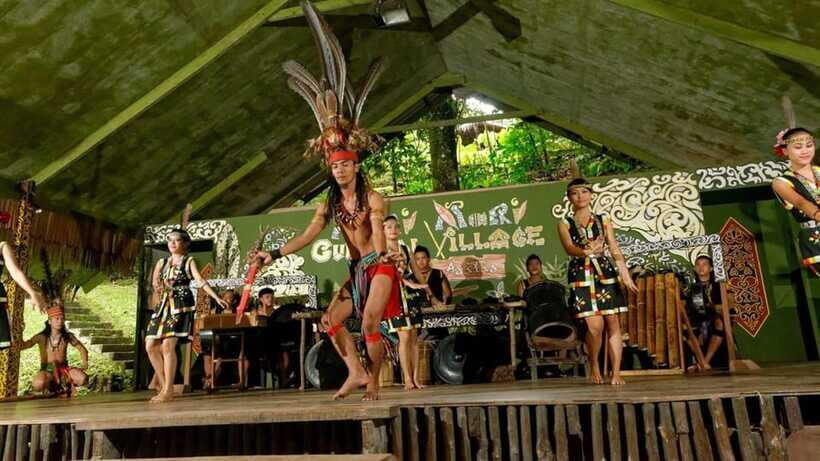
- Dance show with structure: a dedicated traditional dance performance block that includes multiple groups.
- Crafts demonstration + market time: you can watch making processes, then browse the arts & crafts market.
- Nature walk with practical plant info: learn how local flora is used for medicinal and daily purposes.
- Kokol Hill scenery: mountain-and-sky viewpoints that can look stunning around sunrise or sunset timing.
- Shared pickup, private feel: transfers may be shared, while the tour is described as private-group.
Mari-Mari Cultural Village: what you’re really seeing

This tour is built around one core idea: culture as something you can observe up close. Mari-Mari Cultural Village isn’t just a building you pass. You’re guided through cultural dwellings exploration, then you watch performances, then you see crafts in action.
The biggest value here is clarity. You’re not left guessing what you’re looking at. The guide (Malay-English) helps connect the houses, clothing, tools, and movements to the tribes they represent. That structure makes the day feel less like sightseeing and more like a living introduction to Sabah.
If you care about real-world details—how people make things, what they use plants for, how traditions are performed—this kind of format is a great match. If you’re expecting a quick photo stop, you might find yourself wanting more time at each segment.
You can also read our reviews of more tours and experiences in Kota Kinabalu.


Traditional dwellings: the most memorable part if you like details

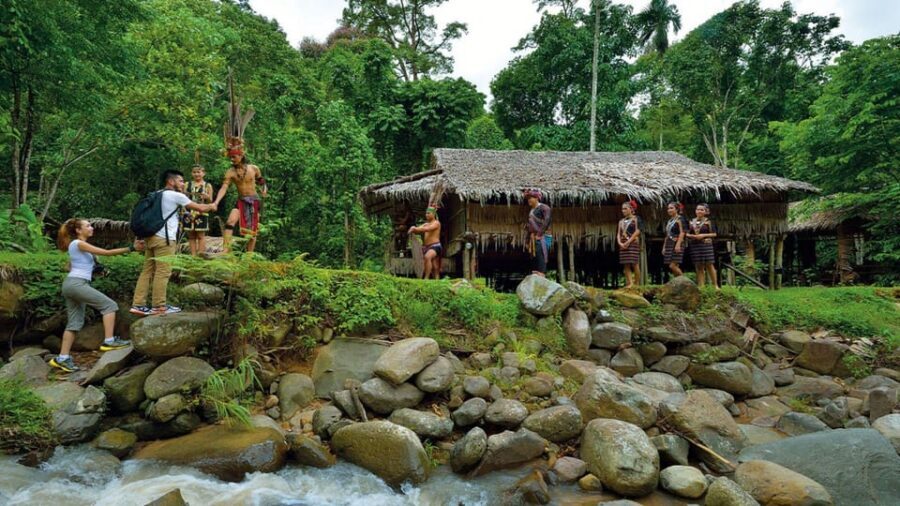
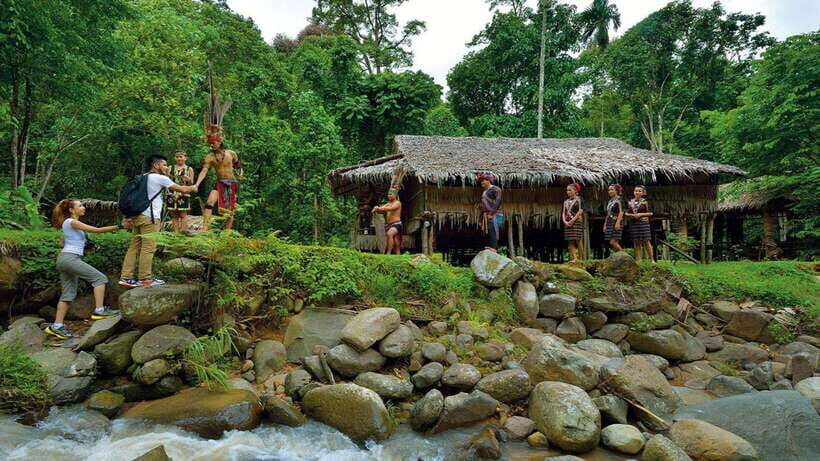
The day starts at Mari-Mari with a guided visit through traditional houses. These aren’t generic “tribal huts.” The tour is set up to show you lifestyle differences across Sabahan groups.
What I like about this stop is how it answers the obvious questions. You’ll usually catch yourself thinking: How is this space used? Where do daily tasks happen? How do materials shape comfort and function? The guided house walkthrough is the part that helps those questions get answered while you’re still standing in front of the dwelling.
Practical tip: wear footwear that can handle uneven ground and take breaks when you need them. Even if the walking is modest, you’ll be outdoors in a warm climate.
Also, be mindful during demonstrations and performances. The tour encourages you to respect the customs and traditions of the tribes, and that’s not just good manners—it helps keep the experience smooth and respectful for everyone involved.
The dance show and crafts: where culture turns from static to alive

After the house visit, the tour leans into two parts people usually remember: dance and making.
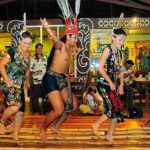
The cultural performances include a traditional dance show, described as a major chunk of time (about three hours). That matters. A shorter show can feel like a sampler. Here, you get time for the sequence to unfold, and you’re more likely to notice patterns—how movement, costumes, and rhythm communicate identity.
Then you shift to traditional crafts demonstration and an arts & crafts market visit. Watching artisans work is one of those “slow down” moments. You see tools, techniques, and materials explained through what’s being made, not just through words.
If you like souvenirs that feel connected to the place, the market stop is your chance to browse while the context is still fresh. Bringing some cash helps here since the tour materials specifically call out cash.
Food tasting and lunch/high tea: a simple break that keeps momentum

Included in the package is lunch or high tea, plus local snacks during the day. This is more than a perk. Food breaks keep you from burning through energy during outdoor time, walking, and performance watching.
The food tasting component is also useful for people who want to understand a place through everyday tastes. It’s not just about filling your stomach; it gives you another thread connecting the cultural theme of the day to something you can actually experience.
I’d treat lunch as your reset point. After you eat, you’ll often feel ready to pay closer attention during the later segments—especially the nature walk, where you’ll likely be listening for plant uses and local explanations.
Nature walk at Mari-Mari: learning that feels grounded

One of the highlights is the nature walk, with explanations of indigenous flora used for medicinal and daily purposes. This is a big reason the tour feels more than “culture show + viewpoint.”
Instead of generic “look at the jungle” chatter, the walk is framed around practical uses. Even if you don’t remember every plant name, you’ll come away with a better sense of how local knowledge connects to daily life—what grows nearby, what’s used, and why certain plants matter.
Bring patience for this part. Nature walks can be slower than you expect because guides explain what you’re seeing. And if it’s humid, you’ll appreciate having water and shade breaks where offered (the tour data doesn’t list water, so you might want to plan to purchase some if you need it).



Kokol Hill / Kokol Haven views: your scenic payoff
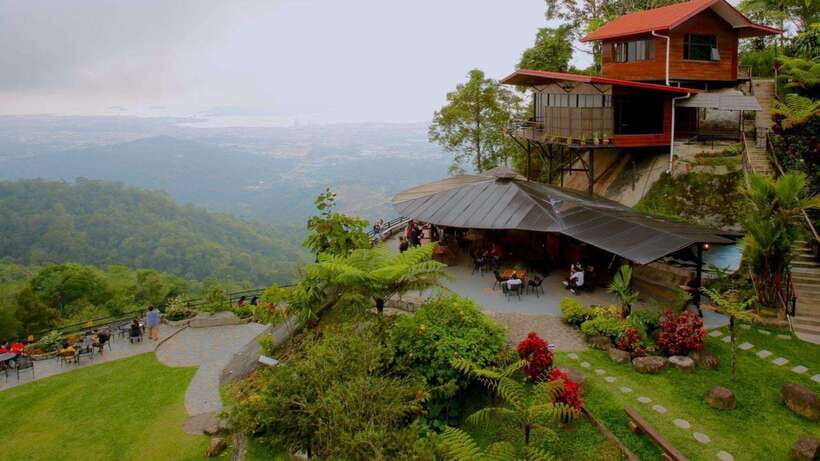
The day tour also includes breathtaking scenery at Kokol Hill (listed as Kokol Haven in the highlight notes). This is where you switch from hands-on culture to wide open views—mountains and sky, plus the possibility of those sunrise or sunset colors people talk about.
Even if your timing isn’t perfect for sunrise or sunset, the point is simple: take time to look. The view portion works best when you treat it like a pause, not a dash for photos. You’ll get better photos too—especially if you step back a few minutes and let your eyes adjust.
A practical move: bring your camera, and keep it handy. The tour explicitly asks you to bring one, which usually means you’ll have moments where it’s worth capturing what you’re seeing.
Price and logistics: does $130 feel fair?
The price listed is $130 per person for about seven hours, including hotel pick-up and drop-off (shared), entrance fee, a Malay-English speaking guide, cultural performances, and lunch or high tea.
That’s the good news: you’re not paying extra for the core cultural components. Entrance fees and the main show are already built in, and you don’t need to arrange transport to the village yourself.
The caution is time. When a tour runs shorter in practice than advertised, you’re paying for the same package but getting less “day” for your money. In the feedback I read, one booking landed around 10:00–13:00. If your schedule is tight, that matters.
So, here’s how I’d judge value:
- If you want the full culture package (dwellings + dance + craft demo + nature walk + viewpoint), $130 can make sense because it bundles a lot.
- If you only care about one or two segments, you might feel it’s expensive for what you personally value.
- If you’re sensitive to schedule changes, confirm the exact pickup window before you lock in the rest of your day.
Who this tour suits best (and who might want something else)
This works best for people who enjoy guided context. If you want to understand what you’re looking at—houses, traditions, plant uses—this format is built for you.
It also fits families and groups who like a balance: indoor/outdoor culture, plus a scenic viewpoint. The day isn’t just one long show. You’ll move from village exploration to performances to crafts, then out for nature and views.
Less ideal if:
- You hate long periods of standing or walking outdoors.
- You expect the day to always match the 7-hour duration on the headline.
- You need a very predictable schedule, minute-by-minute.
The tour also notes it’s not suitable for people over 95 years, which tells me pacing and walking/standing time are part of the real experience.
Tips to get more out of your day
- Bring cash for the arts & crafts market. Even if you only plan to browse, it helps.
- Respect the customs during performances. The tour explicitly asks you to follow the guide’s instructions here, and it’s the difference between a good show and a awkward one.
- Use your camera strategically. Don’t shoot everything. Take a couple of slow moments for the dwellings and then let the performances happen.
- If your schedule is tight, keep your other plans flexible. The exact time window can vary.
Should you book the Mari-Mari Cultural Village and Kokol Hill tour?
I’d book it if you want a guided, structured introduction to Sabah’s indigenous cultures with a mix of houses, dance, crafts, and a nature walk, then a scenic payoff at Kokol Hill. The included guide, entrance fee, performances, and lunch/high tea make it feel like a complete package rather than a set of add-ons.
I wouldn’t book it if your main goal is a short, effortless sightseeing hit. Also think twice if you’re counting on the full day length exactly as advertised. Confirm pickup time when you reserve, then plan your day with a little cushion.
If you do book it, you’ll likely leave with more than photos: you’ll have clearer context for what you saw and a better sense of how daily life, plants, crafts, and performance tie together in Sabah.
FAQ
How long is the Kota Kinabalu Mari-Mari Cultural Village day tour?
It’s listed as a 7-hour experience. Starting times depend on availability.
Where does the tour pick up?
Pickup is included from any hotel in Kota Kinabalu. You’ll be asked to wait in the hotel lobby about 10 minutes before your scheduled pickup time.
Is hotel drop-off included?
Yes. Hotel pick-up and drop-off are included, and the transfer is shared.
What’s included in the price?
Included are lunch or high tea, a Malay-English speaking guide, entrance fee, cultural performances, and hotel pick-up & drop-off (shared).
What cultural activities will I do?
You’ll explore cultural dwellings, attend cultural performances (including a traditional dance show), watch a traditional crafts demonstration and visit an arts & crafts market, and take part in a nature walk.
Is the nature walk part of the tour really about plants?
Yes. The nature walk includes learning about indigenous flora used for medicinal and daily purposes.
What should I bring?
Bring a camera and cash.
What languages are available for the tour?
The guide and driver are listed as English and Malay.
Is the tour suitable for elderly travelers?
It’s not suitable for people over 95 years. Wheelchair accessibility is noted as available.