REVIEW · KUALA LUMPUR
Kuala Lumpur: Batu Caves & Historic Buildings Tour
Book on GetYourGuide →Operated by Travelvago · Bookable on GetYourGuide
Climb 272 steps into Kuala Lumpur’s sacred side. This half-day loop is a smart way to see how Batu Caves (and the golden statue of Lord Murugan) sits in the middle of a modern city, with old religious traditions rubbing shoulders with malls, markets, and street food. I also like the mix of Hindu, Chinese, and Islamic landmarks in one smooth route, so you get a fast read on Kuala Lumpur’s many roots.
I love the time you get for Central Market and the Chinatown market zone, because you’re not only looking—you’re also shopping and eating your way through Kuala Lumpur’s everyday life. One thing to plan for: the Batu Caves stairs require basic fitness, and mosque rules mean you’ll want clothes that cover shoulders (especially for ladies).
Key moments worth your time
- Lord Murugan climb: 272 steps to the golden statue, plus time to see the Cathedral Cave in the same complex
- Thean Hou Temple views: a six-tier pagoda on Robson Heights tied to the Hainanese community
- National Mosque setting: a huge 13-acre garden space designed as a symbol of Malaysia’s independence
- Market stop energy: Petaling Street and nearby areas with food stalls and shopping time
- Culture in motion: you’ll get a guided explanation of why these places matter, not just where to take photos
In This Review
- Batu Caves and Lord Murugan: 272 Steps That Actually Pay Off
- Practical tips for the climb
- Thean Hou Temple on Robson Heights: A Six-Tier Pagoda With Hainanese Roots
- What to watch for
- National Mosque of Malaysia: 13 Acres of Gardens and the Symbol of Independence
- Timing note
- Chinatown, Petaling Street, and Central Market: Food Stalls and Quick-Stop Shopping
- What you’re likely to eat (and what it means)
- Central Market fit
- Little India: A 30-Minute Taste of Another Kuala Lumpur Scene
- Best way to use the time
- How the 4-Hour Route Feels Fast: Pickup, Air-Con Comfort, and Guide Timing
- What you’ll likely experience with strong guides
- Price and Value: Why $34 Makes Sense for a First KL Day
- Who Should Book This Tour (and Who Should Rethink It)
- Should You Book This Kuala Lumpur Batu Caves & Historic Buildings Tour?
- FAQ
- How long is the Kuala Lumpur Batu Caves & Historic Buildings tour?
- What’s included in the tour price?
- Are entrance tickets included?
- Is food included?
- Is the National Mosque open every day?
- What should I wear for Batu Caves and the mosque?
Batu Caves and Lord Murugan: 272 Steps That Actually Pay Off
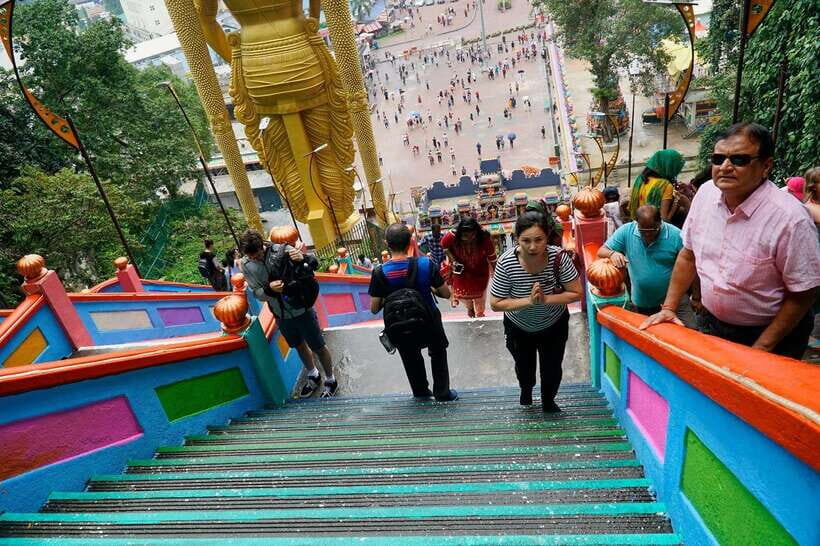
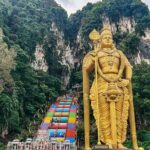
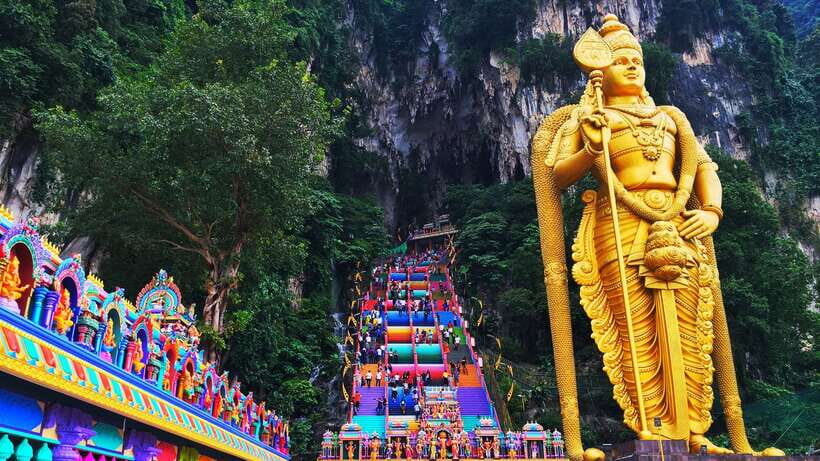
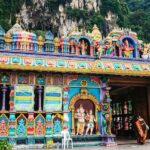
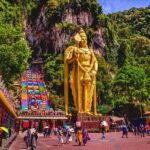
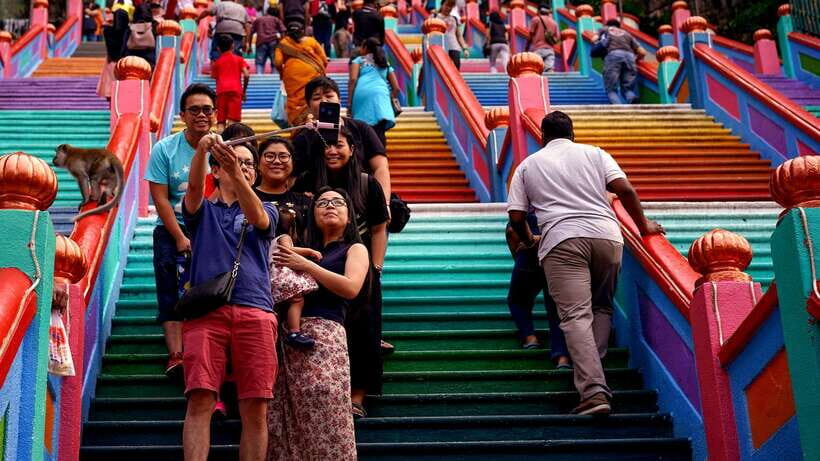
Batu Caves is the kind of place that looks dramatic from far away—and then gets more intense once you’re climbing. You’ll drive out to the Hindu shrine complex, then spend about an hour on-site. The main event is the climb: 272 steps up to the golden statue of Lord Murugan.
Here’s how I’d set expectations: the stairs are colorful and very “Kuala Lumpur”—crowded in spots, busy with worshippers, and full of little details along the route. You don’t need to be an athlete, but you do need to be comfortable doing repeated steps at a steady pace. If you’re short on breath, slow down early and keep your eyes on one consistent rhythm.
Once you reach the top, don’t rush. The statue area is your big viewpoint moment, but the real story continues right after. You’ll head to Cathedral Cave, described as the largest cave in the complex, and your guide explains why this shrine is so important and how the design supports Hindu worship. It’s one of those times when a guided walk makes the place feel less like scenery and more like meaning.
Practical tips for the climb
Wear shoes you trust on uneven stone. Comfortable sneakers are a big win. And bring a little patience with you—this is a climb, not a sprint.
One more tip: if your timing works, you’ll usually get more breathing room at Batu Caves than you’d expect later in the day. Guides commonly aim to arrive early enough to avoid the heaviest crowds, which makes the steps feel way more manageable.
You can also read our reviews of more historical tours in Kuala Lumpur

Thean Hou Temple on Robson Heights: A Six-Tier Pagoda With Hainanese Roots
After Batu Caves, you’ll head back toward the city and make a stop at Thean Hou Temple. This one is quieter in the way it holds your attention—less about the climb, more about the atmosphere and architecture.
Thean Hou is a six-tiered pagoda temple perched on Robson Heights. The facts matter here because they explain the temple’s personality: it was completed in 1987 and officially opened in 1989, and it was built by the Hainanese community of Kuala Lumpur. The temple is dedicated to the goddess Tian Hou (often connected with seafarers and protection in Chinese folk-religious tradition, depending on how it’s explained by your guide).
You’ll have about 30 minutes here. That’s enough time to see the main structures, take photos from the right angles, and absorb the explanation of who built it and why. If you’re the type who likes religious architecture as a window into identity, this stop is one of the most rewarding on the route.
What to watch for
Focus on the tiers and the overall symmetry as you look upward. Even when you’re not sure what you’re looking at, you’ll feel the intention in the design. And since the stop is shorter, it’s easy to fit even if you’re tired from the Batu Caves steps.
National Mosque of Malaysia: 13 Acres of Gardens and the Symbol of Independence

Next up is the National Mosque of Malaysia. This stop is about 30 minutes, and it’s a good counterpoint to the other sites. At Batu Caves, you climb. At Thean Hou, you look up at the pagoda layers. Here, you slow down and take in the scale.
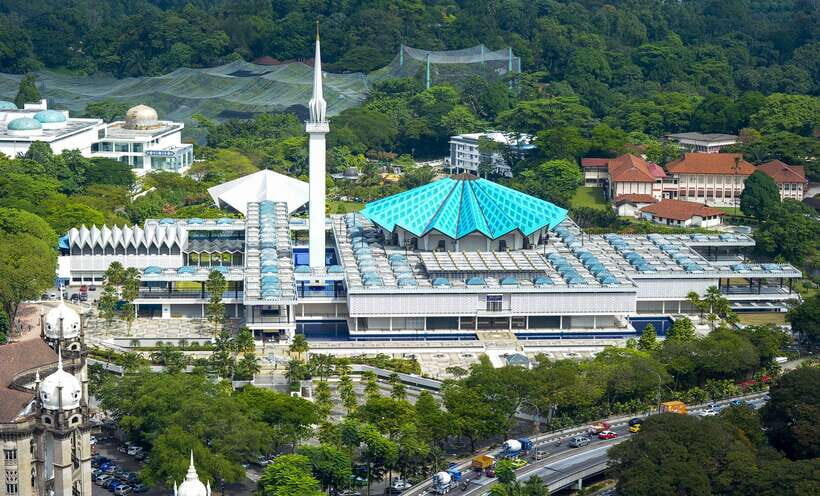
The mosque sits on 13 acres of beautifully kept gardens, and it was designed in the late 1950s as a symbol of Malaysia’s newly independent nation. That context helps a lot. When your guide ties the architecture to the country’s self-image at the time, it stops being just a famous building and starts feeling like a statement in stone and design.
Timing note
The National Mosque is closed on Friday, so if your trip lands on a Friday, you’ll want to confirm what happens with the route on that day. (In some cases, tours adjust the plan, but the closure itself is fixed.)
Also plan your clothing. Mosque rules matter here more than at many sightseeing spots, and they’re part of the experience. For ladies, long dresses or pants are expected, with shoulders covered. Men can typically opt for a simple tee and knee-length shorts or pants. Comfortable sneakers are still helpful, because gardens and walkways add up.



Chinatown, Petaling Street, and Central Market: Food Stalls and Quick-Stop Shopping
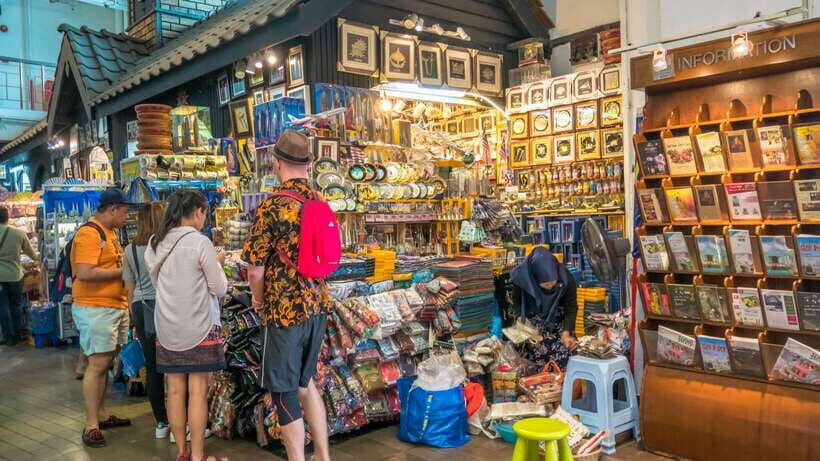
After the religious stops, you’ll get a change of pace in the city’s market areas. The tour includes time around Petaling Street (Chinatown) and also makes room for Central Market for retail therapy.
This is where Kuala Lumpur feels like Kuala Lumpur—less curated, more everyday. Your guide helps you navigate the zone so you can spend time where you want without feeling lost. And since you’re there with a plan, you’re less likely to wander for an hour without finding the one thing you came for.
What you’re likely to eat (and what it means)
The area has dozens of food stalls tended by Chinese, Indian, Malay, and Bangladeshi traders. That mixture is part of the point. When you order something local, you’re sampling the city’s cultural blending, not only a specific cuisine.
Some favorites mentioned for the area include:
- Curry noodles
- Hokkien mee, a Fujian noodle dish
- Ikan bakar, barbecued fish
- Asam laksa, a sour fish-and-tamarind soup
Food isn’t included on this tour, so treat this as your chance to choose a snack or meal that fits your budget and appetite. If you’re short on time, share a couple of items rather than going big—markets are about variety.
Central Market fit
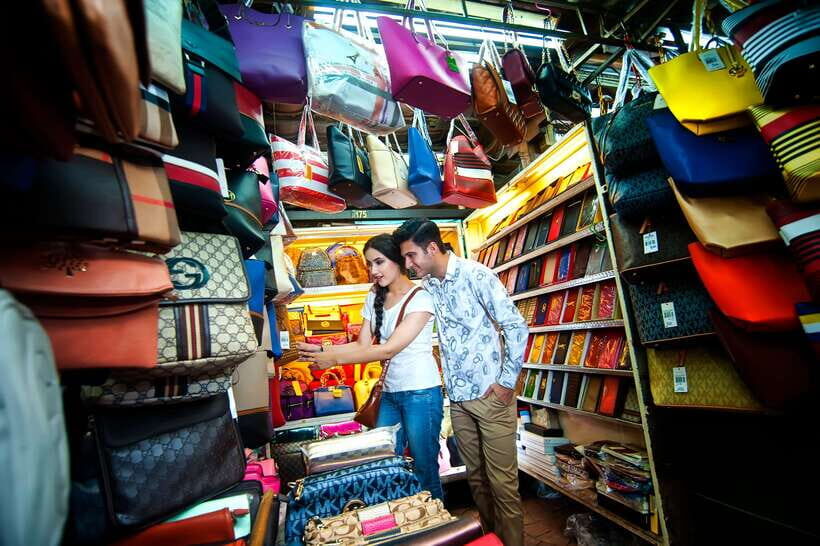
Central Market is a great place to pivot from food to souvenirs. Think crafts, small gifts, and the kind of shopping where you can browse without feeling like you’re fighting through a warehouse. The value of adding it on this tour is simple: you’ve already been moving through different cultures by religion and architecture, so switching into local crafts and shopping keeps the “culture lesson” going in a more relaxed way.
Little India: A 30-Minute Taste of Another Kuala Lumpur Scene
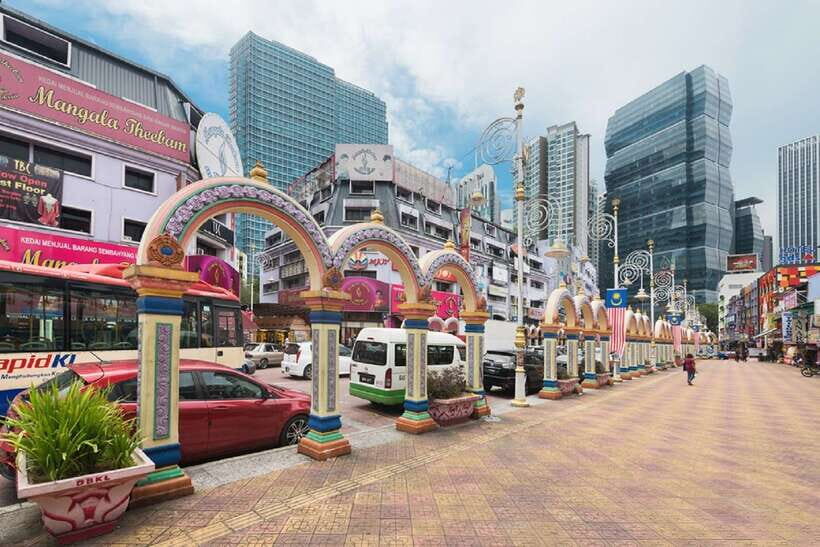
Last major sightseeing block is Little India, also around 30 minutes. This is your chance to feel a different rhythm in the same city—colors, languages, and the energy of people buying daily items, snacks, and small gifts.
You won’t see the full neighborhood in 30 minutes. But you will get enough time to understand why it’s such a magnet for Kuala Lumpur locals and why it’s a natural follow-up to Chinatown. It’s an easy way to compare communities side by side without spending a whole day doing it.
Best way to use the time
Go with a simple plan:
- Walk a loop to get your bearings
- Pick one or two things to buy (or one food item to try)
- Keep your eyes up for signage and tiny stalls you might miss if you only look straight ahead
A good guide makes this smoother by helping you pick a direction and then giving you a clear meet-up point.
How the 4-Hour Route Feels Fast: Pickup, Air-Con Comfort, and Guide Timing
The tour runs about 4 hours, and that time only works because the logistics are tight. You get hotel pickup and drop-off from city hotels, and you’ll be transported in an air-conditioned vehicle, which is not a small detail in Kuala Lumpur heat.
This is also a group setup with multiple pickup points. Expect a slight variance in your exact pickup time, depending on where your car route starts. Because timing matters, make sure you activate WhatsApp during pickup hours, since the guide uses it to confirm arrival timing.
A big part of why people rate these tours highly is pacing. The best guides manage stops like a play: they get you there before things get chaotic, then explain what to look for at each place, and tell you exactly where they’ll meet you afterward. That’s especially helpful at Batu Caves, where it’s easy to lose time if you wander without a plan.
What you’ll likely experience with strong guides
From the names that show up often in this kind of service, you’ll see patterns: guides like Nesh, Harit, Jag, and Ayyanar are repeatedly praised for being engaging, organized, and quick to point out what matters at each stop. In the same spirit, guides such as Jennifer and Tina are described as friendly and efficient, helping you move through the day without stress.
You should also know that guides can be flexible if the group schedule allows. Several people describe tours that were adjusted to spend more time where they cared most, or to keep things practical based on crowd levels.
Price and Value: Why $34 Makes Sense for a First KL Day
At $34 per person for a 4-hour tour, the value comes from what’s included rather than the sightseeing list.
You’re getting:
- Hotel pickup and drop-off
- An English-speaking driver/guide
- A group tour using an air-conditioned vehicle
What’s not included:
- Entrance tickets
- Food and beverages
- Optional gratuities
So the real question is whether this saves you time. If you’re trying to fit Kuala Lumpur’s biggest religious landmarks and key markets into one half day, hiring a guide with transport is cost-effective. Otherwise, you’d spend that same money (and more) on taxis plus the mental load of figuring out routes, timing, and where to spend your limited daylight.
Also, the tour is particularly good for a first-time day. You don’t need to understand Kuala Lumpur’s geography to benefit. The guide handles the logic of the route, and you get the cultural context while you’re at each stop.
Who Should Book This Tour (and Who Should Rethink It)
This tour fits you if:
- You want a fast overview of Kuala Lumpur’s major religious and cultural landmarks
- You’d rather sit back in AC and let someone else manage the driving and timing
- You enjoy markets and want both shopping and food options in the same day
You might want to rethink it if:
- Walking 272 steps is a challenge for your body. The stair climb requirement is real, and it’s not a “quick photo” situation.
- You’re visiting on a Friday and strongly want the National Mosque. Closure affects the flow of the day.
And one more thing: come with clothing that works for temples and mosques. That small preparation can save you from awkward last-minute shopping.
Should You Book This Kuala Lumpur Batu Caves & Historic Buildings Tour?

I’d book it if you’re short on time and you want your day to feel purposeful: climb at Batu Caves, look up at Thean Hou, slow down at the National Mosque, then end with markets where you can snack and browse.
If you have decent stamina and you’re comfortable following dress guidelines at places of worship, this is a great “starter tour” that gives you context for the rest of your trip. The biggest reason to pass would be the stair demand—or a strong preference to go at your own pace without any group timing.
FAQ
How long is the Kuala Lumpur Batu Caves & Historic Buildings tour?
The tour lasts about 4 hours.
What’s included in the tour price?
Hotel pickup and drop-off from city hotels, an English-speaking driver/guide, a 4-hour group city tour, and air-conditioned transportation.
Are entrance tickets included?
No. Entrance tickets are not included.
Is food included?
No. Food and beverages are not included.
Is the National Mosque open every day?
No. The National Mosque of Malaysia will be closed on Friday.
What should I wear for Batu Caves and the mosque?
Ladies should wear long dresses or pants with shoulders covered. Men can wear a simple tee and knee-length shorts or pants. Comfortable sneakers are advisable, especially for the 272 steps at Batu Caves.