REVIEW · LANGKAWI
Langkawi: Kayaking Adventure and Swimming
Book on GetYourGuide →Operated by JungleWalla Tours · Bookable on GetYourGuide
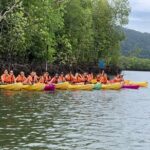
Mangroves at kayak speed are a whole mood. This Langkawi outing mixes easy, guided paddling in the Kubang Badak wetlands with real wildlife watching, not just “pretty scenery.” I really like that the pace stays calm at first, so you get comfortable before the wider mangrove views start rolling in. One thing to plan around: no hotel pick-up, so you’ll want to get yourself to the meeting jetty on time.
What makes this tour click for me is the combo: mangrove kayaking plus a proper break, including a swim and a filling lunch. You’ll spend time on the water, then reset at Jemuruk Island with a quiet beach feel and food served right on the water. The only drawback to note is that you should have at least a minimum average fitness level, since you’ll be moving for the paddling portion and doing a few short stops along the way.
In This Review
- Key things that make this Langkawi kayaking and swimming tour worth your time
- Kubang Badak mangroves: where you feel the ecosystem, not just scenery
- The first 10 minutes: what the kayaking portion really feels like
- Wildlife along the Kubang Badak River: birds and small coastal characters
- Pinang Cave and an old charcoal kiln: history breaks the nature rhythm
- Jemuruk Island swim: the calm reward after paddling
- Lunch on the water: regional food served after you’ve cooled off
- How long you’re actually doing things (and who it suits best)
- Price and value: what you get for $48 per person
- Practical tips that make the day smoother in real life
- Should you book JungleWalla’s Langkawi kayaking and swimming tour?
- FAQ
- What is the duration of the kayaking and swimming tour?
- Where is the meeting point?
- Is hotel pick-up and drop-off included?
- What’s included in the price?
- Do I need to bring any gear?
- What activities are included during the 3 hours?
- What wildlife might I see during the mangrove kayaking?
- Who is this tour not suitable for?
Key things that make this Langkawi kayaking and swimming tour worth your time
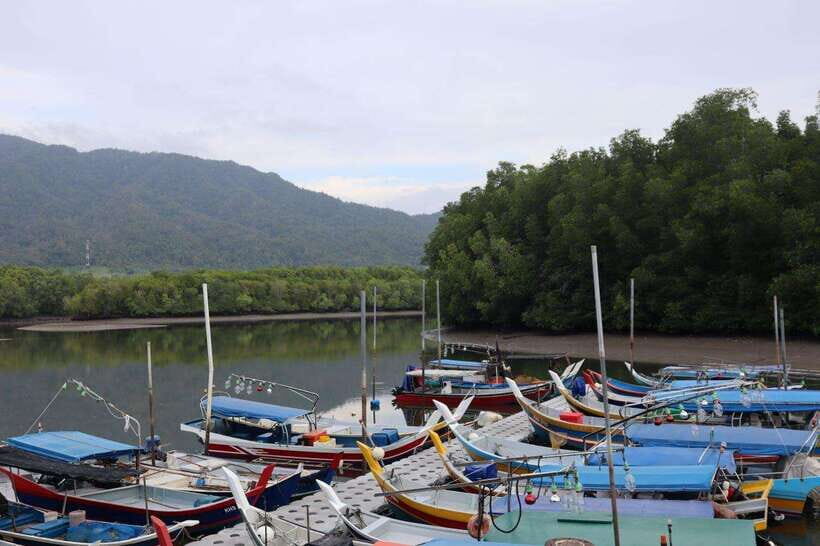
- Kubang Badak mangroves by kayak: guided paddling through a living river ecosystem
- Wildlife spotting opportunities: birds like kingfishers, sea eagles, and kites
- Small “manageable” group vibe: you’re not stuck with a huge crowd
- Pinang Cave and an old charcoal kiln stop: a mix of nature and history
- Jemuruk Island swim: time to cool off after paddling
- Lunch included, served at a floating restaurant: convenient and part of the experience
Kubang Badak mangroves: where you feel the ecosystem, not just scenery
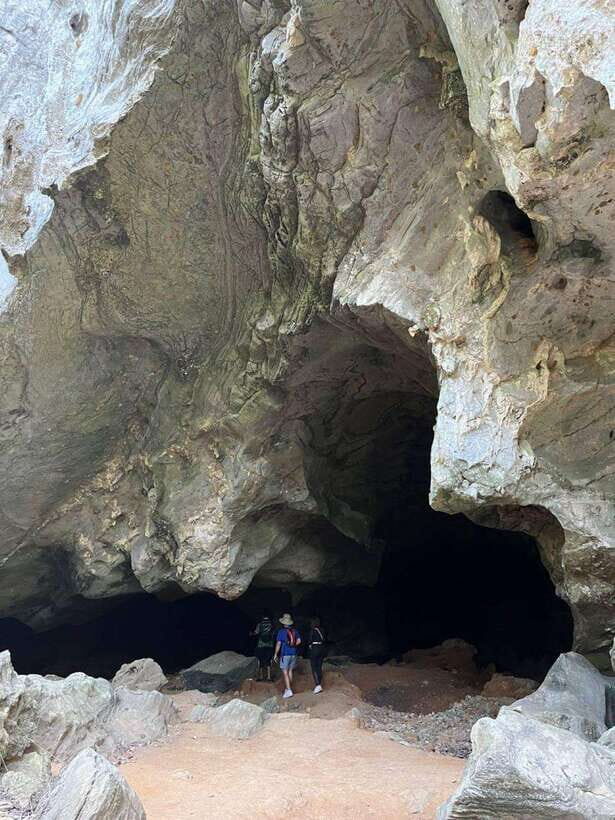
Langkawi’s mangroves don’t just look scenic from land. From the Kubang Badak River, you see how the habitat works: shallow channels, roots hanging into the water, and birds using the sky-lanes above it all. This tour is built around that idea. You’ll get time on the water at a speed that lets you notice details, not just “get from point A to B.”
I especially like that you’re in a place where nature has lots of jobs going on at once. You might spot birds perched near the mangrove edges, and you may also notice small life forms close to the waterline. That’s the kind of experience that makes photos look better later, but it’s even better live—because your guide can point out what you’re seeing and why it matters.
The other smart part: you’re not doing a long, all-day endurance plan. At 3 hours, it’s short enough to keep it fun, and long enough to feel like you actually entered the environment, not just passed through it.
A few more Langkawi tours and experiences worth a look
The first 10 minutes: what the kayaking portion really feels like
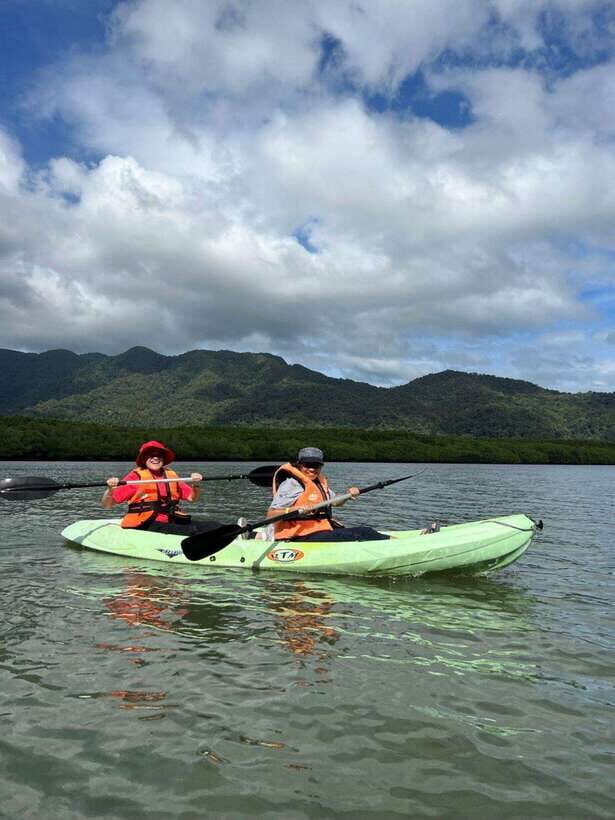
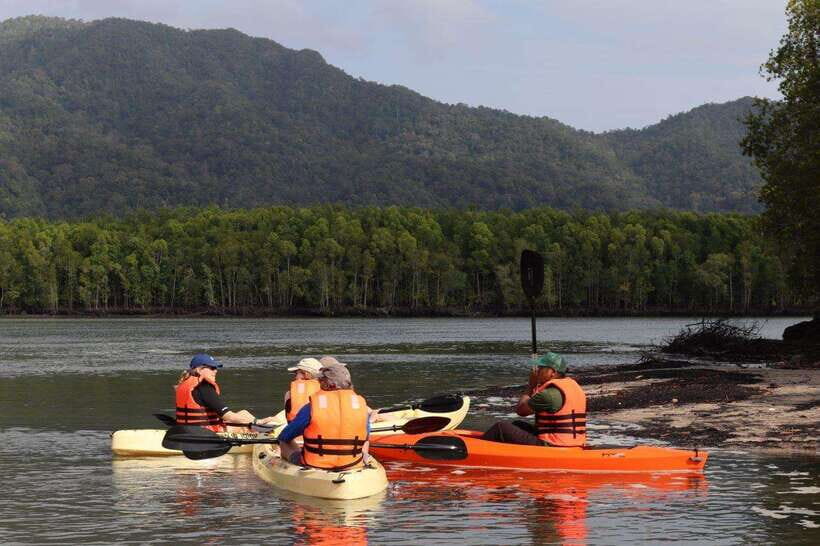
Before you start paddling, you’ll get a safety briefing and basic guidance. The tour starts slow at first, and that matters more than people think. Kayaking can feel awkward if you jump in and try to “figure it out.” Here, you’ll learn the basics step-by-step and get used to the rhythm before you’re moving through the mangrove reserve.
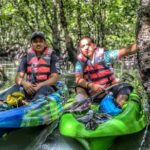
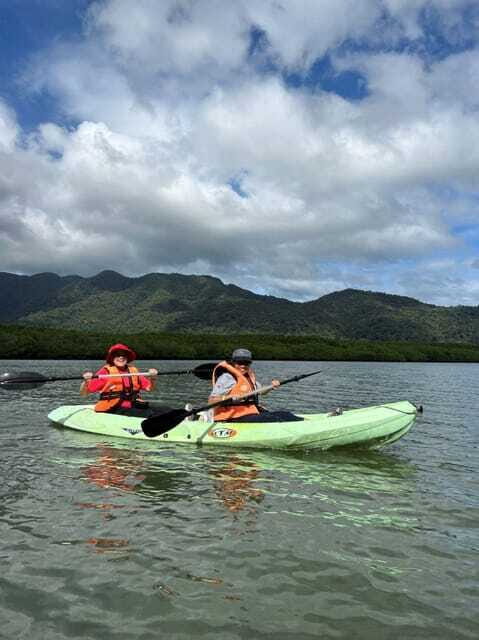
You’ll be on a kayak with a partner—so expect a two-person kayak setup. That’s usually a good thing. It turns the experience from solo pressure into teamwork. If you’re comfortable coordinating even a little, you’ll do fine.
Because the route is in a mangrove river setting, you’re also dealing with nature elements: uneven footing at boarding, sun exposure, and the occasional splash. That’s why the tour’s practical prep matters. If you show up with sunscreen and the right gear, the whole experience feels easier.
Also, language support is straightforward. The guide is English-speaking (and the tour runs in English and Malay), so you can ask questions and actually understand what you’re seeing.
Wildlife along the Kubang Badak River: birds and small coastal characters
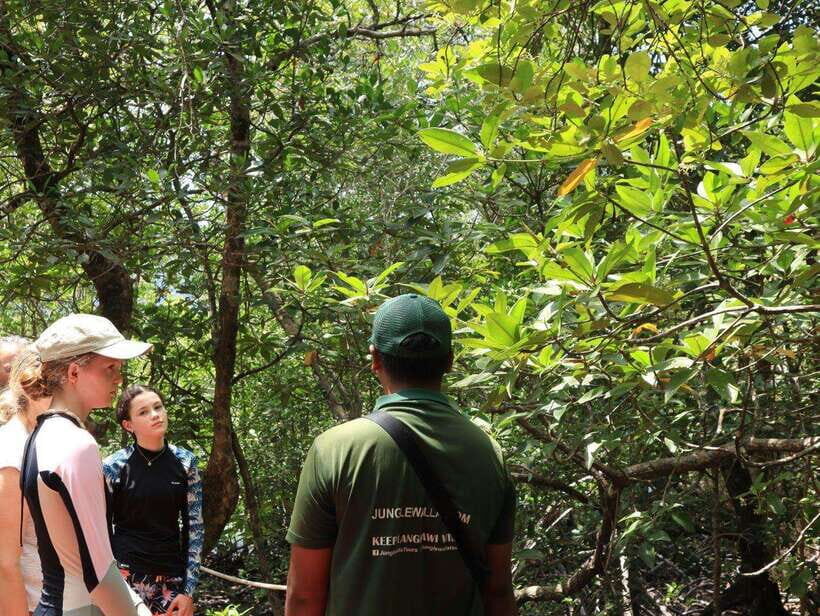
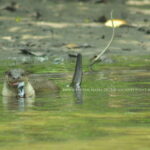
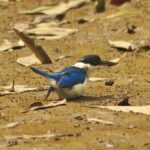
This is the part where the tour earns its keep. You’re paddling through a living mangrove ecosystem where birdlife and coastal creatures show up in different ways. You may see kingfishers, sea eagles, kites, and herons—the sort of mix that keeps your eyes moving.
What I like is that the wildlife isn’t treated like a “maybe.” It’s treated like a normal expectation of the habitat. The mangroves are naturally good for birds, and paddling slowly gives you time to notice. If you’re the type who enjoys scanning tree edges and water surfaces, you’ll be in your element.
Beyond birds, the habitat includes smaller life that’s fascinating if you pause to look closely. The tour route can include sightings like mudskippers, fiddler crabs, and even monitor lizards. You don’t need a science degree to appreciate it. The guide helps you connect the dots—like why certain animals hang around mangrove roots or where they tend to appear at the waterline.
A practical tip: keep your phone ready, but don’t spend the whole time filming. Your best sightings happen when you slow down, look first, then capture.
Pinang Cave and an old charcoal kiln: history breaks the nature rhythm
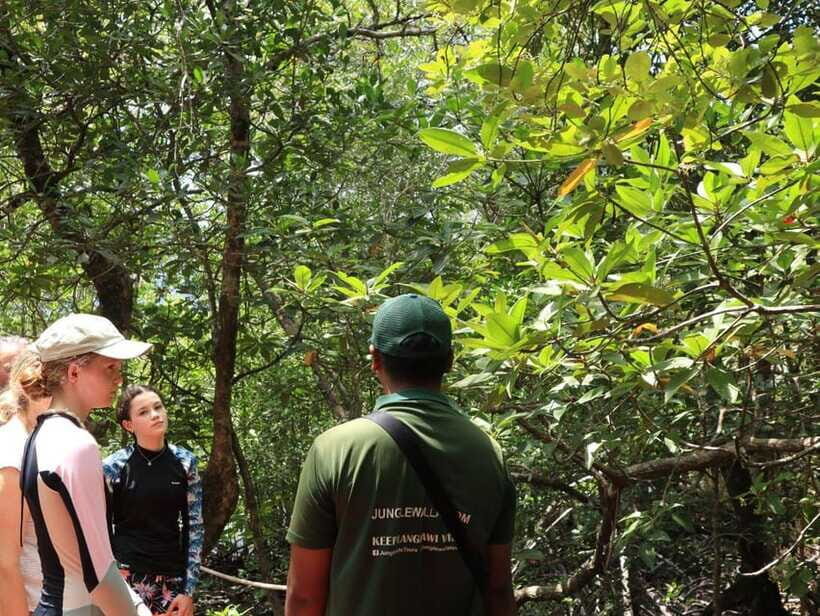
Nature tours can sometimes blur together. This one avoids that by adding two “stop and look” moments: an old charcoal kiln and Pinang Cave.
The old charcoal kiln gives you a human layer to the landscape. It’s a reminder that mangroves aren’t only about wildlife—they’ve also been part of local livelihoods. Even if you don’t know much about the practice, seeing the kiln in context makes the region feel more lived-in than “just a park.”
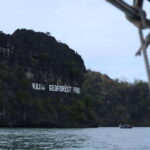
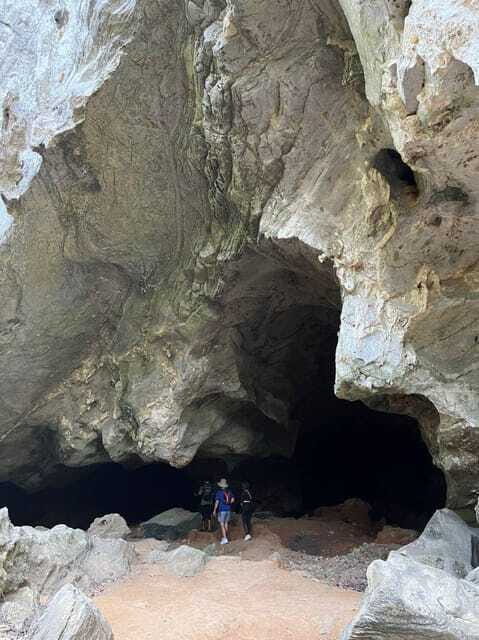
Then there’s Pinang Cave, described as an ancient sea cave. That stop is valuable because it changes your viewing angle. You stop paddling long enough to notice the cave setting and how the sea and rock interact with the coastal environment.
Is it strenuous? Not based on what this tour is designed for. These are more like pause points that add variety. The draw is attention. You’ll come out of the trip feeling like you saw the area’s “story,” not only its “views.”
Jemuruk Island swim: the calm reward after paddling
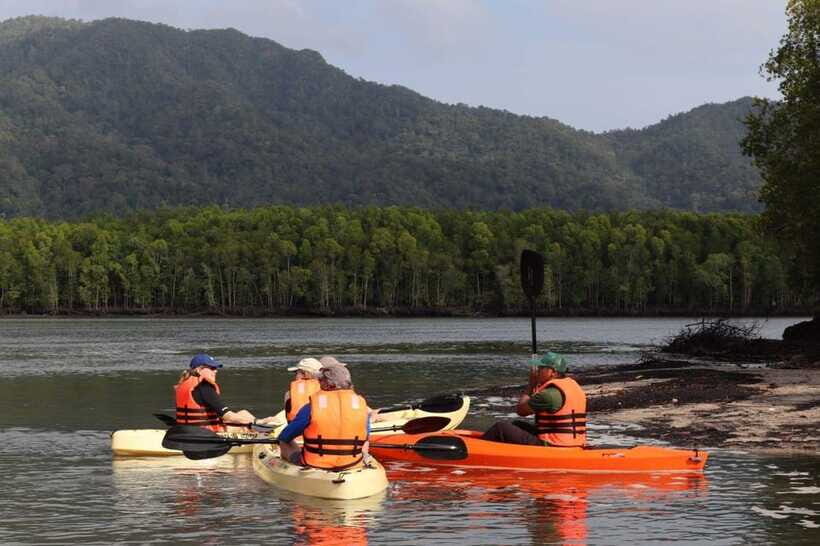
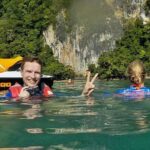
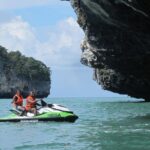
After the kayaking section and those stops, you’ll head toward Jemuruk Island for a relaxing swim. This is where the tour balances out: you get action earlier, then you get cooling-off time.
The beach setting is described as quiet, which is exactly what you want after 2 hours of paddling and wildlife watching. You’re likely to feel the sun by then. A swim gives you a reset, and it also helps you shake off any stiffness from sitting in a kayak.
In practical terms, this swim is also why your packing list matters. Plan for wet time. You’ll want a towel, sun protection, and a change of clothes so you don’t stay in damp gear longer than necessary.
If you’re a confident swimmer, great. If you’re just comfortable in the water, you can still enjoy the break as long as you keep it relaxed. The goal is to enjoy the moment, not turn it into a workout.

Lunch on the water: regional food served after you’ve cooled off
This tour includes lunch, and it’s served as a set lunch at a floating restaurant after the swim. That timing is smart. You’re not rushing food in the middle of paddling. You’ve had your break, you’re ready to eat, and the meal feels like a reward.
The food is described as regional, so it’s not just a generic “tour lunch.” It’s part of the Langkawi experience. I like that the lunch is included in the price, because it removes decision fatigue. After a morning or midday on the water, you don’t want to hunt for where to eat.
One detail that stands out: some groups are able to enjoy a quieter lunch experience because the restaurant stop can feel more intimate. If you’re hoping for a meal that doesn’t feel like a cafeteria line, this setup is a good sign.
If you have dietary restrictions, the tour information here doesn’t spell out special options. So it’s worth asking in advance when you book, just to be safe.
How long you’re actually doing things (and who it suits best)
The whole experience is 3 hours. You’re looking at about 2 hours in the core mangrove kayaking portion, with a shorter lunch and break window afterward.
Before you even paddle, expect about 10 minutes for briefing and safety tips. That short lead-in matters because it sets expectations for how the guide wants you to handle the kayak and behave on the water.
For the fitness piece: you only need “average” fitness, but you do need to be able to participate comfortably. The tour notes a required minimum average fitness level. It’s not described as a hardcore expedition, but it is still an outdoor, active day. Sitting in a kayak, shifting attention between wildlife and the river flow, and then moving around during the swim and stops all add up.
This is not suitable for everyone. It’s listed as not suitable for children under 5, wheelchair users, and people over 70. If you fall into those groups, this tour likely won’t be a good fit. If you’re within the recommended age and comfort level, it’s a very approachable way to see Langkawi’s wetlands.
Price and value: what you get for $48 per person
At around $48 per person for a 3-hour tour, the value is in what’s bundled. You’re getting:
- an English-speaking naturalist guide
- kayaks and all equipment
- drinking water
- a set lunch
- the full sequence: mangrove kayaking, cave/charcoal kiln stops, swim, and lunch stop
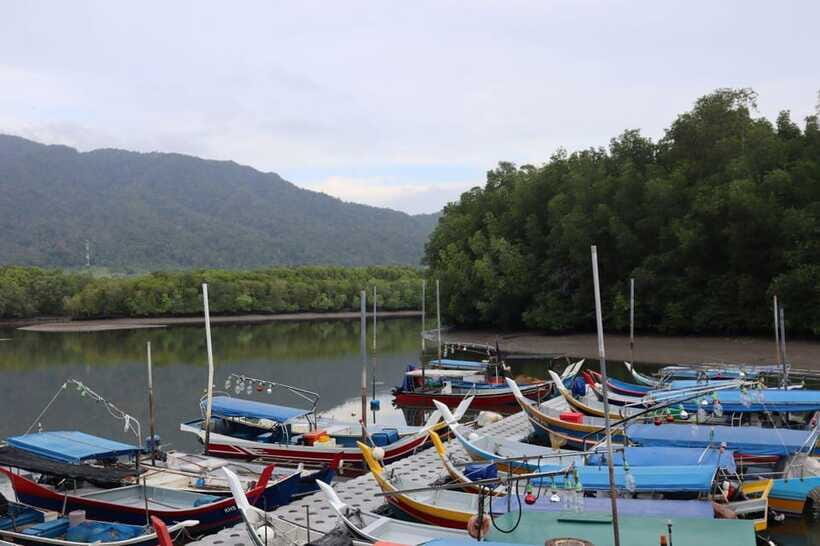
What you’re not getting is transport. Hotel pick-up and drop-off isn’t included, so you may need to arrange your own ride to Junglewalla Kubang Badak Jetty. That’s the main cost you might add.
When I look at value like this, I think about friction. You’re not organizing gear, guides, or meal timing. Everything that could become a hassle is handled for you. Add the fact that lunch is included at the end, and the day feels “complete” instead of tacked-on.
If you already have sunscreen and a change of clothes, your extra spend is minimal. In that sense, $48 feels fair for a guided, equipment-included nature and swim combo.
Practical tips that make the day smoother in real life
This tour is simple, but it has a clear weather-and-water logic. Prepare for sun and water time, and you’ll enjoy it more.
Bring:
- Sunscreen
- outdoor clothing you’re okay getting a little wet
- a waterproof bag (so your essentials stay dry)
- waterproof shoes (or shoes that handle wet conditions)
Recommended attire includes:
- a hat, tee-shirt, shorts, and swimwear
- sun protection
- a towel
- sandals or sport shoes
- a change of clothes
My best practical advice is to treat this as a “wet-and-sunny” outing. Even with calm pacing, you’ll be outdoors the whole time. That makes sunscreen non-negotiable.
Also, arrive with enough time to check in. Meeting point is Junglewalla Kubang Badak Jetty, so you don’t want to cut it close after travel. If you’re self-driving or using local transport, pad your timing.
Finally, if you’re nervous about kayaking, don’t overthink it. You’ll get a safety briefing and instruction. The tour is designed for people who want to have fun, not people who already paddle daily.
Should you book JungleWalla’s Langkawi kayaking and swimming tour?
If you want a Langkawi day that feels outdoorsy without turning into a long trek, I’d book this. The mix of mangrove kayaking, wildlife viewing, and a Jemuruk Island swim keeps energy levels balanced. You also get lunch included, served in a way that matches the setting.
This is also a strong choice if you like animals and prefer guided interpretation. Seeing birds like kingfishers and sea eagles is one thing. Understanding what you’re looking at is what makes the experience stick.
Skip it (or reconsider) if you can’t meet the minimum average fitness level, need wheelchair access, or you’re outside the listed age suitability. And if you hate logistics, plan for the lack of hotel pick-up by arranging your own ride to Junglewalla Kubang Badak Jetty.
Overall, this feels like good value: you’re paying for a guided nature circuit with equipment, food, and swim time all built in.
FAQ
What is the duration of the kayaking and swimming tour?
The tour lasts about 3 hours.
Where is the meeting point?
You meet at Junglewalla Kubang Badak Jetty.
Is hotel pick-up and drop-off included?
No. Hotel pick-up and drop-off are not included.
What’s included in the price?
The tour includes an English-speaking naturalist guide, kayaks and all equipment, drinking water, and a set lunch.
Do I need to bring any gear?
Yes. Bring sunscreen, outdoor clothing, a waterproof bag, and waterproof shoes. A towel, hat, swimwear, and a change of clothes are also recommended.
What activities are included during the 3 hours?
You’ll kayak along the Kubang Badak mangrove area, make stops including an old charcoal kiln and Pinang Cave, then swim at Jemuruk Island and have lunch.
What wildlife might I see during the mangrove kayaking?
The tour notes possible sightings such as kingfishers, sea eagles, kites, herons, mudskippers, fiddler crabs, and monitor lizards.
Who is this tour not suitable for?
It’s not suitable for children under 5 years old, wheelchair users, and people over 70 years.