REVIEW · KUALA LUMPUR
LaZat Malaysian Cooking Class
Book on Viator →Operated by LaZat Malaysian Cooking Class · Bookable on Viator
Spices, stoves, and a recipe you can repeat. This LaZat Malaysian Cooking Class strings together a local wet-market visit and a hands-on kitchen session, with a full-course menu and a recipe book you can use later. You get more than just watching and copying moves.
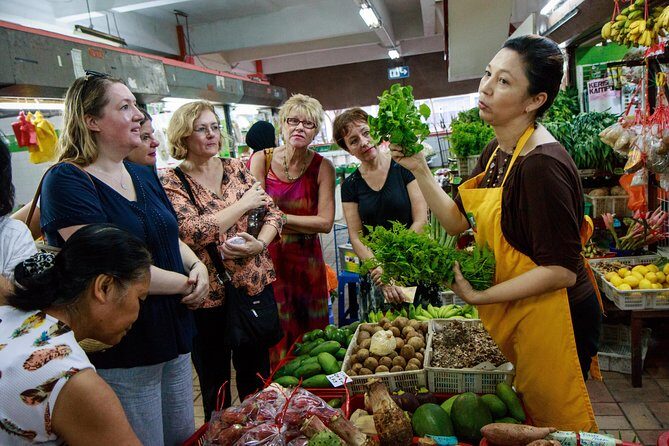
I really like the way the morning is built around the ingredients. The guided market tour (usually daily except Mondays) helps you understand what you’re buying and why, and you’ll start with a light roti canai breakfast.
One thing to plan around: transport to the wet market is not included. If you’re not already in the Taman Tun Dr. Ismail area, make sure you can get yourself to Pasar Besar on time.
In This Review
- Key highlights at a glance
- Market to kitchen in Kuala Lumpur: the half-day setup that works
- Where you start matters: Pasar Besar TTDI and the Majestic Hotel note
- Wet market tour plus roti canai breakfast: learning ingredients, not just names
- The kitchen setup: individual tools, real burners, and small-group teaching
- What you’ll cook: full-course Malaysian menu and flexibility by request
- Snacks, tea, coffee, and the pace of a 5-hour class
- Equipment you actually keep using at home: mortar & pestle and burner skills
- Price and value: is $130 fair for what you get?
- Who this class fits best
- Should you book LaZat Malaysian Cooking Class?
- FAQ
- How long is the LaZat Malaysian Cooking Class?
- What age is this class for?
- Is the market tour included, and what days does it run?
- Do I need to pay extra for food and drinks?
- What is the meeting point?
- Is transportation to the wet market included?
- Do I get a recipe book to take home?
Key highlights at a glance
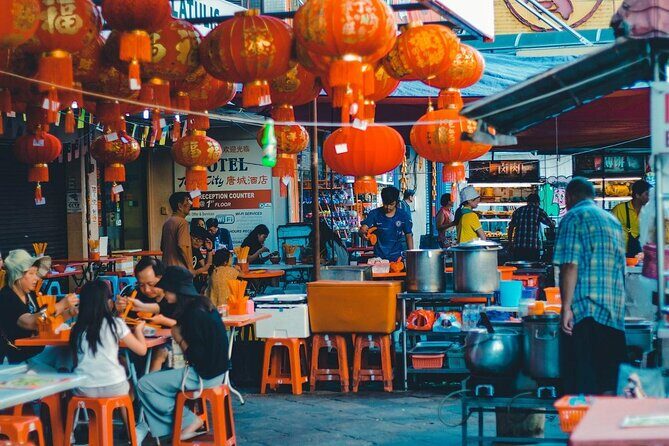
- Market tour every day except Mondays, so you can choose a day that fits your Kuala Lumpur rhythm
- Small group size (capped at 12), which keeps the teaching hands-on instead of lecture-style
- Your own cooking setup, including a gas burner and tools like a mortar & pestle
- Included snacks plus tea/coffee, so the 5-hour block stays comfortable
- Full-course menu (starter, main dishes, dessert) with a take-home recipe book
Market to kitchen in Kuala Lumpur: the half-day setup that works
This is a 5-hour, half-day class that fits nicely into a busy Kuala Lumpur itinerary. You’re not eating up your whole day chasing transport or waiting around. Once the session ends, you’re back at the starting point, which makes it easier to move on to your next plan.
The format is straightforward: you’ll begin with a wet market stop, then head to the cooking school. After that, you cook, eat, and get recipes to take home. It’s designed so you can be a beginner and still keep up, or be more confident and still learn real technique.
The session runs on a clear daily rhythm: Tuesday to Saturday, 8:30 AM to 1:30 PM (market tour runs every day except Mondays). That window matters because you’ll be able to schedule it against other KL sights without guesswork.
You can also read our reviews of more cooking classes in Kuala Lumpur

Where you start matters: Pasar Besar TTDI and the Majestic Hotel note

Your official meeting point for the activity starts at Pasar Besar Taman Tun Dr. Ismail (TS37) in Kuala Lumpur. The activity ends back at the meeting point, so you’re not doing the classic “drop me somewhere else” routine.
You may also see references to the Majestic Hotel as the easiest place to find the meetup. In practice, this can mean the operation uses that hotel area as a common reference point, while the structured meeting location is at Pasar Besar. I’d treat it like this: confirm the exact start point on your confirmation message, and arrive early enough to avoid rushing.
Also note what’s not included: transport to the wet market isn’t listed as included, and transport after class finishes isn’t included either. That doesn’t mean you’ll be stranded, but it does mean you should have a plan for how to get there and how to leave afterward.
Wet market tour plus roti canai breakfast: learning ingredients, not just names
The market tour is a big part of what makes this class feel authentic. It’s not just a photo walk. You’re guided through the kinds of spices and ingredients that show up in Malaysian cooking, with an emphasis on names, smells, textures, and tastes.
Breakfast is included, and it’s specifically a light roti canai breakfast. That’s a smart match for the theme of the morning because it ties what you’re seeing in the market to something you’ll recognize as a Malaysian staple. You’ll eat before you cook, which helps your energy level for the kitchen stretch later.
A small practical tip: markets can be busy and tactile. Wear comfortable shoes and expect to move. If you’re sensitive to strong smells, you might want to step back briefly while your guide talks through the spice stands. The goal is learning, not overwhelm.
The kitchen setup: individual tools, real burners, and small-group teaching
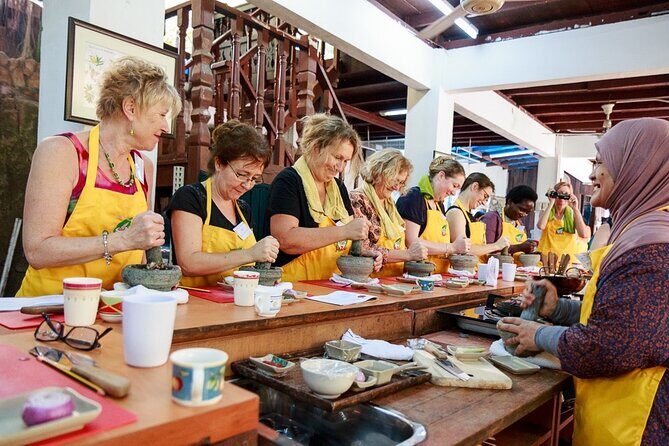
Once you reach the kitchen, the class becomes properly hands-on. One of the best value points here is that each participant gets an individual set of equipment. That includes a gas burner stove, countertop space, cooking utensils, and traditional tools like a mortar & pestle.
This is the kind of detail that makes a difference. If you’ve ever tried cooking in a group where you share tools and wait for your turn, you know how slow it can get. Here, the structure is built around you actively cooking your own dishes.
The group size is also capped at 12 people, which supports actual interaction with the instructors. The class is described as suitable for all skill levels, including complete beginners. In other words, you’re not expected to arrive knowing Malaysian technique.
If you have dietary needs, the class allows for them as long as you communicate in advance. The info specifically says to inform the operator about preferences or restrictions such as vegan, vegetarian, gluten-free, or allergies.
What you’ll cook: full-course Malaysian menu and flexibility by request
This class includes a starter, main dishes, and dessert, so you’re not leaving hungry and you’re not just learning one dish. The menu is described as Malaysian cuisine taught through traditional techniques, and it’s presented in a way that’s meant to be learnable at home later.
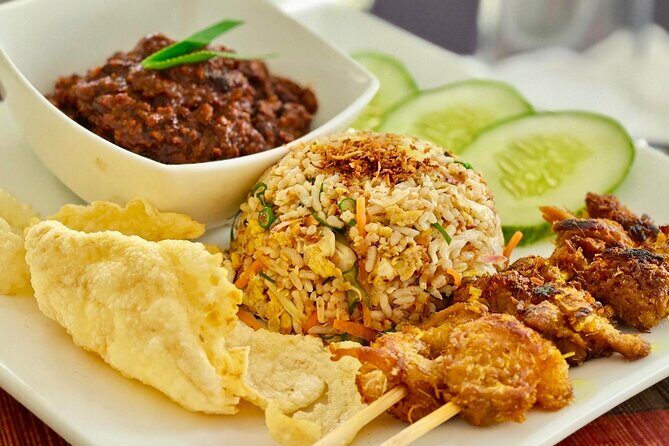
While the exact dishes can vary by day, you should expect Malaysian staples and techniques that show up across the cuisine. Some people specifically highlight dishes like rendang and nasi lemak from their sessions. The important takeaway for you is that this isn’t limited to one “safe” menu.
If there’s one dish you really want to learn—rendang is a common example—ask ahead of time or speak with the instructor on the day. One person’s experience shows that menu adjustments can happen when the school accommodates requests that don’t line up with the original plan.
What you’ll get in the end is the part most cooking classes forget: you’ll take home a recipe book. That’s what turns this from a one-day activity into something you can recreate, and it’s where the value of paying for instruction actually shows up.
A few more Kuala Lumpur tours and experiences worth a look



Snacks, tea, coffee, and the pace of a 5-hour class
Expect the day to run as a steady sequence rather than long gaps. Snacks, plus tea and coffee, are included to keep you energized during the cooking and tasting.
That matters because 5 hours in a kitchen is fun, but it’s still work. If you show up after skipping breakfast, you’ll feel it. Here, you begin with roti canai breakfast and then get support with snacks and hot drinks while you cook.
The schedule also helps you mentally. It’s not an all-day cooking marathon. You finish in the early afternoon window, and the rest of the day is yours for Kuala Lumpur—markets, neighborhoods, or just plain relaxing.
Equipment you actually keep using at home: mortar & pestle and burner skills
It’s easy to overhype “authentic cooking” and end up with a class where everything is just prepped for you. Here, the included equipment list signals that you’ll practice actual fundamentals.
You’ll use a mortar & pestle, which is a key technique in many Malaysian preparations where grinding aromatics matters for texture and flavor. You’ll also cook on a gas burner stove, which is closer to home cooking than classes using only microwaves or heavily pre-portioned setups.
Add in that you’ll receive a recipe book, and you’re not just tasting and forgetting. You’re leaving with a plan to repeat the flavors on your own kitchen timetable.
Price and value: is $130 fair for what you get?
At $130 per person, this isn’t the cheapest cooking class in Kuala Lumpur. Some schools charge less, and the difference usually comes down to how much you cook, how much instruction you get, and how small the group is.
In this case, you’re paying for:
- A guided market tour (most days)
- Breakfast (light roti canai)
- Snacks plus tea/coffee
- Transfer from the wet market to the school
- Individual equipment, including traditional tools
- Full-course menu
- A take-home recipe book
- A small group cap (12 people)
That’s a lot bundled into one session, and it can feel worth it if you value cooking time and real technique practice. It can feel less worth it if you only want casual tasting or you’re mainly looking for a quick photo-based activity.
Also, alcohol is not included. If you’re hoping for that, you’ll need to plan something separate.
Who this class fits best
I think this is a great match if you want a hands-on food experience and you’re okay starting your day with a wet market visit. It works especially well for:
- Beginners who want structure and guidance while cooking
- Confident cooks who want Malaysian technique and flavors explained clearly
- People who like small-group settings instead of big bus-style tours
- Anyone who wants a half-day activity with the rest of the afternoon free
One more fit note: the class is for age 16 and older, so it’s not a family-style class with small children at the table.
Should you book LaZat Malaysian Cooking Class?
Book it if you want a class where ingredients and technique are the point, not just the meal. The market tour, individual equipment, small group size, and recipe book are the biggest reasons this feels like more than a one-time show.
Skip it or reconsider if you don’t want to handle getting to Pasar Besar Taman Tun Dr. Ismail on your own, since transport to the wet market isn’t included. Also, if you’re trying to cook on a very strict budget, you’ll want to compare what other schools include with the money here.
If your priority is learning authentic Malaysian cooking in a practical way, this is the kind of half-day experience that leaves you with skills, not just memories.
FAQ
How long is the LaZat Malaysian Cooking Class?
The class lasts about 5 hours.
What age is this class for?
This class is for participants aged 16 and older.
Is the market tour included, and what days does it run?
A guided market tour is included, and it runs every day except Mondays.
Do I need to pay extra for food and drinks?
No. You’ll have breakfast (light roti canai), and snacks plus tea and coffee are included. Alcoholic beverages are not included.
What is the meeting point?
The activity starts at Pasar Besar Taman Tun Dr. Ismail (TS37), and it ends back at the same meeting point.
Is transportation to the wet market included?
No. Transport to the wet market is not included. Transfer from the wet market to the cooking school is included after the market tour.
Do I get a recipe book to take home?
Yes. You’ll receive a recipe book at the end of the session.