REVIEW · KOTA KINABALU
Mount Kinabalu Climbing 3 Days 2 Nights
Book on Viator →Operated by TYH Borneo Tours and Travel SDN BHD · Bookable on Viator
Cold air, big steps, then a summit goal. This 3-day, 2-night Mount Kinabalu climb is interesting because the essentials are handled for you: guide, meals, permits, accommodation, and round-trip transfers. It’s built for a max 10-person group, so the pace and support feel personal, not chaotic.
Two things I’d put at the top: you get all meals included (breakfast, lunch, dinner), and you’re not wrestling with the paperwork because the climb permit and mountain guide are included. One thing to keep in mind is that porter fees are extra (and optional tipping isn’t included), so your final costs can creep up if you need extra help carrying gear.
In This Review
- Key things to know before you go
- Price and logistics: what you’re really paying for
- Small-group climbing with a guide who can actually manage people
- Meeting at Timpohon Gate (10:00 am) and why your first hour sets the tone
- Day 1: settling in, getting your layers right, and fueling early
- Day 2: the hard hours, smart breaks, and carrying less stress
- Day 3: finishing the descent without burning out your knees
- Sleeping arrangements and the Laban Rata angle
- Gear checklist that actually matches this tour
- Food, water, and energy: why the included meals help more than you think
- Money notes: porter fees, tips, and what’s not included
- Who this Mount Kinabalu climb fits best
- Should you book this 3D2N Mount Kinabalu climbing tour?
- FAQ
- How long is the Mount Kinabalu climbing experience?
- Where does the tour start, and what time?
- How many people are in the group?
- What’s included in the price?
- What is not included?
- Is insurance included?
- Do I get a completion certificate?
- What should I bring for the climb?
- If I need to cancel, can I get a refund?
Key things to know before you go
- Max 10 people: smaller group means your guide can actually keep tabs on everyone’s pace.
- Timpohon Gate start at 10:00 am: you’ll begin at a defined point in Kundasang, so you can plan your day around it.
- Meals are covered: breakfast, lunch, and dinner take the stress out of fueling for a hard hike.
- Insurance + certificate included: extra reassurance and a completion document when you finish.
- Bring serious warm gear and a torch: nights can be chilly, and footing can get dark.
- Porters and tips aren’t included: budget for optional add-ons if you want a lighter load.
Price and logistics: what you’re really paying for
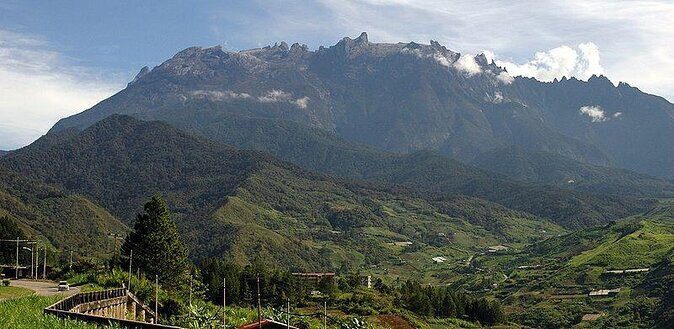
At $1,200 per person, this isn’t a budget hike. But in practice, that price buys you a lot of the annoying parts: hotel pickup and drop-off by seat-in-coach, a mountain guide, your climbing permit, 2 nights of accommodation, and all meals (breakfast, lunch, dinner). You’re also covered by insurance as part of the package.
That matters because Mount Kinabalu isn’t just “walk and snack.” You need the right scheduling, entry permissions, and people who know how to keep a group moving safely. When those moving pieces are handled, your brain can focus on the climb, not the checklist.
The one cost you should expect might be different from the headline price: porter fees are extra and tips are appreciated but not included.
A few more Kota Kinabalu tours and experiences worth a look
Small-group climbing with a guide who can actually manage people
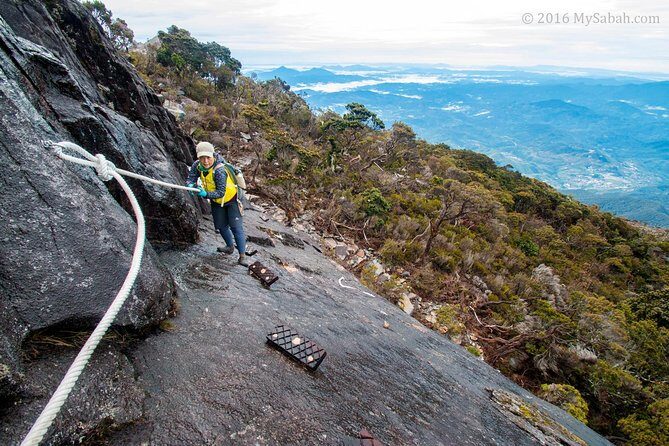
This tour caps the group at 10 travelers, which is a big deal on a mountain. When you’re hiking uphill for long stretches, small-group logistics can mean fewer bottlenecks, more check-ins, and less time waiting while someone figures out the next move.
Your guide is always available for assistance and support, and the hike includes plenty of breaks so you can rest, take in the scenery, and refill water bottles. I like this setup because it’s not just about muscle. It’s about rhythm: slow enough to keep going, fast enough to stay warm, and frequent enough breaks to prevent the “panic pace” that burns energy early.
Also worth noting: your plan includes meals and accommodation, which reduces the risk that you end up stressed about logistics right when you need recovery the most.
Meeting at Timpohon Gate (10:00 am) and why your first hour sets the tone
Your day starts at Timpohon Gate in Kundasang, Sabah, with the activity beginning at 10:00 am. That defined start time helps because you can show up ready, not scrambling through the morning.
From there, you’ll be in the rhythm of a guided climb: follow the group, use the breaks, and keep your water topped up. Since the guide is there for support, it’s also a good chance to get quick answers about pacing, what to do if you’re feeling stiff, and how to manage clothing layers as temperatures change.
Before you even arrive, make sure you’ve got the right basics lined up. The tour guidance is clear about gear: shoes with good grip, warm clothing, wind and water-proof layers, gloves, a hat, and a good torchlight. If you ignore those basics, you’re making the climb harder than it needs to be.
Day 1: settling in, getting your layers right, and fueling early
Day 1 is about getting comfortable with the mountain work. Even though the package doesn’t spell out every minute of the route in your details here, the structure is clear: you’ll be hiking as part of a 3-day, 2-night climb with two nights of accommodation included.
A practical way to think about day 1: treat it like your warm-up day. You’re building rhythm. You’re learning how to manage your effort so you don’t gas out too early. The tour expects you to hike about 7 miles (12 km) round-trip, and that distance (plus the altitude feel people associate with Kinabalu) can still be demanding. Start steady.
Fuel matters, and that’s one reason this tour is easier than many DIY climbs. You’ll have breakfast and lunch included, and the plan also includes high-energy foods as something you should bring (like chocolate, nuts, raisins, or glucose sweets). In other words: you’ll have food built into the schedule, plus you can top up with your own quick energy.
Day 2: the hard hours, smart breaks, and carrying less stress
This is where the climb gets serious. The tour is designed around a guided approach with frequent breaks—rest stops where you can reset, refill water, and catch your breath before continuing.
I like that your guide doesn’t just say go; they’re there to help you manage the climb. If your legs start to feel heavy, this kind of support can keep you from making bad decisions like pushing too hard or skipping a break because you feel guilty stopping.
Your packing list tells you what day 2 likely demands: wind and water protection, gloves, a hat, and a complete set of dry clothes for after. It also recommends headache tablets, tissues, plasters for cuts or blisters, and plastic bags. Those aren’t “nice-to-haves” on a wet or cold mountain. They’re the difference between feeling uncomfortable and feeling miserable.
And remember: insufficient warmth is a common reason people slow down, even if their fitness is fine. Layer management is a skill on Kinabalu. Bring enough to stay warm without overheating.

Day 3: finishing the descent without burning out your knees
By day 3, you’ve already done the hard work. You’re back on the return phase—hiking down and ending at the original meeting point. The tour details say the activity ends back at the meeting point, and you also have hotel pickup and drop-off included by seat-in-coach.
Finishing strong on day 3 often comes down to two things: pace control and foot care. The tour planning includes breaks and guide support, but you still need to protect your feet. That’s why the gear list includes a second pair of shoes or sandals, plus plasters for blisters. Swapping footwear when your main pair is wet or rubbing can save your experience.
Also, take the certificate seriously. The package includes a certificate of completion, and getting that at the end is a satisfying reminder that you didn’t just hike—you completed the climb.
Sleeping arrangements and the Laban Rata angle
You’re covered for 2 nights of accommodation. The details you provided confirm you’ll have lodging included, but not every lodge style. One useful extra detail from the experience history: the operator can arrange lodging options such as a private dorm at Laban Rata when available.
Why that matters: sleeping arrangements change the entire next-day mood. A quieter, more comfortable dorm setup can help you rest and wake up ready, instead of waking up stiff and cranky.
If you have strong preferences about how you sleep, bring them up early. The operator staff named John Tan has been described as responsive and able to adjust arrangements when possible. That’s not just customer service talk—it can genuinely affect your comfort during the climb.
Gear checklist that actually matches this tour
The tour guidance is practical, and you should treat it like the baseline for a safe, comfortable climb:
- Shoes with good grip (tennis or gym shoes are fine, as long as they grip well)
- Warm clothing, including wind and water-proof layers
- Water bottle
- Gloves, hat
- Good torchlight
- High-energy snacks (chocolate, nuts, raisins, glucose sweets)
- Complete set of dry clothes
- Second pair of shoes or sandals
- Headache tablets, tissues
- A couple of plastic bags
- Plasters for cuts or blisters
I’ll add one simple mindset: pack like you might get wet. Bring what you need to get dry and reset. Mountains love to humble your plans, and having dry clothes ready is the quickest way to feel human again after cold hours outside.
Food, water, and energy: why the included meals help more than you think
This is one of the best parts of the package: breakfast, lunch, and dinner are included, plus entrance fees and accommodation. Having meals taken care of lets you focus on eating on schedule rather than trying to find food at the wrong time.
You’ll also be hiking with plenty of breaks to rest and refill water. That’s important because dehydration and low calories can sneak up faster than your legs. The tour expects a challenging physical effort (a strong fitness level helps), and good fueling is part of finishing the job.
Bring your own quick energy too. The tour’s suggested snacks are easy to eat on the move, and they’re the kind of thing that can pull you out of a dip when motivation drops.
Money notes: porter fees, tips, and what’s not included
Even with the included meals, guide, permit, and accommodation, you should budget for add-ons:
- Porter fees are extra
- Tips are not included, but they’re appreciated
- Alcoholic drinks aren’t included
- Airfares aren’t included
- Personal travel insurance isn’t included (though the package includes insurance)
If you’re debating a porter, think about your load and your comfort. Porters exist to keep you moving steadily with less strain. If you’re confident carrying your pack, you may not need one. If you know your legs or back get stressed easily, a porter can be worth considering.
Who this Mount Kinabalu climb fits best
This climb is recommended for ages 18-50 and says you should have a strong physical fitness level. That makes sense. You’re looking at a guided hike with real effort over 3 days and 2 nights, plus cold, wet, or windy conditions are possible based on the clothing guidance.
This is also a good match if you want:
- A plan that handles permits and permits-related logistics
- Meals included so you can keep your energy up
- A small group with a guide who can assist
If you hate uncertainty, this tour removes a lot of it. If you love DIY adventures, you might feel boxed in by the schedule, but most people find the structured support is a relief on this kind of mountain.
Should you book this 3D2N Mount Kinabalu climbing tour?
If you want the real Mount Kinabalu experience without managing permits, meals, guide logistics, and mountain stays, this package makes the climb simpler. The value is strongest because your core needs are bundled: guide, climbing permit, meals, accommodation, insurance, and transfers.
Book it if you:
- Have a solid fitness base
- Want a max 10-person group
- Prefer a guided, planned approach over building everything yourself
- Appreciate gear support like warm layers and torchlight guidance
Skip or reconsider if you:
- Need everything to be refundable (this one is non-refundable and can’t be changed for any reason)
- Don’t want to factor in extra porter fees or optional tipping
If you’re ready for cold layers, steady pacing, and a guided climb that takes care of the important stuff, this is a strong bet.
FAQ
How long is the Mount Kinabalu climbing experience?
It’s 3 days with 2 nights of accommodation.
Where does the tour start, and what time?
The start point is Timpohon Gate, Kundasang, Sabah, Malaysia, and the start time is 10:00 am.
How many people are in the group?
The group size is limited to a maximum of 10 travelers.
What’s included in the price?
Included are hotel pickup and drop-off (seat-in-coach), a mountain guide, insurance, climbing permit, a certificate, 2 nights accommodation, and breakfast, lunch, and dinner. A mobile ticket is also provided.
What is not included?
Not included: airfares, optional tipping and porter fee, alcoholic drinks, personal travel insurance, and anything not mentioned in the package.
Is insurance included?
Yes, insurance is included in the package. Personal travel insurance is listed as not included.
Do I get a completion certificate?
Yes. The tour includes a certificate of completion.
What should I bring for the climb?
Bring shoes with good grip, enough warm clothing (including wind and water-proof clothes), a water bottle, high-energy foods, gloves, hat, good torchlight, a complete set of dry clothes, a second pair of shoes or sandals, headache tablets, tissues, plastic bags, and plasters for cuts or blisters.
If I need to cancel, can I get a refund?
No. The experience is non-refundable and cannot be changed for any reason.