REVIEW · KUALA LUMPUR
Private Tour: 2 in 1 Kuala Lumpur & Malacca Historical Day Tour
Book on Viator →Operated by Travelvago · Bookable on Viator
Two capitals in one long day. This private KL-to-Malacca tour strings together major sights with a trishaw ride, temple stops, and Portuguese-era ruins so you get a full taste of Malaysia without hopping on and off at every turn. I also love that the included trishaw ride adds real local flavor, not just photo stops, and I found the pace works well when you want big highlights fast.
One catch: Petronas Twin Towers entry is listed as not included, so you’ll want to budget a little extra (and confirm what you’ll have access to). Also, with a 12-hour day and short visits, you’ll need to be okay with seeing a lot rather than lingering forever.
A guide like Aru makes the difference. In heavy traffic, he still got the plan back on track, and he gave clear background at each stop so the sights felt connected instead of random. If you like structure but don’t want a rigid group vibe, this is a strong setup.
In This Review
- Key takeaways before you go
- A fast, private way to see Kuala Lumpur and Malacca
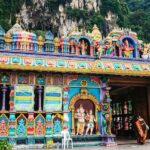
- Thean Hou Temple: a calm start with real cultural context
- Istana Negara and the government-sight stops that shape the city
- Petronas Twin Towers: impressive even without a long ticket hunt
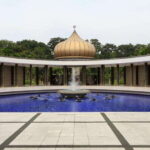
- National Monument, Masjid Negara, and Merdeka Square: photos with meaning
- Malacca’s Dutch Square and Christ Church: colonial layers in one lane
- Cheng Hoon Teng Temple: where three traditions share space
- Jonker Street in the schedule: shopping and food time, not just a stop
- Afamosa Fort: the included ticket that anchors the Malacca side
- St. Paul’s Hill and Church: viewpoints plus the sultan’s story
- Timing and “go at your own pace” (within limits)
- Price and value: what $133 buys on this 12-hour route
- Who this KL and Malacca day tour suits best
- Should you book this Private Tour?
- FAQ
- What time does the tour start?
- How long is the tour?
- Is hotel pickup and drop-off included?
- Is the trishaw ride included?
- Are entrance fees to Petronas Twin Towers included?
- Is Afamosa Fort entry included?
- Is this tour private?
- What is the cancellation policy?
Key takeaways before you go
- Private transport with hotel pickup and drop-off so your day starts calmer than DIY
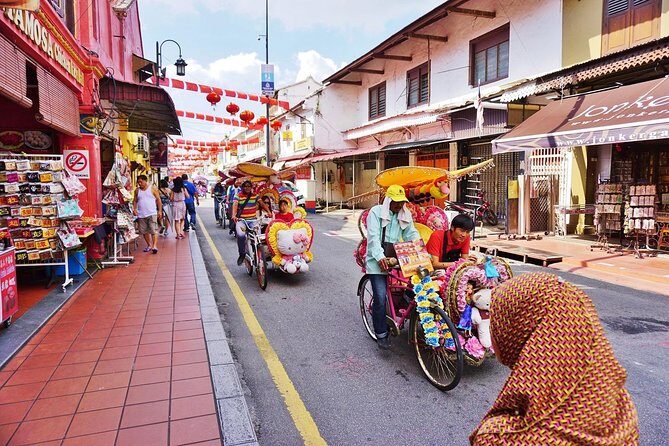
- Trishaw ride included during the Malacca historic-area loop
- Afamosa Fort entry included, giving you at least one ticketed highlight you won’t need to chase
- Short, efficient 30-minute stops mean lots of ground covered across two cities
- Petronas timing needs a heads-up since the entrance ticket is shown as not included
A fast, private way to see Kuala Lumpur and Malacca
This is a full-day “two cities, one plan” day. You start in Kuala Lumpur and work your way toward Malacca, with an air-conditioned vehicle and an English-speaking driver/guide doing the heavy lifting. The private format matters here: you’re not negotiating with strangers, and you can generally go at your own speed inside the time you have.
The biggest value is what you get in a single day. Instead of planning two separate outings (and coordinating transport between them), you roll into Kuala Lumpur’s famous landmarks and then shift to Malacca’s mix of Portuguese, Dutch, and Chinese heritage. It’s the kind of itinerary that works best when your time is tight but you still want variety.
I like that the tour includes some meaningful add-ons. A trishaw ride isn’t just a cute activity; it’s a real mode of transport that fits Malacca’s older lanes and waterways. And Afamosa Fort gives you a tangible “this is what the Portuguese left behind” experience rather than only looking at museum-style history.
You can also read our reviews of more private tours in Kuala Lumpur
- Private Tour Kuala Lumpur with Petronas Twin Towers Observation Deck & Batu Cave
★ 5.0 · 1,029 reviews
Thean Hou Temple: a calm start with real cultural context
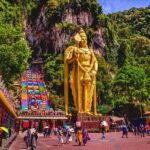
You begin with Thean Hou Temple, one of the best ways to kick off a day like this because it shifts you out of traffic-mode quickly. Thean Hou is associated with Tian Hou, the goddess associated with safe journeys and fishing, and you’ll also see devotion tied to Guan Yin, the Goddess of Mercy.
The practical value of a temple-first start: you get a quick cultural reset before the city landmarks start stacking up. Even if your visit is only around 30 minutes, you’ll have time to walk the complex thoughtfully, pause for photos, and spot the symbolism without feeling rushed in the middle of the busiest day.
If you’re planning your photos, aim to notice architectural details first rather than only shooting the biggest statues. Temples reward the slow look. You’ll still be out before Kuala Lumpur’s bigger crowds pick up.
Istana Negara and the government-sight stops that shape the city
After the temple, you head to Istana Negara (King Palace). The key detail here is that you can’t enter or explore the palace itself, but you can still see it and learn the story around it. The description emphasizes Islamic-style engineering, which is part of why this stop is interesting: Malaysia’s modern government identity shows up in design.
Then you move through a sequence of major “nation identity” stops:
- National Monument, a memorial for those lost in Malaysia’s struggle for independence
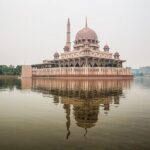
- National Mosque (Masjid Negara), with a large worship capacity and a complex layout
- Dataran Merdeka, the historic spot where the Malaysian flag was raised on 31 August 1957
- A quick step at Red Square (Dutch Square) as you pivot toward Malacca
This cluster works because it explains Malaysia’s modern story in visible places. You’re not just ticking off buildings. You’re seeing where civic pride, religion, and independence are physically staged.
One practical tip: for the mosque, dress matters. Keep clothing respectful and plan for sun exposure if you’re photographing outside.
Petronas Twin Towers: impressive even without a long ticket hunt
Petronas Twin Towers are the headline stop in Kuala Lumpur. You’ll get a dedicated visit window (around 30 minutes), and you’ll be able to see why the towers are treated as a symbol of Malaysia’s industrial and modern ambition.
Here’s the important planning note: Petronas Twin Towers entrance ticket is listed as not included. That means your experience may be more about seeing the exterior and nearby viewpoints rather than going through a ticketed interior experience. If you want to go inside, plan for an extra cost and confirm what’s actually covered when you book.
In a day that already has short stops, the best strategy is to decide early: do you want the towers primarily as a photo-and-people-stop, or do you want ticket time too? Once you decide, you can move smoothly without feeling like you’re racing.
National Monument, Masjid Negara, and Merdeka Square: photos with meaning
If you only care about Instagram shots, this section can feel like it’s “just monuments.” But if you like places that explain a country’s identity, you’ll appreciate it.
National Monument is built as a tribute to lives lost in Malaysia’s fight for independence. Masjid Negara isn’t just a pretty skyline—its scale and design are part of the story, including a capacity of around 15,000 and a layout described as 13 zones. And Dataran Merdeka matters because it’s tied to the first flag raising in 1957, plus the tradition of Merdeka Parade celebrations.
The win here is context. When you see these sites back-to-back, you get a sense of how Malaysia tells its own story: independence, civic life, and religion all show up in public space. It’s a quick education that doesn’t require museum time.
You can also read our reviews of more historical tours in Kuala Lumpur

Malacca’s Dutch Square and Christ Church: colonial layers in one lane

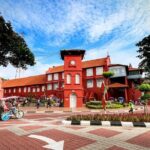
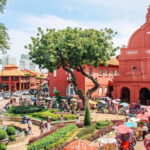
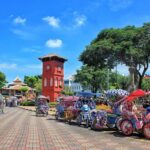
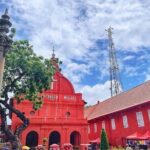
Once you’re in Malacca’s historic area, the vibe changes. The architecture and street layout start speaking more loudly—especially around Dutch Square (Red Square), which is described as a trishaw pickup point with red traveler Dutch-style buildings.
This is where the day starts feeling less like modern-city touring and more like walking through overlapping eras.
Christ Church is the next big cultural contrast. It’s described as the oldest operating Protestant church in Malaysia, with construction that began in 1741 during the Dutch occupation and finished in 1753. That detail matters because it explains why this church is a surviving link between European power and local history.
If you like “layered history,” Malacca is where this itinerary shines. You’re moving through influences that didn’t all arrive from the same place or at the same time. The short stop length keeps you moving, but the sites are distinct enough that you won’t feel like you’re seeing one long blur of buildings.
Cheng Hoon Teng Temple: where three traditions share space
Cheng Hoon Teng Temple is another high-value stop because it’s not a generic “Chinese temple” label. It practices the three doctrinal systems of Buddhism, Confucianism, and Taoism, and it’s described as the oldest temple in the country.
For a 30-minute visit, that’s plenty of time to understand what you’re looking at. You can notice how different beliefs share worship space, and you can see how the temple functions as both religious practice and cultural meeting point.
Practical note: temples often have quiet zones. If you want photos, be mindful about where you stand and when ceremonies or prayers are happening.
Jonker Street in the schedule: shopping and food time, not just a stop
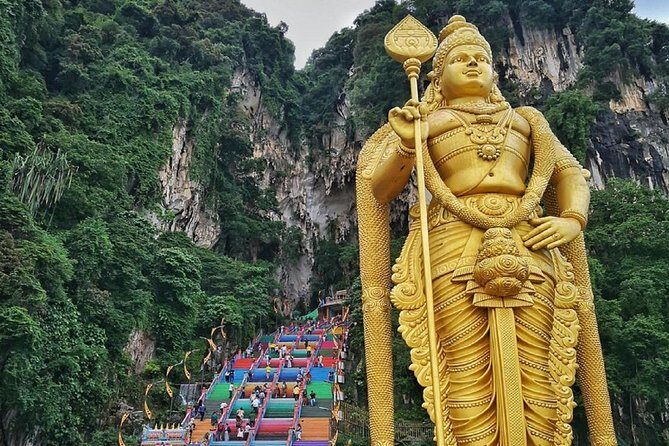
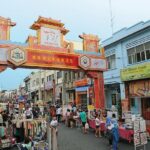
Jonker Street is built for wandering. It’s known for food and for buying gifts and boutique items. In a day that’s already packed with landmarks, this is your chance to slow down and do something practical: snack, browse, and pick up small souvenirs you’ll actually use.
Because your visit is time-limited, I suggest keeping your shopping list short. Decide what you want first—things like small snacks, spices, or simple gifts—then work your way down the street. If you don’t plan, Jonker Street can eat your entire attention span.
Afamosa Fort: the included ticket that anchors the Malacca side
Afamosa Fort is the ticketed highlight that’s clearly included. You’ll get a 30-minute window at this Portuguese fort site, described as one of the oldest surviving European architectural remnants in Southeast Asia and the Far East.
Why this matters: forts are easy to photograph, but ruins also help you understand geography. Afamosa is linked to Portuguese presence, and the mention of Porta de Santiago points to the kinds of structures you’ll look for as you walk the remains.
Even with only about half an hour, you can still get value by doing two things:
- Walk the perimeter first to learn the layout.
- Then return for the best photo angles once you know where you are.
This stop also helps the itinerary make sense. Without Afamosa, Malacca could feel like a string of churches and temples. With it, you get the European military footprint and a clearer historical timeline.
St. Paul’s Hill and Church: viewpoints plus the sultan’s story
St. Paul’s Hill & Church (Bukit St. Paul) adds a viewpoint feel to the day. It’s described as the remains of St. Paul’s Church at the summit, connected to the site of the last Malaccan sultan’s istana (royal home) and associated with Portuguese efforts after Portuguese arrival.
This is a good end-cap stop because the hill setting often gives you a sense of the area’s layout. If you’re tired from the day’s walking, you can still get enjoyment from the change in perspective, not only the architecture.
Just be ready for the fact that your time is capped. With 30 minutes, prioritize the viewpoint and the main church remnants rather than trying to do everything.
Timing and “go at your own pace” (within limits)
The tour is private, and that’s where your personal pace freedom comes from. But it’s still a scheduled day: each stop runs around 30 minutes, and the total duration is about 12 hours. That means your flexibility is mainly about how you use the time at each place, not whether you skip core stops.
This is also where Aru’s navigation skills really matter. Heavy traffic can throw off a day like this, but the tour is designed to move efficiently. The best way to make it work for you is to come prepared:
- Wear comfortable shoes you can walk in for several hours
- Bring water and use bathroom breaks strategically (before you’re in a long stretch)
- Have your camera battery ready, since you’ll be switching cities and lighting quickly
If you’re the type who wants long, slow visits at every site, this itinerary may feel like a sprint. If you’re okay with smart highlights and a guided plan, it’s an effective use of time.
Price and value: what $133 buys on this 12-hour route
At $133 per person, you’re paying for a lot more than sightseeing. You’re buying:
- Hotel pickup and drop-off
- Private transportation in an air-conditioned vehicle
- An English-speaking driver/guide
- A trishaw ride
- Afamosa Fort entrance ticket
That’s a strong bundle for a day that crosses two cities. The cost starts to feel more reasonable when you picture the hassle you’d face booking transport, arranging intercity timing, and finding a guide to stitch it together.
The main “possible value adjustment” is Petronas. Since Petronas Twin Towers entrance ticket is listed as not included, your final spending could be a bit higher if you decide you want entry. In other words: this is already good value, and it gets even better if you’re happy with exterior time at Petronas.
Also remember: food and drinks aren’t included. That’s not a dealbreaker, but it’s part of how you should budget your day.
Who this KL and Malacca day tour suits best
This tour fits you if:
- You have limited time and want a high-impact day
- You prefer private transport over public connections
- You like the idea of seeing both modern Kuala Lumpur and historic Malacca
- You want a guide who can explain what you’re looking at while keeping you on schedule
It may not fit you if you want a slow, deep exploration of any one site. With 30-minute stops, you’ll move on while you still have interest. That can feel either perfect or frustrating depending on your travel style.
Should you book this Private Tour?
Book it if you’re planning a tight itinerary and you want the two most famous Malaysia city experiences in one day, with the practical comfort of pickup, a vehicle, and guided context. The included trishaw ride and Afamosa Fort ticket help anchor the Malacca portion, and the guide quality matters—especially when traffic tries to derail timing.
Skip it or adjust your expectations if you’re counting on Petronas entry being included, or if you don’t do well with short stop windows. In that case, plan your own add-ons carefully.
If your goal is smart highlights and an easy day—this is a solid choice.
FAQ
What time does the tour start?
The tour start time is 7:30 am.
How long is the tour?
The duration is listed as about 12 hours.
Is hotel pickup and drop-off included?
Yes. Hotel pick up & drop off is included.
Is the trishaw ride included?
Yes. The trishaw ride is included in the package.
Are entrance fees to Petronas Twin Towers included?
Petronas Twin Towers entrance is listed as not included, so you should plan for an additional ticket if you want to enter.
Is Afamosa Fort entry included?
Yes. Entrance ticket to Afamosa Fort is included.
Is this tour private?
Yes. It’s a private tour/activity, and only your group participates.
What is the cancellation policy?
There is free cancellation. You can cancel up to 24 hours in advance for a full refund.
You Might Also Enjoy


More Private Tours in Kuala Lumpur
- Private Tour Kuala Lumpur with Petronas Twin Towers Observation Deck & Batu Cave
★ 5.0 · 1,029 reviews