REVIEW · KOTA KINABALU
Sabah: Mari-Mari Cultural Village Visit + Lunch + transfer
Book on GetYourGuide →Operated by Superb Holiday Sdn Bhd · Bookable on GetYourGuide
Rice wine and dance in the hills near Kota Kinabalu. This Mari-Mari Cultural Village visit is a timed, guided way to understand Kadazan Dusun life, with traditional houses and Kadazan Dusun food built into the schedule. The one catch: sessions can fill up fast, so you’ll want to book ahead.
What I like most is how the program moves you from homes to hands-on moments to a proper meal, instead of a stop-and-photos-and-leave setup. A second win is that you get an English and Malay in-house guide, plus hotel pickup and drop-off in the Kota Kinabalu area. If you’re very sensitive to drinks or long days in the sun, plan carefully and ask questions early.
In This Review
- Key things that make this tour worth your time
- What Mari-Mari Cultural Village Really Gives You (and Why It’s Scheduled)
- Morning Session (10:00–14:00): Houses, Snacks, Rice Wine, and a Proper Lunch
- Afternoon Session (13:00–16:30): More House Time, Dance at 3:00, and Hi-Tea
- Price and Logistics in Kota Kinabalu: Transfers, Pickup Options, and What $85 Really Covers
- Food Focus: Kadazan Dusun Snacks, Lunch, and Hi-Tea You’ll Be Happy You Didn’t Skip
- The Culture Program: Dance, Lifestyle, and the Line Between Performance and Understanding
- Guide Quality and Timing: What English and Malay Adds
- Practical Tips to Make Your Visit Easier
- Should You Book Mari-Mari Cultural Village?
- FAQ
- How long is the Mari-Mari Cultural Village experience?
- What meals are included?
- Is hotel pickup and drop-off included?
- What language is the tour guide?
- What should I bring with me?
- Is rice wine included?
- Is this tour suitable for wheelchair users?
Key things that make this tour worth your time
- Two fixed sessions (morning and afternoon) so you know exactly how the day will run
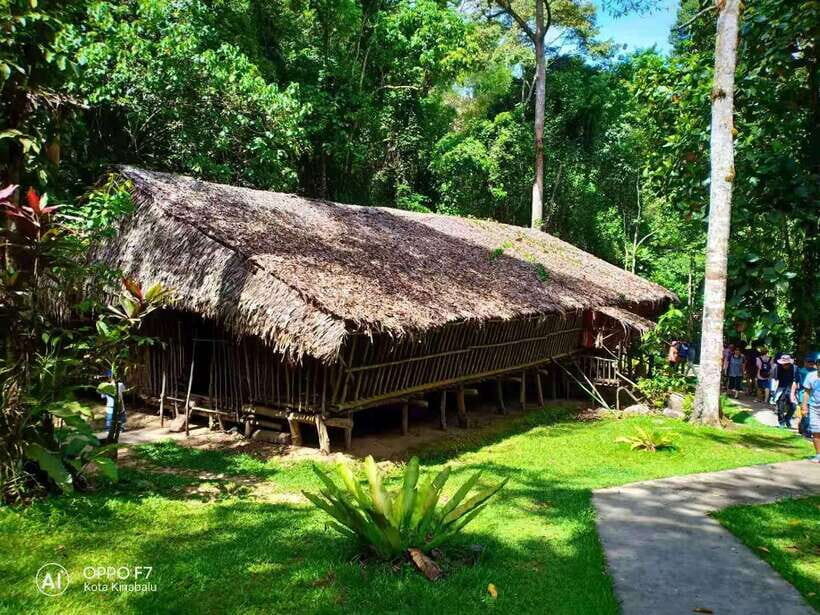
- Kadazan Dusun houses and lifestyle demonstrations that are easier to follow with a guide
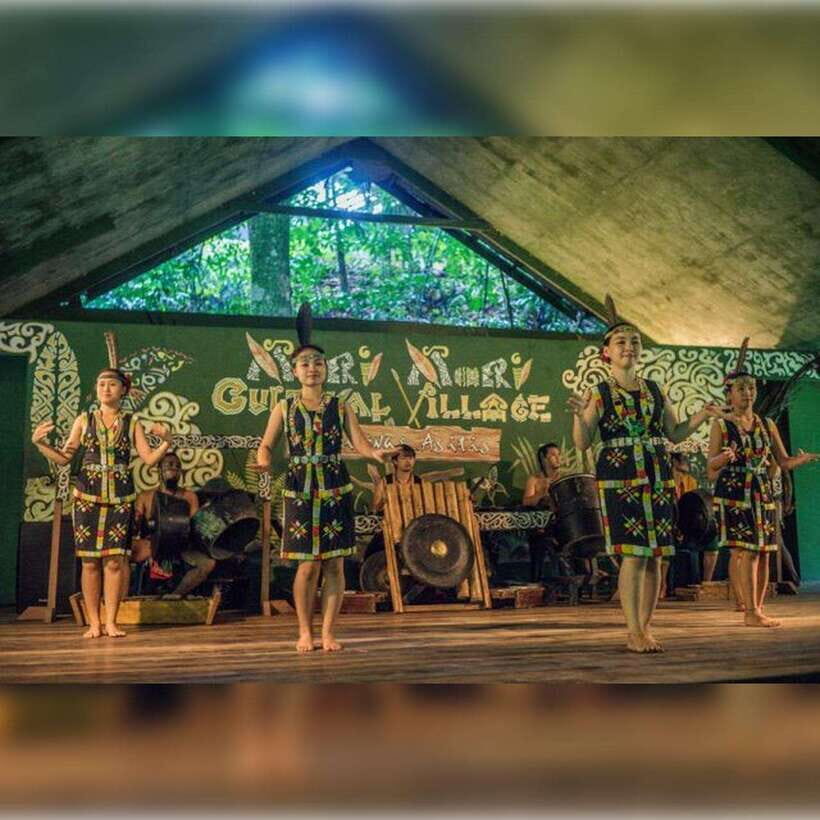
- Dance and interactive cultural activities scheduled at specific times
- Meals included: lunch in the morning session or hi-tea in the afternoon session
- Transfer included from multiple Kota Kinabalu hotels, with pickup time confirmed the day before
What Mari-Mari Cultural Village Really Gives You (and Why It’s Scheduled)
Mari-Mari Cultural Village is a community-run cultural stop in Sabah, built around the Kadazan Dusun heritage. It’s not a drop-in museum where you wander endlessly; it’s a program with a start time, a sequence of activities, and a meal at the center of the experience.
You’ll choose one of two sessions, each with a complete flow. That matters because the village experience is tightly timed, and the staff organizes dances and demonstrations around the group arriving. On busy days, sessions can reach capacity, so booking in advance is a practical move, not just a nice-to-have.
Another value point is that you’re getting more than entertainment. The tour is set up to help you understand everyday lifestyle, not only costumes and performances, which makes it more satisfying if you like context.
A few more Kota Kinabalu tours and experiences worth a look


Morning Session (10:00–14:00): Houses, Snacks, Rice Wine, and a Proper Lunch

If you want the clearest full arc of the day, the morning session is the easy choice. Registration starts at 10:00 a.m., and you’ll spend around two hours in the village visiting traditional Kadazan Dusun buildings.
This first stretch is where the guide does the heavy lifting. You’re not just looking at structures; you’re being shown how people used to live, how spaces worked, and what the traditions connected to daily life. For many visitors, this is the part that turns the photos into something you can actually explain to friends later.
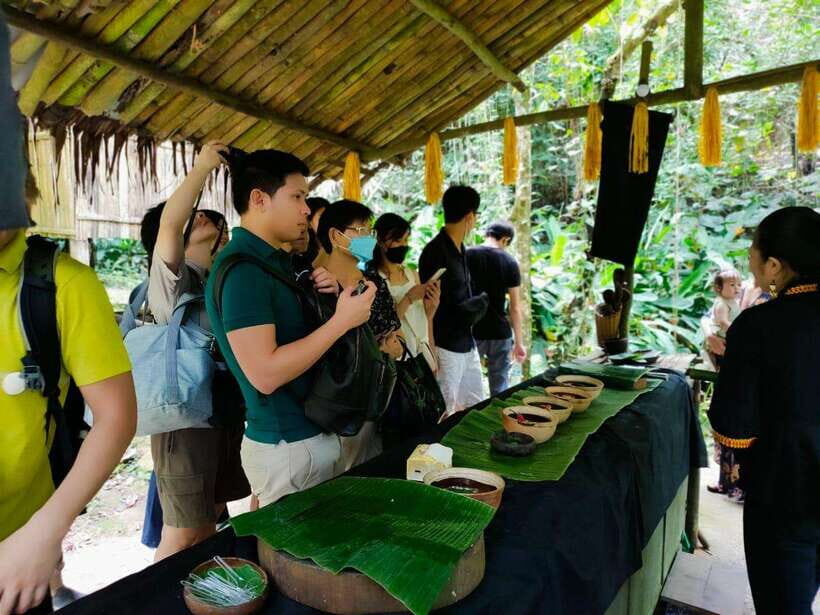
During the morning walkthrough, you’ll also have Kadazan Dusun snacks and a tasting of rice wine as part of the cultural experience. If you don’t drink alcohol, still go into it with an open mind; you can simply manage expectations and decide what you’re comfortable trying. The tasting is presented as part of the culture, not as a hard sell.
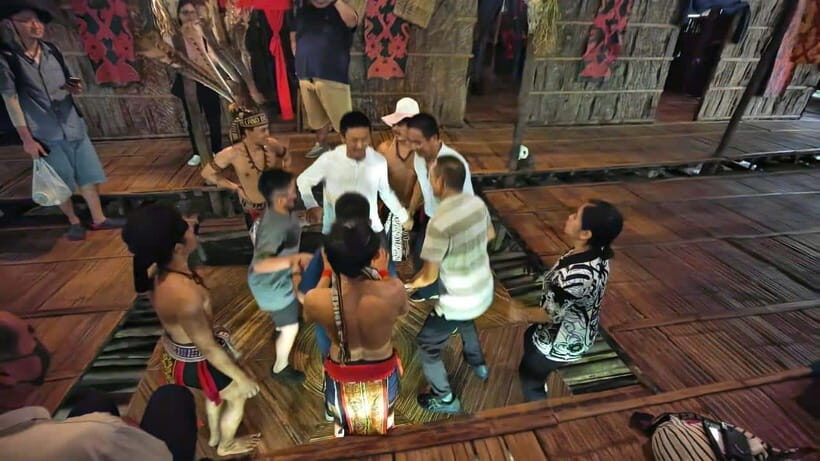
Around 12:15 p.m., the program shifts into dance and interactive cultural activities. This is often the moment when people stop standing back and start participating. Even if you’re not a dancer, you’ll likely find ways to join in with the activities planned by the guide.
Then comes lunch at 1:00 p.m. This is included, and it’s a key reason the morning session feels like good value. In the meal, you’re tasting more of the local food culture rather than grabbing a quick snack somewhere on your own. The lunch portion ends the session at 2:00 p.m., so you still keep time for other Kota Kinabalu plans after.
Afternoon Session (13:00–16:30): More House Time, Dance at 3:00, and Hi-Tea
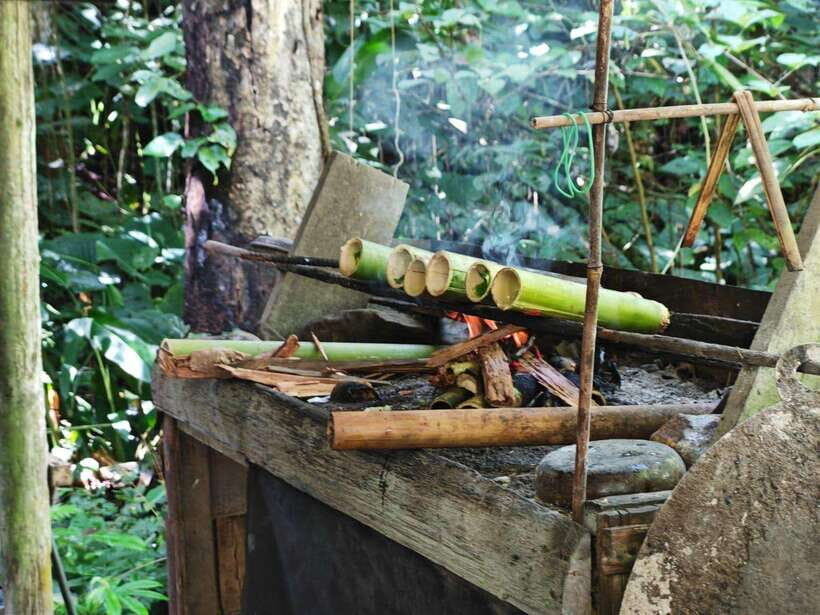
The afternoon session works well if you’re sleeping in, doing morning sightseeing, or avoiding early heat. Registration begins at 1:00 p.m., and you’ll spend time exploring the Kadazan Dusun homes and sampling their delicacies.
This session is still structured, just paced later in the day. You get a guided view of the architecture and lifestyle ideas, which tends to help you notice details you might otherwise miss. If you like the visual aspect of traditional homes, this is a good way to focus without rushing.
At 3:00 p.m., the schedule turns toward traditional dances and cultural activities. Expect the same concept as the morning program: the event timing is built into the tour flow, so you’re not waiting around hoping something happens.
The included meal here is hi-tea at 4:00 p.m., and the session wraps at 4:30 p.m. The advantage is that you end with food and still finish early enough to head back out for dinner plans in town.
If you prefer a shorter meal window and a faster end time, the afternoon session can feel lighter. It also gives you a clean cut for timing around other hotel commitments.
Price and Logistics in Kota Kinabalu: Transfers, Pickup Options, and What $85 Really Covers
The price is $85 per person for a full day experience in practice (even though the sessions are half-day blocks). The part that makes this number easier to stomach is what’s included: entrance ticket, a meal (lunch or hi-tea), an in-house guide, and transfer.
That transfer detail matters. You’re not expected to figure out how to reach the village on your own, and the tour includes pickup and drop-off from Kota Kinabalu hotels. The listed pickup options include Kota Kinabalu Marriott Hotel, The Shore by HF Suites, Shangri-la’s Tanjung Aru Resort, and The Pacific Sutera Hotel, plus Kota Kinabalu as a general option. Drop-off points mirror these same hotels.
In real life, transfer makes or breaks the experience. If you’re arriving in town, juggling multiple things, or not sure about local transport, paying for a bundled transfer can be a smart trade.
That said, there’s a caution to keep in mind. One review highlighted a concern about price being higher than some competitors, especially where other companies include pickup/drop-off freely. Even if you choose Mari-Mari, compare what transfers you’re getting versus what you might pay separately elsewhere. In other words, ask yourself: does the package cover your actual hotel, your travel timing, and your comfort level? If yes, you’re buying convenience.
Also note that you’ll receive pickup timing confirmation from a customer representative one day before. The tour stresses the need for working contact details and recommends communication apps like WhatsApp, plus email follow-up if you don’t hear back. That’s small, but it’s the difference between a smooth pickup and an awkward morning.
Food Focus: Kadazan Dusun Snacks, Lunch, and Hi-Tea You’ll Be Happy You Didn’t Skip

Food is the anchor of both sessions. You’re not just tasting a little; you’re given a meal that belongs to the program.
In the morning session, lunch happens at 1:00 p.m. It’s described as an authentic lunch buffet style meal with local dishes and dessert in at least one case. That matches the overall idea: you’re sampling more than one flavor category, so the meal feels like part of the story rather than a side quest.
In the afternoon session, you get hi-tea at 4:00 p.m. This is helpful for anyone who doesn’t want a heavy lunch earlier in the day. A shared benefit: both meals are included, so you’re less likely to end up paying for a standalone restaurant stop that you didn’t plan for.
You should also plan around the snack and rice wine component that shows up in the morning experience. Rice wine tasting is part of the cultural program, which can be a fun detail if you enjoy trying local food traditions. If you’re not sure you’ll like it, don’t panic. You can treat the tasting as a cultural sample, not a requirement.
A few more Kota Kinabalu tours and experiences worth a look

The Culture Program: Dance, Lifestyle, and the Line Between Performance and Understanding
The cultural part is built around Kadazan Dusun life with activities like dance and interaction. In other words, it’s not only a static viewing. You’ll see traditional buildings, then you’ll move into scheduled performances and activities.
One review made an important point: the experience is presented as a structured program rather than freeform wandering. That isn’t a flaw by itself. With cultural villages, structure helps visitors connect facts to visuals, especially when you don’t speak local languages or know what questions to ask.
The tour also places Sabah’s tribal heritage in the spotlight. While the focus is Kadazan Dusun, the overall experience is tied to understanding Sabah’s broader tribal traditions. If you want a single, readable introduction to the region’s cultural landscape, this kind of guided format is a practical starting point.
Just keep expectations grounded. Cultural performances often run on a schedule, because they’re meant to communicate ideas efficiently. If you go in knowing that, you’ll enjoy it more, and you’ll pay attention to what the guide is trying to explain.
Guide Quality and Timing: What English and Malay Adds
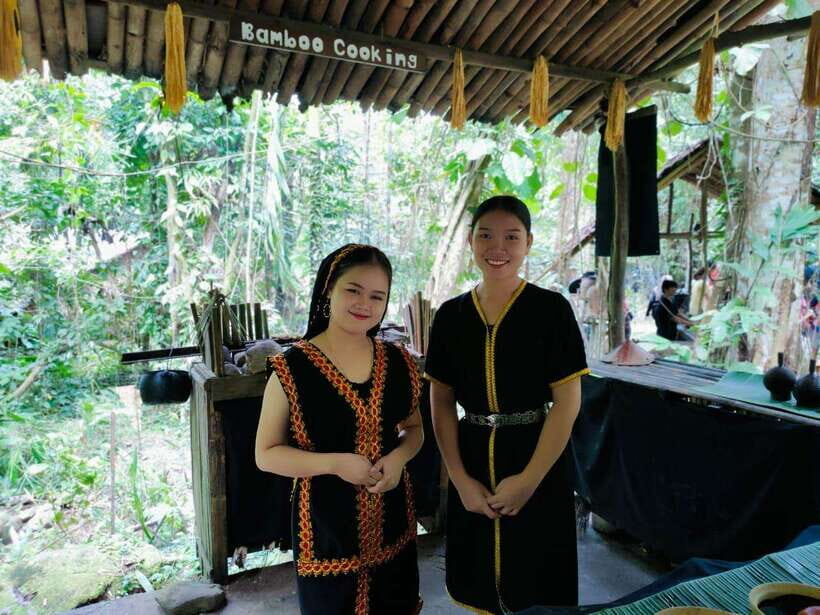
This tour includes a live guide in English and Malay. That matters more than it sounds. When you’re inside traditional homes and seeing demonstrations, language is what turns a set of buildings into understanding.
At least one guide name shows up in the reviews: Aiman. The feedback tied to Aiman is that he was engaging and knowledgeable throughout the tour. You’ll still want to bring your curiosity, but with a guide who’s ready to explain, the program tends to feel purposeful.
Timing also plays a role in satisfaction. Morning includes dances and activities at 12:15, then lunch at 1:00. Afternoon includes dances and activities at 3:00, then hi-tea at 4:00. These set times are helpful if you’re planning other activities later the same day.
Because you’re picked up and dropped off at specific times, you should also be ready to respect the schedule. If you’re late, you can miss the moment when the group shifts from one activity to the next.
Practical Tips to Make Your Visit Easier
This part is all about reducing friction, because Sabah weather and outdoor time can be a factor.
First: bring sunglasses, a hat, and sunscreen. Even if the schedule is only half a day, you’re outside enough that sun protection is smart.
Second: bring passport or ID card. The tour requests that for entry. Don’t wait until you’re at the pickup spot to remember this.
Third: plan your communication. The process relies on contact details because your pickup timing is shared one day before. If you prefer WhatsApp or email, make sure you can actually receive messages there.
Finally: think about your comfort with walking. The tour isn’t suitable for people with low fitness levels, and it also isn’t suitable for wheelchairs. Also, non-folding wheelchairs and electric wheelchairs are not allowed. If mobility is a concern, it’s worth checking with the provider before you book.
Should You Book Mari-Mari Cultural Village?

Book it if you want a structured, guided introduction to Kadazan Dusun culture with food included and a transfer that removes logistical stress. The morning session is especially strong if you want the full sequence from homes to dance to lunch. The afternoon session is a great alternative if you’re planning other morning activities in Kota Kinabalu.
Skip or reconsider if you’re chasing the cheapest price and you hate scheduled programming. At $85, it’s not the lowest-cost option on the market, and at least one review questioned the price compared with other packages that include transfers. If you’re price-sensitive, compare what’s included with your specific hotel pickup and drop-off needs before you click book.
If you do book, do two things: reserve early to protect your session choice, and make sure your communication details are correct so pickup timing is clear. That’s the difference between enjoying a smooth cultural day and starting with stress.
FAQ
How long is the Mari-Mari Cultural Village experience?
There are two sessions. The morning session runs from 10:00 a.m. to 2:00 p.m., and the afternoon session runs from 1:00 p.m. to 4:30 p.m.
What meals are included?
The morning session includes lunch, and the afternoon session includes hi-tea. Both meals are included in the ticket price.
Is hotel pickup and drop-off included?
Yes. Transfer is included, with pickup and drop-off options at several Kota Kinabalu hotels. A customer service representative will inform you of your pickup time one day before the tour.
What language is the tour guide?
The in-house guide provides live guidance in English and Malay.
What should I bring with me?
You should bring a passport or ID card, plus items for sun protection like sunglasses, a hat, and sunscreen.
Is rice wine included?
Rice wine is mentioned as part of the snack and tasting experience during the program.
Is this tour suitable for wheelchair users?
No. The tour is not suitable for wheelchair users, and non-folding wheelchairs and electric wheelchairs are not allowed.