REVIEW · KUALA LUMPUR
Culinary Journey Through Chinatown with All Type of Delicacies
Book on Viator →Operated by Asni Tours & Travel (M) Sdn Bhd · Bookable on Viator
Five bites beats a bland dinner. This 3-hour afternoon walk through Kuala Lumpur’s Chinatown turns snack-hunting into a simple plan, with you following a local host from Central Market to the noodle final stop. I love the way the route feeds you different food styles in a logical order, and the guide factor matters here—Rayhan Raj Naidu is the kind of person who keeps the energy up and makes sure you understand what you’re eating.
I love the food line-up: Chinese bakkwa (dry BBQ meat), Malaysian apam balik–style pancake, a thick soya drink (tofu-like), tropical fruit, teh tarik with roti canai, and Hokkien mee noodles. I also love that it’s a maximum 15-person outing with an English-speaking local host, so questions don’t get lost. One consideration: you’re expected to come with an empty stomach, and you’ll average about 2–3 km of walking, so wear comfortable shoes and pace yourself.
In This Review
- Key things that make this Chinatown food crawl work
- Central Market to Petaling Street: Start time, meet point, and the real vibe
- The Chinatown snack sprint: bakkwa and Malaysian-style pancakes
- Bakkwa (Chinese dry meat): smoky, chewy, and very grab-and-go
- Apam balik style pancake: fluffy inside, crisp at the edges
- A small caution
- Tofu-like soya drink and tropical fruit: the reset stop
- Teh tarik and roti canai: where the afternoon turns satisfying
- Hokkien mee noodles to finish strong (not stuffed)
- What you really get from Rayhan and the small-group format
- Food value: how $104.80 turns into actual meals
- Walking, timing, and what to wear (so the tour stays fun)
- Who should book this Chinatown food crawl?
- Should you book this Chinatown food crawl?
- FAQ
- What time does the Chinatown food tour start?
- Where do I meet the host?
- How long is the tour?
- How much walking should I expect?
- What’s included in the price?
- Are halal or vegetarian options available?
Key things that make this Chinatown food crawl work
- Central Market start at 4:00 pm puts you in the right mood for late-afternoon eats
- Small-group size (up to 15) means more attention while you sample
- Chinese plus Indian-Muslim plus Malaysian favorites in one tight loop
- Soya drink and fruit stop gives you a break between hot and savory bites
- Teh tarik and roti canai rounds out the day with a breakfast-style classic
- Hokkien mee as the finish helps you end full, not just “sampled”
Central Market to Petaling Street: Start time, meet point, and the real vibe
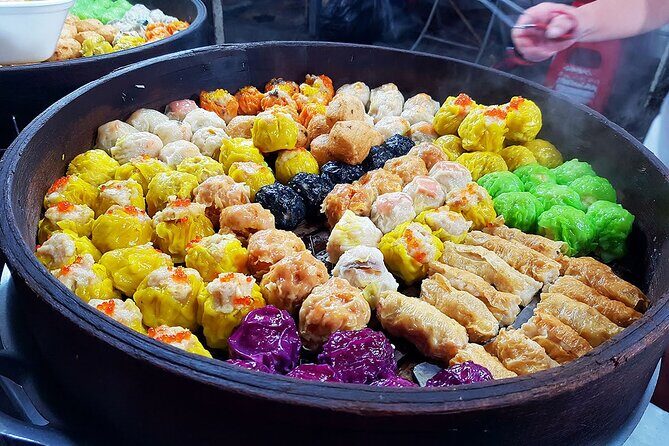
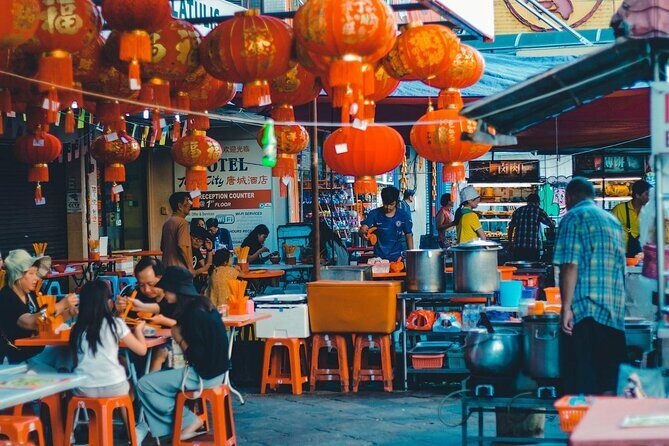
Your tour starts at 4:00 pm at Central Market (Kuala Lumpur City Centre). You’ll meet near the information counter at the entrance area. The tour ends back at the same meeting point, which is handy when you’re trying to line up dinner plans later.
This matters more than you’d think: Chinatown walks can be chaotic if you’re on your own. Here, you get a clean route and a human guide who can point out what to try, when to try it, and how much to expect at each stop. Plus, you get a mobile ticket, so you’re not juggling printouts.
A quick practical note: the description text you might see online can include unrelated content (it mentions another kind of Borneo activity). Before you head out, double-check your confirmation shows the Kuala Lumpur Chinatown food stops so you’re not surprised when you arrive.
Also, you’re told to come with an empty stomach. That’s not marketing fluff. The day is built around multiple tastings—so if you eat a big meal right before, you’ll feel stuffed early and miss some of the fun.
Finally, transport is on you. There’s no hotel pickup/drop-off, so plan to arrive via public transport, taxi, or Grab. The easiest target is to ask to be dropped at Central Market Kuala Lumpur.
You can also read our reviews of more tours and experiences in Kuala Lumpur.
The Chinatown snack sprint: bakkwa and Malaysian-style pancakes
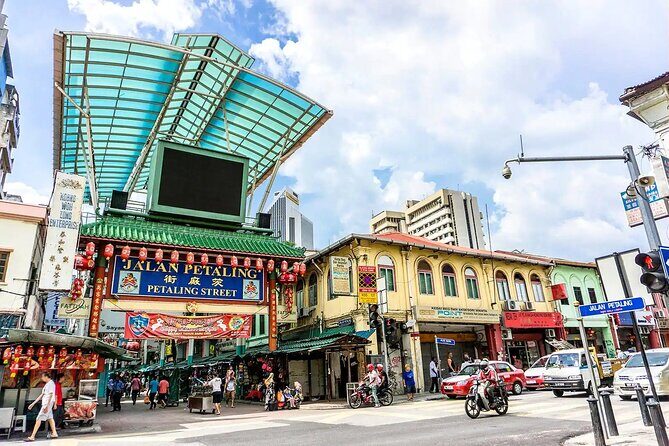
The first real food moments hit in the Chinatown area, after you’ve walked from Petaling Street Market toward the core streets.
Bakkwa (Chinese dry meat): smoky, chewy, and very grab-and-go
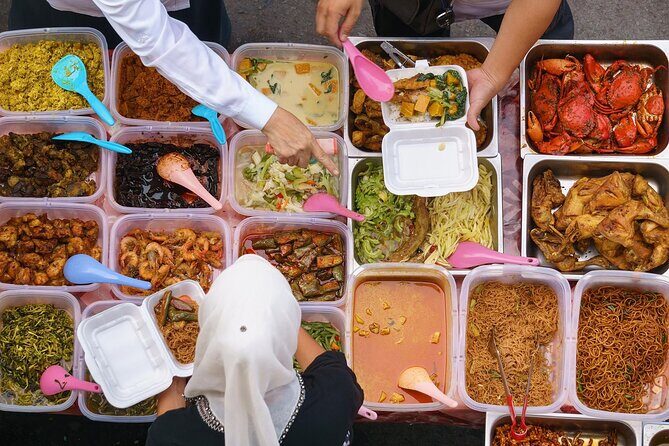
One stop is for bakkwa, a Chinese dry meat specialty. It’s not a saucy dish; it’s more about concentrated flavor. Expect a BBQ-style taste with a chewy texture that holds up as you walk. The tour mentions two types of meats, which is a smart way to compare flavors without ordering a huge plate.
For you, this is a good “first bite” because it’s portable and fast. It also tells you something about the area: Chinatown has food traditions that aren’t just about hot meals. Dry goods and prepared snacks are a big part of the experience.
Apam balik style pancake: fluffy inside, crisp at the edges
Next up is the Malaysian-style pancake often compared to apam balik. Think fluffy center with crunchy edges. You get a taste of that sweet-savory combo that makes this snack so popular in Malaysia.
Why I like this pairing so much: it shifts you from one texture (chewy dry meat) to another (soft-bready with crisp bits). It also helps you keep your bearings. If you’re new to Malaysian street food, these two stops give you quick wins before the more drink-and-noodle parts.
A small caution
Street food areas can shift with weather or safety protocols. The tour notes that the specific street food site might change based on availability, but the experience is kept authentic. So go in with the mindset of: you’re here for the food categories and tastings, not one exact stall forever.
Tofu-like soya drink and tropical fruit: the reset stop
After a few bites, the tour gives you a drink and a fruit moment. You’ll try a soya bean drink that’s described as hot or cold, and the hot version comes in a jelly-like texture (tofu fa). That’s a totally different flavor experience than the meat and pancake, and it cools down your palate without feeling like a full dessert.
You’ll also sample local tropical fruits during the walk. This is a smart move for your stomach. Sweets and savory snacks stack quickly in Chinatown. Fruit and a drink help you keep eating comfortably through the second half.
If you’re the kind of person who normally hates “too many small tastings,” this stop is where you’ll decide if the tour is for you. If the tofu-like soya drink and fruit sound appealing, you’re going to enjoy the pacing. If you don’t like softer, sweet-leaning foods, bring that preference up with your host so they can guide you.
Teh tarik and roti canai: where the afternoon turns satisfying
One stop takes you to a local Indian Muslim restaurant for two big names in Malaysian eating:
- Teh tarik (pulled milk tea)
- Roti canai (a tea-time/breakfast-style flatbread)
Teh tarik is more than a drink. It’s usually served hot and has a creamy, foamy character. The tour positions it as the number one beverage in Malaysia, which sets expectations: this is a big deal flavor-wise and culturally.
Then comes roti canai. If you’ve had similar flatbreads elsewhere, you’ll still want to pay attention here because Malaysia’s version is a core street-to-table comfort food. It’s also one of the most filling items on the route, which is why this is a great point in the tour to slow down and actually enjoy the meal-style stop.
This is also where the better-rated parts of this experience shine. People love the guide energy and the fact that the food choices go beyond the obvious. If you enjoy trying foods you recognize but have never had in Malaysia, this is your moment.
Hokkien mee noodles to finish strong (not stuffed)
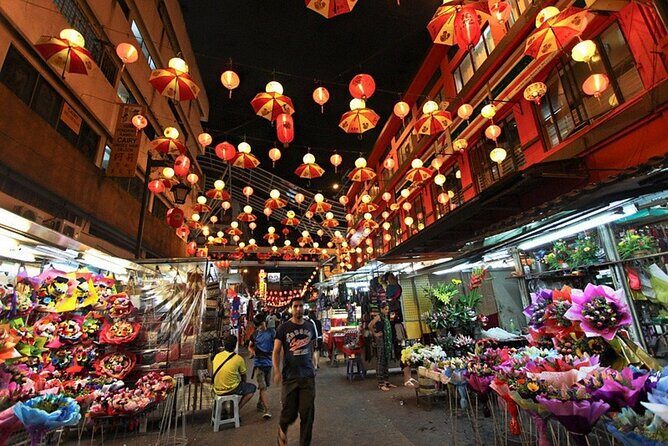
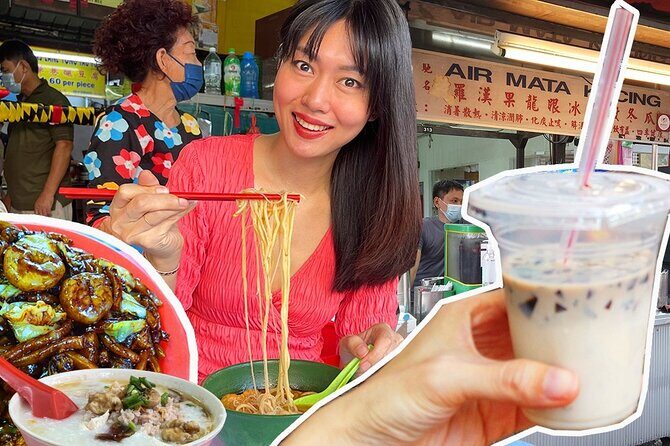
The last major stop is a Chinese restaurant for Hokkien mee, a noodle dish with its own regional style. The tour treats this as the final tasting, and that makes sense: you’ve sampled meats, pancake, a soya drink, fruit, and tea-time bread. By the time you reach noodles, you should be ready for something warm, savory, and properly filling.
If you’re thinking about the order, notice how it works:
- Early: flavors you can nibble and compare
- Middle: drink and fruit to reset
- Late: meal-style items (tea + roti), then noodles to close
For you, this pacing helps avoid the most common food-tour mistake: ending early and still feeling hungry, or eating too much too soon and losing appetite by the time the best dish shows up.
What you really get from Rayhan and the small-group format
This isn’t a giant bus-style tour. It’s up to 15 travelers, with a friendly English-speaking local host. That size change is huge for a food crawl. It means:
- You can ask what something is without shouting over a crowd
- You can get help with allergies or dietary preferences on the spot
- You can slow down for explanations instead of rushing through bites
Rayhan Raj Naidu is specifically noted for friendly service spirit and staying in touch even after the tour, offering extra suggestions like help with planning a road trip afterward. That kind of follow-through is what makes a food walk feel less like a checklist and more like a conversation.
If you’re going solo, the small group still helps. You’re less likely to feel left out when your host can give you attention between stops.
If you’re with friends, this is also workable because tastings are shared by nature. You’ll still get guidance, but you’ll also have people to compare bites with.
Food value: how $104.80 turns into actual meals
At $104.80 per person, you’re paying for more than “a few snacks.” The experience includes:
- Food, drinks, and dessert tastings
- Bottled water
- A local English-speaking host
What’s not included:
- Extra beverages (especially alcoholic drinks)
- Hotel pickup/drop-off
So the value calculation is about portion count and guidance. In a Chinatown area, ordering without context is easy to mess up—you might miss the best snack moments, or you might order foods that don’t match your tastes.
Here, you get a guided sequence: bakkwa, pancake, soya drink, fruit, teh tarik, roti canai, and Hokkien mee. That’s a lot of variety packed into roughly 3 hours. For many people, that replaces the need to hunt for dinner afterward.
Also, the tour is built to be “lighter than a full meal” until it matters. You get multiple small tastings first, then meal-style comfort foods. That’s why it works well for people who want a satisfying outing without committing to a sit-down restaurant for every course.
Walking, timing, and what to wear (so the tour stays fun)
You’ll do about 2–3 km of walking, with a rhythm described as stop, relax, and enjoy. That’s not a long distance, but it’s long enough to matter. Plan your shoes like you would for a city day.
Timing is also practical: starting at 4:00 pm means you’re eating in the late afternoon when hunger hits, but you’re not stuck in the harshest midday heat. Still, the tour can be affected by weather or safety protocols, so build in a little flexibility.
Diet needs are handled the right way for a food-focused tour: the notes say halal & vegetarian options are available if you request them at booking. If you have allergies or a specific diet, let your host know so they can adjust choices. For a tasting tour, small changes matter. You want substitutions that still fit the style of the dish.
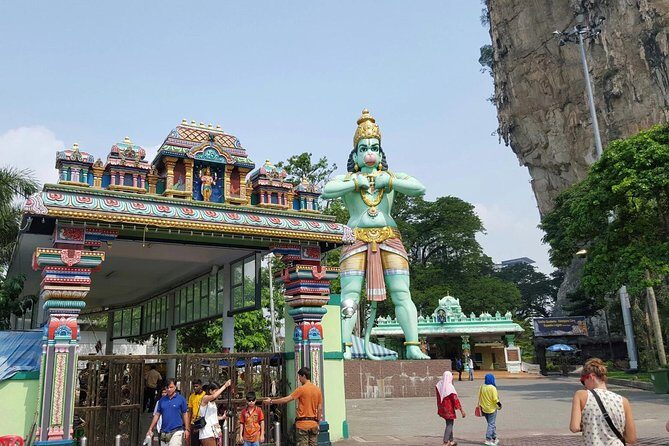
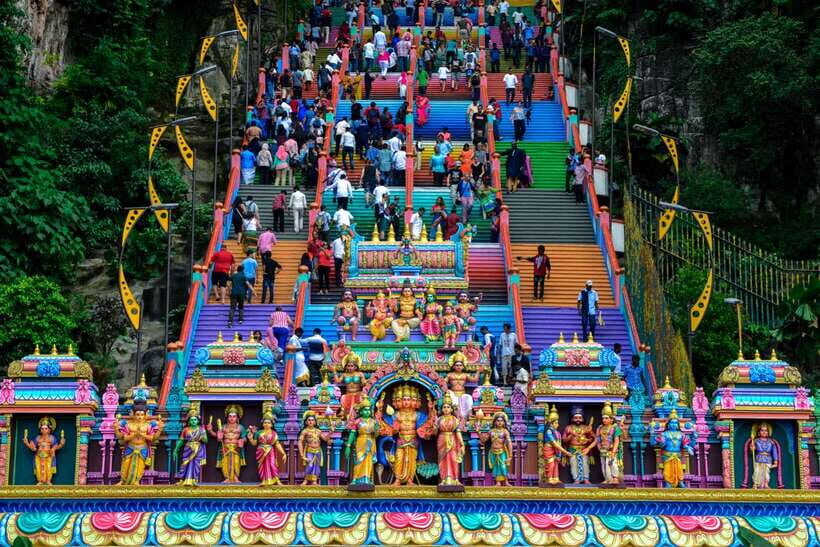
Dress code guidance is also included for Hindu Temple visits: shoulders covered and knees covered, and you’ll need to remove shoes at the entrance where lockers are available. If your route includes a temple stop, this will be useful. If not, it’s still a good fallback rule for a day that involves multiple cultural areas.
Who should book this Chinatown food crawl?
Book it if you want:
- A structured Chinatown food route without planning each stop yourself
- A guide who can translate what you’re eating and help you choose
- A variety hit: Chinese snacks, Malaysian pancake, soya drink, Indian-Muslim tea and bread, then Hokkien mee
You might skip it (or look for a different option) if:
- You hate walking even short distances
- You prefer one big meal over many tastings
- You’re not interested in tea-time snacks like teh tarik and roti canai
This tour also fits well if you’re in Kuala Lumpur for a short time and want a high-impact evening with cultural food variety in one shot.
Should you book this Chinatown food crawl?
Yes, if your idea of a great travel night is trying several foods in one organized flow. The best parts here are the combination of solid traditional tastings and a guide who keeps things friendly and easy—Rayhan Raj Naidu specifically stands out for service spirit and extra recommendations after the tour.
It’s also a good value move because the included tastings (plus drinks and bottled water) make it feel like more than a token snack tour. And since it’s only up to 15 people, you’re less likely to feel rushed.
Just come prepared: eat lightly earlier, wear comfortable shoes, and mention dietary needs up front. If you do those basics, this becomes one of those simple, satisfying experiences that makes a neighborhood feel personal—one bite at a time.
FAQ
What time does the Chinatown food tour start?
The tour starts at 4:00 pm at Central Market.
Where do I meet the host?
Meet at Central Market Kuala Lumpur City Centre, at the information counter area near the entrance.
How long is the tour?
It lasts about 3 hours.
How much walking should I expect?
Plan for an average of 2–3 km of walking, with stops and short relax breaks.
What’s included in the price?
The tour includes food, drinks, and dessert tastings, bottled water, and a friendly English-speaking local host.
Are halal or vegetarian options available?
Yes. Halal & vegetarian options are available, and you should advise your needs at booking.