REVIEW · KUALA LUMPUR
Treasures Of The Far East-Malacca, Museum, Trishaw Ride(Private)
Book on Viator →Operated by Golden Blossom Tours & Travel · Bookable on Viator
Malacca feels like a living map. This private 10-hour outing stitches together Portuguese-era streets, Dutch-era landmarks, and Chinese heritage in a way that actually helps you read the town as you walk, with a trishaw ride plus museum time guided by people like Michelle or David. I love how the stop order builds context, and I love that the Cheng Ho Cultural Museum lets you connect the city to the wider East-West trading story instead of just seeing old walls.
One possible drawback: it is a full day with moderate walking and a few places of worship, so comfortable shoes and decent clothing matter.
In This Review
- Key highlights worth your time
- A Day in Malacca Where Three Empires Leave Footprints
- Starting from Kuala Lumpur: Early, Simple, and Local
- Malacca Heritage Centre and the Trishaw Ride: Get Your Bearings Fast
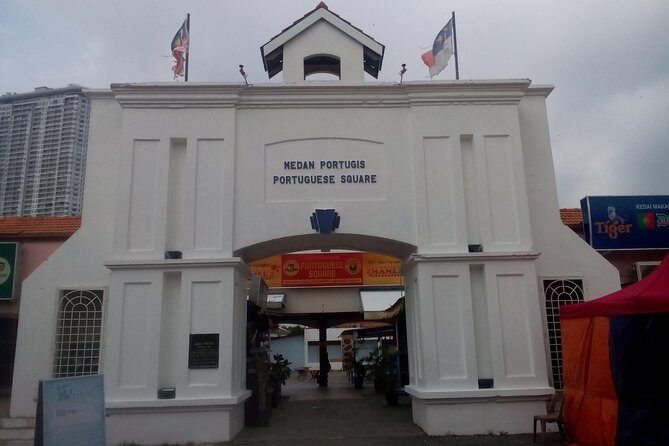
- Portuguese Settlement: A Short Stop That Helps You Read the Old Town
- Stadthuys and the Churches/Fortress Cluster: Colonial Power in One Area
- Bukit China and Sam Poh’s Well: Chinese Heritage Beyond the Main Streets
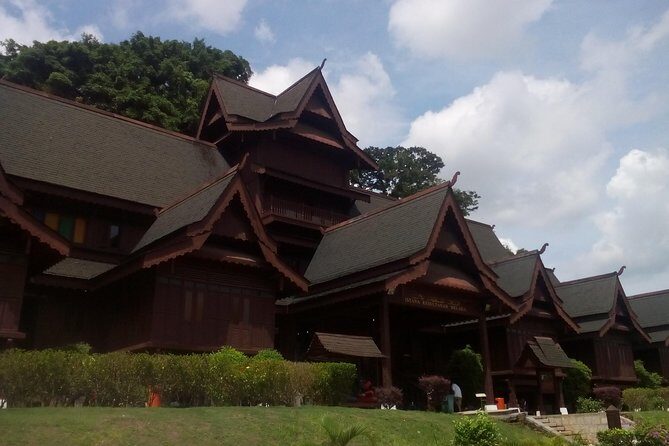
- Cheng Ho Cultural Museum (or Sultanate Palace Museum): The Day’s Best Context Builder
- Jonker Street: Old Town Shopping Streets with Real Landmarks
- Price and Value: What You’re Actually Paying For
- Who This Tour Fits Best (and Who Might Prefer Something Else)
- What to Bring and What to Wear
- Should You Book This Malacca Private Day?
- FAQ
- What time does the tour start in Kuala Lumpur?
- Is this a private tour?
- Where does pickup and drop-off happen?
- What’s included in the price?
- Is the trishaw ride included, and how long is it?
- Which museum do you visit?
- Are meals included?
- Do I need to pay for entrances at other stops?
- What should I wear?
- What if I have vegetarian meal needs?
- What is the cancellation policy?
Key highlights worth your time
- A private setup with guides like Michelle or David who make the history feel practical, not lecture-y
- Trishaw ride timing built into the heritage area so you get your bearings fast
- Cheng Ho Cultural Museum entry included plus an option to see the Sultanate Palace Museum
- Porta De’ Santiago and Stadthuys sights in one run—great for colonial-era contrast
- Bukit China stops (Sam Poh’s Well and temple) for a different side of Malacca’s story
- Jonker Street time for Cheng Hoon Teng and the Street of Harmony in the heart of the old town
A Day in Malacca Where Three Empires Leave Footprints
Malacca grew rich as a middle port. Traders moved through here carrying silk, gold, tea, spice, opium, and tobacco. The result is a town where you can stand in one area and see the after-effects of multiple rules—Portuguese, Dutch, and later colonial influence—without needing a textbook in your hands.
This tour is interesting because it doesn’t treat history as trivia. The day is paced around walkable highlights: fortress views, colonial churches and civic buildings, and then cultural sites tied to Chinese heritage. That structure makes it easier for you to connect the stories: how Malacca functioned as a trading hub, how foreign powers showed up, and how local communities kept shaping the city.
You also get guidance from Michelle or David, and that tends to matter. Their job is to help you understand what you are looking at right now, not just what happened centuries ago. For you, that means fewer blank stares at buildings and more I get it moments as the day goes on.
You can also read our reviews of more private tours in Kuala Lumpur
- Private Tour Kuala Lumpur with Petronas Twin Towers Observation Deck & Batu Cave
★ 5.0 · 1,029 reviews
Starting from Kuala Lumpur: Early, Simple, and Local
The tour meets at 8:30 am, and pickup is offered for a Kuala Lumpur City Centre hotel. You ride in an air-conditioned vehicle for sightseeing, which is a real quality-of-life factor in Malaysia’s heat.
Because this is a private tour/activity, it is only your group. That usually makes the day feel calmer. It also means the guide can slow down or speed up slightly based on how your group is moving, whether you want quick answers or time to look at details on your own.
Plan for a long day. The scheduled duration is about 10 hours, and the stops are a mix of walking and photo time. If you are sensitive to heat or you don’t love long sightseeing days, this is the moment to decide whether Malacca fits your travel style.
Practical note: meals are not included. So bring water and think about where you’ll want to grab food during your Jonker Street window.
Malacca Heritage Centre and the Trishaw Ride: Get Your Bearings Fast
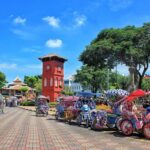
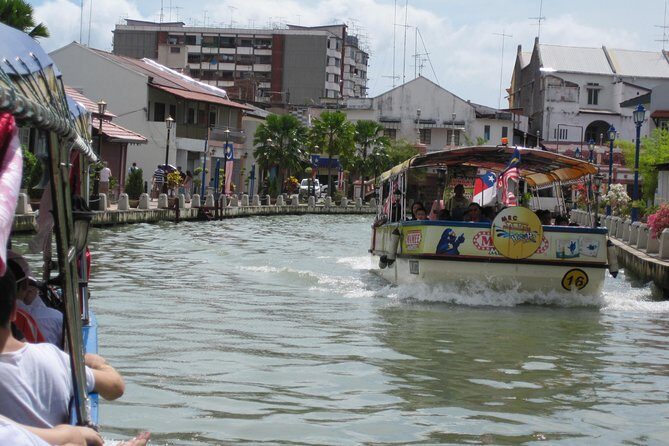
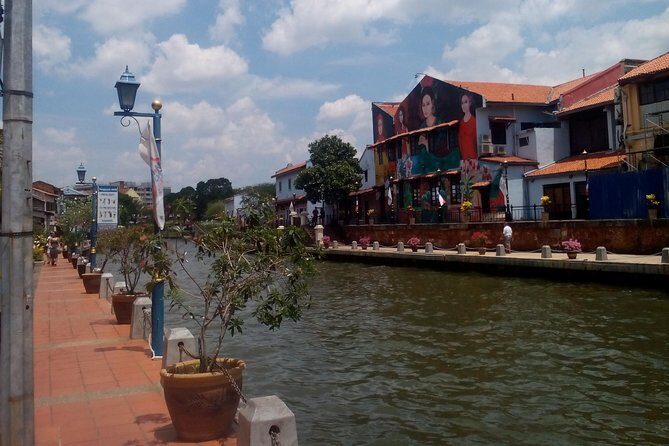
Your first real “feel the place” stop centers on the Malacca Heritage Centre, with a trishaw ride included. That is smart. Before you start identifying towers, churches, and clan-related sites, you get a slower-moving view of the old-town streetscape. Even when the route details aren’t spelled out, the value is the same: it helps you understand the town’s layout.
What you’ll like here is that the experience is not only scenic. It is orientation. After the trishaw ride, you tend to notice the rooflines, the narrow lanes, and the way landmarks line up. That makes the next stops easier, because you already have a mental map.
Possible drawback: trishaws can be bumpy if the streets are uneven. If you’re sensitive to motion, consider where you sit and take your time stepping down and back up. Still, this is one of those experiences that makes Malacca feel distinctly Malacca, not just another colonial-stone-city.
Portuguese Settlement: A Short Stop That Helps You Read the Old Town
Next comes the Portuguese Settlement area. It is scheduled as a shorter visit, and the admission there is listed as free. The point here is not to spend hours. The point is to connect what you already saw or will see later to the Portuguese chapter.
This matters because Malacca’s architecture and the placement of key buildings reflect different eras of influence. Seeing the Portuguese Settlement in the middle of the day helps you avoid a common travel mistake: treating every building as if it belongs to the same period. With this stop, you start sorting things by era as you go.
Since it’s a relatively brief segment, don’t expect a deep, museum-style experience. Instead, expect a guided “look at this, notice that” moment. If your group likes to move at a steady pace and you enjoy using small context clues, you’ll appreciate this stop more than you might think.
Stadthuys and the Churches/Fortress Cluster: Colonial Power in One Area
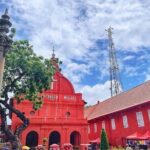
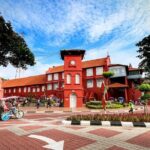
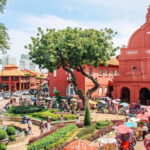
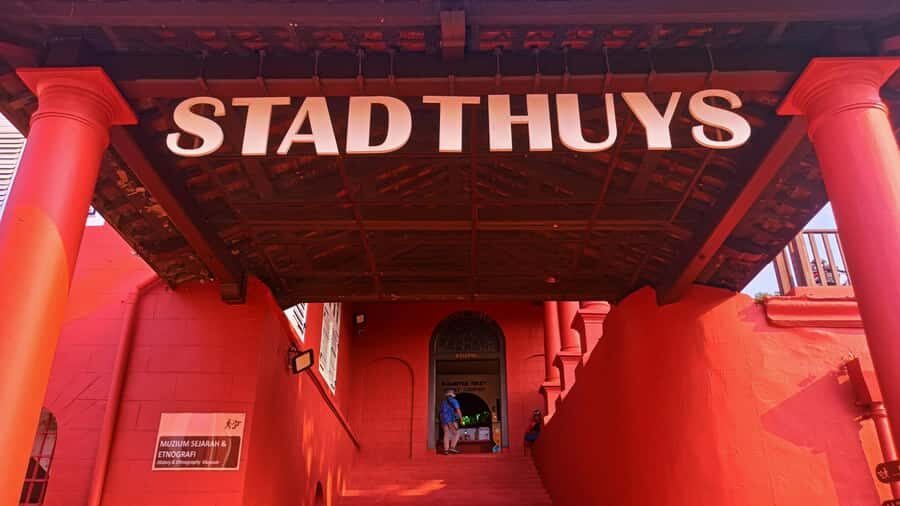
The Stadthuys stop is a 40-minute block that packages several big-name sights together: Christ Church, Stadhuy’s, Porta De’ Santiago, and St. Paul’s Church. Admission is listed as free for this segment.
This grouping is one of the day’s best ideas. You can compare buildings made for different purposes—religious, civic, defensive—and you can see the fortress element (Porta De’ Santiago) as part of the same visual neighborhood as the churches. That contrast helps you understand how control worked: defense and administration in the same zone.
If you like photo stops, this is where your camera will earn its keep. If you prefer slower viewing, this is where you can use the time to ask the guide questions. With Michelle and David in particular, the strong point isn’t just facts—it’s helping you interpret what the buildings meant in their time.
One caution: churches and historic sites can mean more walking around courtyards and steps. Wear shoes that handle uneven ground, and don’t plan to rush. The value comes from taking a moment to look at the details and then matching them to the story the guide is building.
You can also read our reviews of more museum experiences in Kuala Lumpur
Bukit China and Sam Poh’s Well: Chinese Heritage Beyond the Main Streets
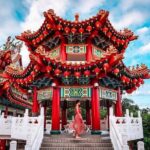
Then you shift to Bukit China, where the scheduled stops include Sam Poh’s Well and a temple area. This segment is listed at about 20 minutes, and admissions are noted as free.
Bukit China is important because it balances the colonial thread. Malacca isn’t just Portuguese and Dutch stonework. Chinese communities helped shape the town, and sites here connect you to local religious life and older community traditions tied to the hills and wells.
In a short time, you can still get a strong impression if you slow down. Look closely at how the space is arranged and how people move through it. That small observation often makes the heritage feel real instead of like a checklist.
A practical consideration: temples are places of worship. Dress accordingly—this tour specifies decent dressing for those visits. If you show up in something too casual or too revealing, you might feel rushed worrying about what to do next. If you plan ahead, the experience stays relaxed.
Cheng Ho Cultural Museum (or Sultanate Palace Museum): The Day’s Best Context Builder
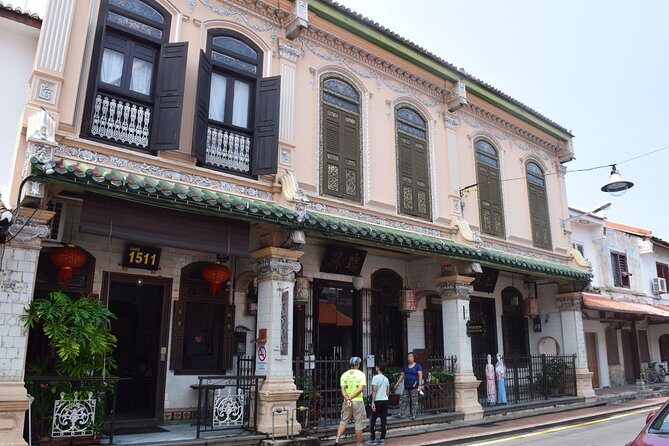
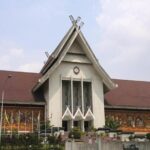
This is the heart of the “why Malacca matters” portion of the day. You get admission included for the Cheng Ho Cultural Museum, with an option to visit the Sultanate Palace Museum instead.
Why this stop punches above its weight: it gives you a lens that many visitors miss. Chinese maritime connections matter here, especially when you consider Admiral Cheng Ho and the trading relationship tied to the region. You’re not just learning what foreign powers did. You’re learning how Malacca sat in the middle of long-distance networks.
In real terms, this helps you connect details from earlier stops. Porta De’ Santiago and the churches show one side of power and control. The museum adds the other side: diplomacy, travel routes, trade ties, and how Malacca fit between East and West.
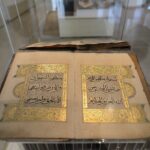
If you are someone who likes a bit of reading time (even short), this museum moment is ideal. It’s also included, so you don’t have to make an extra decision under time pressure. In a day full of outdoor photos, that kind of structured indoor pacing can also feel like a break.
Jonker Street: Old Town Shopping Streets with Real Landmarks
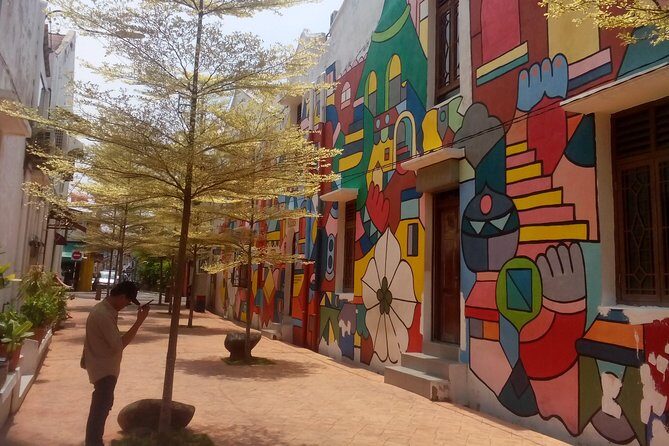
Your next 40-minute window goes into Jonker Street. It includes Jonker’s Walk, Cheng Hoon Teng, and the Street of Harmony. Admissions are listed as free here, which is helpful because it keeps the day from turning into a paid-only itinerary.
Jonker Street works best when you treat it as a slow stroll with stops for specific sights. You can look for architectural details, take in the lane character, and use the guide’s pointing-out to find the landmarks without getting lost. With enough time, you can also enjoy the atmosphere—this is Malacca’s old-town show zone.
Two practical tips for this part:
- Plan what you want to do before you arrive, because it is easy to get distracted by side streets.
- If you want a snack or meal, this is often the most convenient time window since meals aren’t included on the tour plan.
Don’t force it if you’re tired. If you’ve already seen enough, it still counts as success to enjoy the street moment and get a few solid photos of Cheng Hoon Teng and the Street of Harmony area.
Price and Value: What You’re Actually Paying For
At $203.77 per person for a private 10-hour day, the value depends on what you care about most.
You’re paying for:
- Private tour time with a guide (Michelle and David come up often in strong feedback)
- Air-conditioned transport within the tour day
- Included entry to Cheng Ho Cultural Museum
- The trishaw ride included as part of the heritage experience
- Pickup and drop-off for Kuala Lumpur City Centre hotel only
If you try to do Malacca on your own, you’d still need transport, you’d still need entrance planning, and you’d likely spend extra time figuring out routes and the “what goes together” story behind the landmarks. Here, the sequence does some of that work for you.
A potential trade-off: because meals aren’t included and some admissions are marked as free, you may still spend your own money on food and anything you choose to buy during Jonker Street. For the price, it’s fair to expect the guide and major experiences covered, but you should still plan for personal spending.
Who This Tour Fits Best (and Who Might Prefer Something Else)
This tour suits you if you want a structured day and you like understanding context. If you enjoy history you can see—fortress angles, church clusters, temple areas, and museum explanations—this is a good match.
It also works well if you want a private format. The reviews-style feedback points to guides who keep things friendly and allow space for questions, even quiet moments to take photos or simply watch the street life.
It might be less ideal if you hate walking or you’re hoping for a mostly relaxing day. You are doing multiple stops over roughly 10 hours, and the tour advises moderate physical fitness plus decent clothing for worship sites.
What to Bring and What to Wear
This one is simple:
- Wear comfortable, supportive walking shoes
- Dress decently for places of worship
- Bring a light layer if you get cold in air-conditioned vehicles
- Pack water since meals are not included
Casual wear is fine, as long as it fits those temple visit needs. Also, since a mobile ticket is part of the experience, keep your phone charged.
Should You Book This Malacca Private Day?
If your time is tight and you want Malacca’s main stories in one day, I’d lean yes. The biggest reasons are the included Cheng Ho Cultural Museum context and the trishaw ride that helps you understand the old-town layout quickly. Add in the fortress-and-church cluster around Porta De’ Santiago and Stadthuys, and you get a day that feels like more than a photo run.
Don’t book this if you’re looking for a very restful day or you don’t want to deal with moderate walking. But if you can do a full-day schedule and you like being guided through the logic of where you are standing, this private tour is a solid way to experience Malacca without turning it into a stressful puzzle.
FAQ
What time does the tour start in Kuala Lumpur?
The tour start time is 8:30 am.
Is this a private tour?
Yes. It is private, and only your group will participate.
Where does pickup and drop-off happen?
Free pick-up and drop-off are available for Kuala Lumpur City Centre hotel only.
What’s included in the price?
The price includes sightseeing in an air-conditioned vehicle, entrance to the Cheng Ho Cultural Museum, and the trishaw ride.
Is the trishaw ride included, and how long is it?
The trishaw ride is included, and it is scheduled as part of the Malacca Heritage Centre stop (30 minutes total at that stop, with the admission ticket included).
Which museum do you visit?
You will visit Cheng Ho Cultural Museum, with an option to visit the Sultanate Palace Museum instead.
Are meals included?
No. Meals are not included unless they are specifically mentioned in the program, and nothing is listed as included.
Do I need to pay for entrances at other stops?
Many other stops are listed with free admission in the schedule (for example Portuguese Settlement, Stadthuys, Bukit China, and Jonker Street segments).
What should I wear?
Wear casual clothing and comfortable walking shoes. You should also dress decently when visiting places of worship.
What if I have vegetarian meal needs?
You should advise any vegetarian meal request. Still, meals are not listed as included on the tour program.
What is the cancellation policy?
Free cancellation is available up to 24 hours in advance for a full refund. If you cancel less than 24 hours before the start time, the amount paid will not be refunded.
You Might Also Enjoy
More Museum Experiences in Kuala Lumpur
More Private Tours in Kuala Lumpur
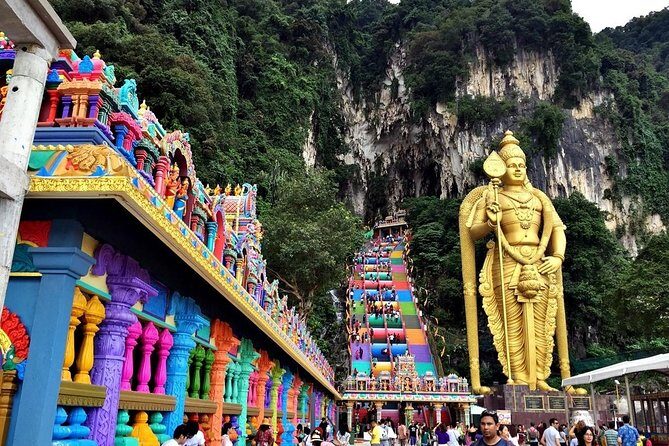
- Private Tour Kuala Lumpur with Petronas Twin Towers Observation Deck & Batu Cave
★ 5.0 · 1,029 reviews