REVIEW · KOTA KINABALU
Mount Kinabalu Climbing 2 Days 1 Night
Book on Viator →Operated by TYH Borneo Tours and Travel SDN BHD · Bookable on Viator
Climbing starts before sunrise. That alone makes this Mount Kinabalu trip different from most Borneo day trips, because you’re working in cold, dark hours toward a very specific payoff: Low’s Peak sunrise. I like how the plan is built around a clear rhythm—Laban Rata overnight with meals and a guided push to the summit—so you’re not guessing what to do when the mountain gets serious.
I also like the small-group feel and the human support built into the climb. With a maximum of 10 people, you get more personal attention from your guide, and one review even highlighted guide Luke and how well the day-by-day logistics ran. The main drawback to flag is straight-up physical demand: this is a challenging climb with ladders and steep sections, so you’ll want real fitness and climbing comfort before you go.
One more thing: your rest night is in a dorm-style bunk room at the mountain rest house that’s non-heated, so pack for cold. If you’re expecting a cushy lodge and a late start, you’ll be disappointed.
In This Review
- Key things that make this climb worth your time
- The mountain mission: what you’re really signing up for
- Getting to Kinabalu Park from Kundasang: logistics that matter
- Day 1 at Timpohon Gate: the steady climb to Laban Rata
- The overnight reality: warm layers and smart gear
- Day 2: the summit push to Low’s Peak and the sunrise payoff
- The guide and group size: where quality shows up
- Transfers, permits, and meals: the hidden value in what’s included
- Who this tour is best for (and who should rethink it)
- Practical timing tips for your best chance at the sunrise
- Should you book this Mount Kinabalu 2D1N climb?
- FAQ
- What are the dates and duration for this Mount Kinabalu climb?
- Where does the tour start and where does it end?
- What is included in the tour price?
- What is not included?
- How challenging is the climb?
- What time does the summit day start?
- Where do you stay overnight?
- Is the group size limited?
- Are there extra pickup charges for certain hotels?
Key things that make this climb worth your time
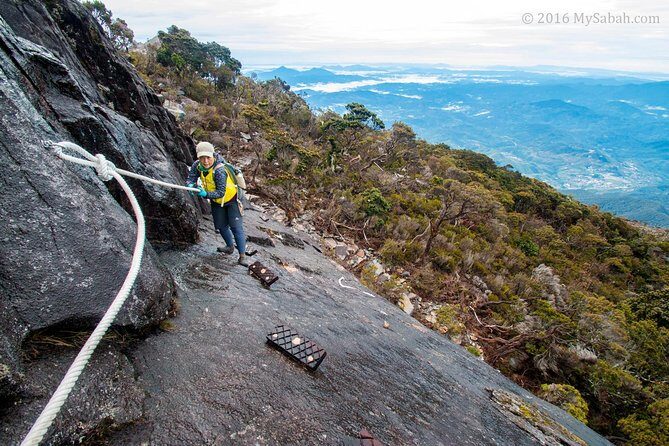
- Early summit start (02:00 wake-up): you’re not just hiking, you’re timing weather and light for the sunrise payoff.
- Small group size (max 10): steadier pacing and more hands-on guidance on steeper sections.
- Guided registration + permit included: fewer admin headaches when you’re already focused on the climb.
- Meals handled across both days: packed lunch day 1, then breakfast and lunch around the summit/descent timing.
- Non-heated dorm overnight at Laban Rata: bring warm layers and treat the night like part of the climb.
- A certificate of achievement: a tangible finish line after you return to park headquarters.
The mountain mission: what you’re really signing up for
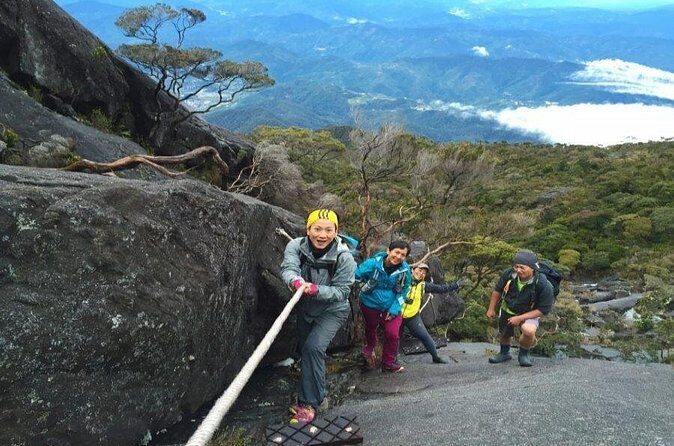
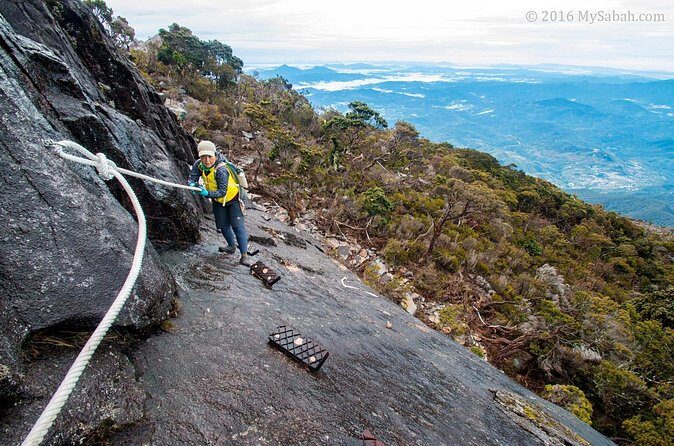
Mount Kinabalu is one of those places where “easy” and “hard” are both honest statements—depending on what you’re used to. This is not a stroll. The route is built to get you to Laban Rata on day one, then to push for the summit very early on day two. Expect steep, exposed sections, and you’ll use fixed assists like ladders, hand railings, and ropes.
The “value” of this specific tour format is that it gives you the hard parts of climbing—timing, pacing, permits, and guide support—while keeping the rest simple for you. You show up ready, then the operator handles the mountain-side structure: registration, guided trekking, overnight stay, and the return drive back to Kota Kinabalu.
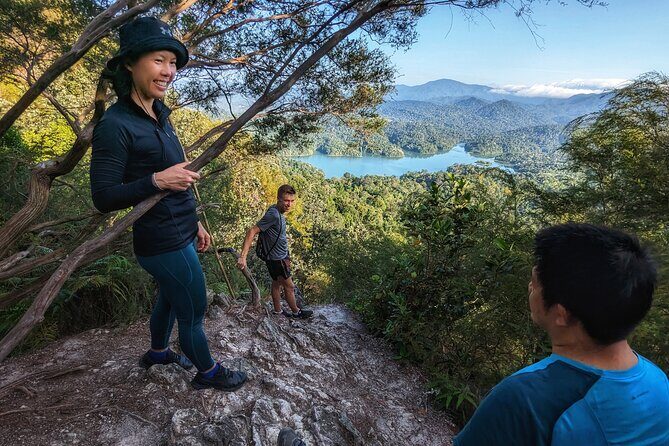
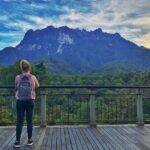
It’s also a Borneo milestone. The summit is 4,095.2 meters, and the plan is designed so you can catch sunrise at the top at Low’s Peak. If you’re chasing that “I was there at the highest point” feeling, this itinerary is geared for it.
You can also read our reviews of more evening experiences in Kota Kinabalu

Getting to Kinabalu Park from Kundasang: logistics that matter
This trip is based out of the Kota Kinabalu area, with pickup and drop-off tied to Kundasang / Kinabalu Park. You’ll get seat-in-coach hotel pickup and drop-off, so you’re not trying to arrange transport on your own in a place where schedules matter.
Your day starts with an early departure. The tour start time is 6:30 am, and you’ll be driven to Kinabalu Park for registration and your first meet-up with the mountain guide. That matters because Kinabalu Park access is not something you want to improvise—arriving prepared and on time helps keep the whole climb on schedule.
If you’re staying outside the Kota Kinabalu city area (and the 1 Borneo Shopping mall area), there’s an extra pickup charge listed as MYR30 per person. In practice, this means you should confirm the pickup location before you commit, especially if you’re staying far out or trying to combine plans.
Small groups (max 10) also help here. When fewer people are on the bus and with the guide, the operator can keep things smoother—less waiting, fewer mismatched walking speeds, and more consistent pacing through the park flow.
Day 1 at Timpohon Gate: the steady climb to Laban Rata
Day one starts with the jump-off point at Timpohon Gate in Kundasang. After you arrive at Kinabalu Park, you’ll go to park headquarters for registration, then meet your mountain guide at reception for briefing and prep. This step is more than formality. Getting your gear and expectations sorted before you step onto the trail helps prevent the common first-day problems: worn-out shoes, under-packed warmth, or mismatched pacing.
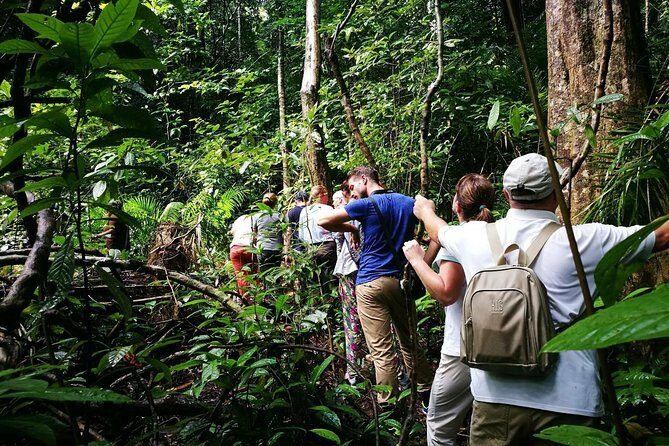
From there, you begin the trek toward Laban Rata, and the trek time is roughly 4 to 5 hours depending on fitness level. You’ll stop for a packed lunch around noon. This is one of the smart pieces of the itinerary: lunch timing is set so you can keep moving without losing the whole day to long breaks.
Then comes the final push to Laban Rata Rest House at about 3,353 meters. Once you check in, you get a dorm-style room with bunk beds at the rest house—non-heated—and the rest of the afternoon is at your leisure. Dinner is served at Laban Rata.
What I like about this day-one structure is that it doesn’t rush you into the summit day on tired legs. You climb, eat, climb a bit more, then sleep near your target. It also sets you up for the cold early start on day two, because you’ll already be at altitude when the wake-up time hits.
The overnight reality: warm layers and smart gear
Laban Rata is part of the experience—and part of the challenge. You’re sleeping in a dormitory type room with bunk beds, and it’s specifically described as non-heated.
That’s why the packing list is so specific, and you should treat it as your checklist for success. Here’s what matters most for your comfort and energy:
- Shoes with good grip (tennis or gym shoes can work, but traction matters)
- Warm clothing plus wind- and water-proof layers
- A water bottle
- A headlamp or torchlight (the mountain schedule runs early)
- Gloves and a hat for cold air
- A complete set of dry clothes to change into after the day’s exertion
- A second pair of shoes or sandals (for after the day trek, if you have room to swap)
- High-energy snacks like chocolate, nuts, raisins, or glucose sweets
- Plastic bags for wet gear, plus tissues and a few plasters for minor cuts/blisters
Even if you’re a confident hiker, the non-heated sleep setup can surprise you. The air at altitude can chill quickly, and you’ll feel the difference more when you’re trying to rest for a summit push at night.
Day 2: the summit push to Low’s Peak and the sunrise payoff
Day two begins with a wake-up around 02:00. Then it’s about a 3-hour trek to the summit route conditions, where you’ll deal with the steeper parts using ladders, hand railings, and ropes. This is the segment that turns “I can hike” into “I can climb,” even if you’re fit.
The goal is to reach Low’s Peak, the summit point at 4,095.2 meters. The plan is timed so you can catch sunrise at the top. Sunrise at the summit is repeatedly described as life-enriching by other hikers, and it makes sense: you’re arriving after dark effort, and then the mountain rewards you with visibility, light, and that rare feeling that you earned the view the hard way.
After sunrise, you descend back to Laban Rata for a well-earned breakfast. Then you continue the descent toward Timpohon Gate, followed by transfers back to park headquarters for your certificate of achievement. Finally, after lunch, you return to Kota Kinabalu, with drop-off in the city area or at the airport.
A key practical point: the schedule is tight because the whole thing depends on the early start and daylight timing. That’s one reason the guide and the small group size matter. You need steady coordination, and you can’t afford to be slowed by avoidable problems like wet socks, poor traction, or missing layers.
A few more Kota Kinabalu tours and experiences worth a look
The guide and group size: where quality shows up
The operator caps the group at 10 travelers, and that translates into real climbing-day benefits. Fewer people means the guide can watch footing, help set pacing, and manage the flow around the steeper assisted sections.
In at least one of the standout feedback notes, a guide named Luke was specifically mentioned for how smoothly things ran. Even if you don’t know your guide ahead of time, you should expect a guide who does more than point at the trail. On Mount Kinabalu, good guidance shows up in timing, gear checks, and helping you avoid energy mistakes before the final push.
That “more attention” theme is also part of the tour’s value proposition. You’re paying not just for access, but for the human system that keeps the climb organized—registration, permit handling, guide-led pacing, and the tight day-two timing.
Transfers, permits, and meals: the hidden value in what’s included
On paper, the price is listed as $1,000.00 per person. That number feels high until you break down what’s actually included and what you’d otherwise need to arrange separately.
Here’s what this tour covers that’s costly or time-consuming to DIY:
- Hotel pickup and drop-off (seat-in-coach), plus mountain-side logistics
- A mountain guide
- Insurance
- Climbing permit
- Certificate of achievement
- Meals: lunch and dinner on day one, and supper, breakfast, lunch on day two
It also includes overnight accommodation at the rest house. When you’re climbing a demanding peak, the “small” pieces—permit access, guide scheduling, the right overnight location, and the meal timing—are what keep you moving instead of stuck.
What’s not included is also important:
- Airfares
- Optional tipping & porter fee (not required info, but expect this as a possible add-on)
- Alcoholic drinks
- Personal travel insurance
- Any item not mentioned
If you already have travel insurance and you’re planning flights on your own, you can think of this price as paying for the climbing package: guide + access + food + overnight. For many people, that’s the difference between a planned climb and a stressful one.
Who this tour is best for (and who should rethink it)
This climb is described as challenging and suitable only for people with good physical fitness and climbing experience. That’s not marketing talk. The itinerary includes a big early-night effort and assisted climbing sections on day two.
You’ll be a strong match if:
- You can handle long, steep hiking and early starts
- You’re comfortable with ladders/hand railings/ropes
- You want a guided, structured climb with meals and lodging taken care of
You should reconsider if:
- You’re prone to getting cold or uncomfortable fast, because Laban Rata is non-heated
- You’re not confident with stamina (day one + summit day are a two-day system, not two separate hikes)
- You’re looking for a relaxed experience rather than a real physical challenge
Also, the tour uses a packed dorm-style overnight. If you need quiet or private accommodations, you might find the bunk setup less ideal.
Practical timing tips for your best chance at the sunrise
You can’t control weather from your tent spot, but you can control what helps you show up ready.
1) Plan your night before carefully. Your wake-up is at 02:00, and the climb timing assumes you’re set. Bring warm items that you’ll actually wear in the cold.
2) Use your second pair of shoes wisely. When you’ve got dry backup gear, you’ll recover better on the return to Laban Rata and then after the descent.
3) Carry small energy snacks. The tour gives you planned meals and a packed lunch, but having extra high-energy foods helps if you get hit with fatigue on the steep parts.
4) Torchlight matters. The itinerary runs early, so have a working torch or headlamp and keep it accessible.
The big point is this: sunrise is the highlight, but your job is to arrive with the gear and energy that let you reach it safely.
Should you book this Mount Kinabalu 2D1N climb?
If you’re physically ready and you want the real Mount Kinabalu experience—guided summit attempt, assisted steep sections, an overnight at Laban Rata, and a timed shot at sunrise from Low’s Peak—I think this is a strong fit. The small group size, guide-led structure, and included permit/insurance/meal plan add up to a lot of value for a climb this demanding.
If you’re mainly after easy views, a leisurely pace, or warm comfortable lodging, this probably won’t feel like your kind of adventure. It’s cold at night, early at 02:00, and steep on day two.
My simple advice: only book if you genuinely match the fitness and climbing experience requirement, and pack for cold because the rest house is non-heated.
FAQ
What are the dates and duration for this Mount Kinabalu climb?
The tour runs for 2 days and 1 night, with the activity starting at 6:30 am and ending back at the meeting point after the second day.
Where does the tour start and where does it end?
It starts at Timpohon Gate, Kundasang, Sabah, Malaysia and ends back at the same meeting point.
What is included in the tour price?
The tour includes overnight accommodation, hotel pickup and drop-off (seat-in-coach), a mountain guide, insurance, climbing permit, certificate, and meals including breakfast, lunch, and dinner (with day-two meal variety listed as supper, breakfast, and lunch).
What is not included?
Not included are airfares, optional tipping & porter fee, alcoholic drinks, personal travel insurance, and any items not mentioned in the inclusions list.
How challenging is the climb?
It is described as challenging, suitable only for people with good physical fitness and climbing experience, and the summit day includes ladders, hand railings, and ropes on steeper sections.
What time does the summit day start?
You wake up around 02:00 on day two for the trek to the summit.
Where do you stay overnight?
You overnight at Mt. Rest house in a dormitory-type room with bunk beds, and it is listed as non-heated.
Is the group size limited?
Yes. This activity has a maximum of 10 travelers.
Are there extra pickup charges for certain hotels?
Yes. There is an additional MYR30 per person charge for outskirt hotels pick-ups (outside the Kota Kinabalu city area and the 1 Borneo Shopping mall area).