REVIEW · KOTA KINABALU
Mari Mari Cultural Village Tour from Kota Kinabalu
Book on Viator →Operated by Asni Tours & Travel (M) Sdn Bhd · Bookable on Viator
A real Borneo welcome beats souvenir hopping. A trip to Mari Mari Cultural Village turns your Kota Kinabalu day into a guided look at how five Sabah ethnic groups live, tell stories, and perform, with easy hotel pickup doing the hard part for you. Expect a village welcome ceremony, a short walk over a suspension bridge, and demonstrations like fire-starting and blowpipe-making, all while an English-speaking guide keeps the context clear.
I love how smoothly the day runs, from on-time hotel pickup to drop-off back in KK, so you do not waste your limited vacation hours juggling transport. I also like the small-group size (max 15) because you get more than just a shuffle-through experience, especially during the demonstrations and the dance program.
One consideration: this is a 5-hour outing with about three hours on site, so if you want long, hands-on time with every craft, you may find the schedule a bit tight. The village also has rules before you enter, and you’ll be doing a bit of walking—plan for comfort and sun.
In This Review
- Key things to know before you go
- Getting there from Kota Kinabalu: short drive, air-conditioned comfort
- The welcome ceremony: village rules and a Chief greeting
- Entering the village: suspension bridge and a five-ethnic layout
- Demonstrations that make culture feel practical: fire and blowpipe craft
- The dance program: where stories become movement
- Lunch inside Mari-Mari: convenient, included, and easy on your schedule
- Price and value: is $145.43 a fair deal from Kota Kinabalu?
- How the 5-hour timing really feels in your day
- Who should book this tour, and who might skip it?
- Small-group feel: what the cap of 15 means for your experience
- Should you book Mari Mari Cultural Village from Kota Kinabalu?
- FAQ
- What time is hotel pickup for this tour?
- How long is the Mari Mari Cultural Village tour?
- Is lunch included?
- Is admission to Mari Mari Cultural Village included?
- Do I need to arrange transport from Kota Kinabalu?
- Will the guide speak English?
- How large is the group?
- Are there any extra charges besides the listed price?
- What is the cancellation policy?
Key things to know before you go
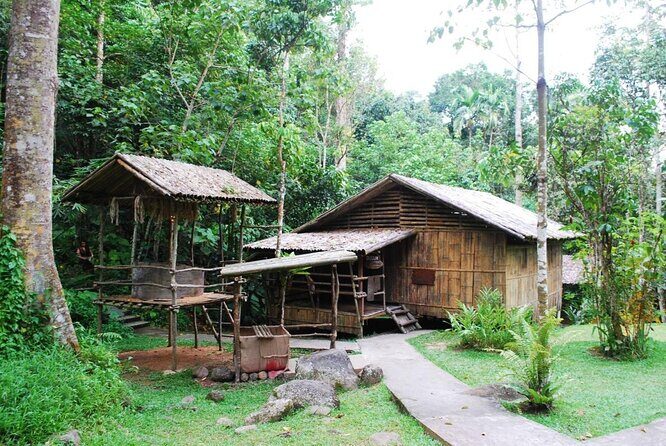
- Five ethnic groups in one village: Dusun, Rungus, Murut, Bajau, and Lundayeh
- Chief-led welcome ceremony plus a briefing on village rules before you enter
- Fire-starting and blowpipe-making demonstrations explained by your guide
- Suspension bridge entrance that sets the tone right away
- Lunch included inside the village so you do not hunt for food mid-tour
Getting there from Kota Kinabalu: short drive, air-conditioned comfort
This tour is designed for an easy half-day from Kota Kinabalu. You get pickup either at 0900 or 1400, then travel to Inanam for Mari-Mari Cultural Village in an air-conditioned vehicle. The drive is typically around 40 minutes, which matters because it keeps the day from feeling like you’re spending most of your time in transit.
Since the group is limited to 15 people, you usually do not feel like you’re waiting forever for everyone to line up. You also have a guide traveling with you, so the ride becomes part of the experience rather than dead time.
If you’re trying to pace your trip, this is a good option: it works for first-timers, and it’s also family-friendly. The tour runs about 5 hours total, so it fits neatly when you want culture without losing the whole day.
You can also read our reviews of more tours and experiences in Kota Kinabalu.


The welcome ceremony: village rules and a Chief greeting

The first thing you’ll feel at Mari-Mari is that you’re entering a living cultural space, not just watching a show. Before you go in, you’ll receive a briefing on village rules, which is a big deal for setting expectations. It’s the difference between passing through and being respectful of what you’re seeing.
Then comes the welcome ceremony, where you’re greeted by the Chief. That moment sets the tone fast. You’re not thrown in cold; you’re introduced to the place, the people, and the idea that these traditions aren’t just costumes for tourists.
This is also where your guide’s English skills really start to matter. You’ll get more out of the performances and demonstrations if you can follow the explanation clearly. One guide name you may hear in feedback is Ariel, often praised for clear English and for being approachable, which is exactly what you want when the guide is translating meaning, not just facts.
Entering the village: suspension bridge and a five-ethnic layout
After the welcome, you walk through the suspension bridge to enter Mari-Mari. It sounds like a small detail, but it’s an effective way to shift from modern Kota Kinabalu into the village setting. Once inside, the layout gives you a sense that you’re moving between areas representing different communities.
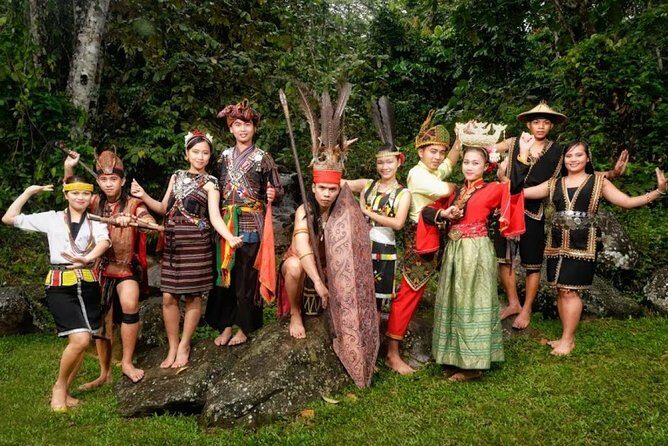
Mari-Mari is a combination of five ethnic groups: Dusun, Rungus, Murut, Bajau, and Lundayeh. Each group has its own stories, traditional dance, and historical context explained during your visit. For me, that matters because you get a broader picture of Sabah’s cultural mix instead of just one culture-by-default.
You should expect that the tour is guided and paced. The goal isn’t wandering alone; it’s learning as you go—what each group is known for, how they’re related to the region, and why certain traditions appear in daily life. If you like structure, you’ll appreciate this.
Demonstrations that make culture feel practical: fire and blowpipe craft
Mari-Mari doesn’t stop at dancing. You’ll also see demonstrations that connect tradition to survival skills and community life—especially fire-starting and blowpipe-making. These are the kinds of topics that can sound technical from a distance, but a good guide makes them understandable.
In a short visit like this, the best demos are the ones that answer the why. You’re not just watching a process; you’re getting the background that tells you what the tool or technique meant to the people. That’s what turns a craft demonstration into cultural learning.
The blowpipe theme is especially memorable because it’s so visually specific. And the fire-starting element helps anchor things in something universal: how people managed heat, cooking, and gathering in earlier times. You’ll still be aware you’re in a demonstration setting, but the value comes from the explanation and the chance to ask questions through your guide.
The dance program: where stories become movement
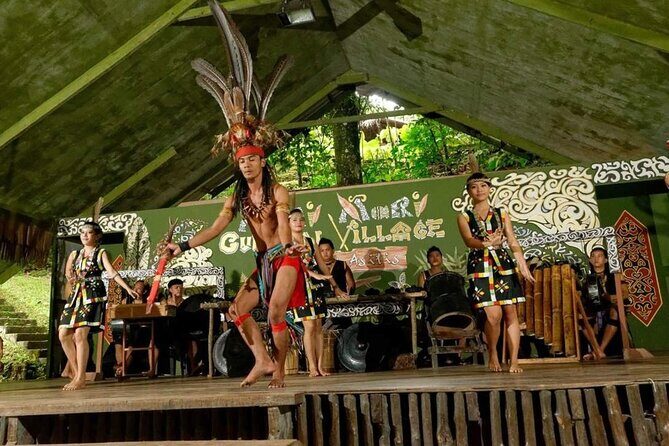
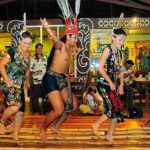
The centerpiece for many people is the dance and performance section. The show is described as colorful and entertaining, and it’s typically the moment that makes the entire visit click. The dances reflect different ethnic traditions, and the guide’s narration helps you understand what you’re looking at rather than treating it like just stage entertainment.
A good sign is when the performances feel more like storytelling than routine. In feedback, the culminating performance is called out as exceptional, which lines up with what you’ll want from this type of tour: not only movement, but meaning. The dancers are the living explanation of the day, and you’ll feel it.
If you’re traveling with kids, this is usually where attention holds best. Adults also benefit, because the guide can connect dance to identity, community, and history without turning the whole thing into a lecture.



Lunch inside Mari-Mari: convenient, included, and easy on your schedule
Lunch is served inside Mari-Mari, and it’s included in the price. This is a practical win. You don’t have to plan where to eat, worry about timing, or lose the middle of the tour hunting for food in the heat.
Because it’s inside the village area, lunch also keeps the experience continuous. You’re not shuttled away to a separate restaurant where the day abruptly becomes something else. It’s a simple way to keep the cultural flow intact.
What you should do: eat early if you tend to get hungry, and plan to hydrate. Even with a controlled schedule, outdoor time adds up. The tour notes you should bring a cap/hat and wear comfortable walking shoes or sandals/slippers—that’s not just for comfort, it helps you keep energy for the suspension bridge walk and village stops.
Price and value: is $145.43 a fair deal from Kota Kinabalu?
At $145.43 per person, this tour sits in the mid-range for a guided half-day experience. The key is what’s included.
You’re getting:
- Hotel pickup and drop-off (and you select the pickup point during booking)
- English-speaking guide
- Lunch
- Air-conditioned vehicle
- Admission to Mari-Mari Cultural Village
- A tour capped at 15 people, which you can treat as part of the value
When you compare this to piecing things together yourself (transport, guide time, entry ticket, and lunch), the bundled approach starts to make sense. It’s also easier if you’re not staying near good public transport.
Two cost caveats:
- A 30% surcharge can apply during super peak or festive season, paid on the day.
- If you need pickup/drop-off from certain hotels or outskirt hotels, there can be an additional USD 9 per person.
So yes, it can be good value, especially if you’d rather pay once and stop thinking. But check your dates and hotel area so there are no surprises.
How the 5-hour timing really feels in your day

The itinerary is built around a smooth flow. Pickup happens at 0900 or 1400, and the overall outing is about 5 hours. That usually means you’ll have around three hours inside the village, including welcome ceremony, walking through, demonstrations, dance, and lunch.
This pacing is ideal for:
- First-time visitors who want the big cultural highlights without overplanning
- Families who need a manageable time window
- People who want a guided explanation rather than independent sightseeing
If you’re the type who likes to linger and photograph for a long time, you might wish you had more hours. Still, for most schedules in Kota Kinabalu, this length hits the sweet spot: you get meaningful content without losing your evening.
The other practical advantage is mental load. A guided tour with pickup takes the pressure off. You show up, you follow the guide’s timing, and the day stays organized.
Who should book this tour, and who might skip it?
I’d strongly consider Mari-Mari Cultural Village if you want a structured cultural introduction to Sabah and you like seeing multiple groups in one place. It’s especially useful if you’re short on time and you still want more than beaches and city meals.
It also works well if you’re:
- Traveling with kids (dance and demonstrations hold attention well)
- New to Sabah culture and want clear context
- Staying in Kota Kinabalu and want a worry-free day
I’d think twice if:
- You’re looking for ultra-deep, slow, hands-on craft practice
- You dislike guided schedules or prefer wandering freely with no planned stops
- You’re sensitive to sun and walking (there is some walking, so wear the right shoes and bring a hat)
Small-group feel: what the cap of 15 means for your experience
A tour limited to 15 travelers is not just marketing. It changes how questions work. When a group is small, the guide can answer more directly, and it’s easier to keep the whole party together during movement around the village.
That matters during the welcome and the demonstrations. If you’ve ever been stuck behind people who don’t care about the explanation, you know why small groups help. Here, the size supports the guide keeping everyone oriented and engaged.
You’ll also get a more human vibe, because you’re not battling the chaos of a big bus crowd. It’s still a show with timed sections, but it feels more like a group activity than a production line.
Should you book Mari Mari Cultural Village from Kota Kinabalu?
If you want a guided cultural day that’s organized, not exhausting, and includes lunch and entry, this is a smart book. The biggest strength is how the tour connects performance, demonstrations, and storytelling across five ethnic groups, all while hotel pickup and drop-off remove the hardest logistics from your hands.
Book it if you’ll appreciate a structured visit, good English narration, and a mix of welcome ceremony, craft-style demonstrations, and dance. I also think it’s a great choice when you want a first taste of Sabah culture without committing to a full-day trek.
Skip or consider alternatives if you’re chasing long, unscripted exploration or you want extensive hands-on participation for every activity. Otherwise, this is a solid cultural stop that fits well into a Kota Kinabalu itinerary.
FAQ
What time is hotel pickup for this tour?
There are two pickup options listed: 0900 hrs and 1400 hrs.
How long is the Mari Mari Cultural Village tour?
The duration is listed as about 5 hours.
Is lunch included?
Yes. Lunch is included and is served inside Mari-Mari.
Is admission to Mari Mari Cultural Village included?
Yes. Admission to Mari Mari Cultural Village is included.
Do I need to arrange transport from Kota Kinabalu?
No. Hotel or cruise terminal pickup and drop-off are included, and you select the correct pickup point during booking.
Will the guide speak English?
Yes. The tour includes an English-speaking guide.
How large is the group?
The tour has a maximum of 15 travelers, with a minimum of 4 travelers required to operate.
Are there any extra charges besides the listed price?
A 30% surcharge may apply during super peak or festive season and must be paid on the day of travel. There can also be USD 9 per person extra for certain hotel/outskirt pickup and drop-off.
What is the cancellation policy?
You can cancel for a full refund up to 24 hours before the experience starts.