REVIEW · GEORGE TOWN MALAYSIA
Penang Island: Street Food Walking Tour
Book on GetYourGuide →Operated by Simply Enak - Food Experiences · Bookable on GetYourGuide
Street food can be a history lesson. On this Penang Island walk, it starts at Chowrasta Market and turns breakfast chaos into a clear story about how Georgetown’s communities traded, cooked, and lived together. You’ll also get a real feel for kopitiam culture and why Penang coffee tastes different when you hear the background.
I especially like the handmade popiah stop, where you watch a master work in a family legacy of 50 years. One drawback: this is still a walking tour through the Heritage Zone, and the experience isn’t suitable if you’re dealing with a cold or mobility limits.
In This Review
- Key things I’d circle before you go
- Chowrasta Market: the morning engine of Georgetown
- Kopitiam culture and Ngor Ka Sai: coffee with a Penang personality
- Nutmeg jeruk pickles: the bite that wakes up your appetite
- Durian dodol: sticky-sweet “king of fruits” tasting
- Popiah skins by hand: a 50-year craft you can watch
- Asam laksa in Georgetown: not the same as what you’ve had elsewhere
- Moh Teng Pheow Nyonya Koay: Peranakan culture through kuey
- Harmony Street and Georgetown’s faith mix: how coexistence shows up
- Street art, iron-rod sculptures, and an old fire station stop
- Why the guide’s “real connections” matter more than extra dishes
- Price and value: what $75 buys in real terms
- What to bring (and what to skip)
- Who this tour suits best (and who should reconsider)
- Should you book Penang Island Street Food Walking Tour?
- FAQ
- How long is the street food tour?
- How much does it cost?
- Where do I meet the guide?
- What group size is this tour?
- Is the tour in English?
- What food and drinks are included?
- What should I bring?
- Can I bring luggage or large bags?
- Is it suitable for people with mobility impairments?
- What’s the cancellation and payment flexibility?
Key things I’d circle before you go
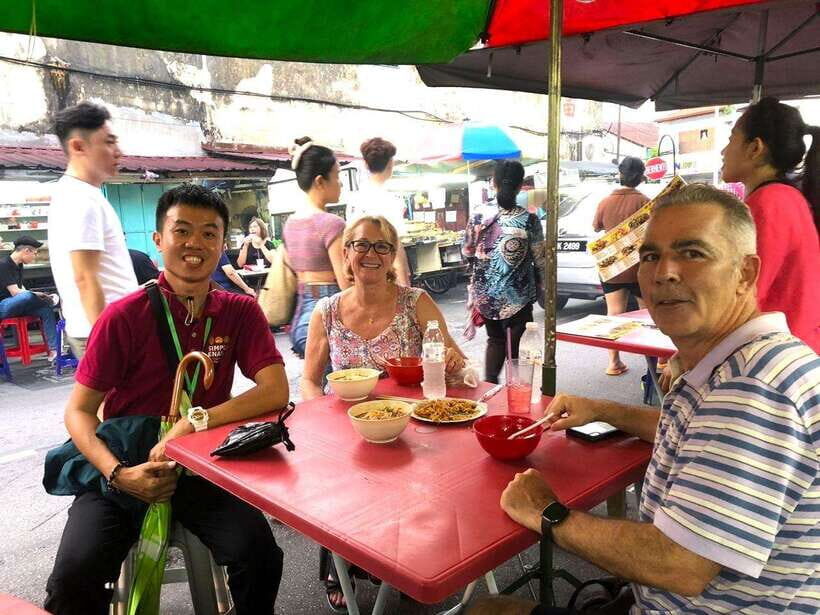
- Chowrasta Market start (since the 1890s): see where Malay, Chinese, and Indian trade first braided together in Georgetown
- Ngor Ka Sai coffee: local coffee mixed with Milo, a Penang combo that sounds odd and then makes sense
- Nutmeg jeruk pickles + durian dodol: sharp, sweet, sticky tastes that explain Penang’s flavor logic
- Popiah skins made by hand: a 50-year family craft, not a factory shortcut
- Moh Teng Pheow Nyonya Koay (Michelin-listed): Peranakan culture shown through kuey you can actually taste
Chowrasta Market: the morning engine of Georgetown
Your tour really does start where Penang food has been “running” for ages: Chowrasta Market, one of the oldest markets on Penang Island, with trade traditions going back to the 1890s. Instead of arriving to a staged bite menu, you arrive while vendors are still setting the day in motion. This matters because street food in Penang isn’t just about flavor. It’s about timing, rhythm, and who’s talking to whom before anyone sits down.
As you walk through the market, you’ll hear conversations mixing languages and accents—Hokkien, Malay, and Tamil—and it feels like you’re learning the city through sound as much as through food. The guide keeps it grounded: this is how families have fed Georgetown across generations, and how the island’s food culture grew from everyday contact between communities.
If you like food tours that actually teach something, this kickoff helps. You’re not only trying dishes; you’re learning why certain flavors and ingredients became common in Penang.
You can also read our reviews of more walking tours in George Town Malaysia
Kopitiam culture and Ngor Ka Sai: coffee with a Penang personality
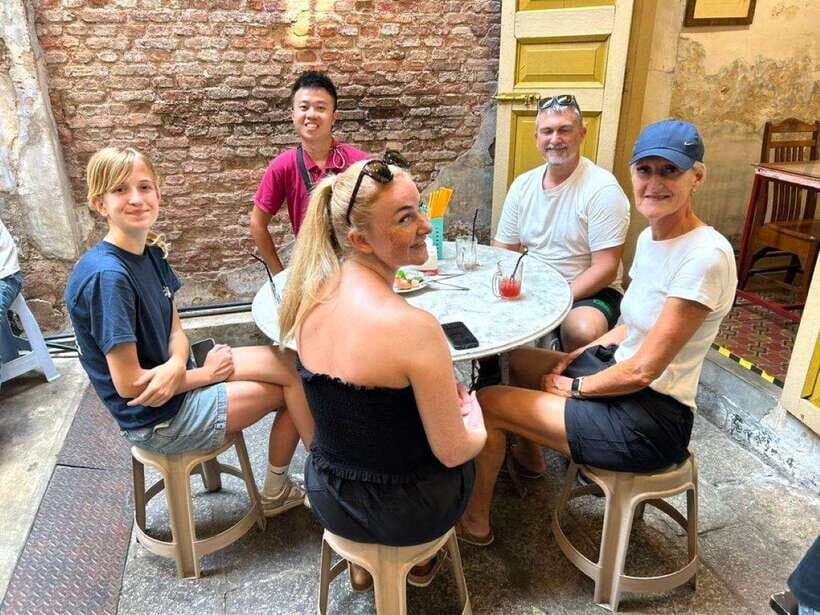
After the market start, you’ll shift into Penang’s coffee-shop world, the kopitiam tradition. The big idea is simple: Penang coffee is communal. It’s where people talk, joke, argue about politics, and order the usual—so the drinks come with habits and history attached.
One drink you’ll try is Ngor Ka Sai, local coffee mixed with Milo. Yes, it sounds strange at first. But this is exactly why I think this tour is good: you taste the logic rather than just hearing about it. The guide’s commentary helps you understand how Penang took influences from elsewhere and made them local.
Practical note: take a few sips slow. Coffee drinks plus street snacks can stack quickly, and you’ll walk for about 3.5 hours total.
Nutmeg jeruk pickles: the bite that wakes up your appetite
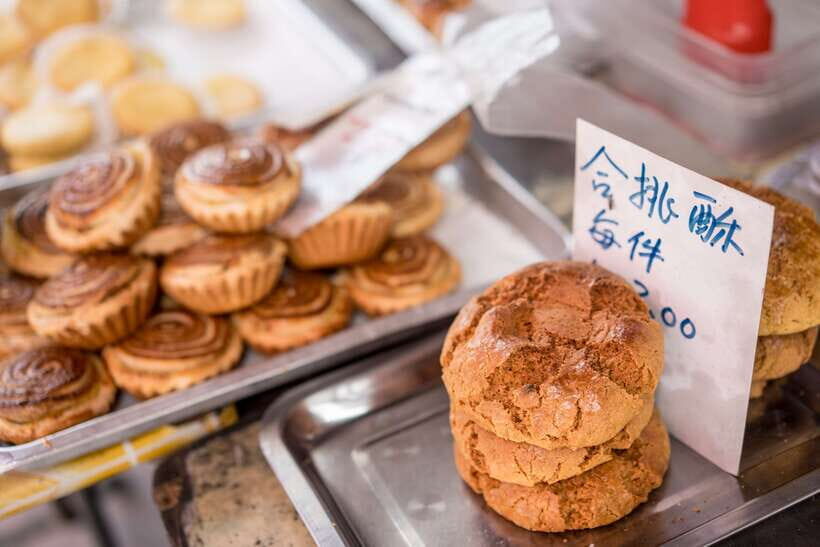
Next up is one of those Penang signatures that works like punctuation in a meal: nutmeg jeruk pickles. Jeruk is pickled fruit or vegetables dressed with spice and tang, and in Penang it’s common enough to become a flavor reference point. The nutmeg note is the standout detail here—it’s the kind of smell that grabs your attention before you even taste.
What I like about this stop is that it teaches you how Penang builds balance. Sweet and rich foods show up later, but you need a sharp anchor first. The pickles don’t exist as a random side. They’re designed to cut through richness and reset your palate so the next bites don’t blur together.
Durian dodol: sticky-sweet “king of fruits” tasting
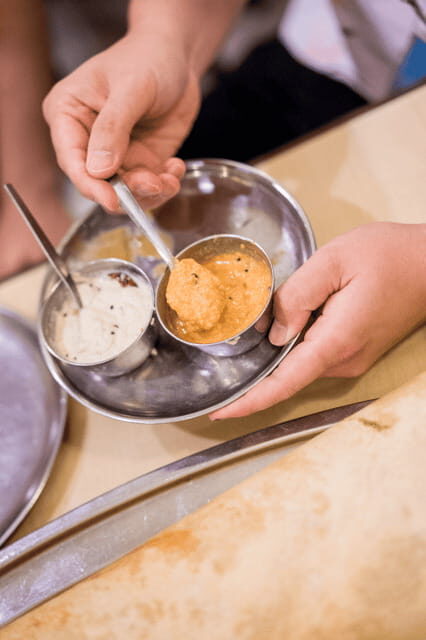
Then comes durian dodol, a traditional confection with a sticky-sweet texture. If durian isn’t your usual thing, this is still a smart introduction because you’re tasting it as part of a culture, not as a dare. The tour frames it as Malay heritage in candy form, with durian as the headline ingredient.
Be ready for texture. Dodol is meant to be chewy and thick, so don’t expect a light, clean bite like a modern dessert. Think of it as a slow-melting sweet that hangs around long enough for you to notice how the flavor deepens.
Also, it’s better to treat this as a tasting, not a race. The tour’s approach is quality over quantity—portioning is designed so you don’t end up overstuffed before the best parts.
Popiah skins by hand: a 50-year craft you can watch
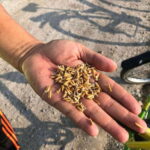
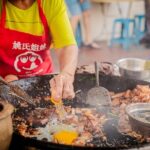
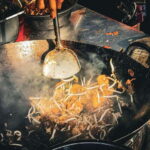
One of the most memorable parts of the tour is the handmade popiah demonstration. You’ll meet a master who has been crafting popiah skins with a family legacy of 50 years. That detail changes how you see the food. Popiah isn’t just a snack. It’s a sheet of thin work that has to be right—thin enough to fold, sturdy enough not to tear.
Seeing it made lets you connect the dots between technique and taste. The tour doesn’t just throw plates at you. It shows you the labor behind the snack, and that’s why this stop feels more meaningful than “try this, next.”
What to watch for:
- The consistency you can see in the process
- How the texture affects what comes after (filling, folding, eating)
- The guide’s explanation of why this craft matters in Penang’s daily food culture
You can also read our reviews of more food & drink experiences in George Town Malaysia
Asam laksa in Georgetown: not the same as what you’ve had elsewhere
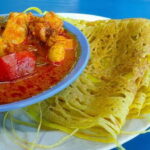
Now you get into one of Penang’s most famous dishes: asam laksa. The guide points out something important: Penang’s version is a completely different experience from what people often know from Kuala Lumpur. Here, the dish is described as balancing sweet, sour, and savoury in a way that feels intentional, not accidental.
You’ll taste it in the Heritage Zone as you keep walking, which helps you understand the bigger idea. These foods aren’t isolated items. They’re part of a street system where people eat, chat, and move through the same blocks day after day.
If you’re sensitive to sour flavors, pace yourself. Asam laksa can hit hard at first, and then your palate adapts and starts appreciating the layers.
Moh Teng Pheow Nyonya Koay: Peranakan culture through kuey
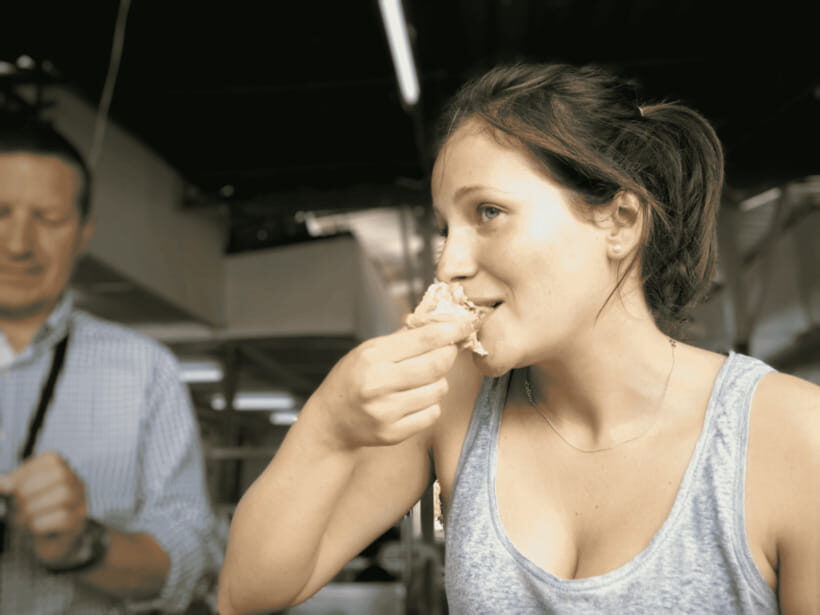
Next comes Peranakan Nyonya culture at Moh Teng Pheow Nyonya Koay, a Michelin-listed cafe. This stop works because it doesn’t turn Peranakan food into a museum piece. You’re still tasting real dishes while learning how the culture formed and how recipes traveled and settled into Penang life.
The tour explains that Nyonya cooking grew from Chinese-Malay fusion and that the Baba and Nyonya communities shaped what ended up on menus. You’ll also hear about the idea of kuey—which can mean cakes, dumplings, puddings, and pastries—so it’s easier to understand what you’re eating beyond a single item name.
A standout detail: the tour frames recipes as unchanged since 1933. Whether or not you treat that as literal kitchen history down to the last minute, the point is clear: this is a tradition meant to be preserved, not replaced for tourists.
Tip for your brain: think of this stop as the cultural “zoom-out.” The earlier bites teach techniques and flavors. This one teaches identity.
Harmony Street and Georgetown’s faith mix: how coexistence shows up
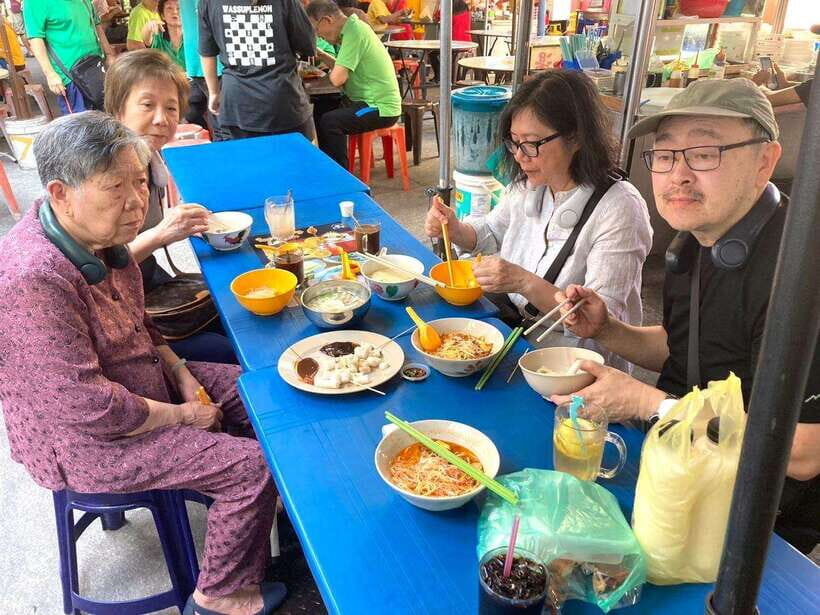
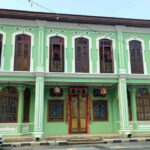
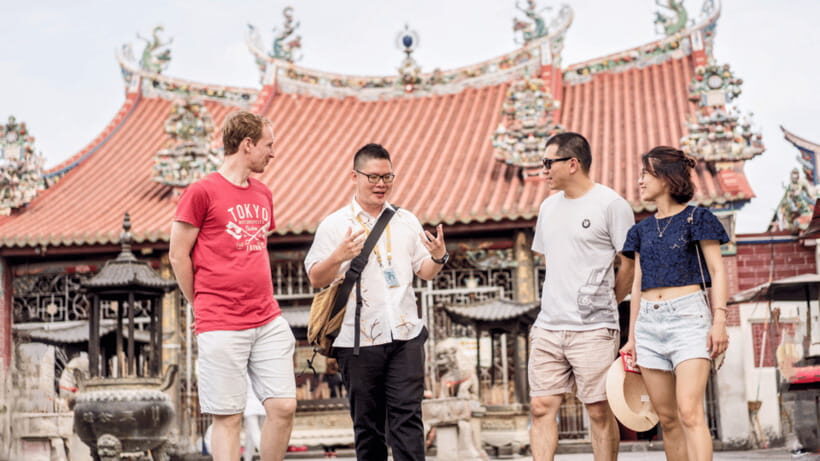
As you walk, you’ll pass temples, mosques, and churches on Harmony Street. This isn’t just scenery. The tour uses it as proof of why Penang’s food culture could grow the way it did—communities sharing space, learning from each other, and staying different at the same time.
If you care about the social side of food, this is where the tour starts making sense. It’s easier to understand why you’ll see a menu that mixes influences. The street itself is the evidence.
Street art, iron-rod sculptures, and an old fire station stop
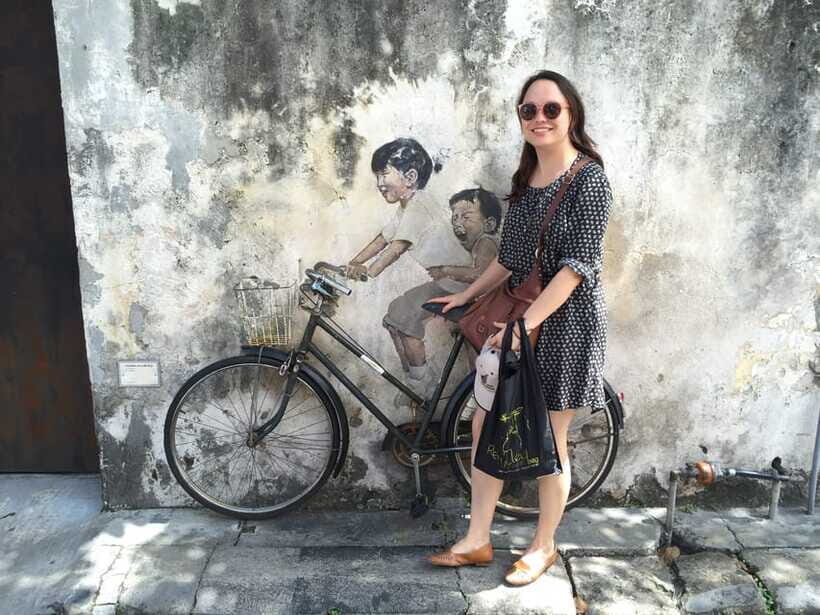
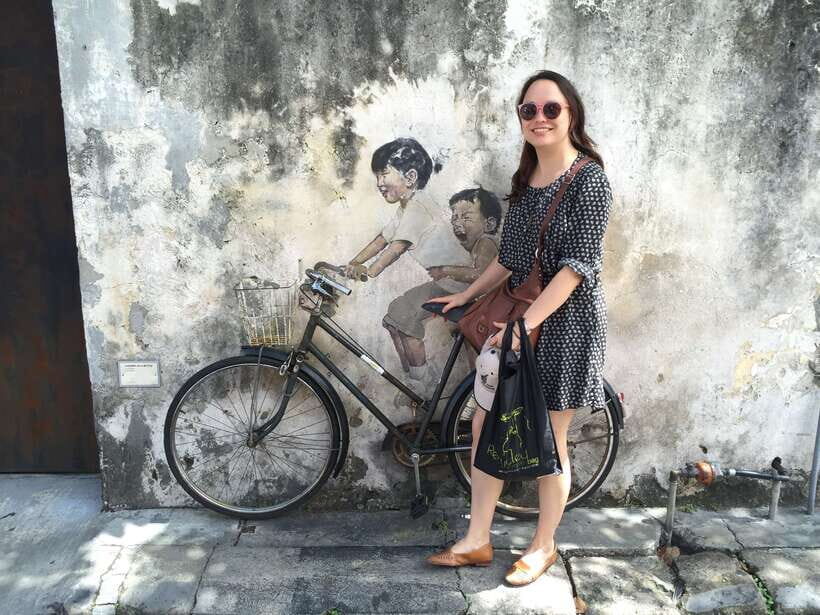
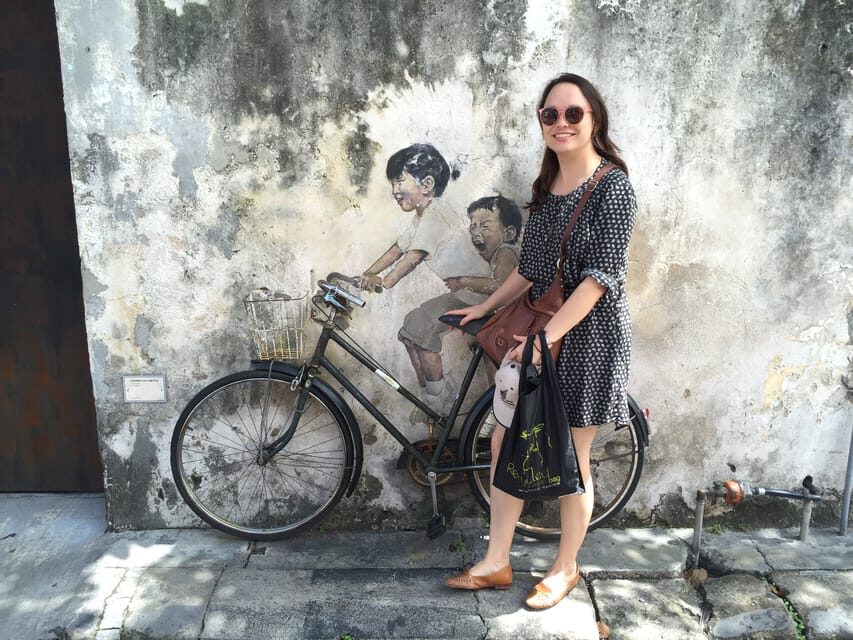
Between tastings, you’ll also catch Ernest Zacharevic street art murals and local iron-rod sculptures dotted across Georgetown. The guide doesn’t treat art like a detour; it gives you context so you understand why these murals became part of the city’s public life.
You’ll also pass by the oldest fire station in town. That’s a nice contrast with the food stops—again, it ties the street you’re standing on to the older systems that kept daily life moving.
The walking pace is steady, and that’s part of the value. You’re seeing what a local food route looks like: food, art, and city history in one continuous thread.
Why the guide’s “real connections” matter more than extra dishes
This tour’s marketing phrase is “real connections,” but you feel what it means. The experience is built around repeatedly visiting the same family-run stalls over time, so vendors recognize the guide’s group and the atmosphere stays human. That changes the feel from transactional to conversational.
You’ll get:
- Context that makes the food more meaningful, not just spicy or sweet
- Cultural notes tied to what’s in front of you
- A sense that these are working food families, not “performances for cameras”
And the small group size helps. With a limit of 9 participants, you can move through tight streets without turning it into a stampede. The guide can also gauge appetite so you don’t end up wasting food or forcing down more than you want.
Price and value: what $75 buys in real terms
At $75 per person for about 210 minutes, you’re paying for more than snacks. You’re paying for:
- A licensed local guide sharing history and vendor stories in English
- Food and drinks at selected family-run stalls
- A route that layers culture on top of taste instead of repeating the same generic street foods
Street food tours can become a numbers game—too many stops, too little time at each. This one tries to avoid that with quality over quantity and by adjusting portions to your appetite.
So the value question isn’t just price. It’s whether you want to understand Penang through food. If you do, this tour feels like a practical way to “buy time” with the right context—especially in Georgetown’s Heritage Zone, where the details are easy to miss on your own.
What to bring (and what to skip)
This is a walking route with outdoor time, so bring:
- Comfortable shoes
- Umbrella
- Water
- Breathable clothing
Also skip large luggage. You shouldn’t bring luggage or large bags.
One more practical heads-up: the tour notes it’s not suitable if you have a cold. If you’re sneezing your way through the day, you’ll make it harder on everyone and feel worse yourself.
Who this tour suits best (and who should reconsider)
This is a great match if you:
- Like street food but want the story behind it
- Enjoy small groups
- Want to taste a range: pickles, coffee, durian dessert, popiah, asam laksa, and Peranakan sweets
- Prefer insider-style stalls over obvious tourist versions
The tour lists wheelchair accessibility, but it also states it’s not suitable for people with mobility impairments. If that matters to you, check the plan closely before you book, especially given the walking nature and street conditions.
Should you book Penang Island Street Food Walking Tour?
I’d book this tour if you want Georgetown food that comes with context and you like the idea of learning through taste. The highlights are specific and varied—nutmeg jeruk, durian dodol, 50-year popiah skins, as enak asam laksa, and a Peranakan stop at Moh Teng Pheow Nyonya Koay.** The small group size, the family-run stall focus, and the guided explanations are the ingredients that justify the $75 price.
But don’t book it if you’re dealing with a cold or if you know you won’t handle a steady walking route comfortably. Otherwise, it’s a smart way to experience Penang without turning your trip into a scramble for reservations and menus.
FAQ
How long is the street food tour?
The tour lasts 210 minutes (about 3.5 hours).
How much does it cost?
It costs $75 per person.
Where do I meet the guide?
You should arrive 15 minutes early at the meeting point. The guide will be wearing either a white polo t-shirt with Simply Enak or a white batik shirt.
What group size is this tour?
It’s a small group limited to 9 participants.
Is the tour in English?
Yes, the live guide speaks English.
What food and drinks are included?
Food and drinks at selected family-run stalls are included, but extra drinks beyond what the tour shares are not included.
What should I bring?
Bring comfortable shoes, an umbrella, water, and breathable clothing.
Can I bring luggage or large bags?
No. Luggage or large bags are not allowed.
Is it suitable for people with mobility impairments?
The tour lists wheelchair accessibility, but it also notes it is not suitable for people with mobility impairments. If you’re affected by mobility limits, it’s best to check your needs carefully before booking.
What’s the cancellation and payment flexibility?
You can reserve now and pay later, and you can cancel up to 24 hours in advance for a full refund.