REVIEW · KUALA LUMPUR
Historical Malacca Day Trip from Kuala Lumpur
Book on Viator →Operated by Magunatip Holidays Sdn Bhd · Bookable on Viator
Malacca history hits fast, even from KL. This full-day run takes you through the UNESCO World Heritage core with Portuguese, Dutch, British, and Chinese traces that you can actually point to on the street. You’ll finish with a walk by Jonker Street and the Malacca River area before heading back to Kuala Lumpur.
I like two things a lot. First, hotel pickup and drop-off make this day feel easier than DIY. Second, the mix of worship sites is smart: you go from Cheng Hoon Teng to major Christian churches in one smooth route, so Malacca’s cultural layers make sense.
One thing to consider: this is a scheduled coach day, so your time at each stop can feel tight if you like to linger and browse.
In This Review
- Key highlights to know before you go
- Why Malacca from Kuala Lumpur is such a good one-day move
- Price and logistics: what you get for $85
- The coach ride: expect a real day, not a quick hop
- Bukit China: the Ming Bride story you can see in the setting
- Red Square (Dutch Square) and Stadthuys: Dutch municipal power in red walls
- St. Paul’s Hill and Church ruins: Portuguese angles without the full church
- Christ Church: how Dutch occupation turned into Anglican presence
- St. Peter’s Church: Malaysia’s oldest operational Catholic church
- Cheng Hoon Teng Temple: Kuan Yin and the Merciful Cloud atmosphere
- A’Famosa (Porta De Santiago) and the Portuguese footprint in the city
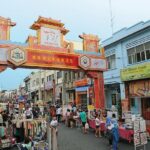
- Jonker Street and the Malacca River: where the day turns casual
- Lunch: the small included win that keeps the day from feeling grindy
- What can go wrong (and how to handle it)
- Who this Malacca day trip suits best
- Should you book this Malacca historical day trip?
- FAQ
- How long is the Malacca day trip from Kuala Lumpur?
- What time does the tour start?
- Is lunch included?
- Does the tour include hotel pickup and drop-off?
- What major sights will I see in Malacca?
- Is cancellation free?
Key highlights to know before you go
- Bukit China’s Ming Bride legend ties directly to the Chinese settlement story behind the area
- Stadthuys in Red Square shows Dutch municipal architecture up close, including its impressive interior staircases
- Christ Church and St. Peter’s Church let you compare Dutch-to-British Anglican changes and the long Catholic presence
- Cheng Hoon Teng (Merciful Cloud Temple) is centered on Kuan Yin and feels calm compared with the street crowds
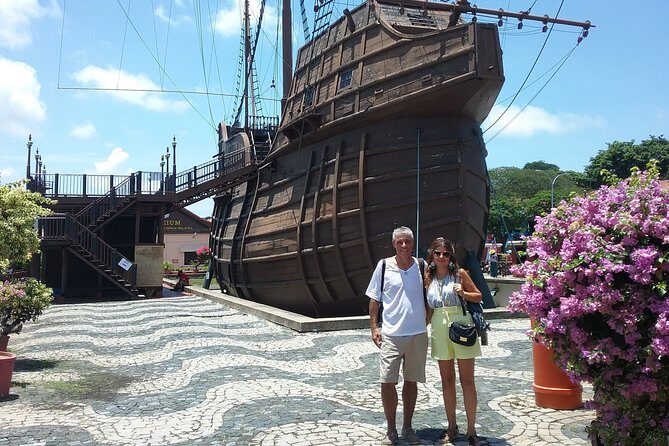
- Portuguese Mini Lisbon gives you a rare, themed pocket of names, language, and heritage
- Lunch + pickup included keeps the day’s value strong versus piecing it together yourself
Why Malacca from Kuala Lumpur is such a good one-day move
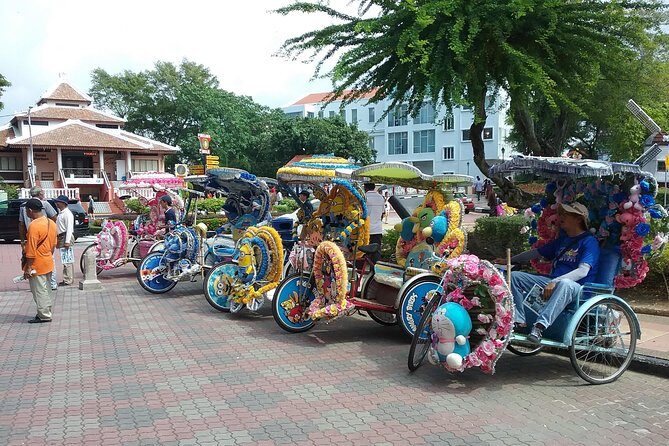
Malacca is one of Malaysia’s clearest “layer-cake” cities. Walk a few minutes and you’re already looking at buildings shaped by different colonial powers—Portuguese, Dutch, and British—while Chinese influence shows up in temples and cemetery history.
The big advantage of doing Malacca from Kuala Lumpur is time. A day trip like this gets you into the historic core without the stress of coordinating transport, figuring out where everything is, and managing multiple tickets. And because the schedule includes several faith sites plus the main Dutch-era civic buildings, the city’s story reads naturally.
You’ll also get the fun part: the city isn’t only museums. Jonker Street and the riverside area are where Malacca feels like Malacca—lively, walkable, and full of small discoveries.
You can also read our reviews of more historical tours in Kuala Lumpur

Price and logistics: what you get for $85
At $85 per person, the value comes from three included items: lunch, a driver/guide, and hotel pickup and drop-off. If you’ve ever tried to DIY a day in Malacca, the real cost isn’t only transport—it’s the time you spend planning and then losing time on the road.
This also uses mobile ticketing, so you’re not scrambling for paper vouchers. It’s a coach tour with a maximum of 15 travelers, which is small enough to feel personal but large enough to move through key stops efficiently.
Most of the scheduled attractions are listed as admission ticket free on the day’s stops. That’s not a small detail. It means your main spending is optional extras, like souvenirs or photo add-ons, rather than constant ticket costs.
Timing note: the tour is set for a full day (about 8 hours) and starts at 8:30am. On the road, plan for a couple hours each way between Kuala Lumpur and Malacca, so the day is structured to keep you from burning daylight in transit.
The coach ride: expect a real day, not a quick hop
A full-day coach trip means you should mentally switch modes. The bus part is necessary, but it also explains why the stops are planned tightly.
A couple practical things help you enjoy the ride:
- Bring something for the ride time (a book, download offline maps, light snack if allowed by your comfort level).
- Keep your daypack handy. You’ll be moving in and out of the bus, and you don’t want to be rummaging for water or a rain layer.
If you’re the type who hates group pacing, the good news is the group size is capped at 15. The harder news is that the schedule still runs on a clock.
Bukit China: the Ming Bride story you can see in the setting
The day kicks off at Bukit China, also called Chinese Hill. This stop matters because it connects legend, migration, and burial history in one place.
According to Malay history, the sultan’s marriage to the emperor’s daughter triggered an influx of Chinese settlers. The story is dramatic: when the princess arrived, she came with a large retinue, including 500 handmaidens. From there, Bukit China became a Chinese-dominated area, and the hill is tied to the region’s major Chinese cemetery history outside of China.
Why I think this stop is valuable: it isn’t just a background story. It gives you a reason to look closely—at the hillside context, at the feel of the area, and at how Malacca’s Chinese community took root. Even if you’re not a cemetery person, the legend gives the site meaning.
Red Square (Dutch Square) and Stadthuys: Dutch municipal power in red walls
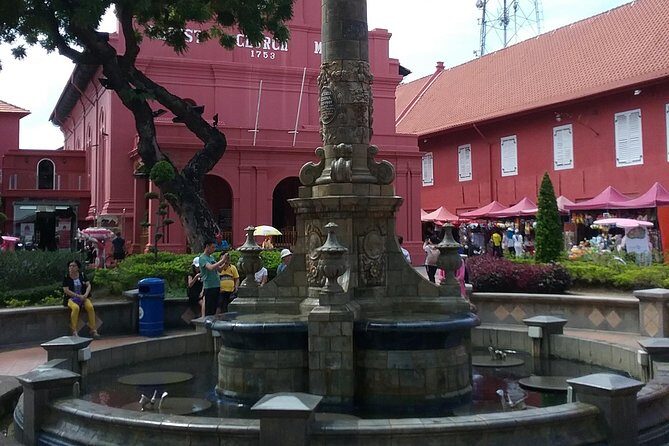
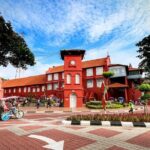
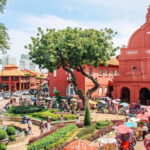
Next is Red Square, or Dutch Square, built in the era of Dutch rule. The Stadthuys buildings are described as terracotta-red colonial architecture with practical features like louvered windows and chunky doors with wrought iron hinges.
The interior is where this stop earns its keep. The building is noted for white monumental staircases and tall windows that give it a very 17th-century civic feel—more “town hall” than “grand palace.”
If you want one takeaway from this area, it’s this: Malacca’s Dutch period wasn’t only about forts. It also shaped how the city was administered—what buildings looked like, where power sat, and how people moved through civic spaces.
A few more Kuala Lumpur tours and experiences worth a look



St. Paul’s Hill and Church ruins: Portuguese angles without the full church
On St. Paul’s Hill, you’ll see the ruins of St. Paul’s Church. The exterior is mostly remnants and leans Portuguese in its architectural look.
There’s a small paved path up to the top area, where you can get inside the church ruins. Even if the structure is broken, you’ll still have a sense of how the site was laid out and what it meant.
One detail to watch for: the church dedication to Saint Paul the Apostle, including a white-painted statue. It’s a simple element, but it helps you connect the ruins to the religious purpose of the place—not only the weathering stone.
Christ Church: how Dutch occupation turned into Anglican presence
Christ Church is one of the most recognizable buildings in the route. Built in 1753 to celebrate a century of Dutch occupation, it has that brick-red look and a large white cross up top.
Inside, you get more than a shell: the church includes 200-year-old handmade pews, decorative fanlights, and plaques honoring Dutch soldiers and locals. That mix matters. You’re not only looking at architecture; you’re seeing how the community marked itself.
Later, British rule brought changes. The British added a weathercock and bell and transformed the church from Protestant to Anglican. That story is why this stop is so useful: it shows you religion and politics in the same building, in the same day.
St. Peter’s Church: Malaysia’s oldest operational Catholic church
If you’re trying to understand Malacca’s Christian timeline, St. Peter’s Church is a key anchor. It’s described as the oldest operational Catholic Church in Malaysia, built in 1710 on land donated by Maryber Franz Amboer, a Dutchman.
The church has details that feel very specific and local. The oldest item mentioned is the bell, manufactured in Goa in 1908. That’s a great clue for thinking beyond Malaysia’s borders—trade routes and overseas links mattered.
This is also a more “still” stop in a day of moving around. Even with a guided pace, the church tends to feel less like a photo circuit and more like a living place of worship.
Cheng Hoon Teng Temple: Kuan Yin and the Merciful Cloud atmosphere
Cheng Hoon Teng Temple is the oldest Buddhist place of worship in Malaysia, built in 1646. It’s known as the Merciful Cloud Temple and is dedicated to Kuan Yin, the Goddess of Mercy.
The most striking element is the central prayer hall with a statue of Kuan Yin in black, gold, and red robes. This is one of those sights where color and symbolism do a lot of the work for you—no extra explanation needed.
Practical tip: in temples, keep your pace respectful. You’ll likely have a guide and group around you, but the space is meant for quiet attention. If you’re taking photos, watch for signals about where you can and can’t shoot.
A’Famosa (Porta De Santiago) and the Portuguese footprint in the city
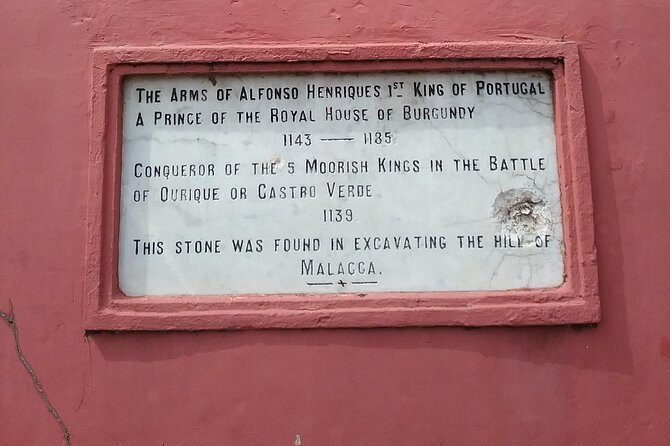
The tour includes A’Famosa (Porta De Santiago), a fortress tied to Malacca’s Portuguese-era presence. Even if your time there is brief, it’s an important stop because it reminds you that Portuguese influence wasn’t only religious buildings—it also shaped defense and urban form.
Then you move into a more themed area: Portuguese Settlement, sometimes called Mini Lisbon. The story here is unusual and very Malacca: in the early 1930s, a British Resident allowed a fishing village of wooden huts near the sea, at the request of a French missionary. It began as St. John’s Village and became a bastion for Portuguese ancestry to preserve language, religion, and cultural traditions.
Today, it’s known for street names like D’Alberquerque, Sequera Eredia, D’Aranjo, and Texeira. This is where Malacca stops feeling only colonial-history and starts feeling like living heritage.
One note: the settlement stop is short (listed as about one minute in the schedule). So if you care about walking and reading those street name signs, arrive alert and ask the guide where you can quickly look without slowing the group too much.
Jonker Street and the Malacca River: where the day turns casual
You’ll finish with a walk on Jonker Street toward the Malacca River area before returning to Kuala Lumpur.
This part is where you can switch from “history looking” to “shopping and snacks looking.” It’s also where you’ll understand why Malacca still feels like a trading port: the streets are built for people to linger, browse, and connect.
The trade-off is time. This is a scheduled day, and the group pace can limit how long you get to browse. If you want souvenirs, do a quick scan early so you’re not scrambling at the end.
Lunch: the small included win that keeps the day from feeling grindy
Lunch is included at a popular local restaurant. The key value here isn’t only the meal—it’s the mental relief. You don’t need to hunt for a place while everyone else is waiting, and it keeps your budget predictable.
If you have dietary needs, I’d plan to keep your expectations practical and ask your guide what options are possible. The day is built around getting you to multiple key sites, so lunch is part of that flow, not a long sit-down pause.
What can go wrong (and how to handle it)
This tour’s biggest strength is also what shapes your experience: it’s structured. That means you should watch for two common friction points.
First, rain. If the weather turns, you’ll still see the main stops, but your walking time and comfort can drop fast. Bring a light rain layer and shoes that handle wet pavement.
Second, pacing and side stops. The route is fixed, and some runs can feel like the guide is moving you along quickly. If you care about detours—like extra browsing on the streets—make your ask early and clearly, not at the last second.
Finally, pickup timing can vary day to day. The schedule starts at 8:30am, but morning departures and bus logistics can run a little early or late. Build in patience, and you’ll enjoy the day more.
Who this Malacca day trip suits best
This is a great fit if you:
- Want a big hit of UNESCO-core sights without researching transport for hours
- Like architecture and faith sites across different time periods
- Prefer a small group (up to 15) with an active driver/guide
- Appreciate built-in lunch and pickup/drop-off to reduce day friction
It’s less ideal if you:
- Want lots of free roaming time with no schedule pressure
- Plan to spend heavy time shopping at Jonker Street
- Get stressed when the pace is brisk
Should you book this Malacca historical day trip?
I’d book it if you want one day to cover a lot of Malacca without turning your vacation into logistics. The included lunch, hotel pickup/drop-off, and the sweep across major landmarks make the $85 feel workable—especially since many stops are listed as admission-free.
Skip it (or choose carefully) if your priority is slow travel, long independent browsing, or you’re highly sensitive to rain and rushed timing. In that case, you might prefer a more flexible plan.
If you do book, go in with the right mindset: this is a history-and-architecture sampler, capped with the street energy of Jonker Street and the river. You’ll leave with names, buildings, and cultural layers you can actually remember.
FAQ
How long is the Malacca day trip from Kuala Lumpur?
It runs for about 8 hours.
What time does the tour start?
The start time is 8:30am.
Is lunch included?
Yes, lunch is included.
Does the tour include hotel pickup and drop-off?
Yes. Hotel pickup and drop-off are included.
What major sights will I see in Malacca?
You’ll see Bukit China, Red Square (Stadthuys), St. Paul’s Church ruins, Christ Church, St. Peter’s Church, Cheng Hoon Teng Temple, and the Portuguese Settlement area, plus time for Jonker Street and the Malacca River.
Is cancellation free?
Yes. You can cancel up to 24 hours in advance for a full refund. If you cancel less than 24 hours before the start time, the amount paid won’t be refunded.