REVIEW · KUALA LUMPUR
Ipoh Caves, Heritage And Cave Temple Tour From Kuala Lumpur
Book on Viator →Operated by RIYAS TRAVEL MALAYSIA · Bookable on Viator
Ipoh caves turn a long day into art. This private day trip from Kuala Lumpur mixes limestone cave temples with quick hits in Ipoh’s colonial old town, all with hotel pickup and drop-off. You’re in an air-conditioned vehicle, and you can usually move at a pace that suits you instead of being locked to a strict group shuffle.
I love the practical setup: an English-speaking professional driver who can guide you without hovering. In one case, a driver named Nagen looked after a solo guest like a safety net, while still giving room to explore. I also like that most temple admission is handled for you, so you spend more time looking up at murals and statues than counting tickets. The main thing to plan for is logistics: it’s a long 12-hour stretch, and you should double-check pickup timing and remember Gua Tempurung has an extra admission cost.
In This Review
- Key Things You’ll Really Notice On This Tour
- Why Ipoh Cave Temples Feel Like the Main Event
- The KL-to-Ipoh Ride: Comfort, Timing, and What “Private” Really Means
- Gua Tempurung: A Cave Stop for Cavers and Culture-Plus-Adventure Fans
- Kek Lok Tong Cave Temple and Zen Gardens: Temple Life Plus a Calmer Pace
- Perak Cave Temple: The 40-Foot Golden Buddha Moment
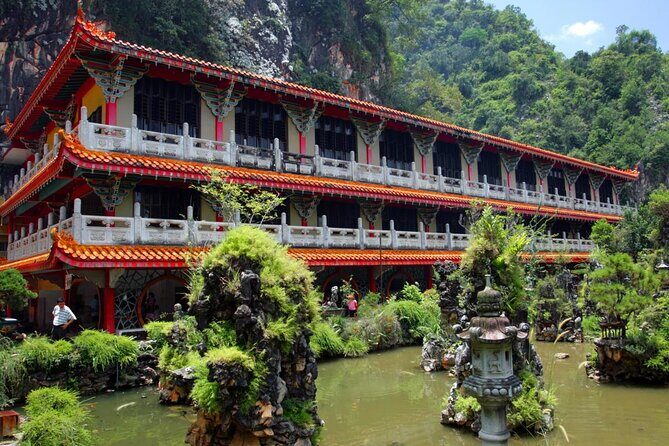
- Sam Poh Tong Temple: The Oldest Main Cave Temple Role
- Perak Guanyin Cave and Ling Sen Tong: Two More Temple Styles, Different Focus
- Ipoh Old Town Stops: Concubine Lane, Railway Station, and Town Hall
- Price and Value: Does $107 Make Sense?
- Who This Tour Suits Best (And Who Might Feel Frustrated)
- Practical Tips to Make the Day Easier
- Should You Book This Ipoh Caves, Heritage, and Temple Tour?
- FAQ
- How long is the Ipoh caves and heritage tour?
- Are hotel pickup and drop-off included?
- Is the Gua Tempurung admission ticket included?
- Are tickets included for the other cave temples and sites?
- What kind of vehicle do you use?
- Is this tour private or shared?
- Is food included?
- Can you cancel for a full refund?
- FAQ
- Is this tour customizable?
Key Things You’ll Really Notice On This Tour
- Private KL-to-Ipoh transfers: You start and end with hotel pickup/drop-off, no public transport gymnastics.
- Cave temples with clear visual anchors: Big statue moments like a 40-foot golden seated Buddha help you understand what you’re seeing.
- Most admissions included: You pay less out of pocket across the temple stops, with one notable exception.
- A doable rhythm: Each main temple stop is around an hour, plus short city photo stops to break up the ride.
- Old-town stops add context: Places like the Ipoh Railway Station and Town Hall show how the city grew beyond the caves.
Why Ipoh Cave Temples Feel Like the Main Event
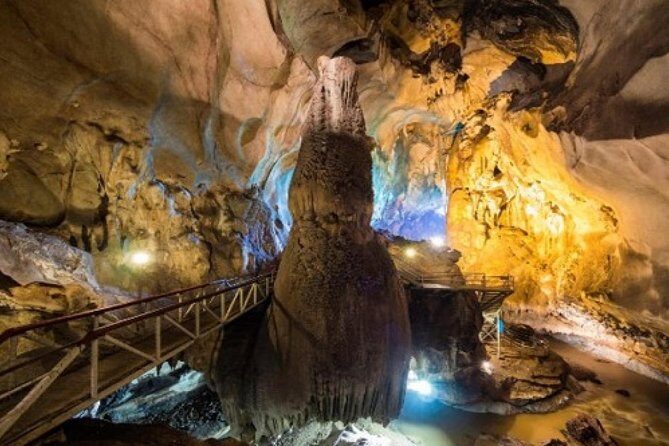
Ipoh’s claim to fame is that it turns religion and culture into something you experience with your senses. You’re not just looking at buildings—you’re walking through limestone spaces where murals and statues become the guideposts. The tour leans into that. You hit multiple cave temples in a single day, so you can compare how each site feels: darker and more sacred, brighter and more ornamental, sometimes even garden-like outside the cave.
What makes the route satisfying is the variety in what you see at each stop. Perak Cave Temple centers on a towering golden seated Buddha statue that dominates the cavern space. Sam Poh Tong Temple is the oldest and main cave temple in Ipoh, built inside a limestone cave—so it’s a good starting point for understanding why caves became “natural halls” for worship. Then Perak Guanyin Cave brings a different energy with the Guanyin setting at the foot of Gunung Rapat.
There’s also a useful rhythm to how the day is built: you don’t only do caves. You add Concubine Lane, Ipoh’s railway heritage, and colonial architecture, which helps you connect the spiritual side of Ipoh to the everyday street-life side.
You can also read our reviews of more historical tours in Kuala Lumpur


The KL-to-Ipoh Ride: Comfort, Timing, and What “Private” Really Means
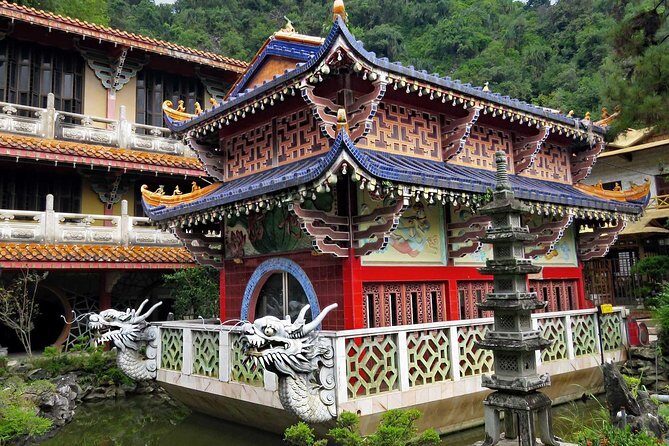
This is a long day by design—about 12 hours total—because Ipoh is far enough from Kuala Lumpur that you want a dedicated car. The tour includes round-trip hotel transfers, and you’ll ride in an air-conditioned vehicle with an English-speaking professional driver. For most people, that’s the value: you can focus on the sights instead of navigating routes, transfers, and waiting times.
Private also means you’re not boxed into a larger bus flow. One theme in the experience is pacing. You can set your own speed at the cave temples rather than feeling rushed through every hall. For you, that matters because cave spaces can be tiring in a different way—you may need a moment to look, then a moment to rest, then back to looking.
Still, keep a reality-check mindset. With a schedule that spans caves plus old-town stops, small timing slips can feel bigger. Before you leave, make sure you have a clear understanding of pickup time and keep your phone ready in the morning. It’s also smart to wear comfy shoes. Even if the tour doesn’t feel like a “hike,” you’ll be doing lots of walking and standing around entrances, steps, and temple paths.
Gua Tempurung: A Cave Stop for Cavers and Culture-Plus-Adventure Fans
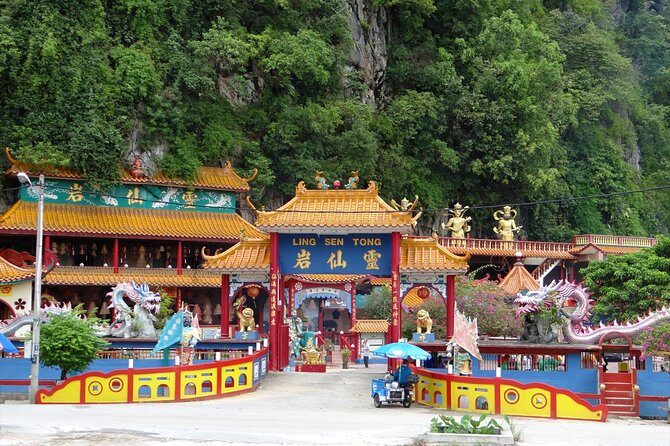
Your first cave stop is Gua Tempurung, described as over 3 km long and one of the longest caves in peninsular Malaysia. That length matters because it signals you’re entering a cave system with serious scale, not just a short show cave. It’s also noted as popular among spelunkers and caving enthusiasts, which is your hint that this is the most “cave-first” stop in the day.
Plan for this stop to feel different from the temple caves. The temple sites are designed around worship spaces—statues, murals, and ritual areas. Gua Tempurung is more about the cave itself, with an emphasis on its tunnels and overall length.
One important wallet detail: admission ticket is not included for this stop. So if you’re budgeting, treat Gua Tempurung as the one extra cost you’ll likely handle directly on site. If you’re the type who likes to know totals ahead of time, check what you’ll pay for entry before you go in.
Kek Lok Tong Cave Temple and Zen Gardens: Temple Life Plus a Calmer Pace
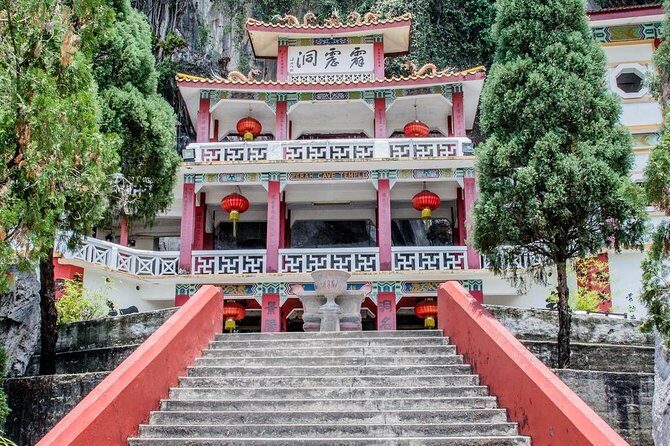
Next up is Kek Lok Tong Cave Temple and Zen Gardens. The cave temple sits on a site of about 12 acres, and the information highlights that worship was happening there as early as 1920. That long timeline gives you context for why the place feels “settled” rather than newly styled—this is somewhere that grew into a landmark role for visitors and devotees.
This stop is a nice middle ground. You get the cave temple experience, but you also have the garden element that helps break the day. At about 1 hour, it’s long enough to wander through the highlights without feeling trapped inside one tight schedule box.
You’ll want to pay attention to how the cave space shifts into outdoor areas. In places like this, the design is often meant to control mood—cooler, darker cave interiors paired with brighter garden paths. That contrast is part of what you’re buying with this route: it turns “caves all day” into “caves with changes in scenery.”
Admission is included here, so you can focus on looking rather than checking tickets.
Perak Cave Temple: The 40-Foot Golden Buddha Moment
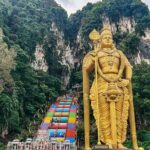
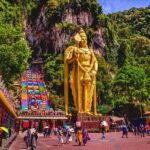
Perak Cave Temple centers on one standout visual: a golden seated Buddha statue that’s 40 feet tall and dominates the cavern. When you walk into a space like that, your brain does something helpful—it anchors the visit. Instead of trying to understand every detail at once, you get a major reference point immediately.
It’s also described as having colorful murals inside the cavern. Murals can be easy to miss if you rush, so the best approach for this stop is slow enough to let the wall art register. In a one-hour visit, that means choosing what you’ll focus on: statue first, then murals, then a final slow pass for the details you missed.
This stop is about an hour and admission is included. That combination is practical value. You’re paying for a guided, timed route, and this temple is the kind of place where time is part of the experience—because the artwork and the scale only make sense once you let your eyes adjust.
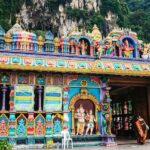



Sam Poh Tong Temple: The Oldest Main Cave Temple Role
Sam Poh Tong Temple is the oldest and main cave temple in Ipoh, and it’s built within a limestone cave. That “oldest and main” label isn’t just trivia. It helps you interpret the temple’s position in the city’s religious geography—why this stop shows up on almost every Ipoh cave route.
At around 1 hour, you’ll have time to notice the structure of a cave-temple layout: worship space inside, with the cave setting doing the heavy lifting for atmosphere. This is also a good place to compare styles across temples. Some cave temples lean into statuary and murals, while others feel more like a structured series of viewing points. You’ll learn this faster when you visit multiple caves back-to-back.
Admission is included on this stop. So this is another “time on site, less money handling” moment in the day.
Perak Guanyin Cave and Ling Sen Tong: Two More Temple Styles, Different Focus
The tour keeps momentum with two additional temple caves: Perak Guanyin Cave and Ling Sen Tong Temple.
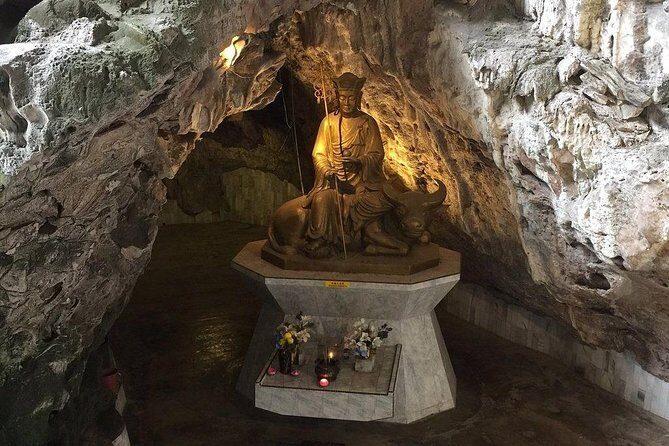
Perak Guanyin Cave is described as being at the foot of Gunung Rapat on Jalan Gopeng. Guanyin sites often carry a sense of calm and contemplation, and the location clue matters because it suggests a setting shaped by the hill and surrounding area, not just a cave tunnel with a temple inside.
Then Ling Sen Tong Temple is noted as being different from its neighbors, and the description points to a garden component. That garden note is useful. It means this stop isn’t only about the cave interior—it’s also about how the grounds frame the temple experience.
Both stops run about 1 hour each and include admission. In practice, that means you can build a personal rhythm: spend more time when something catches your eye, and let other parts stay as atmosphere when you’re ready to move on.
Ipoh Old Town Stops: Concubine Lane, Railway Station, and Town Hall
After caves, the tour shifts into “city context” mode with three quick stops that help you see Ipoh beyond the limestone caves.
First is Concubine Lane, part of Ipoh Old Town. The description emphasizes how the area used to be quiet, with traditional coffee and food culture plus street art. It’s a short stop—about 20 minutes—so it’s best for photos, quick snacks if you want them, and soaking in street texture.
Then you get Ipoh Railway Station, which has a very specific backstory: it was initially meant to be a hospital and used before the 20th century, then turned into a station. The completion year is given as 1917. Even in a brief visit, the key value is understanding that this wasn’t built only for trains—it evolved with the city’s needs.
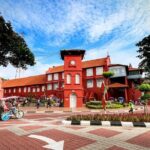
Finally, there’s Ipoh Town Hall and the Old Post Office, described as colonial-era buildings designed by British architect Arthur Benison Hubback. The information also notes that the other two colonial buildings in Ipoh—Ipoh High Court and Ipoh Railway Station—are by the same architect. That’s your cue to look for architectural logic: lines, proportions, and how these buildings signal a period of colonial administration.
These are short stops by design, so don’t expect deep museum-style time. You’re using them to connect the dots after you’ve spent most of the day underground.
Price and Value: Does $107 Make Sense?
At $107 per person for an about 12-hour private day, the value comes from what’s included. You get return hotel pickup/drop-off, an air-conditioned vehicle, and an English-speaking professional driver. You’re also getting temple admissions included for most stops, with Gua Tempurung being the clear exception.
So the math is less about whether you can “see things for cheap,” and more about what you’re buying: one day of transportation help and timing across multiple sites that would be harder to piece together on your own without losing time. And you get the comfort benefit of not worrying about driving between cave temples plus old-town photo stops.
It’s also worth noting the tour is often booked about 80 days in advance. That doesn’t guarantee anything about your date, but it does suggest demand. If you’re traveling in a busy period, booking earlier is a smart move.
Who This Tour Suits Best (And Who Might Feel Frustrated)
This tour is a strong match for you if you want a culture-focused Ipoh day without planning chaos. You like cave temples, you enjoy seeing multiple variants of a theme in one day, and you don’t want to spend your morning figuring out transport.
It’s also good if you travel solo or in a small group, because it’s private and only your group participates. The driver model seems built for support plus space—helpful, but not constantly taking over the day.
You might want to rethink if you hate long days or you’re very time-sensitive. The day packs several stops back-to-back, and timing matters when you’re crossing from caves to city streets. Also, if you expect every admission to be included, remember that Gua Tempurung is not included. Finally, if you prefer slow travel with lots of free time at just one place, this route’s structure may feel tight.
Practical Tips to Make the Day Easier
A few things will help you get the best day out of it:
- Budget for Gua Tempurung entry since it’s not included.
- Wear comfy shoes. Cave-temple areas and old-town streets both involve standing and walking.
- Bring a light layer. Caves can feel cooler than outside, and your car will be air-conditioned.
- Use your mobile ticket and keep it handy. It’s part of the experience for entry flow.
- Ask the driver about pacing early. The tour is built so you can set your own pace at stops rather than being forced through every corner.
If you want to maximize value, decide before you go which type of photos you care about most: statue/mural shots inside the caves, or street-and-architecture photos in old town. That choice will keep you from spending the last 15 minutes rushing because you tried to do everything.
Should You Book This Ipoh Caves, Heritage, and Temple Tour?
I’d book this tour if you want a structured but flexible day that covers Ipoh’s cave temple highlights plus a few heritage markers in town—without dealing with transport headaches. The private vehicle, hotel transfers, and English-speaking driver make the day feel manageable, even though it runs long. The temple lineup also gives you obvious visual anchors, like the 40-foot golden seated Buddha and the “oldest and main” Sam Poh Tong role.
I wouldn’t book it if you need lots of downtime, have zero patience for a 12-hour schedule, or if you dislike surprises around entry fees. In that case, you’d probably be happier with a slower, fewer-stop plan.
FAQ
How long is the Ipoh caves and heritage tour?
The tour is about 12 hours.
Are hotel pickup and drop-off included?
Yes. Return hotel transfers are included.
Is the Gua Tempurung admission ticket included?
No. The admission ticket for Gua Tempurung is not included.
Are tickets included for the other cave temples and sites?
Admission tickets are included for the other listed temple stops and old-town stops (with Gua Tempurung being the exception).
What kind of vehicle do you use?
You travel in an air-conditioned vehicle with an English-speaking professional driver.
Is this tour private or shared?
It’s private. Only your group participates.
Is food included?
Food and drinks are not included unless specified.
Can you cancel for a full refund?
You can cancel up to 24 hours in advance for a full refund.
FAQ
Is this tour customizable?
The itinerary can be customized to suit you, so you can see more of Ipoh if you like.