REVIEW · KUALA LUMPUR
Kuala Lumpur: Malaysian Cooking Class with Market Tour
Book on GetYourGuide →Operated by Lazat Cooking Class · Bookable on GetYourGuide
A market first, then you cook Malaysian classics. This Kuala Lumpur experience pairs a TTDI wet market walk with a hands-on class at LaZat Cooking, where herbs and spices from garden and local farms are part of the day’s story. You’ll also see how Malaysian home cooking starts long before the stove, with ingredient choices and technique that make flavor feel intentional, not accidental.
What I like most is that you’re not just watching—you make your own 3-course lunch, and the class stays friendly and small-group. There’s one practical caution: you’ll need to handle getting to the wet market on your own, since transport to TTDI isn’t included (the transfer is only from the market to the school after the tour).
In This Review
- Key things you’ll notice fast
- Why a TTDI Wet Market Start Changes Everything
- LaZat Cooking School: Tools, Stations, and the Teacher’s Role
- Your 3-Course Lunch Plan: Appetizer, Main, Dessert
- Beyond the Recipe: Ingredients, Techniques, and Malaysian Flavor Logic
- Timing, Group Size, and Getting There Without Headaches
- Price and Value: Is $149 Worth It?
- Who This Malaysian Cooking Class Is Best For
- Should You Book This Cooking Class?
- FAQ
- FAQ
- What time does the market tour start?
- Where do I meet the group for the market tour?
- Do I have to do the market tour to participate?
- How long is the experience?
- What will I cook during the class?
- What equipment is included for each participant?
- Are snacks and drinks included?
- Is alcohol included?
- Is transfer to the school included?
Key things you’ll notice fast
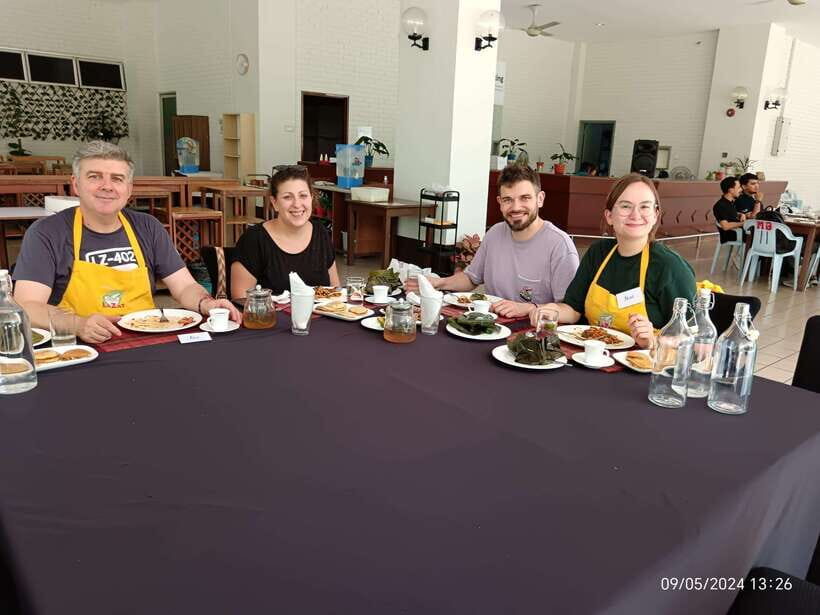
- TTDI wet market as your ingredient classroom: you learn what you’re actually about to cook
- Your own station with real tools: gas burner stove, countertop, utensils, traditional tools, and mortar & pestle
- Family-recipe focus: Founder Ana’s approach centers on love, care, and using fresh aromatics
- A different menu each day: the ethnic lineup changes, so the class can feel different on repeat visits
- Small-group, multi-language teaching: instruction runs in English, Malay, and Chinese
Why a TTDI Wet Market Start Changes Everything
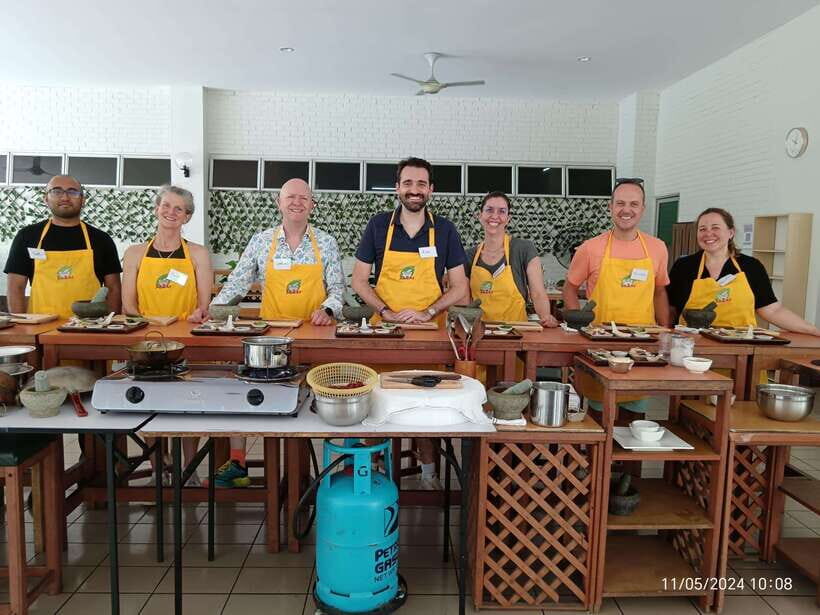
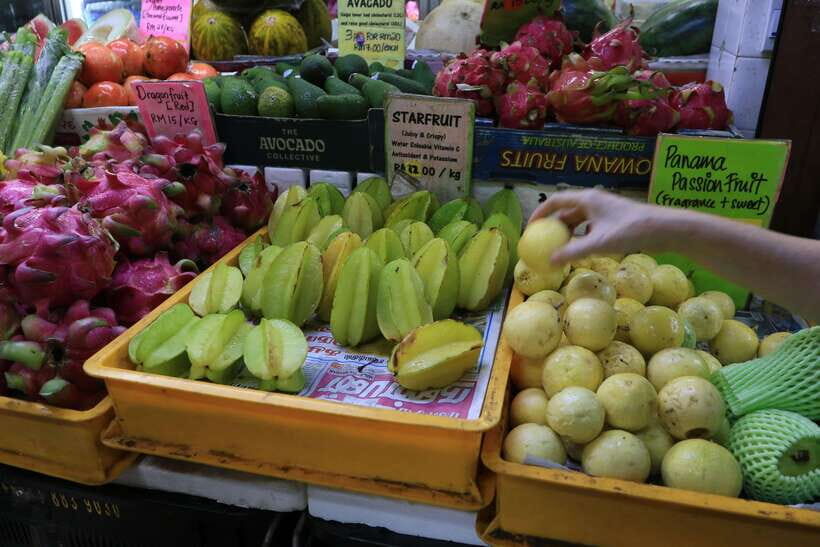
Most cooking classes start when you already have the ingredients. This one starts earlier, at TTDI Wet Market, so you understand the logic behind Malaysian flavors. You begin at 8:30 AM with a guide who points out fresh staples and cooking-focused ingredients—things you’d never spot if you only walked the market looking for souvenirs.
A practical benefit: after the market tour, you’re not guessing what something is. You’ve already seen it, learned how it’s commonly used, and you can connect the ingredient to the dish you’ll be making later. That makes the cooking part smoother, and it helps you recreate the food at home without needing guesswork or ten-minute Google binges.
Another thing I appreciate is the atmosphere. Wet markets move fast. You learn to shop like a cook: check freshness, notice texture, and pay attention to what’s being handled by the stall holders. The experience includes a rep meeting you at the entrance facing Jalan Wan Kadir, which helps you get your bearings quickly.
One more detail worth knowing: you can skip the market tour and join later. That’s ideal if you’re short on time or you’d rather start cooking sooner. It also means you can still benefit from the class even if mornings aren’t your best time.
You can also read our reviews of more shopping tours in Kuala Lumpur


LaZat Cooking School: Tools, Stations, and the Teacher’s Role
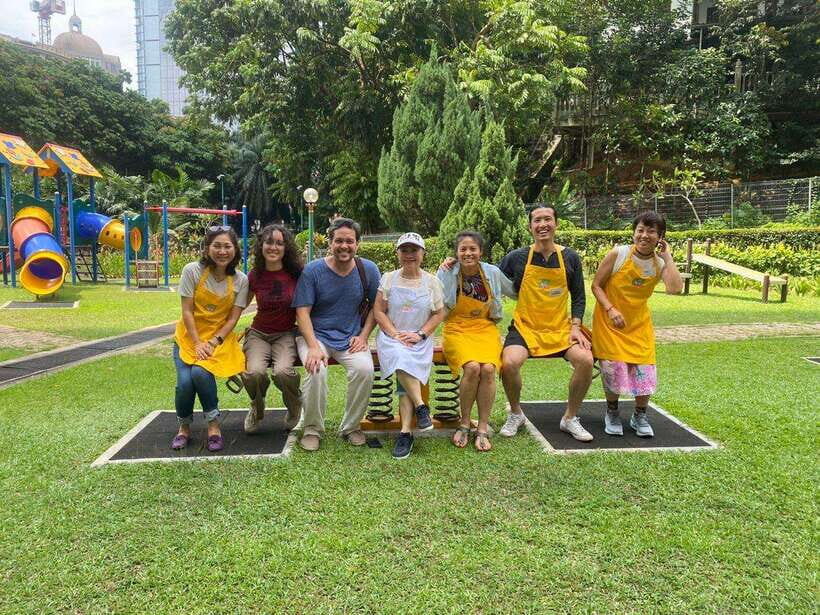
After the market, you’ll be transferred from the wet market to LaZat Cooking. Once you arrive, the setup supports active learning. Each participant gets an individual equipment set, including:
- a gas burner stove and countertop
- cooking utensils and traditional utensils
- mortar & pestle
That “your own station” format matters. You don’t have to wait your turn while someone else scrambles for tools. You get hands-on time with basic technique—chopping, pounding, mixing, and building flavors in the order that Malaysian cooking often expects.
The teaching style is built around practical care. The school’s approach is inspired by Founder Ana’s family recipe mindset and her motto about massaging your ingredients and filling them up with love. I like how that translates into something you can actually do: treat aromatics like they’re important (they are), don’t rush the stages, and understand that taste comes from process, not just the final mix.
Language support is another comfort point. The instructor can work in English, Malay, and Chinese. In practice, that means fewer “lost in translation” moments—especially when it comes to cooking steps, spice levels, and timing.
One of the best signs of a well-run class is safety without drama. The experience is designed to keep you cooking confidently, with hosts that focus on your enjoyment as well as your safety while you handle stoves and hot cooking.
Your 3-Course Lunch Plan: Appetizer, Main, Dessert
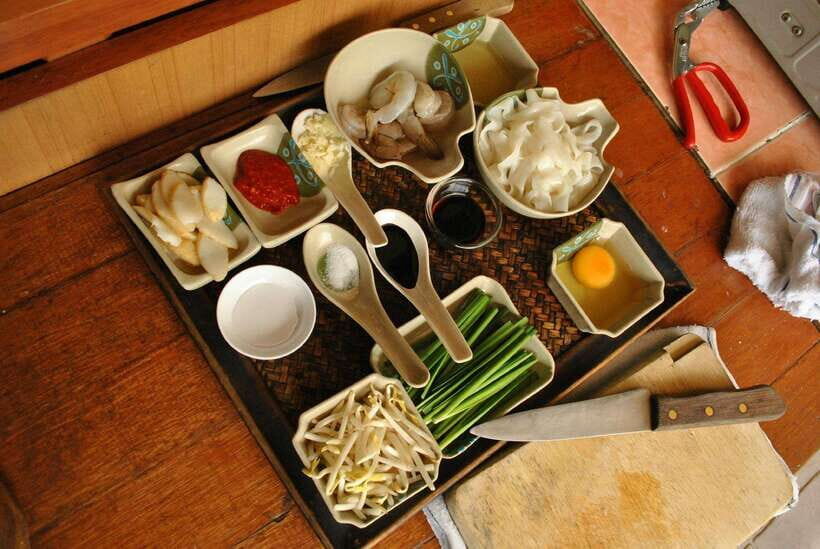
The core of the experience is a 3-course lunch, and the structure is straightforward:
1) an appetizer
2) a main course
3) a dessert
Each day features a different ethnic menu, so the specific dishes can vary. In other words: you’re learning a Malaysian cooking toolkit, not just one fixed recipe list. That’s a big advantage if you’re planning more than one food activity in Kuala Lumpur, or if you want variety instead of repeating the same “tourist sampler.”
When it comes to what you might cook, you should expect classic Malaysian flavors. I’ve seen the class highlight dishes like Nasi Lemak and Chicken Rendang, plus items like roti canai earlier in the day at the market. Even if your exact menu shifts, those examples show the range: fragrant rice and coconut notes on one side, deeper spice and slow-cooked richness on the other.
What you’ll appreciate on the day is the pacing. You’re not just making one dish. You’re moving from appetizer into a main that will likely use more intense spice work, then finishing with something sweet. That flow gives you a fuller picture of how Malaysian meals balance salt, spice, sour notes, and sweetness.
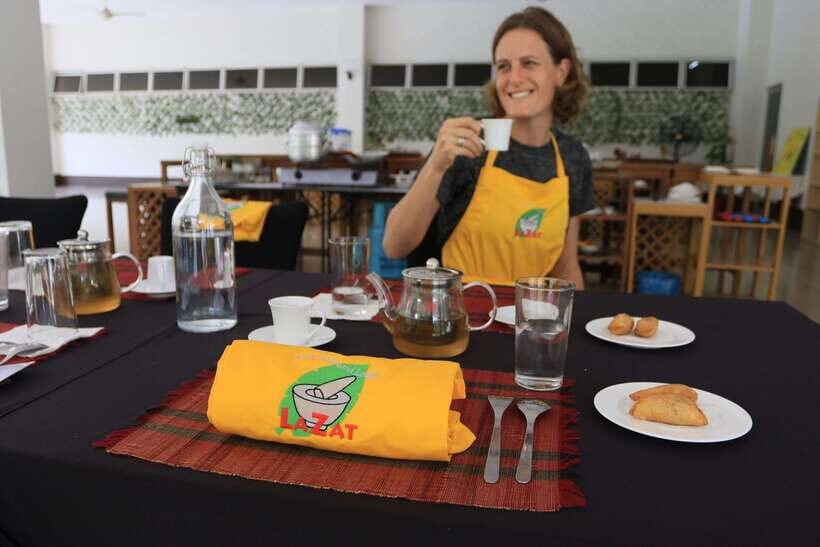
Also: the experience includes snacks, plus coffee and/or tea. Since it’s a midday meal you create yourself, it helps reduce the temptation to hunt down extra food before or after. You can stay focused on the class and still feel satisfied.
Beyond the Recipe: Ingredients, Techniques, and Malaysian Flavor Logic
Malaysian food is often described as spicy or bold, but the real secret is how ingredients are treated. This class helps you understand that “flavor” isn’t just adding chili. It’s the sequencing of aromatics, the texture of pastes, and how fresh herbs and spices release fragrance.
Here’s what I think you can carry home from a well-run session like this:
- Aromatics matter early: you learn the practical “build it in layers” habit, especially when a recipe uses a spice base.
- Pounding and grinding isn’t optional: when you use a mortar & pestle, you’re not just doing prep—you’re shaping how spices and herbs behave in cooking.
- Fresh ingredients change the result: the school uses herbs and spices sourced from a garden and local farms, so the experience is built around ingredient freshness, not shortcuts.
If you’re lucky and get a particular instructor, you may get extra value through storytelling and cultural context. I’ve heard strong praise for Saadiah, who often teaches on Saturdays. Her sessions apparently connect dishes to personal and cultural background, not just cooking steps. Even if you don’t get her, the best version of this class is the same idea: chef-to-student guidance plus a sense of why these dishes matter.
And yes, there’s room for different dietary needs. The class explicitly states they welcome participants regardless of dietary needs. You’ll still want to communicate what you need ahead of time when you book, so your appetizer, main, and dessert can work for you.
Timing, Group Size, and Getting There Without Headaches
The total duration is about 330 minutes (a little over five hours). That’s long enough to do the full market tour, cook properly, and eat what you make without feeling rushed.
Here’s the schedule shape to expect:
- Meet at TTDI Wet Market at the entrance facing Jalan Wan Kadir (because the day starts with the market tour).
- Market tour begins at 8:30 AM.
- After the market tour, you get a transfer from the wet market to LaZat Cooking School.
Then you spend the rest of the time cooking and eating your 3-course lunch.
Two timing tips that make the day easier:
- Go hungry: snacks are included, but you’re making lunch from scratch, so appetite matters.
- Plan your own way to the market: transport to TTDI isn’t included, so build time for a grab/taxi/subway route depending on where you’re staying.
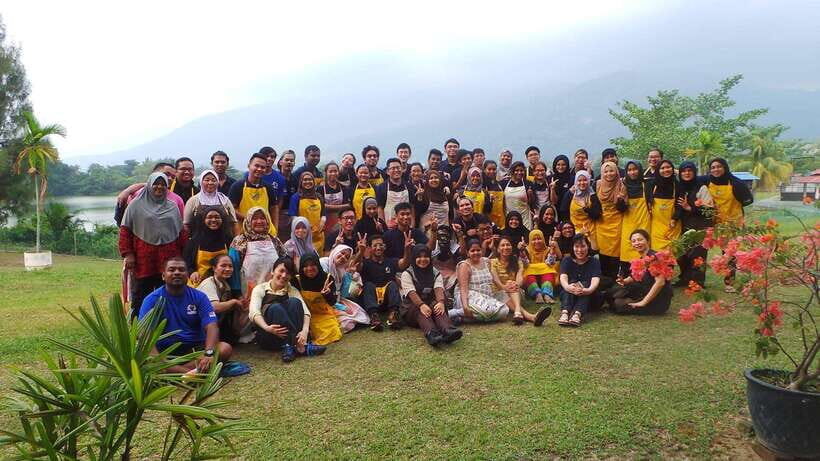
Group size is described as small, which you’ll feel in the flow. Small groups are where you actually get help—quick corrections, extra guidance, and more time asking questions rather than waiting your turn.
Also note the class is led by instructors who can work in multiple languages (English, Malay, Chinese). That’s useful when you’re trying to understand the why behind a step, not only the how.
A few more Kuala Lumpur tours and experiences worth a look



Price and Value: Is $149 Worth It?
At $149 per person for about 330 minutes, you’re paying for a lot more than a recipe card. You’re paying for:
- market time that teaches ingredient recognition
- a hands-on class with individual equipment
- multiple courses you actually eat
- snacks, and coffee and/or tea
- transfer from the wet market to the school after the tour
In Kuala Lumpur, you can find cheaper cooking experiences. But cheaper often means shared stations, more watching, fewer hands-on steps, or a session that ends before you feel like you learned the method.
Here, the value is in the structure. You start with ingredients (so cooking makes sense), you cook at your own station (so you practice technique), and you eat the result (so you get closure and satisfaction). Add that the menu changes by day, and the class can feel like a repeatable experience rather than one-time entertainment.
One caution on value: you still need to cover your own transport to TTDI Wet Market. If you’re staying far from TTDI, that could add cost and time. For me, the class is worth it when you treat it as a key “food day” activity rather than a quick add-on between sights.
Who This Malaysian Cooking Class Is Best For
This class is a great fit if you want more from Kuala Lumpur food than just eating it. It suits:
- Food lovers who want technique, not just taste
- People who learn best by doing (stoves, pastes, and pacing matter here)
- Small-group travelers who prefer conversation and guidance
- Visitors staying in KL for a short time who want one organized plan that covers market + cooking + meal
It’s also a good option if you’re into cultural context. When instructors like Saadiah teach, the class can connect food with personal and cultural stories—so the meal becomes more than a plate in front of you.
If you’re the type who gets overwhelmed in markets, you can still participate by skipping the market tour and joining later. That keeps the class flexible without cutting the heart out of the experience.
Should You Book This Cooking Class?
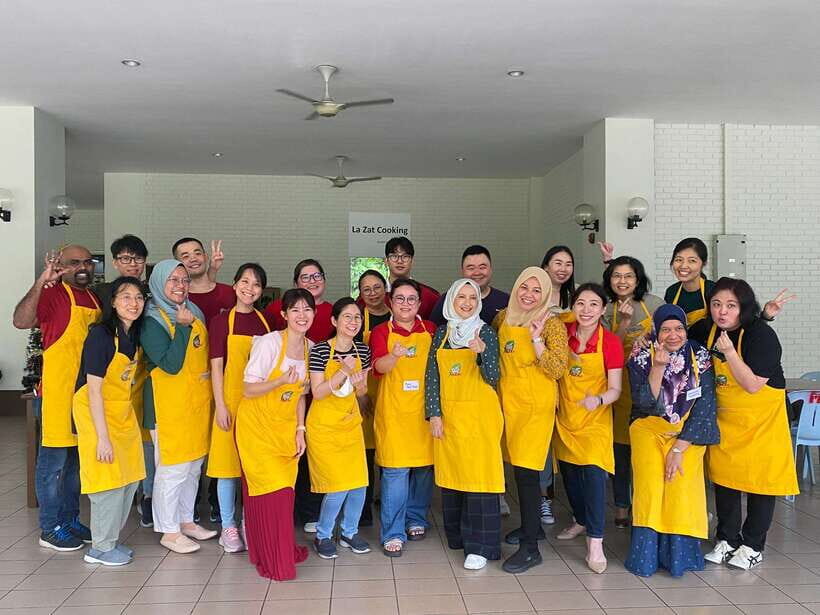
Yes, I’d book it if you want a hands-on Malaysian cooking day that connects ingredients to outcomes. The biggest reasons are practical: you get a market tour that actually teaches, you cook with an individual station and proper tools like the mortar & pestle, and you leave with a full lunch you made yourself.
I’d think twice only if:
- getting to TTDI Wet Market on your own is a hassle for you, or
- you’re expecting an ultra-long, sightseeing-heavy day rather than a food-focused workshop.
FAQ
FAQ
What time does the market tour start?
The market tour starts at 8:30 AM.
Where do I meet the group for the market tour?
You meet at TTDI Wet Market. A representative will be at the entrance facing Jalan Wan Kadir.
Do I have to do the market tour to participate?
No. You can skip the market tour and join later for the cooking class.
How long is the experience?
The duration is 330 minutes.
What will I cook during the class?
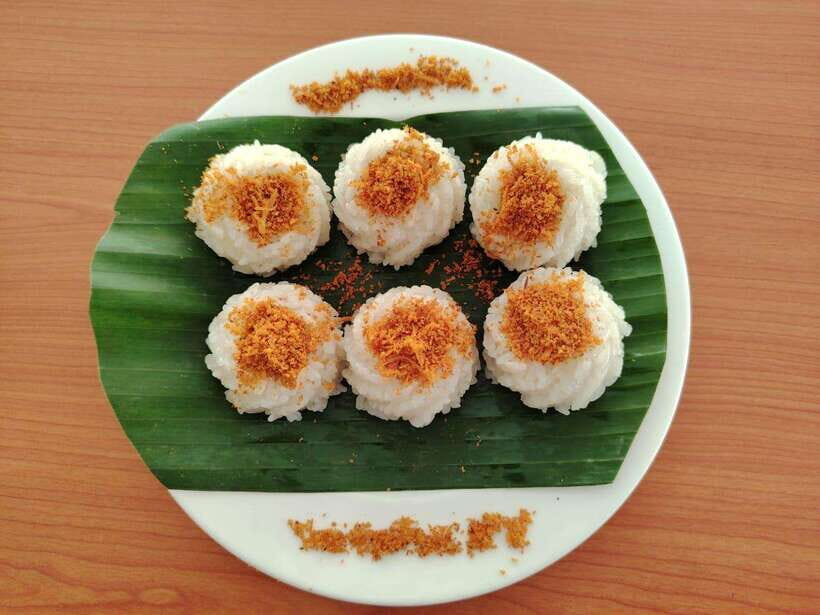
You’ll prepare a 3-course lunch: an appetizer, a main course, and a dessert. The menu changes daily.
What equipment is included for each participant?
Each participant gets individual equipment, including a gas burner stove, countertop, cooking utensils, traditional utensils, and a mortar & pestle.
Are snacks and drinks included?
Yes. Snacks are included, along with coffee and/or tea.
Is alcohol included?
No. Alcoholic beverages are not included.
Is transfer to the school included?
A transfer from the wet market to LaZat Cooking School is included after the market tour, but transport to the wet market and transport after the class are not included.