REVIEW · KUALA LUMPUR
Kuala Lumpur: Street Market Exploration & Shopping Tour
Book on GetYourGuide →Operated by Travelvago · Bookable on GetYourGuide
KL markets hit your eyes fast. This is a practical street-market tour that strings together Little India and Central Market so you get real variety without bouncing around all day. I like the way the best guides (like Sathesh, Kimber, Vera, and Raj) stay tuned to what you want, even adjusting the route when it makes sense. The one drawback to plan for: four hours goes quickly if you want to bargain deeply at every stall and eat everything you see.
You’ll ride in an air-conditioned vehicle, then walk through colorful blocks where the point is to browse, compare, and snack your way through neighborhoods. Bring a shopping mindset, not just a sightseeing one, because you’re moving between markets for photos, shopping, and a few tastings along the way.
If you’re the type who likes to come home with useful souvenirs, this tour is a strong fit. If you’re allergic to crowds or hate bargaining, you might find Chinatown and Masjid India a little intense.
In This Review
- Key highlights worth your attention
- First ride, fast orientation, and a market game plan
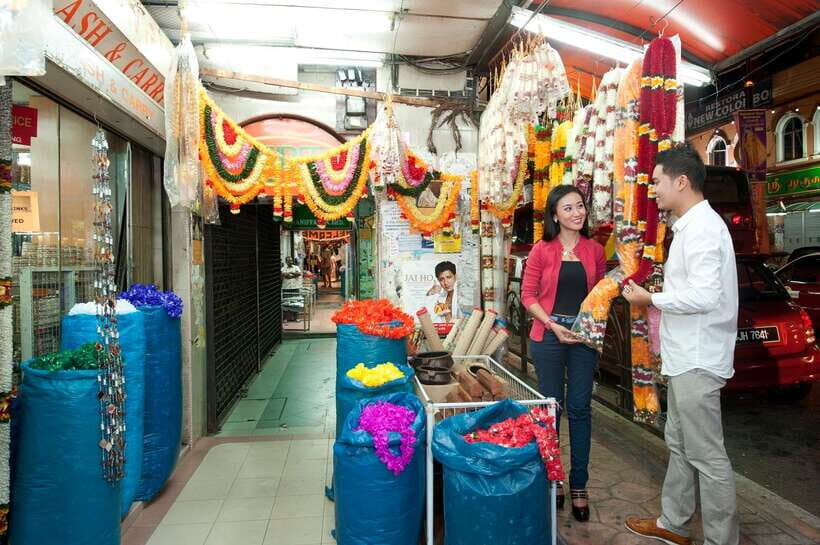
- Brickfields (Little India): sarees, spices, and that first hit of color
- Central Market: an Art Deco landmark built for stalls and breaks
- Chinatown: the bargaining lesson, plus real snack options
- Masjid India on Jalan Masjid India: the souvenir and dress zone
- Crawford County: another focused shopping window for photos and browsing
- Price and value: does $31 make sense for four hours?
- How to shop smart: bargaining, budgets, and what to buy where
- Who this Kuala Lumpur market tour is best for
- Should you book this tour?
- FAQ
- How long is the Kuala Lumpur street market exploration tour?
- What stops does the tour include?
- Is hotel pickup and drop-off included?
- Do I need to pay for food during the tour?
- Is the guide available in English?
- Is this tour private?
- Is the tour wheelchair accessible?
- What if I need to cancel?
Key highlights worth your attention
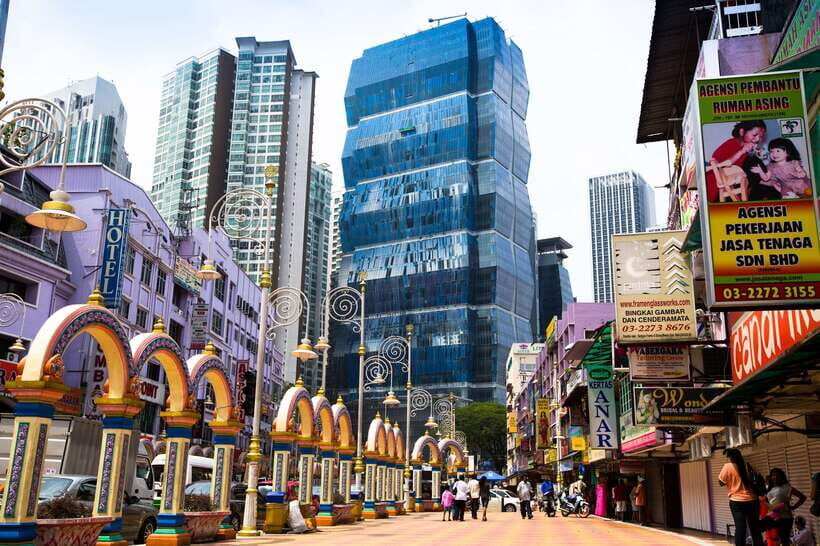
- Little India color and texture in Brickfields, including shopping for sarees, dresses, and Indian spices
- Central Market’s heritage look, with its Art Deco landmark feel and a market layout built around classic stalls
- Chinatown bargaining culture, plus straightforward local snack choices like Hokkien mee and asam laksa
- Masjid India for mixed-style shopping, where you can find Malaysian, Indian, and Chinese dress and souvenirs
- Guides who manage the day well, with examples like Kimber adding extra sights such as a Chinese temple when time allows
First ride, fast orientation, and a market game plan
This tour is built for one thing: getting you around Kuala Lumpur’s shopping streets without wasting your limited time figuring out where to go next. You start with hotel pickup, then settle into the ride between stops, which matters because KL traffic can easily eat your day.
Once you’re on foot, you’re not stuck in a single store or trapped in a rigid shopping route. You’ll have time for photos, walking, and browsing, and your guide helps keep the order logical so you can actually see the different market styles instead of repeating the same vibe.
A good part of the value here is the balance between structure and flexibility. You’ll cover major areas like Brickfields (Little India), Central Market, Chinatown, Masjid India (Jalan Masjid India), and also a stop at Crawford County. The tour is short enough to feel efficient, but long enough that your shopping comparisons start to make sense.
You can also read our reviews of more shopping tours in Kuala Lumpur

Brickfields (Little India): sarees, spices, and that first hit of color
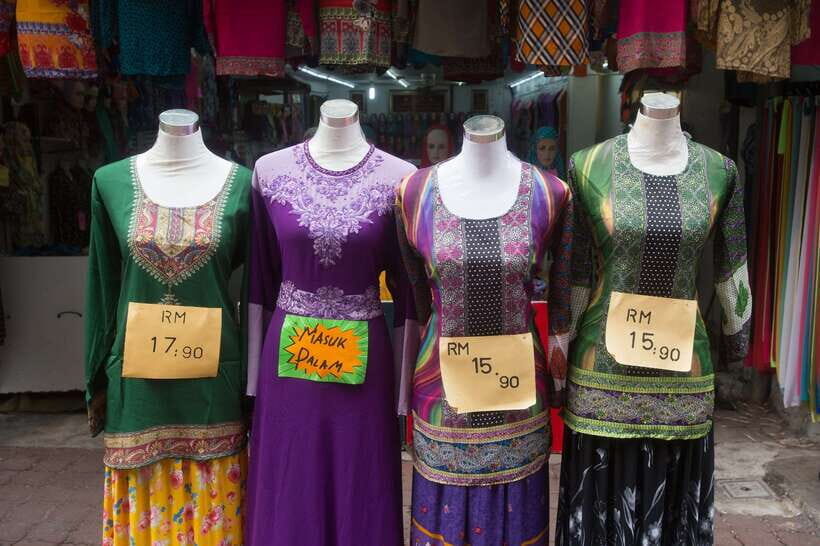
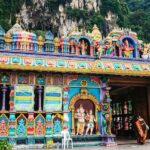
Brickfields is the place to feel the Indian side of Kuala Lumpur right away. It’s a neighborhood with a strong Indian resident and business presence, so the streets look and smell different from the city center. This is where you’ll likely start (it can be your first stop), and it sets the tone for the rest of the day.
What I like about this stop is how shopping is tied to everyday life. You’re not just passing storefronts—you’ll be in the zone where people buy clothing and ingredients they actually use. It’s a smart chance to shop for items that are hard to find in more generic tourist areas, especially Indian sarees and dresses.
You can also pick up local Indian spices, which is one of those “small souvenir, big payoff” ideas. Compared with heavier goods, spices pack easily and remind you of specific flavors rather than just showing a logo. Just make sure you’re buying from places where the packaging and labeling look reliable, especially if you’re bringing things home through airports.
One practical consideration: Brickfields can be busy, and you’ll be walking while you browse. If you want to slow down for photos, build in extra time in your head, because the clothing stalls and spice counters naturally pull you in.
Central Market: an Art Deco landmark built for stalls and breaks
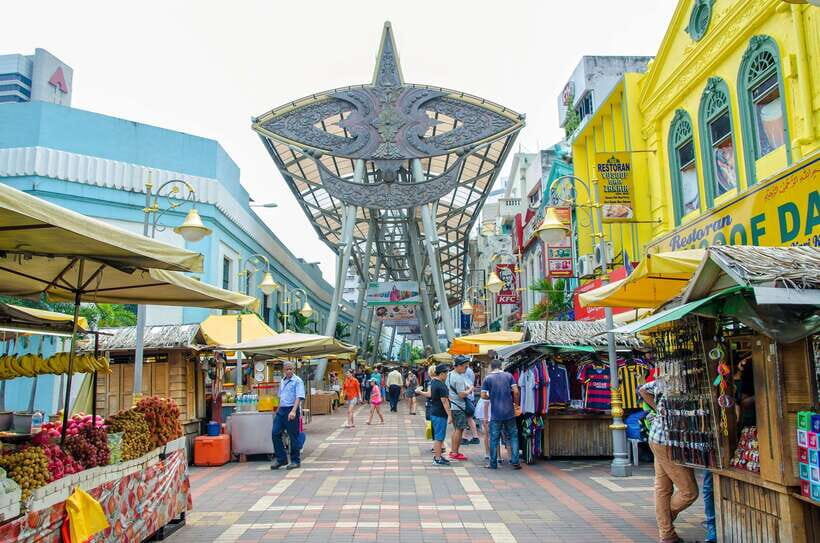
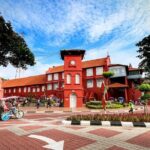
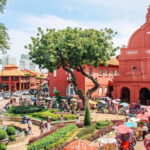
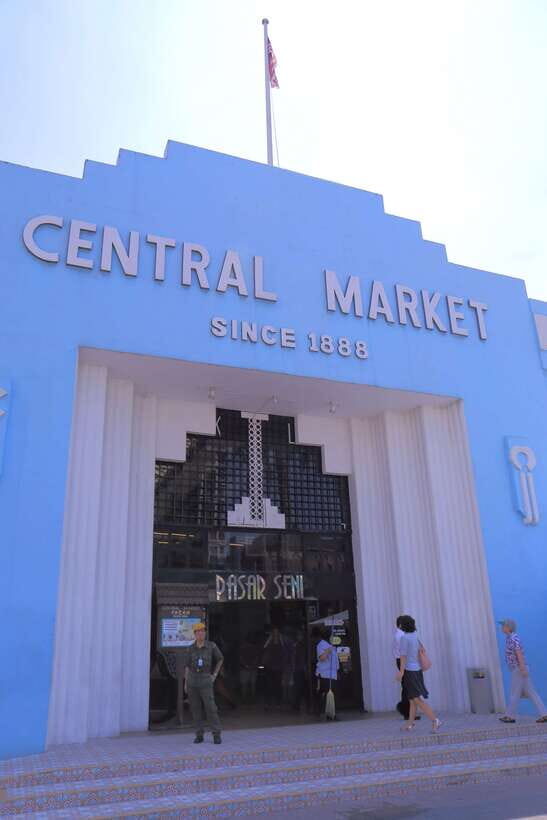
Central Market is the kind of stop that makes the whole day feel grounded. The building is a heritage landmark—founded in 1888 as a wet market, with the Art Deco-style structure completed in 1937. Even if you don’t care about architecture, the layout helps you shop efficiently because it’s set up like a traditional market with stalls.
This is also where the tour gives you variety beyond street-level browsing. You’ll have a dedicated window for sightseeing and shopping, and the second floor includes a food court if you want a calmer break from the sidewalks. When your legs start complaining, this is usually the easiest place to refuel without giving up momentum.
Another detail that’s genuinely useful: the market layout includes building styles resembling Kampong-style houses, and it’s arranged to reflect the idea of different ethnic communities living together in Kuala Lumpur. That’s not just decoration—it helps you see why Central Market feels like a cultural marketplace rather than a single-theme souvenir hall.
If you’re hunting handicrafts, gifts for loved ones, or small decor items, Central Market is a strong move. It’s also a decent place to compare prices you saw earlier in the day, especially if you’re planning to bargain.
The drawback is time. Central Market can tempt you to keep browsing because everything is “shop-able.” If you’re on a tight schedule, decide what categories you want here (handicrafts, souvenirs, gifts), then stick to them.
Chinatown: the bargaining lesson, plus real snack options
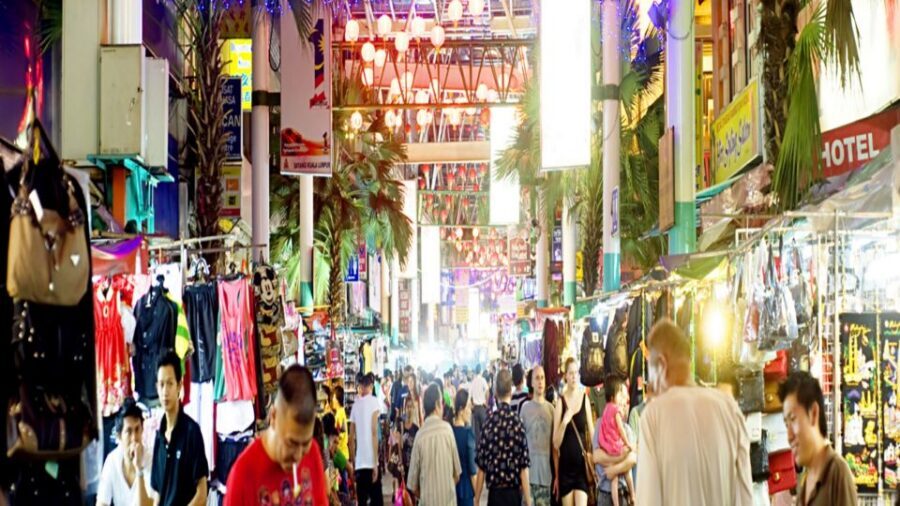
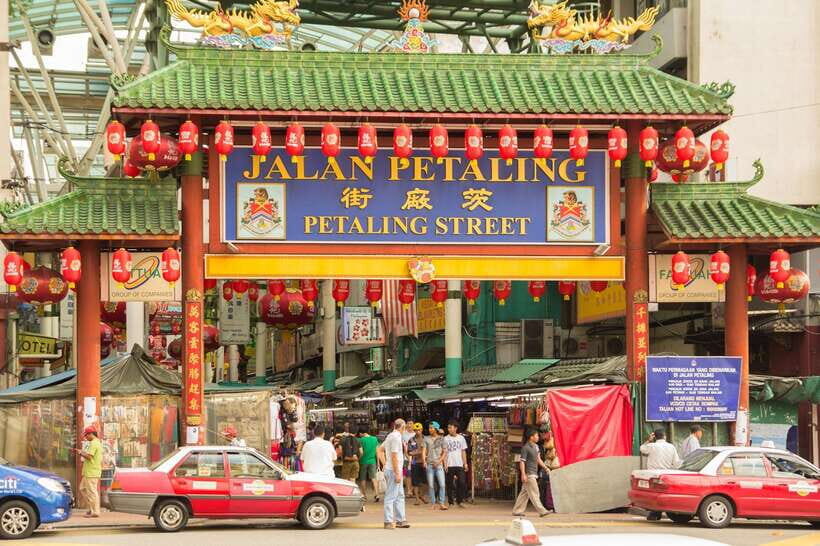
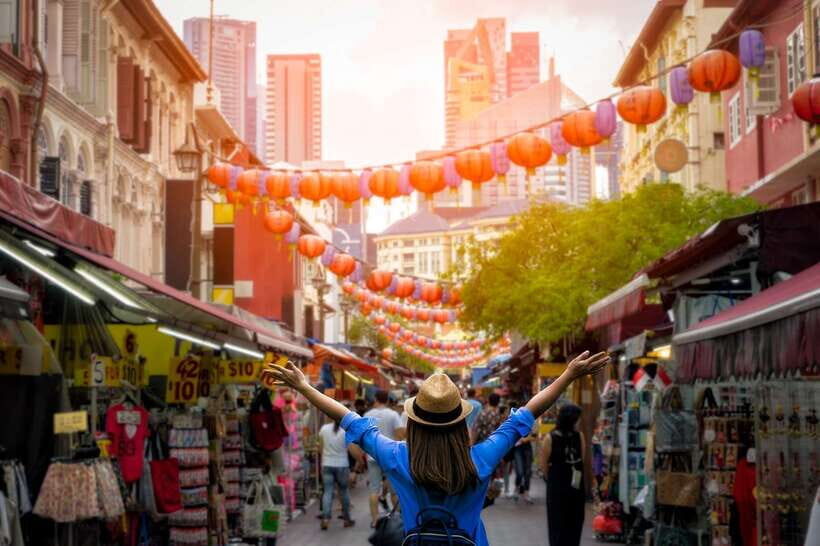
Chinatown in Kuala Lumpur is the shopping stop that tests your bargaining nerves—in a good way. Haggling is common, and the area is usually crowded with both locals and tourists, which means you’ll see a lot of different shop styles and price points in a relatively small area.
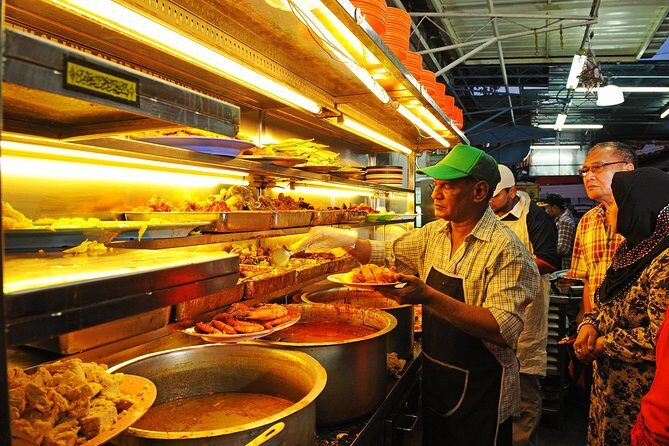
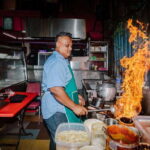
I like Chinatown here because it’s not just about buying. It’s also about eating and people-watching while you compare products. The street-food lineup is the reason many people enjoy this part of the day: you’ll find items like Hokkien mee, ikan bakar (barbecued fish), asam laksa, and curry noodles.
One important reality check: the tour includes food tasting time, but food and beverages are not included in the price. So if you want to try snacks, treat it as pay-as-you-go. The advantage is you can choose what you’re comfortable with and skip the things that don’t look appealing to you.
If crowds aren’t your thing, keep your expectations realistic. You can still enjoy Chinatown, but you’ll want to move with purpose: quick glances, compare, and bargain with a calm rhythm rather than getting stuck negotiating every item you see.
Masjid India on Jalan Masjid India: the souvenir and dress zone
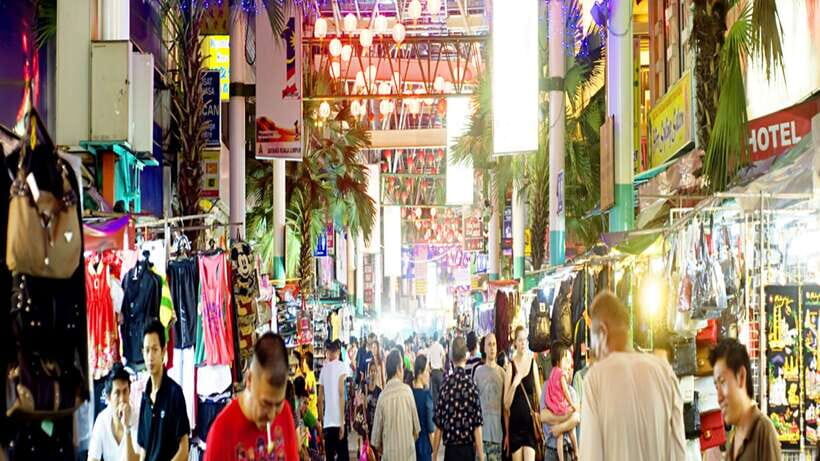
Masjid India is where shopping becomes extra specific. This is your last main shopping destination, and it’s known for a wide mix of items—Malaysia, Indian, and Chinese dress styles, plus souvenirs and plenty of small goods you can take home.
I like this stop because it gives you the “finish strong” shopping chance. By now, you’ve seen what’s available across other markets, so you can decide what you really want to buy rather than buying on impulse. If you’re hunting for outfits or gift items that feel more locally rooted, this is often where the best variety shows up.
There’s also food tasting time here. Again, you’ll pay for what you eat, but it’s a convenient place to end the tour by trying a few small bites instead of committing to a full meal.
One consideration: because it’s a shopping-heavy area, you’ll want to keep your belongings secure and your shopping strategy simple. For example, if you plan to buy clothing, check size and return options (if offered), and if you’re buying souvenirs, keep an eye on fragile items.
A few more Kuala Lumpur tours and experiences worth a look

Crawford County: another focused shopping window for photos and browsing
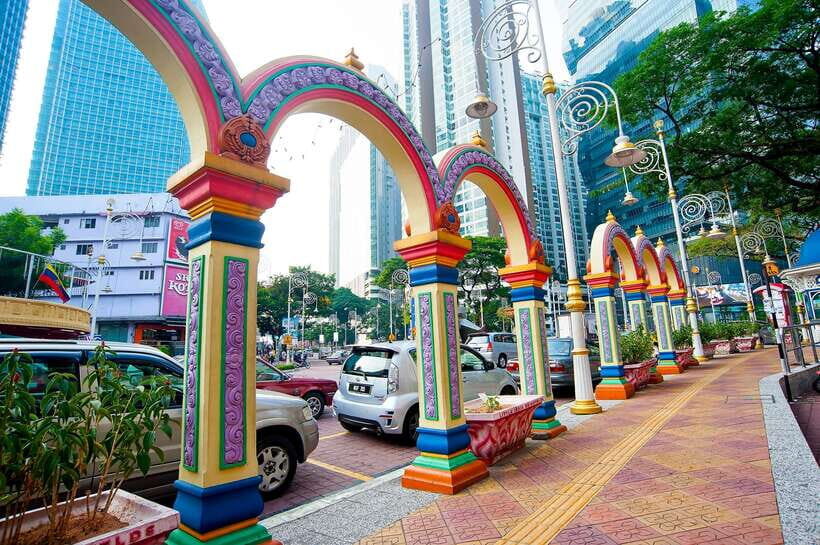
You’ll also stop at Crawford County for another chunk of time to browse and take photos. The tour keeps it structured here—enough time to walk, shop, and reset your energy without turning the day into an all-day mission.
Even without a deep “sightseeing lecture,” this kind of stop is useful because it adds variety. It also gives you a second chance to find something you missed earlier. If you’re shopping with friends or family, it can work well as a meeting point where everyone has a similar timeline and nobody feels left behind.
The main practical move is to treat this as your flexibility zone. If you found something great in Chinatown but didn’t buy it, Crawford County might be the place to decide. If you already finished shopping, use the time for photos, a short rest, and a quick snack pass if that fits your priorities.
Price and value: does $31 make sense for four hours?
At about $31 per person for a 4-hour private group with hotel pickup and drop-off (within Kuala Lumpur) plus an English-speaking driver/guide, the value comes from three things:
First, you’re paying for time saved. Instead of figuring out transport and route order between multiple market areas, you get a ready-made flow: Little India, Central Market, Chinatown, and Masjid India, with Crawford County added in.
Second, you’re paying for guidance during the hard parts: knowing where the best shopping streets are, how to move through crowded areas, and how to make your browsing time feel organized instead of chaotic. The strongest part of this tour is the people element—guides like Sathesh and Vera have been praised for being attentive and professional, while Raj has been noted for keeping communication tight.
Third, you’re paying for comfort between stops. The air-conditioned vehicle is a small line item in the description, but on a hot day it matters more than you think.
What’s not included helps clarify the math. Food and beverages aren’t part of the price, and personal shopping is, obviously, on you. So if you plan to eat multiple snacks or buy more items than you expect, budget a bit extra. If you’re smart about it—pick a few snack tastings and buy one or two categories of souvenirs—this tour can feel very efficient for the cost.
How to shop smart: bargaining, budgets, and what to buy where
This is the kind of tour where a little strategy pays off fast. Here’s how I’d plan it so you don’t feel overwhelmed.
Start with categories. For example:
- Brickfields for sarees/dresses and Indian spices
- Central Market for handicrafts and gift souvenirs
- Chinatown for bargain-friendly items and street browsing
- Masjid India for mixed dress styles and final souvenir picks
Then set a budget before you get hungry. Food stalls make everything more tempting. And since food isn’t included, you’ll want to decide what you’ll try rather than drifting into spending.
Bargaining: treat it like a conversation, not a battle. In Chinatown, haggling is part of the culture, so if you don’t enjoy negotiating, consider buying only smaller items there. For bigger purchases like clothing, take your time and compare before you commit.
Also keep your purchases practical for travel. If you’re bringing gifts home, choose items that pack easily. Spices and small crafts are generally easier to manage than fragile decor or very bulky clothing.
Who this Kuala Lumpur market tour is best for
This tour fits you best if you want a guided, efficient way to see multiple shopping neighborhoods in a single morning/afternoon block. It’s also ideal if you like variety: Indian street life, Art Deco market charm, Chinatown’s bargaining energy, and Masjid India’s dress-and-souvenir focus.
It’s less ideal if you:
- hate crowds and loud street energy
- want a super slow shopping day with long meals
- plan to ignore the guide entirely and just wander for hours
The private group angle helps here. You’re not competing with strangers for attention, and your guide can adjust pacing if you’re a faster browser or if you want more photo stops.
Should you book this tour?
Book it if you want a time-efficient Kuala Lumpur street market overview with smart guidance and solid shopping stops. This is especially worth it if you care about picking up unique souvenirs—handicrafts from Central Market, spices from Brickfields, bargain finds in Chinatown, and final dress and gift shopping at Masjid India.
Skip it or consider a longer, more food-focused option if you know you want lots of time for heavy haggling or you’re expecting the price to cover meals. In a short tour, you’ll still taste and browse—but you’ll pay for what you eat and whatever you buy.
If you want a great day, aim for a mindset of: compare first, buy second. With the right guide—like Sathesh, Kimber, Vera, or Raj—this kind of market tour becomes less stressful and more fun, because you’re guided through the chaos instead of trapped inside it.
FAQ
How long is the Kuala Lumpur street market exploration tour?
It runs for 4 hours.
What stops does the tour include?
You’ll visit areas including Chinatown, Central Market, Jalan Masjid India (Masjid India), and also make stops such as Brickfields (Little India) and Crawford County.
Is hotel pickup and drop-off included?
Yes. Pickup and drop-off are included from your hotel within Kuala Lumpur.
Do I need to pay for food during the tour?
Food and beverages are not included, even though there is time for food tasting and snack opportunities.
Is the guide available in English?
Yes. The driver/guide is English-speaking.
Is this tour private?
Yes, it’s a private group.
Is the tour wheelchair accessible?
Yes, it’s wheelchair accessible.
What if I need to cancel?
You can cancel up to 24 hours in advance for a full refund.