REVIEW · KUALA LUMPUR
Kuala Lumpur Walk, Eat & See Tour
Book on Viator →Operated by Funtastic Asia · Bookable on Viator
Food, street art, and old KL in one loop. This guided Kuala Lumpur Walk, Eat & See Tour strings together Malay, Indian, and Chinese neighborhoods plus major heritage landmarks, so you get more than just pictures. You’ll also end in the energy of Chinatown, after moving through places like Brickfields, Kampung Baru, and the Central Market area.
I especially like how the food part is built into the walk, with snacks included while you’re seeing real local scenes at markets and heritage streets. I also like the human factor: the guide Charles (fluent in English) stays friendly and humorous, answers lots of questions, and keeps the pace moving so you’re not stuck watching everyone else eat.
One consideration: this is a walking route across multiple districts, and the tour runs only in good weather, so pack good shoes and be ready for time outdoors.
In This Review
- Key things that make this tour worth your time
- Kuala Lumpur by foot: what you actually get out of this walk
- Where you start (Nu Sentral) and where you end (Petaling Street)
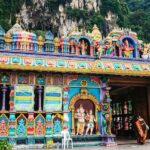
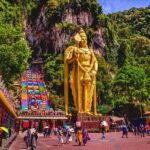
- Brickfields Little India: old brick religious sites and first bites
- Chow Kit market: early KL development that still feels alive
- Kampung Baru: Malay roots and a slower look at settlement life
- Central Market and the Masjid Jamek area: heritage landmarks on your way
- Petaling Street Market: the fake-market idea, plus street art back alleys
- Food samples and snacks: getting value without overstuffing
- Charles and the guide style: fluent, friendly, and question-friendly
- Pace, group size, and what to wear
- Who should book this Kuala Lumpur walk-and-eat tour
- Should you book it or skip it?
- FAQ
- How much does the Kuala Lumpur Walk, Eat & See Tour cost?
- How long is the tour?
- What’s included in the tour price?
- Are alcoholic beverages included?
- Where do I meet the tour, and where does it end?
- How many people are in the group?
- When will I get confirmation after booking?
- Can I cancel for a full refund?
- What happens if the weather is poor?
Key things that make this tour worth your time
- Small group size (max 12) means more attention and easier conversations as you walk.
- Snacks plus train tickets included, so you spend less energy figuring logistics mid-tour.
- Stops in four distinct KL identities: Little India (Brickfields), Chow Kit, Kampung Baru, and Chinatown.
- Central Market + the Masjid Jamek area lets you connect landmarks with what’s happening nearby.
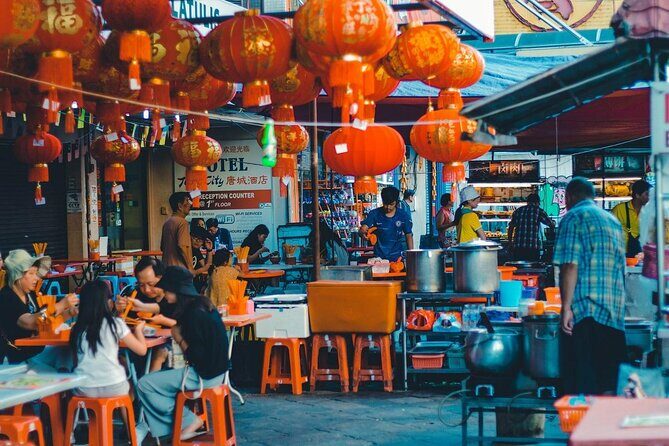
- Petaling Street’s side streets focus on street art and back alleys, not just the main “shopping strip.”
Kuala Lumpur by foot: what you actually get out of this walk
This tour is the kind of KL experience that helps you understand the city fast. Instead of doing one big landmark, it stitches together neighborhoods you can feel in the streets: food stalls, old religious sites, Malay village life, and Chinese-market lanes that have changed over time.
The format is simple. You start at Nu Sentral and finish around Petaling Street Market in the city center. Along the way, the guide connects what you see with what you taste, so the food stops feel like a clue to local life, not just a snack break.
It also comes with a practical rhythm. Duration is listed as 1 to 5 hours (approx.), which is a wide range, but that flexibility is useful in a city where crowds, markets, and meal timing can shift. If you want a slower, more question-heavy pace, this kind of tour structure usually supports it.
You can also read our reviews of more walking tours in Kuala Lumpur


Where you start (Nu Sentral) and where you end (Petaling Street)
The meeting point is Nu Sentral, right at the Kuala Lumpur Sentral area. That matters because KL Sentral is one of the easiest hubs to reach by public transport, which keeps your day from starting with stress.
The ending point is Petaling Street Market at Jalan Petaling in the city center. You finish in a place where you can keep wandering on your own afterward, whether you’re looking for more street food, casual cafes, or just a final walk through the older downtown streets.
You should also know what’s included: train tickets are part of the package. Even if you’re familiar with using transit, that takes one planning step out of the day.
Brickfields Little India: old brick religious sites and first bites
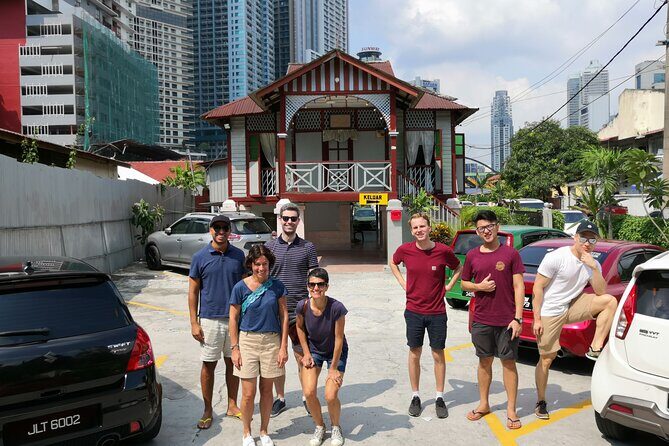
Your first stop is Little India in Brickfields. The idea here is to get your bearings in KL’s Indian community while you’re surrounded by old-style streets and religious landmarks.
This is also where the food sampling begins. You’ll sample a few food bites tied to what’s famous for the area, and you’ll visit older religious sites nearby. That combination works well because it grounds the flavors in the neighborhood itself—what you eat feels linked to daily life, not random tourist plates.
A small but useful detail: the stop is marked with free admission, so you’re not paying extra just to walk through the area and take in the atmosphere.
Practical tip for this part: go in hungry, but don’t force it. Markets can move fast, and this is the start of the walk, so you’ll want enough room for later snacks too.
Chow Kit market: early KL development that still feels alive
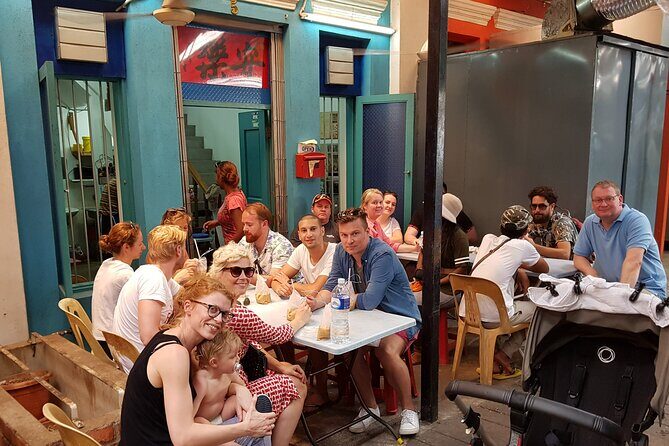
Next comes Chow Kit, described as part of KL’s early development. This stop is less about a single landmark and more about exploring the market and the street scene around it.
Why it’s valuable: Chow Kit gives you a look at KL as a working city. Markets here are where you see regular errands, everyday shoppers, and the rhythms of commerce—exactly the stuff you usually miss when you only visit “top sights.”
You’ll walk through the market area and get a feel for what locals do day to day. This part is often where you start noticing small patterns—how people move through stalls, what gets purchased quickly, and how food and daily life are connected.
Also, this section keeps the tour varied. After Brickfields, switching to a market zone like Chow Kit helps you avoid the common “same-feel” problem where every stop is just another photo stop.
Kampung Baru: Malay roots and a slower look at settlement life
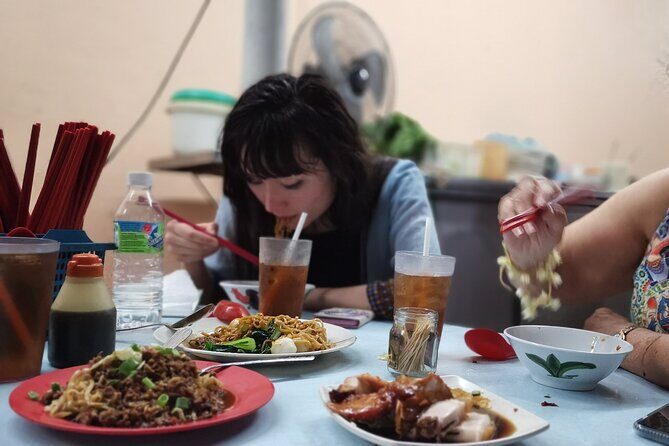
Then you head to Kampung Baru, described as the very first Malay settlement. The tour’s focus here is on how locals lived back in time, with the chance to see the area’s character as a historical Malay village settlement.
This stop is about context. When you pair it with food later and earlier stops in Indian and Chinese districts, Kampung Baru helps you understand KL as a city shaped by multiple communities over time.
This stop is listed as 30 minutes and marked with free admission. That timing is useful because it lets you slow down a bit without turning the day into a long museum-style outing. You still get walking, but this is the more reflective break in the route.
Practical tip: dress for shade where possible and take your time with side streets. The value here is noticing details—how the neighborhood feels and how the settlement layout shapes the street experience.
A few more Kuala Lumpur tours and experiences worth a look



Central Market and the Masjid Jamek area: heritage landmarks on your way
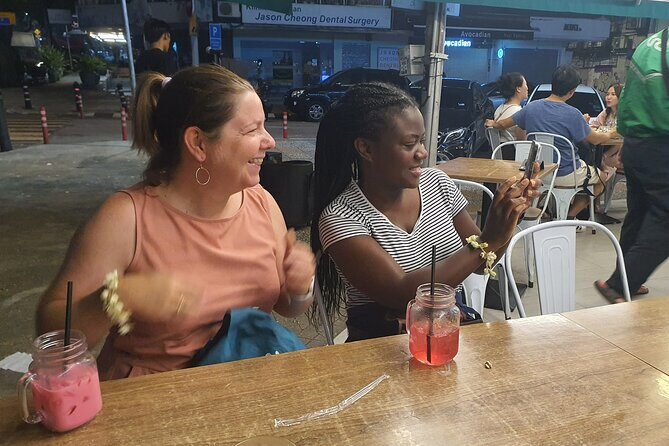
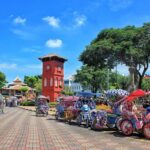
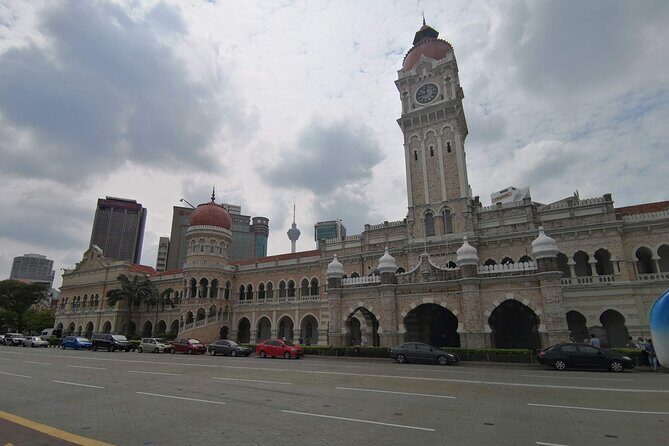
Next is the Central Market Kuala Lumpur area, plus the older heritage stretch around it. You’ll stroll through the Central Market zone, and the tour also points you toward a set of major landmarks, including Masjid Jamek and Merdeka Square.
One interesting element is the mention of the River of Life project. That helps you connect the city’s “look” to what’s been planned and restored in the downtown core. You’re not just seeing buildings; you’re seeing how KL tries to shape its riverfront and central areas into something walkable and public-facing.
There’s also a contrast built into this part. Central Market can feel tourist-friendly at first glance, but the tour route emphasizes an alleyway of painters and history. That’s the sweet spot for photos and conversation—where you can meet the visual culture happening just off the main flow.
And again, admission is marked free for this part of the visit. The tour time is short on the Central Market crossing itself, so you’ll want to pay attention quickly and ask Charles questions as you pass.
Petaling Street Market: the fake-market idea, plus street art back alleys

Finally, you arrive at Petaling Street Market, often known for Chinatown shopping. The tour frames this as the fake market, with an emphasis on walking through the area and then turning toward the surrounding back lanes.
This is where the tour gets more “street” than “shopping.” The description includes a note about the revamp of red light lanes transforming into places with little cafes, bars, and hidden back alley street art and murals.
Why I think this ending works: it gives you closure with a sense of change. Instead of ending at another major monument, you end in a downtown zone where history, commerce, and street art all overlap. You’ll get something more memorable than a standard shopping stop.
This portion is listed as about 10 minutes. That’s not long, so focus on walking with intention: look down the alleys, watch for murals on side walls, and keep your eyes open for the visual storytelling.
As a last practical note: this is where you’ll likely want a little energy left for yourself. If you start the day with your schedule too tight, leaving this area as your finish can make it harder to plan the next thing.
Food samples and snacks: getting value without overstuffing
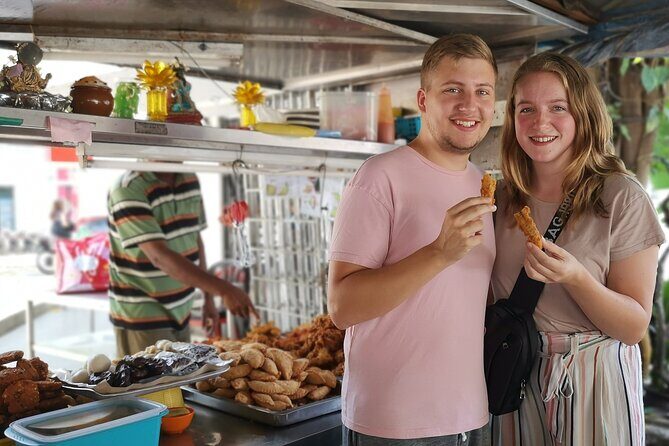
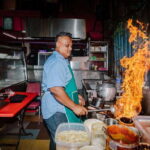
The package includes snacks, and the tour is designed as a food-and-walk experience rather than a full dinner. That means you should think of it like a guided introduction to flavors, not a guarantee of one complete meal.
What’s smart about that approach is you can keep your dinner plans flexible. If you taste a dish you love, you’ll know where you might want to go back. If something isn’t your favorite, you’re not locked into finishing a single heavy course.
The tour is also clear about what’s not included: alcoholic beverages aren’t part of the package. If you plan to drink, you’ll want to account for that separately.
Also, because train tickets are included, your food budget mostly stays focused on the snacks and whatever extras you personally want along the way.
One more value point: the guide’s role matters here. A food tour without good vendor rapport can turn into a rigid routine. With Charles, the tour is described as including insight into foods and origins, plus solid vendor interactions—so you’re not just eating, you’re learning what to look for next time.
Charles and the guide style: fluent, friendly, and question-friendly
The most consistently praised element in the feedback is Charles. The pattern is clear: he’s friendly, humorous, and fluent in English, and he doesn’t treat the tour as a script.
The tour also sounds built for real conversation. Charles is described as answering questions across a wide range of topics, and giving people options—like the chance for a longer tour or more time spent where you’re most curious.
That matters because KL can be confusing if you only use guidebook names. When you can ask, What am I looking at? Why does this food connect to this neighborhood? How did these areas develop? you get far more out of each stop.
You’ll also get a sense of comfort in moving between districts. Several comments point to the tour feeling safe and guided, which is a major factor when you’re walking through markets and back lanes.
Pace, group size, and what to wear
The tour caps at 12 travelers, and that small group size usually helps with three things: timing, attention, and the ability to pause without falling behind.
The duration can be anywhere from 1 to 5 hours, so plan your day with a buffer. If your afternoon is packed with tight reservations, you might want to schedule something flexible after this.
As for clothing: markets involve lots of walking and street-level conditions. Good shoes are non-negotiable. If rain hits, remember the tour is marked as requiring good weather, and if it’s canceled due to poor weather, you’ll be offered a different date or a full refund.
If you get motion sickness easily or you need frequent sitting breaks, a walking-first format might not be your favorite style. But for most people, it’s set up so you can participate.
Who should book this Kuala Lumpur walk-and-eat tour
This is a strong fit if you want to understand KL through daily neighborhoods. It works especially well if:
- You like street food and small tastings rather than one big restaurant meal
- You enjoy heritage areas, markets, and side streets
- You want a guide who can explain the why behind what you’re eating and seeing
- You’re planning a first or second KL visit and want orientation fast
It may be less ideal if you want a mostly indoor, ticket-based itinerary, or if you don’t enjoy walking through markets.
Should you book it or skip it?
Book it if your goal is practical sightseeing plus snack sampling in multiple KL neighborhoods, with a guide who speaks clearly and takes questions. The value at $75 per person lands best when you use what’s included—snacks and train tickets—and when you’re the type who likes side streets and street art, not just landmark selfies.
Skip it if you want alcohol included in the price, or if you dislike walking and outdoors time. Also, if your schedule is super tight with no flexibility for weather, that could be a stress point.
If you want a day that mixes Malay, Indian, and Chinese KL with a guided route that ends in Chinatown’s back-alley vibe, this one is easy to recommend.
FAQ
How much does the Kuala Lumpur Walk, Eat & See Tour cost?
It costs $75.00 per person.
How long is the tour?
The duration is listed as 1 to 5 hours (approx.).
What’s included in the tour price?
The tour includes snacks and train tickets.
Are alcoholic beverages included?
No. Alcoholic beverages are not included.
Where do I meet the tour, and where does it end?
You start at Nu Sentral (201, Jalan Tun Sambanthan, Kuala Lumpur Sentral) and end at Petaling Street Market (Jalan Petaling, City Centre).
How many people are in the group?
The tour has a maximum of 12 travelers.
When will I get confirmation after booking?
You’ll receive confirmation at the time of booking, unless you book within 8 hours of travel, in which case confirmation is sent as soon as possible based on availability.
Can I cancel for a full refund?
Yes. You can cancel for a full refund up to 24 hours in advance. If you cancel less than 24 hours before the start time, it isn’t refunded.
What happens if the weather is poor?
This experience requires good weather. If it’s canceled due to poor weather, you’ll be offered a different date or a full refund.