REVIEW · KUALA LUMPUR
Half Day Cultural And Heritage Walking Tour in Kuala Lumpur
Book on Viator →Operated by Birdy Leisure · Bookable on Viator
A walk through KL turns into a crash course on everyday Malaysia. This half-day heritage route connects the Malay, Chinese, and Indian faiths and traditions with real places you can see up close, from Jamek Mosque to Sri Maha Mariamman Temple. It also follows the company’s go where locals shop and eat idea, so the sightseeing feels grounded, not staged.
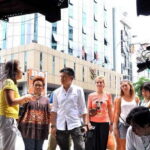
I like that the tour is run by licensed guides who explain what you’re looking at, and the stops are chosen for understanding, not just photos. I also like the pacing: about four hours, capped at 15 people, so you get time for questions and you’re not stuck in a giant crowd tunnel.
The main drawback to consider is the obvious one: it’s a walking tour, and it needs good weather. If you’re sensitive to heat or rain, you’ll want a plan for hydration, sun protection, and rain backup—because the tour can be changed or refunded if conditions aren’t right.
In This Review
- Key things that make this Kuala Lumpur walk worth your time
- Mosque, Merdeka, Temples, and Chinatown: the core idea
- First stop: Masjid Jamek and the meaning of Jamek
- Independence Square (Dataran Merdeka): where KL narrates itself
- The River of Life: the KL name moment
- Pasar Seni (Central Market): shopping that feels cultural
- Sin Sze Si Ya Temple: Chinese Taoist belief in place
- Chinatown and Petaling Street: shopping, food, and street-level energy
- Kwai Chai Hong (Little Demon Street): murals with a learning angle
- Sri Maha Mariamman Temple: a Hindu landmark with strong visual presence
- Pacing, group size, and why 4 hours feels just right
- Price and value: what $39.03 really buys you
- What you’ll need to enjoy it (without overpacking your brain)
- The biggest watch-outs: walking comfort and crowded street segments
- Who this tour suits best
- Should you book this Kuala Lumpur heritage walking tour?
- FAQ
- How long is the Half Day Cultural and Heritage Walking Tour?
- What does the tour cost?
- Where does the tour start and end?
- Is the guide included?
- How many people are in the group?
- Is the ticket mobile?
- What stops are included in the itinerary?
- Are admissions included?
- Is lunch included?
- Is pickup and drop-off included?
- Is the tour dependent on weather?
Key things that make this Kuala Lumpur walk worth your time
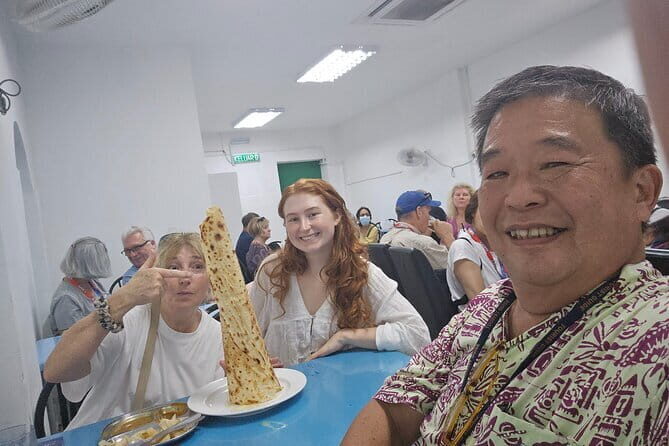
- Licensed guides who give professional commentary at every stop
- Three faiths in one route: mosque, Taoist temple, and Hindu temple
- Major KL landmarks on foot from Masjid Jamek to Merdeka Square and Chinatown
- Photo-ready moments at the River of Life and the Little Demon Street murals
- Local-shopping focus through Central Market and Chinatown streets
- Free admissions at the listed religious and landmark stops
Mosque, Merdeka, Temples, and Chinatown: the core idea
This tour is designed to help you understand Kuala Lumpur as a lived city, not just a skyline. You move through places tied to community worship, historic identity, and daily commerce, which is why the itinerary feels like a story you can walk through.
The route is built around the three major cultural groups—Malay, Chinese, and Indian—and it’s not only about “what is here,” but what those places meant for how KL formed. I especially appreciate the guide-led explanations, because they turn architecture and signage into something you can actually read.
You’ll also get the company’s promise baked into the experience: you’re guided toward areas where locals shop and eat. That matters because it helps you leave with a practical sense of where to spend time after the tour, not just a memory of pretty buildings.
You can also read our reviews of more walking tours in Kuala Lumpur

First stop: Masjid Jamek and the meaning of Jamek
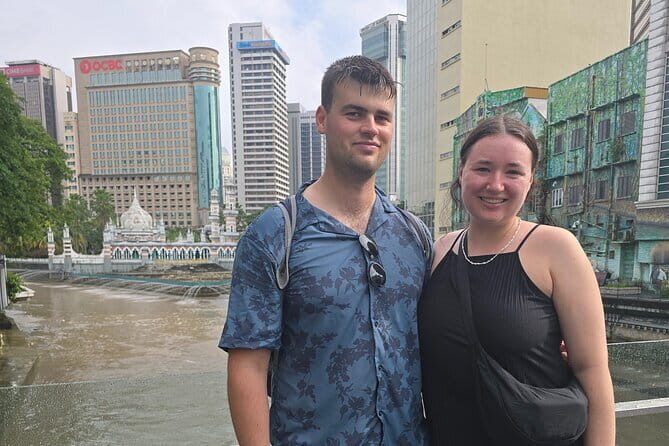
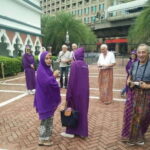
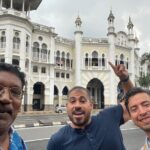
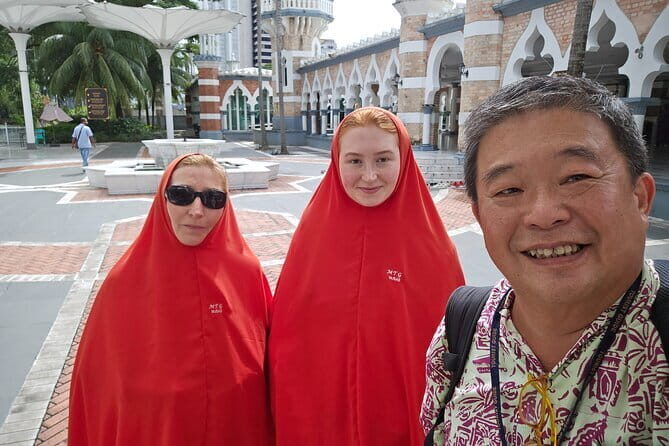
You start at Masjid Jamek, one of Kuala Lumpur’s older mosques. The name Jamek links to the idea of a congregation gathering to worship, and the stop includes time to look at both the setting and the design. The tour notes that it was designed by AB Hubbock, which gives you a helpful anchor when you’re scanning details.
At this point, your guide’s job is key. In a short visit, they can explain what you’re seeing and why it fits this part of the city. You also get admission covered for this stop, which is a small but real convenience.
One practical thing: since it’s an active mosque, you’ll want to move calmly and be respectful about where you pause for photos. This part of the day sets the tone for the rest of the walk.
Independence Square (Dataran Merdeka): where KL narrates itself
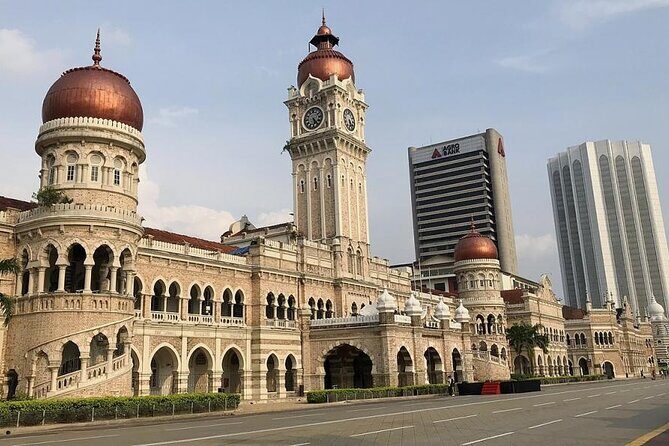
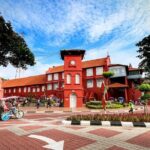
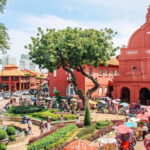
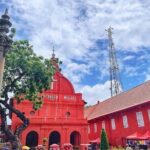
Next up is Dataran Merdeka, a panoramic area packed with historic landmarks. You’ll be in view of the Sultan Abdul Samad building and the Independence Square itself, plus nearby references like the textile museum and what’s described as a KL icon with Malaysia’s tallest flag pole.
This stop works well because it shifts you from architecture-as-religion to architecture-as-identity. You’re standing in an open civic space, so the guide can connect the physical layout to the meaning of independence and national pride. Even if you don’t have a deep background in Malaysian history, the guide’s narration should help you read the scene.
The main consideration here is comfort. Open squares in KL can feel exposed in bright weather, and you’ll be outside for about half an hour. Bring water and pace yourself, especially if you’re doing this during warmer months.
The River of Life: the KL name moment
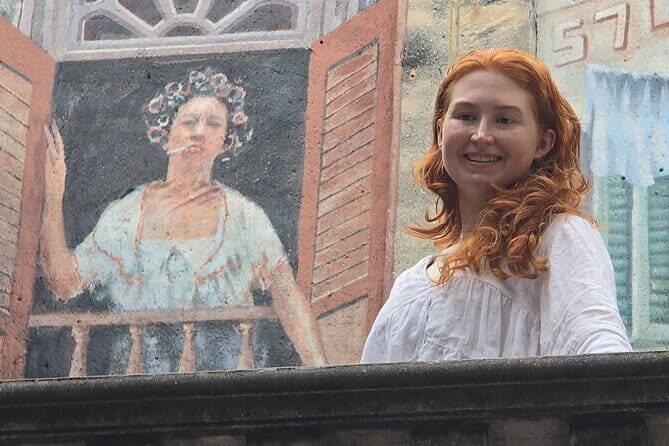
Then comes a smaller, focused stop: the River of Life and a photography moment tied to how Kuala Lumpur got its name. It’s short—about 15 minutes—but it’s one of those “you’ll remember the phrase” kind of stops.
This is a nice break from the bigger landmark scale. You can step back from the major civic and temple spaces and focus on the river reference and what it means in the city’s identity. The guide can also help you position for photos so you’re not just shooting blindly.
If you’re a casual photographer, this is still worth it because the time is short and the explanation gives your photos context. If you’re a serious photographer, take a moment to ask where the best angle is before you walk on.
Pasar Seni (Central Market): shopping that feels cultural
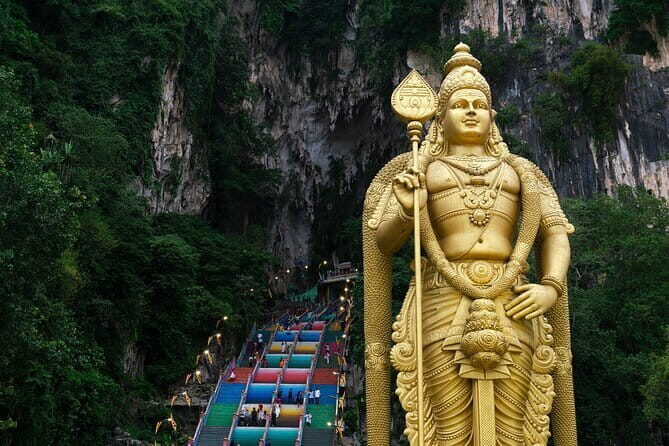
After the landmark stops, you shift into the local-culture shopping zone at Pasar Seni, also known as the Central Market. The tour describes it as the centre for Malaysian culture, art, and craft, and notes that it was formerly a wet market.
This stop is valuable even if you’re not a big shopper. It’s one of the easiest places on the route to understand how people move between everyday life and curated tradition. You’ll see items connected to Malaysian crafts like batik and songket, plus other examples mentioned in the tour description such as Labu Sayong.
I like that this part supports the tour’s slogan—come as a tourist, go home as a local. Central Market is where you can slow down, browse, and learn the difference between a souvenir that looks good and one you understand.
The only drawback is that markets can be time-hungry. You have about 30 minutes here, so if you’re serious about shopping, decide what you want in advance. Otherwise you’ll spend your half hour comparing everything and end up with less time for the temples that follow.
You can also read our reviews of more historical tours in Kuala Lumpur
Sin Sze Si Ya Temple: Chinese Taoist belief in place
Then you head to Sin Sze Si Ya Temple, described as one of the oldest Chinese temples in KL, built by Yap Ah Loy, the founder figure associated with early Kuala Lumpur. The stop is positioned to show you traditional beliefs connected to Taoist religion, and it’s framed as a place where Chinese traditional practices are still preserved.
A temple stop can be hit-or-miss on tours, but this one has the right ingredient: the guide. Your guide should connect what you see—without turning it into a lecture—with why the temple matters to the Chinese community that helped shape the city.
This stop is also a good checkpoint for etiquette. You don’t need to treat temples like museums, and you also shouldn’t treat them like photo sets. Slow down, watch what others do, and ask the guide about specific details you notice.
Chinatown and Petaling Street: shopping, food, and street-level energy
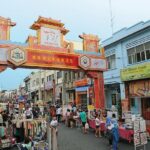
After the temple, you walk into Chinatown, locally known as Petaling Street. The tour suggests you’ll find a mix of goods from textiles to electronics, and it’s also positioned as a place to find authentic traditional Chinese food.
This is often the part of the day people remember most clearly because Chinatown is where the city’s cultures collide in everyday ways. The guide’s commentary helps you keep it organized—why certain products are here, how the streets reflect community needs, and how this area fits into the broader KL story you’ve been walking through.
Do keep expectations realistic. You’ll get about 30 minutes here, which isn’t enough to fully explore every side street, so focus on a few targets: a snack, a souvenir stop, and a comfortable photo angle. If you try to “do everything,” the time slips away.
Kwai Chai Hong (Little Demon Street): murals with a learning angle
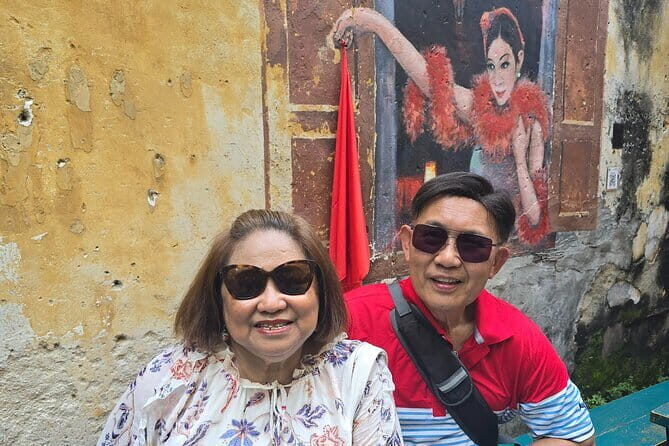
Kwai Chai Hong, also called Little Demon Street, is a shorter stop designed mainly for photography lovers. The tour describes it as a wall-mural area, with murals connected to traditional lifestyle scenes of local Chinese culture.
This is a clever placement because it turns “street art” into cultural storytelling. You’ll want to look at the murals like a comic book: who’s represented, what daily activities show up, and how those scenes connect to what you saw earlier at temples and markets.
At around 15 minutes, it’s not a long detour. Still, it’s one of the best places on the route to pause and let the guide explain what you’re seeing, since the mural meaning may not be obvious at first glance.
Sri Maha Mariamman Temple: a Hindu landmark with strong visual presence
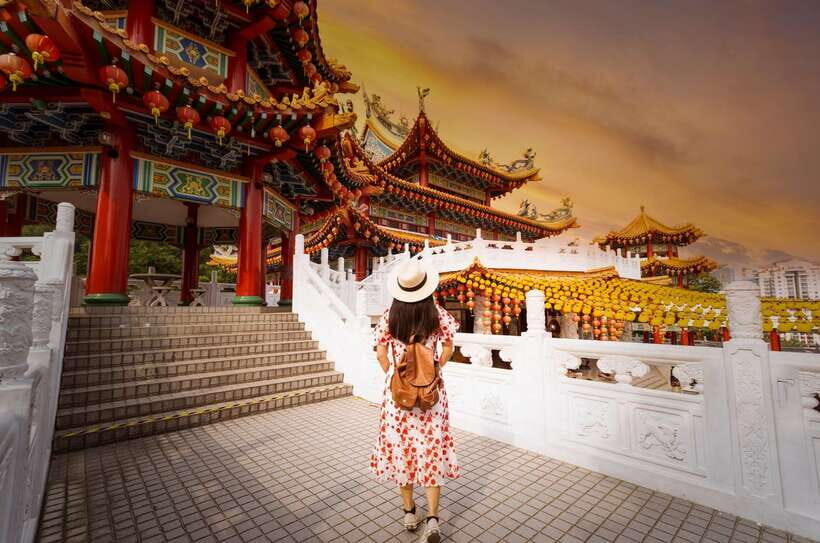
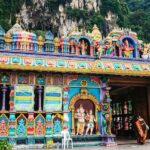
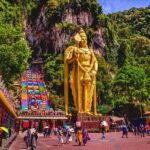
The tour finishes with Sri Maha Mariamman Temple, described as an attention-grabbing house of worship and one of the most popular temples in Kuala Lumpur. It’s a key cultural stop because it rounds out the three major communities represented in the day’s route.
Hindu temples often feel visually dense—color, symbols, and devotional space all at once—and that’s exactly why you benefit from a guide. When someone can explain what specific elements point to, you don’t just see decorations; you understand what they’re doing in the religious life of the community.
This stop is also a great place to tie the whole day together. You’ve already seen a mosque, a Chinese temple, and shopping areas tied to culture and craft. Now you see the Indian community’s presence in a major worship setting, and the route clicks into a bigger picture of Kuala Lumpur as a shared, multi-faith city.
Pacing, group size, and why 4 hours feels just right
This is about 4 hours of walking and stop time, with a maximum group size of 15 travelers. That smaller cap matters more than you might think. In a cultural walking tour, you’ll likely ask questions about religion, architecture, and local meaning—small groups make it easier to get real answers rather than rushing through.
The stops are scheduled in short, manageable chunks: around 30 minutes at major sites and shorter segments at places like the River of Life and the mural street. That helps you avoid the classic problem with walking tours—where you spend too long in one place and lose energy for the rest.
It’s also a tour where the guide matters at least as much as the route. The best versions of this experience come from someone who can explain what you’re looking at in plain language, and the guides here are described as licensed and trained for professional commentary.
Price and value: what $39.03 really buys you
At $39.03 per person, this tour isn’t expensive for a guided, multi-stop cultural route in central Kuala Lumpur—especially because the listed sites include free admission. You’re not paying entry fees at the mosque, temples, and major stops, which makes the price feel more predictable.
You also get a licensed guide plus walking-tour structure, and that saves you from cobbling together your own plan across a city with a lot going on. You do give up some flexibility, but you gain clarity: a route designed to show you three major cultural threads, not a random grab bag of landmarks.
From the guides mentioned—Yen and Ben are both highlighted for thoroughness and strong explanation—you’re paying for interpretation, not just directions. That’s what turns the day from sightseeing into understanding.
What you’ll need to enjoy it (without overpacking your brain)
This tour is “near public transportation,” and you start and end at Masjid Jamek. That’s useful because it keeps the tour centralized and easy to fit into a travel schedule. You’ll have a mobile ticket, which is convenient if you don’t want to track paper vouchers.
Since lunch isn’t included, you’ll want to plan food time around the walking blocks. The guide-company policy leans toward showing you where locals eat and shop, so ask what they recommend nearby when the route gives you a market window.
Also, because the tour requires good weather, build in a little slack. If conditions aren’t right, the operator may offer a different date or refund—so don’t schedule something critical immediately afterward.
The biggest watch-outs: walking comfort and crowded street segments
The main downside is simply physical. It’s a walking tour, with multiple stops across central KL, so your comfort depends on your footwear and heat tolerance. If you’re traveling with limited mobility, this one may be harder than a sit-down or shorter-area option, even though it says most travelers can participate.
You’ll also hit busier street areas, especially around Chinatown and the market streets. That’s part of the charm, but it means photos can be harder and you may need patience moving with the crowd.
Finally, remember the day is culture-focused. If you only want landmark-photo checklists, you may want to treat this as guided learning time plus some shopping and photo breaks, rather than a pure “fast sightseeing” hit.
Who this tour suits best
This is a strong fit if you want Kuala Lumpur to make sense fast. It’s ideal for first-timers who want more than the usual skyline shots and want to understand the city’s multi-faith reality in a single morning or afternoon.
It also suits travelers who enjoy guided interpretation—people who like architecture context, temple meaning, and street-level cultural storytelling. If you’re shopping for crafts and textiles, the Central Market stop gives you a clear place to browse without jumping around.
If you prefer total freedom and minimal walking, you might choose a hop-on itinerary instead. But for most travelers looking for an efficient cultural orientation, this is a well-structured day.
Should you book this Kuala Lumpur heritage walking tour?
I’d book it if you want a practical, guided way to connect KL’s mosques, temples, and historic civic spaces into one coherent story. The licensed guides, the three major cultural threads, and the free admission stops make the price feel fair—and the Chinatown plus mural street segments are great for photos with meaning.
I’d skip or reconsider if walking for several hours in changing weather sounds stressful. And if you’re the type who hates markets, you may find Pasar Seni and Chinatown time a bit more than you want.
If you fall in the middle—curious, comfortable walking, and open to learning—this tour is one of the easiest ways to start understanding Kuala Lumpur like someone who actually lives there.
FAQ
How long is the Half Day Cultural and Heritage Walking Tour?
It lasts about 4 hours.
What does the tour cost?
The price is $39.03 per person.
Where does the tour start and end?
It starts at Masjid Jamek in Kuala Lumpur City Centre and ends back at the meeting point.
Is the guide included?
Yes. The tour includes a licensed guide.
How many people are in the group?
The tour has a maximum of 15 travelers.
Is the ticket mobile?
Yes, the tour uses a mobile ticket.
What stops are included in the itinerary?
The tour includes Sultan Abdul Samad Jamek Mosque, Dataran Merdeka, The River of Life, Pasar Seni (Central Market), Sin Sze Si Ya Temple, Chinatown (Petaling Street), Kwai Chai Hong, and Sri Maha Mariamman Temple.
Are admissions included?
The listed stops in the itinerary show free admission.
Is lunch included?
No. Lunch is not included.
Is pickup and drop-off included?
No. Pickup and drop-off are not included.
Is the tour dependent on weather?
Yes. It requires good weather. If canceled due to poor weather, you’ll be offered a different date or a full refund.