REVIEW · KUALA LUMPUR
Kuala Lumpur Heritage 4-Hour Walking Tour
Book on GetYourGuide →Operated by BE MIND TOURIST WORLD SDN BHD · Bookable on GetYourGuide
Four hours, four cultures, one walking loop. This Kuala Lumpur heritage tour lets you connect the dots between Malay, Chinese, and Indian parts of the city center, with real temple visits and street-level food stops. You’ll start near Central Market, wander through markets and Chinatown, then finish by Masjid Jamek LRT.
I especially love the small group size (up to 8) because it keeps the pace human and the questions practical. I also love the way the tour uses food tastings to teach culture, not just to feed you.
One thing to consider: there’s a moderate amount of walking, and the meeting area is a bit maze-like if you arrive late or rely only on spotty phone signal.
In This Review
- Key highlights worth your time
- Why This 4-Hour Heritage Walk Works in Kuala Lumpur
- Finding the Tourist Information and Interaction Centre (Turquoise Interior)
- Central Market and Kasturi Walk: Market Energy with Culture on Tap
- Chinatown Stories That Actually Change How You See the Streets
- Food Tastings Across Malay, Chinese, and Indian Traditions
- Sin Sze Si Ya and Sri Mahamariamman: Temple Visits with Real Etiquette
- Ending at Masjid Jamek LRT: Get Your Bearings Fast
- Price and Value: Does $60 Make Sense for 4 Hours?
- Who This Tour Suits Best (and Who Might Skip It)
- Should You Book This Kuala Lumpur Heritage Walk?
- FAQ
- Where is the meeting point?
- How long is the tour?
- How big is the group?
- What’s included in the price?
- Is there a minimum age?
- Is free cancellation available?
Key highlights worth your time
- Central Market and Kasturi Walk for a covered-stalls feel right in the historic core
- Chinatown context about early Chinese and Indian settlement patterns
- Food tastings across ethnic groups that help you learn what you’re eating
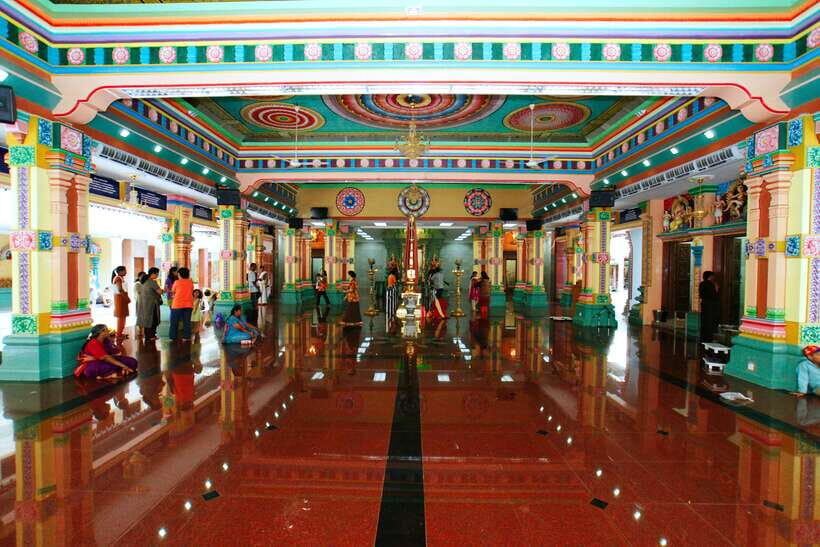
- Temple visits at Sin Sze Si Ya and Sri Mahamariamman with real-world etiquette guidance
- Small-group pace that makes it easy to ask questions and take photos
- A practical finish near Masjid Jamek LRT so you can keep moving after the tour
Why This 4-Hour Heritage Walk Works in Kuala Lumpur
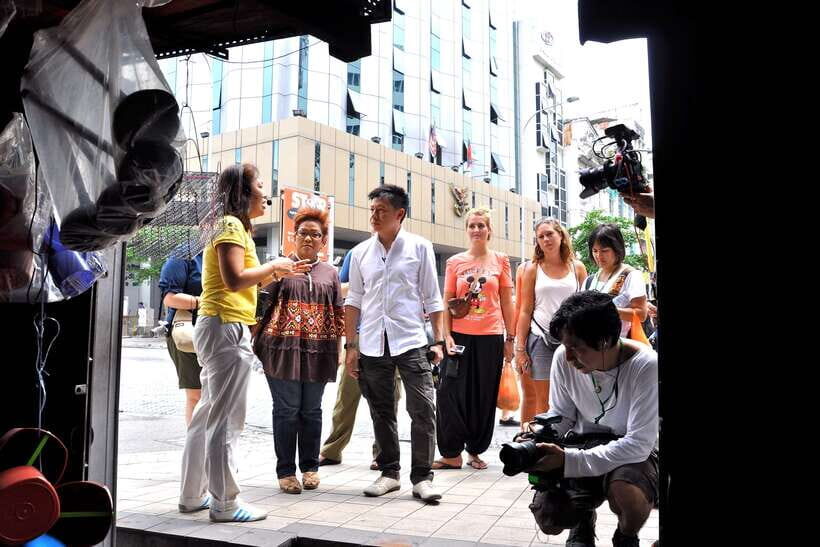
Kuala Lumpur can feel like a split personality: big modern towers on one side, older neighborhood rhythms on the other. This tour is a shortcut through the older layers—street markets, Chinatown, and major temples—so you understand how the city became what it is today.
The best part is that it does not treat culture like a museum display. You’re walking, stopping, and tasting while a guide explains why people do certain things—especially around temples and food. It’s the kind of tour where your brain stays busy, not just your feet.
And yes, you’ll also get the classic “I needed this” feeling: you leave with your bearings in the central area, plus an idea of where to go next on your own.
You can also read our reviews of more walking tours in Kuala Lumpur


Finding the Tourist Information and Interaction Centre (Turquoise Interior)
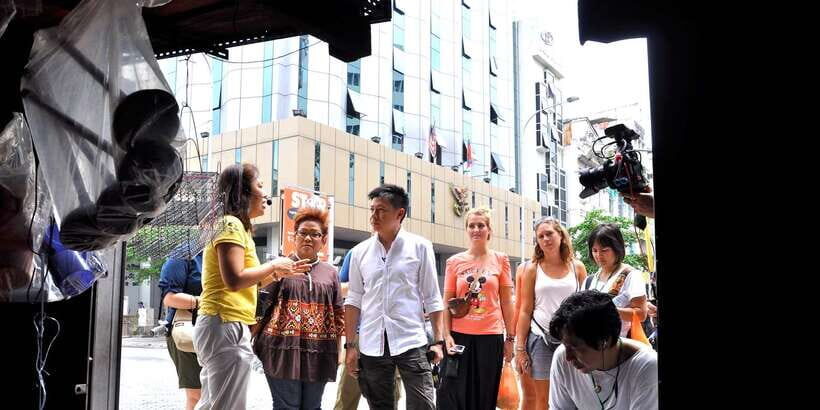
Your meeting point is the Tourist Information and Interaction Centre near Central Market. The trick is that the approach is easy to miss if you’re rushing or if your map app is being unhelpful.
Here’s the direction game plan:
- Walk along Kasturi Walk next to Central Market (CM)
- Exit the walkway into an alleyway between the Central Market and a purple building
- Go into ART LANE
- Walk about 30 seconds to the black staircase
- Climb the stairs, then turn right
- Look for a mini garden, and the center is next door
- The interior is turquoise color, so you should spot it once you’re close
One helpful note: in at least one experience, the meeting point caused stress because internet access was limited and finding the alley took longer than expected. So arrive a little early, take one photo of the storefront or sign you recognize, and don’t wait until the last minute.
Central Market and Kasturi Walk: Market Energy with Culture on Tap
Central Market is a perfect start because it’s busy, covered, and packed with “what people actually do here” energy. On this tour, you’re not just shopping for souvenirs. You’re browsing stalls and learning what they represent—especially through the lens of the city’s early settlers and everyday life.
Kasturi Walk is where the tour starts to feel like you’ve stepped into a working neighborhood rather than a postcard stop. You’ll pause for photos and a short break time, so you’re not constantly walking with your camera out.
Potential drawback: this is market terrain. If you’re sensitive to crowds, tight aisles, or strong smells from street food, keep your expectations realistic. It’s central KL, not a quiet stroll in a park.
Practical tip: wear shoes you can grip on wet spots. Market floors can change fast, especially later in the day.
Chinatown Stories That Actually Change How You See the Streets
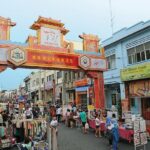
Chinatown is more than storefronts here. The guide connects what you see today with the story of the first Chinese and Indian settlers in the area. That background matters because it turns random street details into clues: who settled where, why certain traditions took root, and how daily habits formed community life.
As you walk, the tour also helps you notice small ritual cues and cultural etiquette. That’s a big deal when you later step into temples, because the do’s and don’ts aren’t always obvious if you’re guessing.
If you’re the type who likes asking why something is done a certain way, this is a good section to speak up. The group is small, so the guide can slow down when questions pop up.
Food Tastings Across Malay, Chinese, and Indian Traditions
This tour’s secret weapon is that it uses food tastings as a language. Instead of only pointing at dishes, the guide helps you understand how different communities in Malaysia eat, share, and celebrate.
You’ll sample authentic food from different ethnic groups of Malaysia, and the stops are spaced across the walk so you don’t feel like you’re cramming everything into one sitting. Guides have been known to tailor tastings to what you like and what you may already have tried.
One smart tip from past participants: don’t eat a heavy hotel breakfast. The schedule includes several eating moments, so going in hungry pays off quickly. It also means you can taste more than one thing without feeling overstuffed.
Another practical point: if you have dietary restrictions, you’ll want to communicate them early. The tour is designed to guide you toward foods you might not try on your own, which is great—until it collides with allergies or strong preferences.
You can also read our reviews of more historical tours in Kuala Lumpur

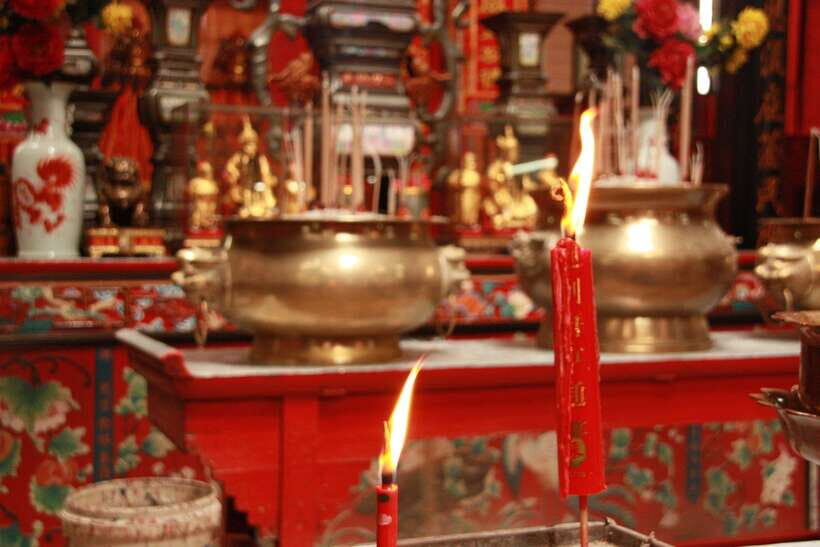
Sin Sze Si Ya and Sri Mahamariamman: Temple Visits with Real Etiquette
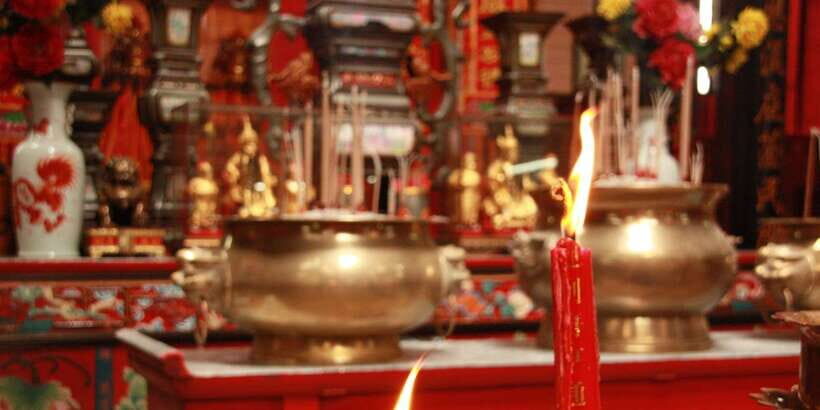
The two temple stops are the heart of the experience. They’re not just photo stops. You’ll learn temple etiquette and why certain rituals exist, so you’re not stumbling through as a spectator.
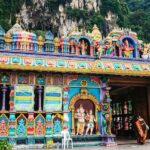
At Sin Sze Si Ya Temple, you’ll get guidance for navigating Chinese ritual spaces respectfully. In one memorable experience, participants were guided on wishes at Chinese shrines and were even blessed in the process—handled in a way that felt meaningful rather than performative.
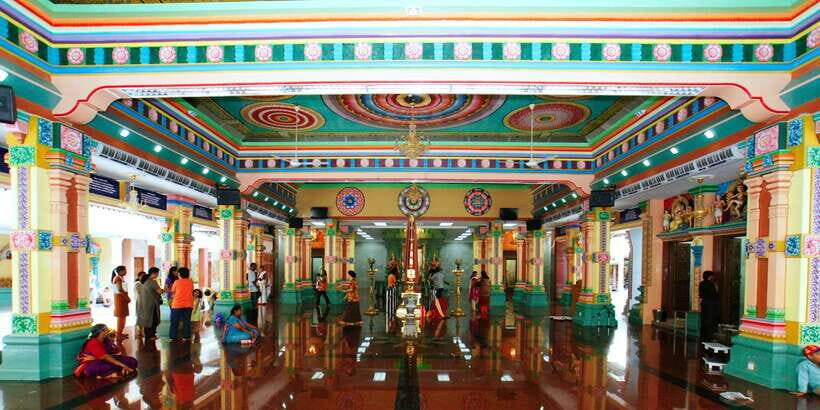
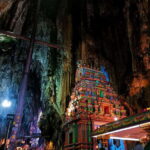
At Sri Mahamariamman Temple, the vibe changes. This is tied to Indian Hindu tradition, and the guide helps you understand what’s appropriate before you participate or observe. In one example, jasmine bracelets were provided before the visit, and the guide also walked people through how to handle materials used for addressing bad fortune. You may also see guidance around actions like clearing a path (for example, using a coconut) as part of what people believe brings luck and clarity.
The key value here is that the guide gives you the logic behind what’s happening. That turns temple visits from confusing and awkward into something you can actually follow.
Moderate walking note: temple areas can involve steps and uneven ground. Go slow, and don’t rush your footing while you’re focused on ritual details.
Ending at Masjid Jamek LRT: Get Your Bearings Fast
The tour ends near Masjid Jamek LRT station, and your guide can point you in the direction of your hotel. This is a genuinely useful finish. You’re not stuck far from transit, and you’re not left wondering how to continue your day.
Masjid Jamek is also a strong mental landmark. After tasting, learning, and walking through several cultural zones, it’s easier to plan your next move because you know what’s around you.
If you want to keep things going after the tour, use your guide’s directions as your starting point. Then you can branch out on your own with less guesswork.
Price and Value: Does $60 Make Sense for 4 Hours?
$60 per person for a 4-hour small-group walking tour sounds fair when you look at what’s included: a live English guide, bottled water, food tastings, and goods and services tax (GST).
The value comes from three places:
- Context: temples and heritage streets make more sense when someone explains the why
- Food access: you’re tasting across ethnic groups without having to figure it out yourself
- Group size: up to 8 people means you’re not lost in a crowd
One extra practical win: guides often adjust to your food interests. In one experience, a guide curated tastings based on what participants already tried, and people got help knowing what to order and how to eat it.
If you’re the kind of traveler who likes to wander independently, this might feel pricey at first. But if you want to understand Kuala Lumpur fast—especially around temples and food—this is the kind of spend that saves you time and confusion.
A minor consideration: the tour may run a bit long depending on pace, breaks, and how questions land. In at least one case, the tour ran nearly an hour longer than expected. Build a little flexibility into your schedule.
Who This Tour Suits Best (and Who Might Skip It)
This is a great match if you want:
- A multicultural Kuala Lumpur intro that goes beyond surface-level sights
- Hands-on learning through markets, Chinatown, and temple etiquette
- A plan that includes real food tastings without you having to research every stop
- A guide who can answer questions and adjust to the group
It may be less ideal if:
- You prefer long, slow sightseeing rather than a packed walking route
- You dislike walking when it’s crowded or when stops involve steps
- You want total freedom with no guidance around temples and rituals
Age-wise, the minimum is 11. Also, you should expect a moderate walking pace.
Should You Book This Kuala Lumpur Heritage Walk?
If you’re in Kuala Lumpur for only a few days, this tour is an efficient way to get grounded. You’ll leave knowing how central KL connects through Central Market, Chinatown, and two major temples, and you’ll have eaten your way through multiple cultural traditions.
Book it if you want guided context, tastings, and a small group pace. Skip it if you’d rather do temples and food on your own with lots of time to linger—because this is designed as a structured 4-hour walk.
If you do book, do two things for best results: arrive early enough to find the turquoise Tourist Information Centre, and don’t eat a huge breakfast beforehand. It makes the whole day feel smoother—and tastier.
FAQ
Where is the meeting point?
Meet at the Tourist Information and Interaction Centre. Walk along Kasturi Walk next to Central Market, exit into an alleyway between Central Market and a purple building, enter ART LANE, walk about 30 seconds to a black staircase, go up the stairs and turn right. There’s a mini garden, and the center is next door with a turquoise interior.
How long is the tour?
The tour lasts 4 hours.
How big is the group?
It’s a small group limited to 8 participants.
What’s included in the price?
The price includes a live English guide, bottled water, food tastings, and goods and services tax (GST).
Is there a minimum age?
Yes. The minimum age permitted is 11 years old.
Is free cancellation available?
Yes. You can cancel up to 24 hours in advance for a full refund.