REVIEW · KUCHING
Semenggoh Wildlife Centre Tour: Discover Sarawak’s Orangutans
Book on Viator →Operated by Asni Tours & Travel (M) Sdn Bhd · Bookable on Viator
Orangutans in Sarawak, on a tight schedule. This tour takes you to Semenggoh Wildlife Centre with an air-conditioned vehicle and an English-speaking driver, making it a comfortable way to search for rehabilitated orangutans. One thing to keep in mind: sightings can be hit-or-miss depending on season, fruiting conditions, and how park access is managed at the time you go.
What I like most is that Semenggoh is built around rehab success, not just viewing. Over 20 years, wardens trained young orangutans—orphans or rescued animals—to survive in the wild, and that effort helped create a thriving nearby population of semi-wild orangutans that still return for a free meal.
If you want an easy half-day outing with a small group, you will likely enjoy this. It runs about 3 hours total, with a maximum of 15 travelers, plus hotel or port pickup and drop-off (select the correct pickup point). The main trade-off is that this is not a guaranteed ticket to seeing lots of animals on the spot—you’re visiting living orangutans, not a controlled exhibit.
In This Review
- Key things to know before you go
- Getting from Kuching to Semenggoh in comfortable AC
- Why Semenggoh is different from a typical wildlife stop
- The actual Semenggoh visit: trails at your pace
- Scheduled feeding: the moment most people are waiting for
- Meeting the guide: what makes the tour feel smooth
- Price and value: $70.10 per person plus two possible add-ons
- Best season for orangutan viewing at Semenggoh
- Group size, timing, and how to get the most from 3 hours
- Who should book this Semenggoh Wildlife Centre tour?
- Should you book Semenggoh right now?
- FAQ
- Is pickup included?
- How long is the Semenggoh Wildlife Centre tour?
- What does the ticket price include?
- Are there extra charges?
- How many people are in the group?
- Is this tour good for people who don’t want a long hike?
- Will I definitely see orangutans?
- Do they provide a mobile ticket?
- What is the cancellation policy?
Key things to know before you go
- Comfort-first transport: air-conditioned vehicle with a driver, so the trip is easy even if Kuching traffic is chaotic.
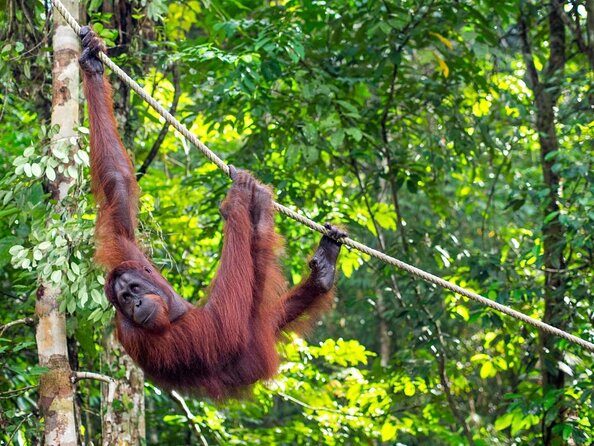
- Semenggoh’s rehab focus: you’re visiting an orangutan rehabilitation program, not just a zoo-style walkthrough.
- Semi-wild behavior is the point: the animals roam in the forest reserve and may come back when they choose.
- Scheduled feeding time matters: plan your camera and your attention for the feeding period.
- Small group feel: with a cap of 15 travelers, you’re less likely to feel herded.
- Season can change your odds: fruiting season (when natural food is available) can reduce sightings at the feeding zone.
Getting from Kuching to Semenggoh in comfortable AC
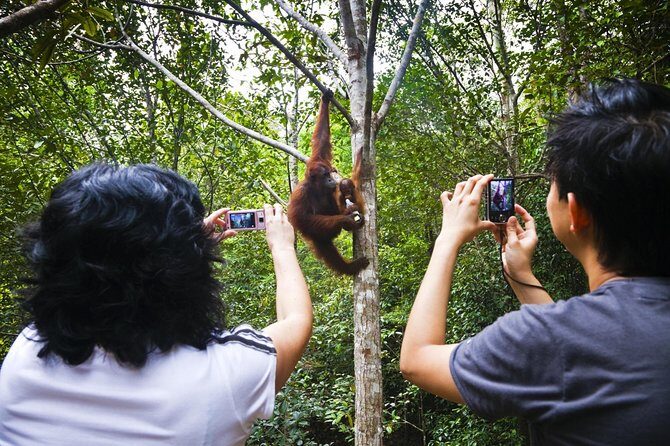
This tour’s biggest “day-saver” is the simple logistics. You ride in an air-conditioned vehicle with a driver, and that means you avoid the extra stress of figuring out how to get to the centre on your own. For many people, the ride is also part of the appeal: it turns a potentially long detour into a smooth, timed outing.
The tour includes hotel or port pickup and drop-off, as long as you choose the correct pickup point during booking. There is also an extra USD 40 surcharge if your hotel pickup is outside a 1km radius from the city center. If you’re staying a bit farther out, check this before you commit, because that small number can change the value equation.
Also note the pace: the whole experience is about 3 hours total, with 2 hours at Semenggoh and time for travel. This is ideal if you’re short on time in Kuching and still want a meaningful orangutan encounter. It’s less ideal if you want a slow, lingering nature day where you can wait for animal activity for hours.
A few more Kuching tours and experiences worth a look
Why Semenggoh is different from a typical wildlife stop
Semenggoh Wildlife Centre matters because it sits in the real rehab story of orangutans in Sarawak. The centre has trained young orangutans for over 20 years—animals orphaned or rescued from captivity—teaching them the skills they need to survive in the wild. The key result is that the surrounding forest reserve now supports a thriving population of healthy adolescent and young adult orangutans, and some are now breeding in the wild.
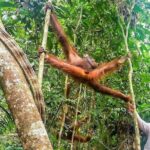
That rehab approach creates a different kind of visit than most people expect. You’re not just looking at animals behind barriers. You’re observing semi-wild orangutans that spend most of their time roaming in the reserve and periodically return to the centre for a free meal. In practice, that means your timing and luck matter, but your experience feels more authentic because the animals behave like wild animals—because they are, at least in part.
One more interesting detail: while the rehab program has been transferred to Matang Wildlife Centre, Semenggoh still holds graduates from the original work. That’s why you can still see semi-wild orangutans (and their babies) in this specific area. If you’re the type who likes understanding what you’re seeing, this context gives your sightings more meaning.
The actual Semenggoh visit: trails at your pace
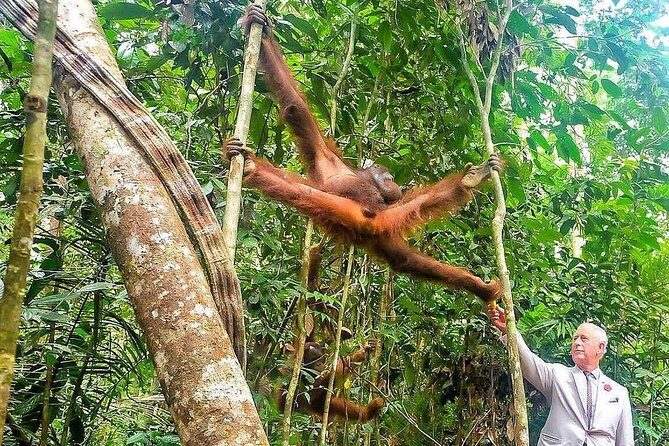
Once you arrive, the structure stays simple. You’ll have time to stroll the trails of the wildlife centre at your leisure. This isn’t a rushed photo sprint. It’s more like a guided entry into the right area, then a chance to watch and wait.
This “walk and look” format is where the tour is either a win or a bit frustrating, depending on season and conditions. During periods when fruit is abundant in the forest, orangutans may not need to come to the feeding zone as often. On top of that, park access can change—one past visitor noted that after an incident, walking through the park was limited to a defined feeding zone. That kind of operational reality is outside anyone’s control, but it’s good to know so you don’t expect the exact same route in every season.
Still, if your goal is to get close in a natural setting, this is one of your best bets in a short time. You’re likely to spend your attention on small tells: where the movement happens, when the canopy looks unusually active, and when calls or body movement suggest an orangutan is nearby.
Scheduled feeding: the moment most people are waiting for
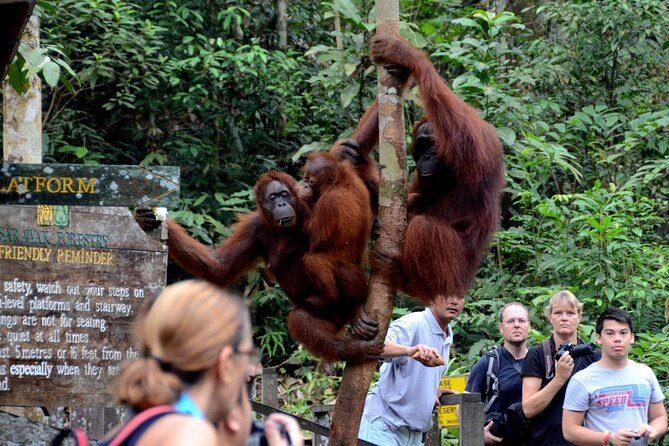
A scheduled feeding is part of the experience, and it’s one of the best ways to maximize your chances of an orangutan sighting. Even though the animals roam freely, the feeding moment brings you into the same location the orangutans often return to—so you can concentrate your time.
Here’s the practical mindset I recommend: treat the feeding as your primary observation window. Position yourself early, watch calmly, and give the keepers’ instructions a respectful follow. You’re sharing space with animals in a semi-wild setting, and the best results usually come from not rushing.
Also, plan for variability. Some days bring multiple orangutans. Other days bring fewer, or sightings that happen only later. One visitor described going back in the afternoon after missing orangutans in the morning due to rain. That matches what this kind of centre visit always feels like: small changes in weather and timing can affect animal visibility.
If you want to optimize your day, bring a patient attitude. You are visiting rehabilitated animals who may choose their own schedule.
Meeting the guide: what makes the tour feel smooth
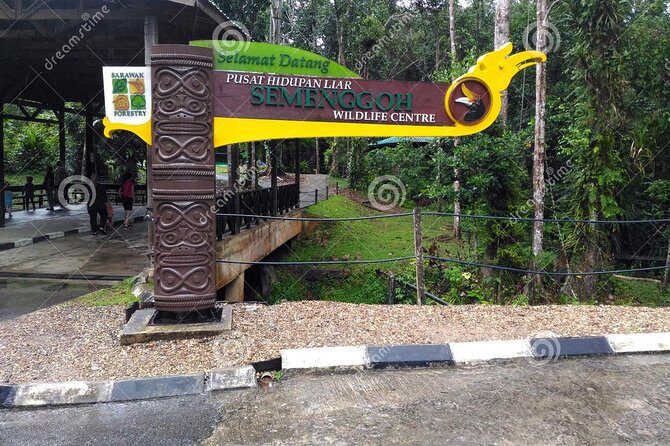
Even though the tour is mostly about the centre itself, the driver/English-speaking guide experience can make a big difference. Past visitors highlighted English clarity, on-time pickup, and a guide who can explain what you’re seeing.
A specific name that comes up is Wesley, who is described as very nice, knowledgeable, and easy to talk to. The value of that kind of guide isn’t just facts. It’s guidance on where to spend your time—because at a place like Semenggoh, choosing when and where to focus can shape your chances of a good sighting.
You’ll also appreciate the human touch: safe driving, clear communication, and someone who understands the rhythm of the centre. That matters when your time budget is tight (about 3 hours) and you don’t want to waste it second-guessing what’s happening.


Price and value: $70.10 per person plus two possible add-ons
The base price is $70.10 per person, and that includes admission to Semenggoh Wildlife Centre. It also includes the air-conditioned vehicle and hotel or port pickup & drop-off (with the correct pickup point selected during booking). For many people, that bundled package is the whole reason this option is worth considering: it’s simple, and it reduces decision fatigue.
The two extra costs to watch are:
- A USD 40 surcharge if hotel pickup is outside the 1km radius from the city center (payable on the day of travel).
- A 30% surcharge during super peak or festive days, payable on the day of travel.
The festive list is long: New Year’s Day, Chinese New Year, Labour Day, Hari Raya Aidilfitri, Hari Raya Haji, Wesak Day, Gawai Dayak, National Day, Malaysia Day, and Christmas Day. If your trip overlaps any of these dates, calculate the true cost before you decide.
Is it still good value even with surcharges? Often yes, because you’re paying for a timed, guided, comfortable experience with admission included. But if you’re far from the pickup radius or traveling during a listed peak date, you should compare this price to alternatives (like hiring a local driver or adding extra transport time) so you feel confident you’re not overpaying for convenience.
Best season for orangutan viewing at Semenggoh
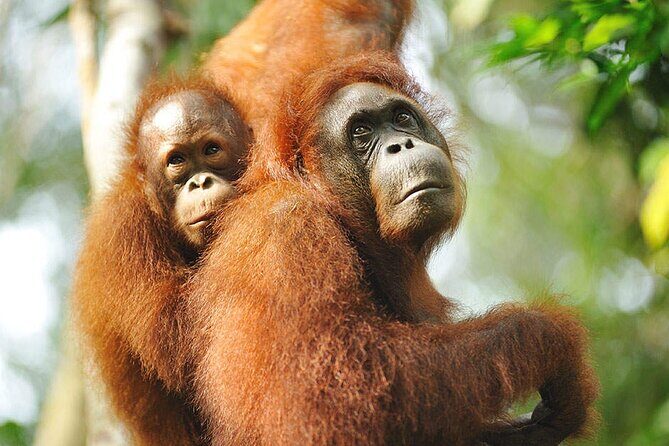
Season is where expectations should be managed. Semenggoh’s orangutans may visit the centre when they want the free meal, and that behavior is influenced by what’s available in the forest. When the fruiting season is underway, natural food can reduce how often they come to the feeding zone.
That’s why some people have excellent sightings, while others don’t see any during a particular feeding window. Rain can also play a role, too—one visitor missed orangutans in the morning rain, then saw a variety of orangutans on an afternoon return.
Here’s the practical takeaway: you should plan your visit with flexibility in mind. If you only have one shot, go in with the right mindset: you’re trying to see living animals, and the centre can only do so much to influence their movement. If your schedule allows, building in a buffer (even a second attempt at a different time of day, if the centre offers that) can improve your odds.
Group size, timing, and how to get the most from 3 hours
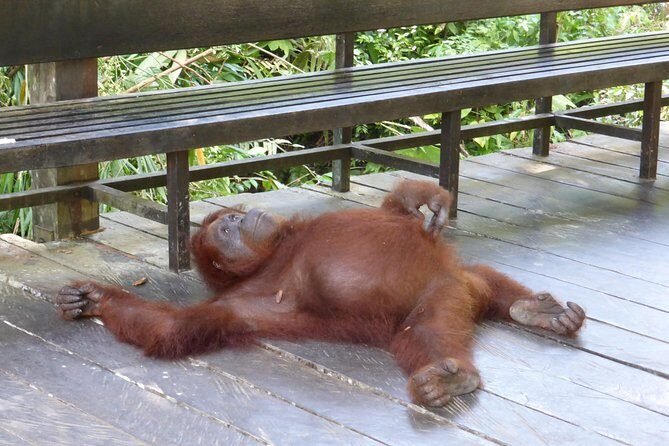
This tour runs in a compact window: about 3 hours total, and up to 15 travelers. That small group size helps you avoid the worst crowd feeling, and it makes it easier for staff to manage movement through the area.
The time allocation is simple:
- Travel with pickup and drop-off
- Around 2 hours on-site for trails and feeding
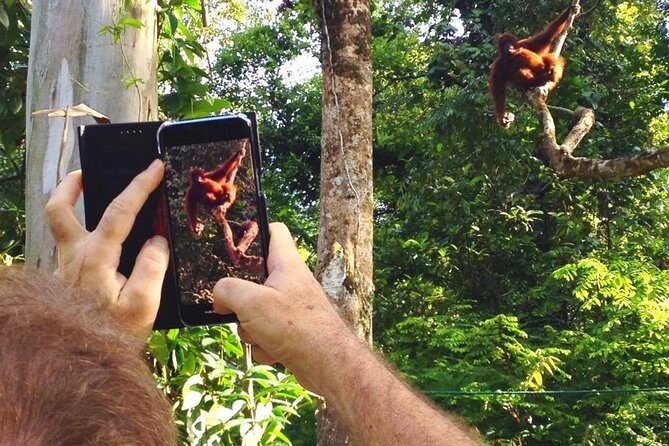
To make the most of it, treat your visit like a focused hunt rather than a long stroll. Wear comfortable shoes for forest paths. Keep your camera ready but don’t constantly rush to check your screen. When you hear activity or see movement overhead, that’s when the waiting pays off.
If you’re the kind of traveler who wants a full-day jungle plan, this might feel too short. But if you want a strong orangutan experience without a big time commitment, the format fits well.
Who should book this Semenggoh Wildlife Centre tour?
I’d point this tour at travelers who want three things at once:
- A straightforward, timed visit without arranging transport and admission separately
- Semi-wild orangutan viewing in a real rehab context
- Comfort and clarity, thanks to pickup, an air-conditioned ride, and English support
It also fits families and first-timers in Kuching, since most travelers can participate and the logistics are handled for you. If you’re traveling solo, a small group of up to 15 is a nice middle ground: you get company, but you’re not swallowed by a massive tour bus.
If your top priority is maximum odds of seeing orangutans, go in with realistic expectations. This tour is about trying to spot them, not controlling them.
Should you book Semenggoh right now?
You should book if:
- You want an easy, comfortable way to reach a major orangutan rehabilitation centre in Sarawak
- You’re short on time in Kuching and want a 3-hour outing that still feels meaningful
- You appreciate context and clear guidance from an English-speaking driver/guide (Wesley is one example)
Skip or rethink booking if:
- You’re traveling during a peak festive date and the 30% surcharge would push the price beyond your comfort zone
- Your hotel is outside the 1km pickup radius and the USD 40 add-on makes the total feel unfair
- You need a guaranteed, guaranteed-many-orangutans experience. Semenggoh is semi-wild, and conditions can change what you see in your specific time window
FAQ
Is pickup included?
Yes. The tour includes hotel or port pickup and drop-off. Just make sure you select the correct pickup point during booking.
How long is the Semenggoh Wildlife Centre tour?
The tour runs about 3 hours total, with around 2 hours spent at Semenggoh Wildlife Centre.
What does the ticket price include?
The price includes admission to Semenggoh Wildlife Centre, plus transport in an air-conditioned vehicle and an English-speaking driver.
Are there extra charges?
There can be. An additional USD 40 surcharge applies if your hotel pickup is outside 1km from the city center. A 30% surcharge applies during super peak or festive seasons, paid on the day of travel.
How many people are in the group?
Maximum group size is 15 travelers.
Is this tour good for people who don’t want a long hike?
It’s designed for an easy visit. You’ll travel comfortably by vehicle and then stroll the trails at your leisure, with a focus on a scheduled feeding time.
Will I definitely see orangutans?
You are taken to look for rehabilitated orangutans and the visit includes a scheduled feeding, but sightings can vary depending on season and conditions.
Do they provide a mobile ticket?
Yes. A mobile ticket is part of the experience.
What is the cancellation policy?
You can cancel for a full refund up to 24 hours before the experience starts. If you cancel less than 24 hours before, the amount paid is not refunded.