REVIEW · KUCHING
Bako National Park
Book on Viator →Operated by Brighton Travel & Tour Sdn Bhd · Bookable on Viator
Monkeys meet rainforest mornings in Bako. This short trip is a smart way to trade Kuching city time for proboscis monkeys and real Sarawak habitats, from mangroves to cliff-edge vegetation. What I like most is the focus on small-group guiding, where your guide helps you pick the best spots and times for animals without turning the day into a frantic checklist.
The only catch is the moderate physical fitness factor. You’ll be on foot on uneven ground, and you’ll want proper shoes and rain gear for jungle trails and coastal paths.
In This Review
- Bako National Park key highlights
- Why Bako National Park fits a half-day from Kuching
- The boat ride and how it sets the tone
- Seven ecosystems in one park (and what you’ll notice on the walk)
- Wildlife spotting: where a good guide changes everything
- Trails and fitness: how to choose the right effort level
- What to bring so the day stays comfortable
- Price and value: what $158 buys you
- Small details that make the trip run smoothly
- Who should book Bako like this
- When it might not be the right fit
- Should you book Bako National Park from Kuching?
- FAQ
- What time does the tour start?
- How long is the Bako National Park tour?
- Is pickup included?
- What’s included in the price?
- What’s not included?
- How many people are in the group?
- What should I bring?
- Are children allowed?
Bako National Park key highlights
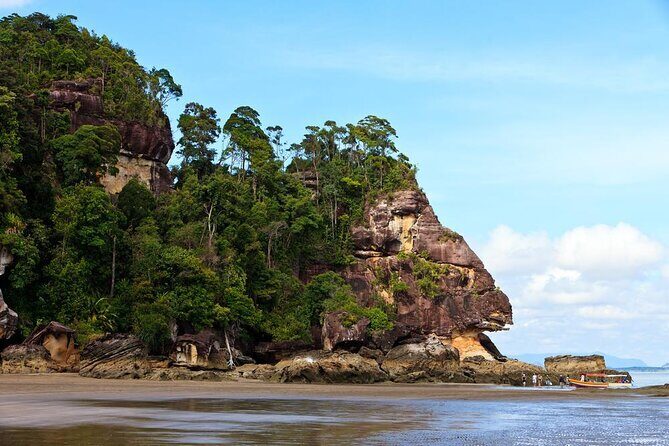
- Boat transfer from the Bako fishing village, a quick hop before you hit the park zone
- Seven distinct ecosystems packed into just 16 square kilometers
- Wildlife odds improve with a guide, including famous proboscis monkeys
- Trails range in difficulty, so you can choose a less-intense route if needed
- Air-conditioned transport and pickup available, which matters in Malaysia’s heat
Why Bako National Park fits a half-day from Kuching
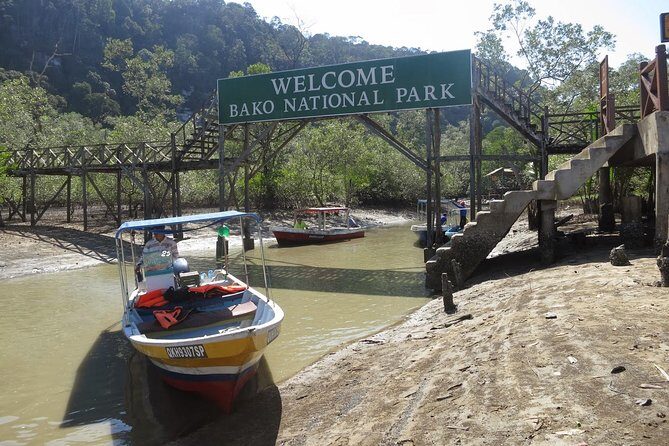
If you have limited time in Kuching, Bako National Park is a practical choice. You get a full rainforest feel without having to commit to a long jungle trek day. The park sits close enough that your morning plan stays simple: you start early, reach the Bako jetty area, transfer by boat, then spend the main chunk of your time exploring on foot around the park headquarters and trails.
Bako is also unique in how varied it is. The park covers only 16 square kilometers, yet it holds seven ecosystems. That means you can go from beach vegetation to cliff faces, then into mangroves, peat swamp forest, heath forest, and grasslands, often without changing your whole day plan. In plain terms: you’re not stuck walking the same kind of scenery for hours.
You can also read our reviews of more tours and experiences in Kuching.

The boat ride and how it sets the tone

The day starts around 8:00 am, usually with pickup and an air-conditioned vehicle. You’ll head toward the fishing village of Bako, and it takes about half an hour to reach the jetty area before boarding the boat.
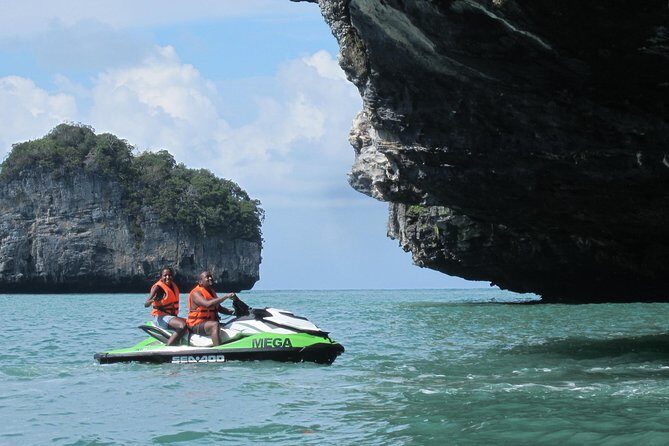
This transfer matters more than it sounds. It gets you out of the “drive-and-look” mode and into the coast-to-forest rhythm that Bako is known for. The coast here is shaped by millions of years of erosion, so you’ll see the result right away: cliff faces, sandstone structures, sea stacks, and sandy stretches that look untouched from a distance.
When you do this as a guided experience, the boat and arrival aren’t just transport. They help you start with better context for what you’re about to see, and that makes your later wildlife spotting easier.
Seven ecosystems in one park (and what you’ll notice on the walk)

Bako’s seven ecosystems aren’t just a list. They show up as different plant types, different ground conditions, and different wildlife behavior. Here’s what you can expect to notice as you move around.
Beach and cliff vegetation
Near the coast, you get hardy plants adapted to wind and salt. Cliff-edge areas tend to feel exposed, which can change how animals move and where they pause.
Mangroves
Mangroves are a big reason Bako feels alive. Roots and tangled growth create natural cover for wildlife, and you may spot movement in places that look “too busy” to search.
Peat swamp and mixed dipterocarp forest
These parts of the park typically feel more enclosed. Expect more humidity and that classic rainforest sense of “everything is working quietly,” from insects to birds to hidden mammals.
Heath forest and grasslands
This variety is why Bako feels efficient. You might walk from dense-looking forest to areas with more open ground, and that can affect your viewing chances and photo angles.
Add it up and Bako becomes a kind of living map. Even with a limited time window, you’re getting a real sampling of Sarawak’s natural variety.
Wildlife spotting: where a good guide changes everything
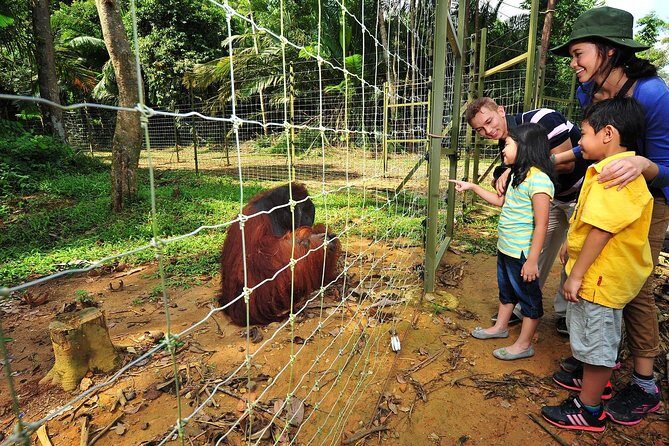
Yes, you can see wildlife on your own. But Bako is one of those places where a guide can seriously improve your odds because animals don’t pose nicely. They choose cover, shade, and movement patterns that can look random until someone teaches you how to read them.
In this kind of tour experience, the most praised guides are the ones who focus on timing and safe crossing points for getting views without rushing. Names that come up often include Julian, Elvin (nicknamed in a way that suggests he’s great at reading animal behavior), JayBee, Alex, and Jey Ha. The common thread is that they know how to keep the group moving smartly while still giving you time to watch.
Here are species you may have a shot at:
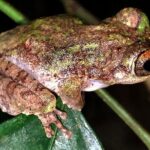
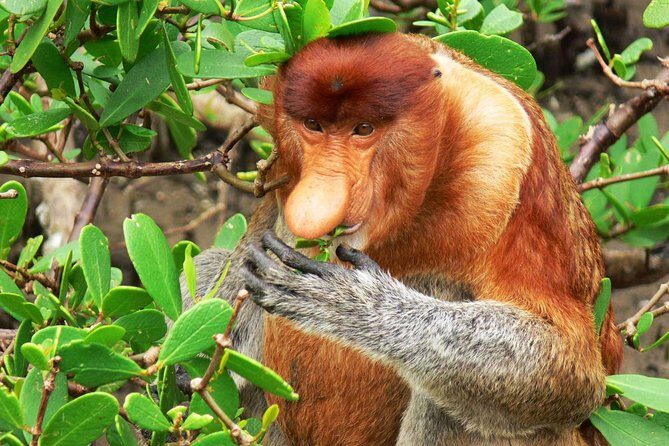
- Proboscis monkeys (often the star of the show)
- Other monkeys such as macaque and silver leaf
- Flying lemur (possible, especially if you’re in the right viewing rhythm)
- Bearded pig
- Monitor lizard
- Viper (you may hear about sightings, but you should treat it as wildlife you observe carefully, not search for)
- Plus other small movement and bird life you’ll notice once you’re no longer scanning aimlessly
A helpful mindset for Bako: think “watch longer, move less.” With a guide, you’re more likely to pause at the right moment rather than walking past the best chance while you’re busy trying to find the next trail.
Trails and fitness: how to choose the right effort level
The trip is built for people with moderate physical fitness. That doesn’t mean it’s a hardcore climb, but you should assume uneven paths, wet patches, and long enough walking to feel it by the end.
A useful detail to know: some routes are more demanding, while other options don’t require you to push to the most intense viewpoints. If you’re traveling with knees that don’t love steep grades, tell your guide early. You’ll often be able to keep the experience enjoyable while still getting good wildlife and scenery time.
Pack for changing conditions. Even if the forecast looks okay, the rainforest can shift quickly.



What to bring so the day stays comfortable

The tour guidance is straightforward, and you’ll be happier following it:
- Umbrella or poncho
- Hat or cap
- Good trekking shoes
Since no meals are included, plan your food the way you would for a full morning outdoors: bring snacks you can eat without fuss, and budget time for water breaks during the day. If you’re sensitive to heat, eat early and keep your pacing calm.
One more practical tip: wear clothing you don’t mind getting a bit dusty or damp. Bako is nature-first, not clean-and-casual-only.
Price and value: what $158 buys you
At $158 per person, this is not the cheapest outing in Kuching. The value comes from what’s included: entrance fees, guide and boat fee, transportation during the tour, and air-conditioned vehicle.
That matters because it’s not just a guided walk. You’re paying for the full chain: getting to the park area, the boat transfer, and the park access. When you compare that to piecing things together on your own (especially if you want pickup), the bundle can feel fair.
There’s also a maximum group size of 15, which is one of the best value signals you can ask for in a wildlife-focused trip. Smaller groups are usually easier to manage when the guide needs everyone listening and positioned correctly.
Festive-season pricing can change the math. There’s a 30% surcharge during Chinese New Year, Hari Raya Aldilfitri, Hari Gawai Dayak, Christmas Day, and the Rainforest World Music Festival. If your dates land in one of those windows, factor that into your budget.
Small details that make the trip run smoothly
The overall experience is designed to feel organized rather than chaotic. Pickup is offered, and you’ll be driven to the jetty area in an air-conditioned vehicle. Your guide then handles the flow once you’re at the park.
Even the small things tend to show up in how people talk about these trips: professional guidance, careful spotting, and practical pacing. One review highlighted the WhatsApp-style confirmation approach the evening before. Another praised guides for being helpful with photography. You don’t need to be a serious photographer for that to be useful; better viewing angles are still better viewing angles.
Also, this is non-refundable and can’t be changed once booked. That’s a downside if your plans are uncertain, so book only when your Kuching dates are truly firm.
Who should book Bako like this
This tour is a great match if you want:
- A wildlife-focused half-day without a full-day hiking commitment
- Help from a guide to improve your chances of seeing animals
- A route that still works if you need to avoid the most intense segments
I’d also say it’s ideal for city folks who want to learn fast. Kuching is easy to love on its own, but Bako is the quickest way to feel Sarawak rainforest in your bones—without turning it into a multi-day logistics puzzle.
When it might not be the right fit
If you’re looking for a completely low-effort experience with no walking, this probably isn’t your best match. The trip asks for moderate physical fitness, and trails are part of the point.
Also, if you hate getting rained on, plan to adapt. You’ll be asked to bring umbrella or poncho, and that’s not optional advice.
Should you book Bako National Park from Kuching?
I think you should book this tour if you have limited time and you care about wildlife odds. The included boat + park access + guiding is what makes it feel like real value for the money, and the small group size helps keep your day watchable instead of rushed.
Skip it (or pick another plan) if your schedule is fragile, because it’s non-refundable and can’t be changed. And be honest with yourself about fitness: bring trekking shoes, go at a steady pace, and follow your guide’s route choices.
FAQ
What time does the tour start?
The start time is 8:00 am.
How long is the Bako National Park tour?
It runs about 3 to 5 hours (approx.).
Is pickup included?
Yes. Pickup is offered, and you’ll use transportation during the tour in an air-conditioned vehicle.
What’s included in the price?
The price includes entrance fees, a guide and boat fee, transportation during the tour, and the air-conditioned vehicle.
What’s not included?
Meals are not included, and gratuities are not included (they’re recommended). Anything not listed in the inclusions is also not included.
How many people are in the group?
The tour has a maximum of 15 travelers.
What should I bring?
Bring an umbrella or poncho, hat or cap, and good trekking shoes.
Are children allowed?
Children must be accompanied by an adult.