REVIEW · KUCHING
Bako National Park
Book on GetYourGuide →Operated by Asni Tours · Bookable on GetYourGuide
Rainforest walking beats the beach alone.
Bako National Park in Sarawak is Malaysia’s oldest gazetted national park, and the tour is a strong crash course in how the jungle, cliff edges, and coastal life work together. I like that you’re going through a small park area—just 16 square kilometers of primary forest—yet you pass seven distinct ecosystems, which keeps the scenery changing as you trek and stop for wildlife spotting. One thing to plan for: the exact route and what you can see can be tide-dependent, so your day may shift with the water schedule.
The boat portion is a big part of why this works. You head to the park headquarters after a short transfer from the fishing village of Bako, and the sea-stack stop is the payoff—rock formations that once stood taller but collapsed over time, leaving the dramatic shapes you came for. My other favorite is the pacing: morning into trekking, then you unwind afterward. The trade-off is simple: lunch at the Bako canteen is on your own, and you’ll need to bring the right gear for sun, rain, and insects.
In This Review
- Key Things I’d Put at the Top
- Bako National Park in Sarawak: old protection, big nature variety
- The 08:00 start: how the Kuching-to-Bako rhythm works
- Trekking through rainforest ecosystems without getting lost
- Sea stacks and the science of erosion (aka why the coast looks surreal)
- Lunch at Bako Canteen: plan for it, don’t assume it’s included
- What you’re actually paying for at $179 per person
- How good guides make or break the jungle day
- Who should book Bako with Asni Tours, and who might want a different fit
- Should you book Bako National Park?
- FAQ
- Where is Bako National Park located?
- How much does the Bako National Park tour cost?
- What time does the tour start?
- Is park entrance and the boat included in the price?
- Are meals included?
- What should I bring for the trip?
- Is the tour in English, and can children join?
Key Things I’d Put at the Top
- Oldest gazetted park in Sarawak: a true intro to local rainforest life, not just a quick photo stop.
- Seven ecosystems in 16 square kilometers: you’ll see different plant worlds without traveling far.
- Local guide + boat ride: the day feels like a guided field trip, not a bus tour.
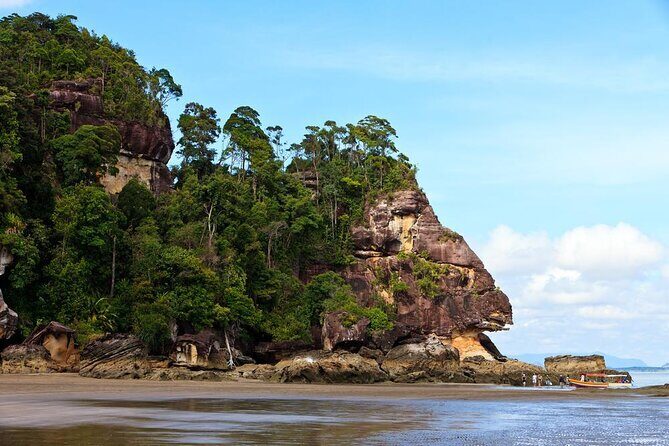
- Sea stacks with a backstory: collapsed rock formations shaped by millions of years of erosion.
- Tide matters: timing can change what routes or coastline views you get that day.
Bako National Park in Sarawak: old protection, big nature variety
If you like seeing how one place can hold very different habitats, Bako is a smart choice. This park is the oldest gazetted national park in Sarawak, so it’s been set aside for a long time—and that history shows in how it’s organized for visitors. The core of the experience is that compact size: only 16 square kilometers of primary forest, yet the park includes a full range of natural zones.
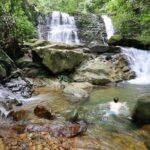
That shows up in the ecosystem list you’ll be surrounded by: beach vegetation, cliff vegetation, mangrove, peat swamp forests, mixed dipterocarp forest, heath forest, and grasslands. Translation for your day: your eyes keep getting new targets. If one trail feels like coastal edge, another may shift toward darker swampy forest textures, then back toward drier grassland viewpoints. Even if wildlife activity is slow, the plant variety keeps things interesting.
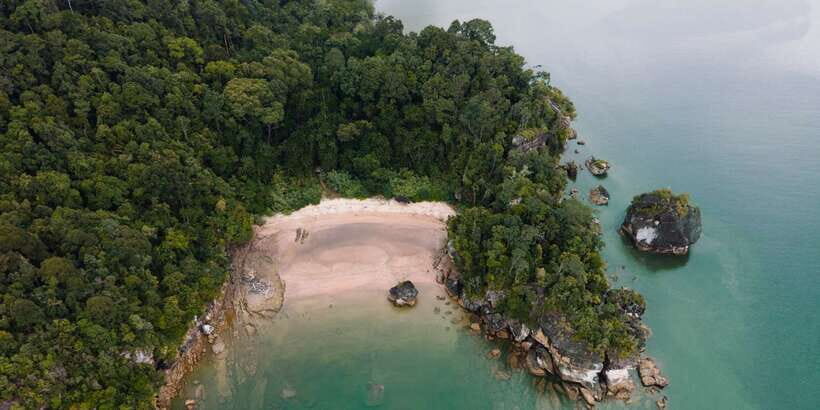
And yes, the coastline is part of the “wow.” The park’s beaches and headlands have been shaped by constant erosion over millions of years, which is why the area looks so sculpted and weathered. That kind of geology matters because it explains the “sea stack” theatrics later. Those rocks weren’t always the way they look now—they’re the remnants of formations that once were taller and more dramatic.
You can also read our reviews of more tours and experiences in Kuching.
The 08:00 start: how the Kuching-to-Bako rhythm works

The tour begins in the morning (around 8:00 AM) and runs like a real half-day nature outing. First, you travel from Kuching to the Bako area by transportation in an air-conditioned vehicle. That matters because Malaysia heat can be sharp early, and you don’t want to arrive drenched before the trek even starts.
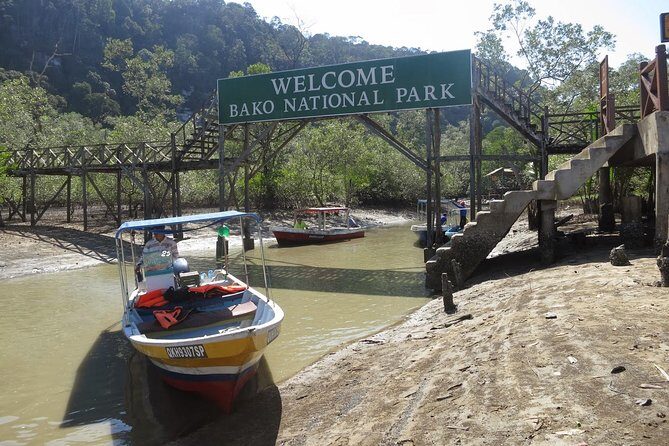
Then comes the boat connection. It takes about half an hour for the fishing village of Bako to board the boat to the park headquarters. This is one of those unglamorous but important moments: you’re switching from road time to water time. And water time is when the day starts feeling like Borneo—cooler air at the sea, more birds than roads usually have, and those coastal views that you’d miss if you only stayed on land.
A practical note: if you’re the kind of person who likes to understand timing, keep your expectations flexible. One negative experience I saw wasn’t about the park itself; it was about how transfer timing fit (or didn’t fit) what was expected for the day. So if your schedule is tight, give yourself breathing room and don’t assume every minute will match a perfect, brochure-style block.
Trekking through rainforest ecosystems without getting lost

This outing is built around jungle walking, but it’s not “rough expedition” marketing. You’re going in the morning, with a guided plan and park structure, and then you move toward a famous sea-stack area before heading back. What makes it feel worthwhile is the way dense jungle trails connect those ecosystem zones.
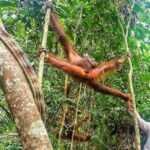
Even without naming specific animals on every step, the park’s purpose is clear: it’s a strong introduction to Sarawak flora and fauna. The guides are local and tend to focus on spotting wildlife. In the best experiences, that wildlife spotting is active and you end up seeing a lot of what you came for.
Still, you should treat sightings like a nature lottery. The park has plenty of life, but you can’t control what’s feeding, hiding, or moving. One review included a complaint about expectations around monkeys and the reality on the ground. I’d read that as a reminder: plan for the environment first, and let animals be the bonus, not the guarantee.
What to wear and pack isn’t just “nice to have.” The tour guidance is strict about foot and weather basics:
- umbrella or poncho
- hat or cap
- trekking shoes
- sunscreen and insect repellent
- rain gear, plus hand sanitizer or tissues
Camera time is real here, so protect your kit from rain and splashes. The jungle is humid. Even if the sky stays mostly calm, you’ll want a backup plan if the light turns gray.
Sea stacks and the science of erosion (aka why the coast looks surreal)

The famous sea-stack stop is the other big draw. You’ll go toward the sea stacks after lunch, then return to Kuching. Here’s why that stop has more meaning than a pretty viewpoint: the sea stacks are the “leftovers” of earlier rock structures.
The park explains the story of the coast: those sea stacks were once majestic rock formations. Over time, they collapsed. What you see now is the result—shapes carved and reduced by the slow grinding power of water and erosion. It’s dramatic geology you can stand near, and it makes the coastline feel like it has a long memory.
One more key detail that affects your day: the tour very much depends on water tide. That doesn’t mean you won’t enjoy anything if you hit an inconvenient tide. It means the best coast access, viewpoints, or walkable shoreline timing can change. If you’re the type who hates uncertainty, this might feel annoying. If you’re the type who travels to be in the real world, it’s part of the charm.
For best results, approach the sea-stack stop with a “wait for the tide” mindset. Your guide is the person with the map of today’s reality, so trust the plan and be ready to shift your timing.
Lunch at Bako Canteen: plan for it, don’t assume it’s included
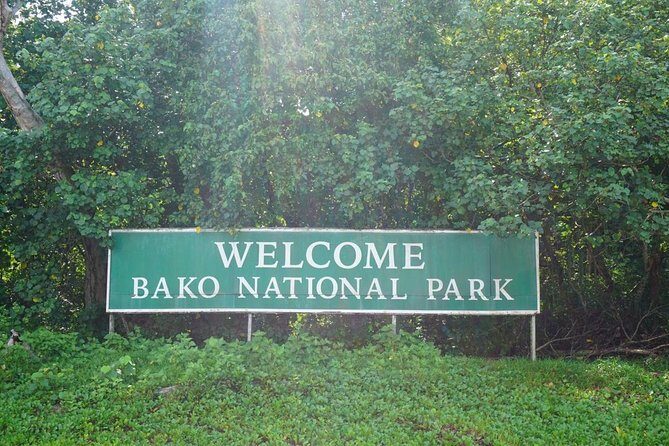
Lunch is served at Bako Canteen, but meals are not included in the tour price. That’s not a deal-breaker, but it does affect your budgeting.
Here’s how I’d handle it: treat lunch as a local stop that you can manage instead of a covered expense. Because the trek is outdoors, you’ll likely appreciate something filling and simple. And because your afternoon plan is set around the sea-stack timing, you don’t want to drift into a long sit-down or a slow snack you didn’t plan for.
If you have dietary restrictions, you’ll want to check what’s available on the day. The data here only confirms the lunch is at the canteen, not what the menu always looks like.


What you’re actually paying for at $179 per person
At $179 per person, this tour isn’t a budget-only outing, but it also isn’t just a labeled “nature walk.” Your included items are meaningful:
- entrance fee to Bako National Park
- guide and boat fee
- transportation during the tour
- air-conditioned vehicle
In other words, you’re paying for access, local guidance, and the boat logistics that connect the coast to the park headquarters. That’s why the price makes sense if you value guided time and don’t want to figure out water transport on your own.
What’s not included:
- meals
- anything not listed
So the value comes from combining park fees + guide + boat in one package. If you’re already the independent type and you’d happily arrange transport and tickets separately, you might compare costs. But if you’d rather show up, follow a plan, and focus on the sights, the structure is exactly what you’re buying.
How good guides make or break the jungle day
A standout theme from the positive experiences is the local guide approach. The best versions of this day describe a guide who’s passionate, with enough knowledge to help you notice wildlife and read the terrain. That matters because in a rainforest setting, it’s easy to walk past what’s right in front of you.
A guide also helps you manage the practical side: where to step, how to move on trails, and when to pause for views. That all feeds into the most rewarding part of Bako—seeing wildlife and plant life without turning it into stress.
At the same time, wildlife and expectations can clash. One low rating complained about differences between what was expected and what was actually visible. I’d treat that as a signal to keep expectations flexible. Bring your curiosity, not a checklist of guaranteed animals.
Who should book Bako with Asni Tours, and who might want a different fit
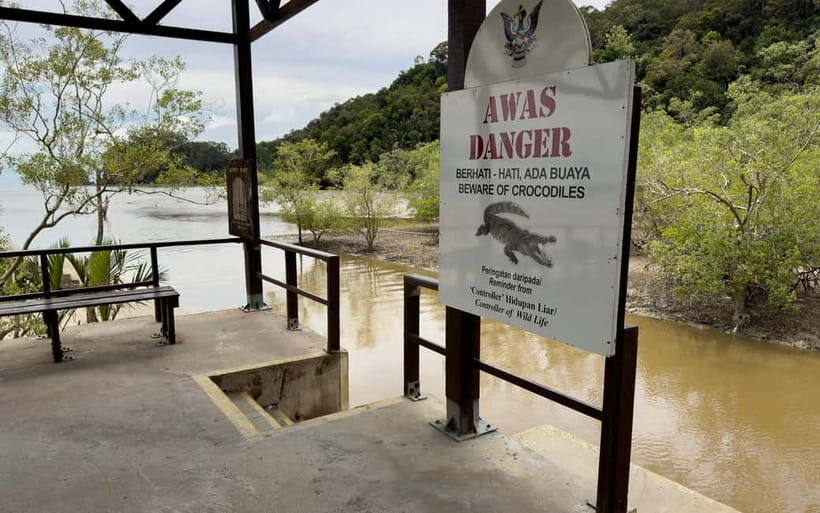
This is a strong match if you:
- want a morning nature outing from Kuching
- like rainforest trekking that’s guided
- care about geology and coastline scenery, not just “trees everywhere”
- can handle the fact that tide affects what you can do
- want an English-speaking tour
It may be less ideal if you:
- need a totally predictable timetable with no tide-based changes
- want meals included in the price (lunch is your responsibility)
- are very sensitive to weather (rain gear is required)
Kids are also part of the decision. The rule is straightforward: children must be accompanied by an adult. So family groups should be ready to manage trekking time and gear.
Should you book Bako National Park?
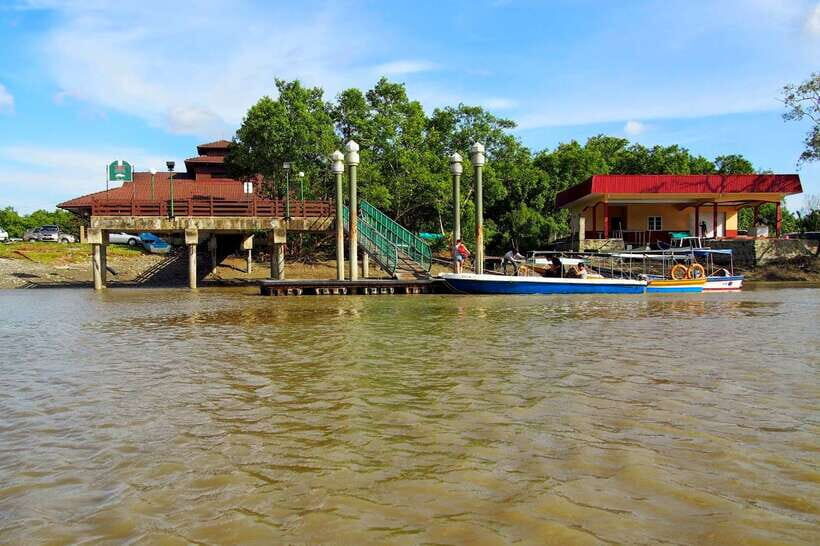
Yes, I think you should book this tour if you want a guided way to experience one of Sarawak’s most historically protected parks and you’re happy letting the tide shape parts of the plan. The mix—primary rainforest ecosystems, a boat-led route, and sea-stack geology—gives you more variety than the word “jungle” alone suggests.
If you’re deciding between options, choose this one when you value organization (entrance, guide, boat, transport) and you’re willing to show up prepared with the right trekking shoes, rain gear, and bug protection. If you need every minute scheduled down to the last detail, you might feel frustrated by the tide-dependent nature of the coastline. For most people who travel for real places, that’s not a flaw—it’s part of why Bako feels alive.
FAQ
Where is Bako National Park located?
Bako National Park is in Sarawak, Malaysia.
How much does the Bako National Park tour cost?
The price listed is $179 per person.
What time does the tour start?
The tour starts at 8:00 AM.
Is park entrance and the boat included in the price?
Yes. The entrance fee to Bako National Park and the guide and boat fee are included.
Are meals included?
No. Meals are not included. Lunch is served at Bako Canteen, but it is an extra cost (on your own).
What should I bring for the trip?
Bring an umbrella or poncho, camera, comfortable clothes, hand sanitizer or tissues, sun hat, sunscreen, insect repellent, and rain gear. Good trekking shoes are required.
Is the tour in English, and can children join?
The tour language is English. Children must be accompanied by an adult.