REVIEW · KUCHING
Sarawak Cultural Village Tour
Book on Viator →Operated by Brighton Travel & Tour Sdn Bhd · Bookable on Viator
Seven cultures in four hours sounds almost too good. My favorite part is how replica homes for Sarawak’s major ethnic groups (Bidayuh, Iban, Orang Ulu, Penan, Melanau, Malay, Chinese) are staffed by people in traditional dress doing hands-on activities. I also love the cultural performances, which give context fast. One thing to plan for: the site involves walking, so you’ll want at least moderate comfort on your feet.
This is a true half-day “start where you are” experience: you’re picked up from your hotel, driven to the village, then guided through a compact slice of Sarawak culture. The small max group size (up to 15) helps it feel more personal than a big bus stop.
At $85 per person, it’s not the cheapest thing in Kuching, but the value is in what’s included: entrance plus transportation, and even boat and guide fees. If you’re hoping for long, detailed museum-style lectures, keep your expectations aligned with a 4-hour overview.
In This Review
- Key highlights you’ll actually feel during the tour
- Sarawak Cultural Village in Kuching: why this “replica” museum works
- Price and value: what $85 covers and what you should budget extra
- Hotel pickup and the 30-minute drive: the easy start matters
- The core experience: walking through seven cultures on one compact site
- Replica longhouses and traditional homes: what the buildings are telling you
- Costumed storytellers: hands-on activities and photo moments
- Cultural performance: the show is where things click
- Why having a guide (like Wesley) changes everything
- Who this tour suits best (and who should consider alternatives)
- Festive-season surcharge and small extras you shouldn’t forget
- Should you book Sarawak Cultural Village?
- FAQ
- What time are the hotel pickups for Sarawak Cultural Village?
- How long does the tour last?
- Where is Sarawak Cultural Village located?
- Is the entrance fee included in the tour price?
- What else is included besides the entrance ticket?
- Are meals included?
- What group size should I expect?
- Is there an extra charge during holidays?
- What is the cancellation policy?
Key highlights you’ll actually feel during the tour
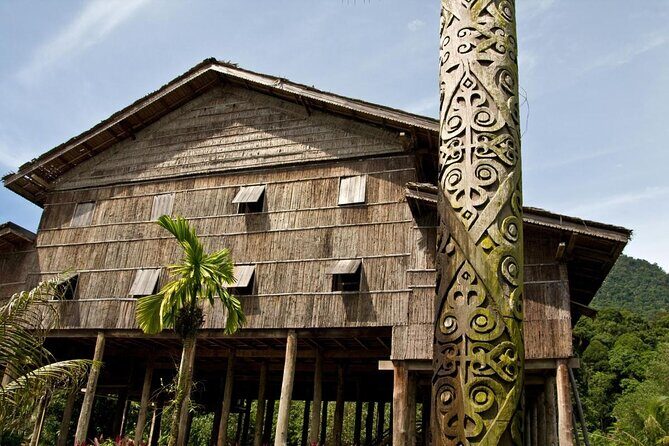
- A living museum across 17 acres, set just across from Damai Beach Resort and hotels
- Replica homes for seven cultures, including Borneo longhouse-style structures
- Costumed storytellers run traditional activities and will happily pose for photos
- A polished cultural performance that turns the visit from viewing into understanding
- Small groups (up to 15), which makes the guide’s explanations easier to follow
Sarawak Cultural Village in Kuching: why this “replica” museum works
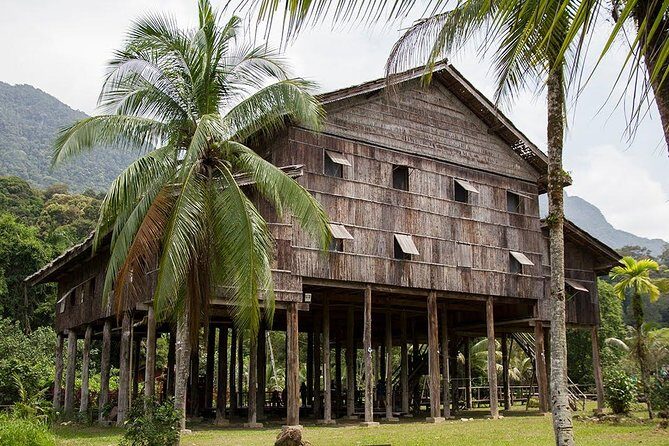
If you only have part of a day in Kuching, Sarawak Cultural Village is built for that reality. Instead of scattering your time across multiple attractions, you get a condensed tour of Sarawak’s ethnic groups on one site. The big idea is simple: seven cultures shown through real-looking homes, daily-life activities, and explanations.
Yes, the buildings are replicas. But that’s not a downside by itself. What matters here is the staffing—people from the groups represented in Sarawak are in traditional costume, describing their way of life and performing the kind of tasks visitors can connect with. That turns the buildings from set pieces into something closer to a guided introduction.
The location also helps. The village sits across from Damai Beach Resort and hotels, so it feels like an outing with a fixed destination, not a scavenger hunt across town.
You can also read our reviews of more tours and experiences in Kuching.


Price and value: what $85 covers and what you should budget extra
At $85 per person, you’re paying for a structured, guided half-day. The tour includes the entrance fee, transportation in an air-conditioned vehicle, and boat and guide fees. It’s the kind of all-in package that keeps you from spending half your time figuring out what’s extra.
What’s not included is equally important. Meals aren’t provided, and gratuities are recommended. You’ll also want to think about travel insurance, since it isn’t listed as included.
Then there’s one cost factor many people forget: during major festive periods, there’s a 30% surcharge for Chinese New Year, Hari Raya Aldilfitri, Hari Gawai Dayak, Christmas Day, and the Rainforest World Music Festival. If your dates fall near those events, this can noticeably change the value.
Hotel pickup and the 30-minute drive: the easy start matters
The tour runs with pickup from your hotel in Kuching at either 9:00 AM or 2:00 PM. You meet an English-speaking driver at the hotel lobby, then head out for about a 30-minute ride to the village.
That drive time sounds short because it is. But for a half-day tour, it’s a big deal: you don’t lose your morning or afternoon to transit headaches. You also arrive ready to concentrate, which makes the storytelling and cultural demonstrations land better.
With a tour duration of about 4 hours, the timing is designed for people who don’t want to commit to a full day tour in Sarawak. It’s a good fit if you’re juggling other plans like beach time at Damai, food stops in town, or an evening show.
The core experience: walking through seven cultures on one compact site
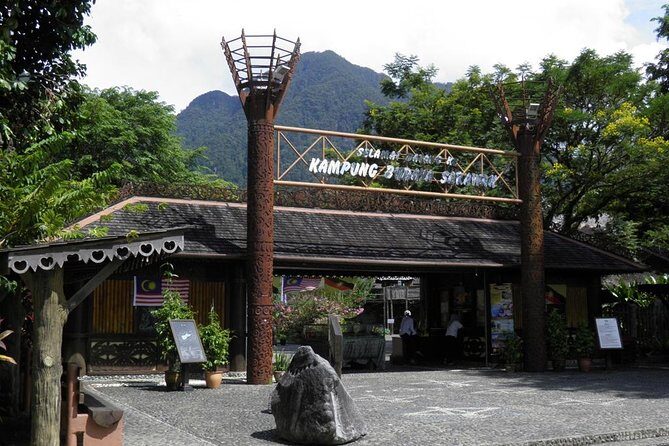
Once you’re at Sarawak Cultural Village, the tour is essentially a guided stroll through representative homes. The concept is that Sarawak’s cultures are condensed into a 17-acre living museum—your walk becomes the route.
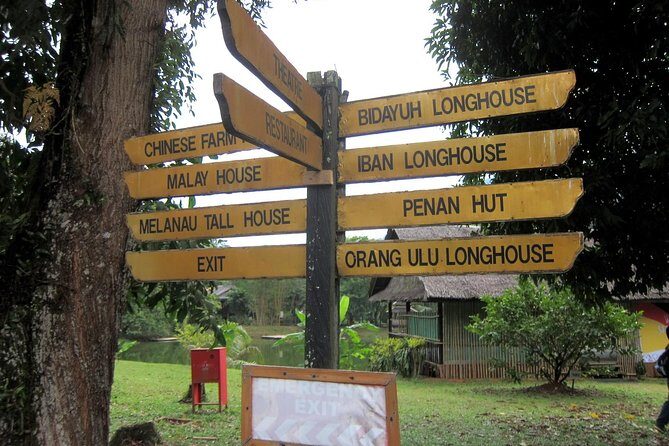
You’ll see replica buildings for each major group represented in the village: Bidayuh, Iban, Orang Ulu, Penan, Melanau, Malay, and Chinese. The longhouse connection shows up too—this is one of the most recognizable “Borneo” styles people come to understand, and the site is set up so you encounter those longhouse-style ideas directly rather than only through photos.
Here’s what to pay attention to during your walk:
- Notice how the spaces are arranged and how each home connects to daily life.
- Listen for explanations that link tools, materials, and routines to cultural identity.
- Take your time at each building—some of the value is in slowing down long enough to ask questions.
The site covers a lot of ground in a short time, so the “leisurely stroll” pace matters. Wear comfortable shoes and plan for the fact that you’ll be moving for those four hours.
Replica longhouses and traditional homes: what the buildings are telling you
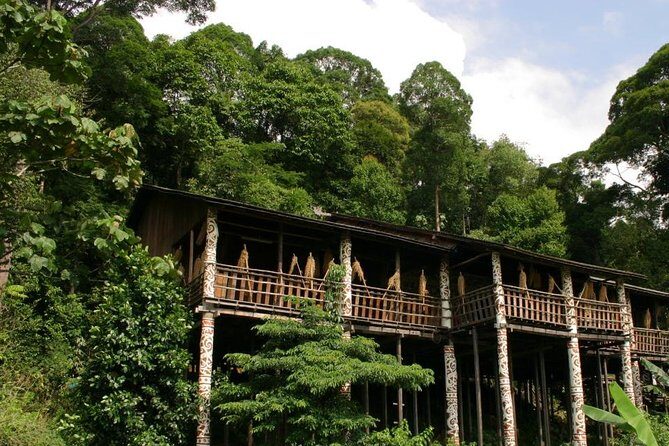
It’s easy to look at replica houses and think, So what? The key difference at this village is that each building is staffed and interpreted. People in traditional clothing are there to explain what you’re seeing and why it matters.
When you visit each home, you’re not just looking at architecture. You’re getting an entry point into:
- how communities live and organize space
- what traditional activities look like in practice
- how culture shows up in everyday routines
The village’s goal is an introduction—think of it as an orientation to Sarawak, not a deep academic course. That’s why a guide makes such a difference. With the right explanations, each building becomes a story you can remember, not just a structure you walked past.




Costumed storytellers: hands-on activities and photo moments
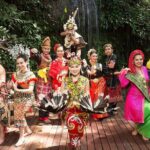
One of the most practical perks of this tour is the way the staff interact. They’re described as storytellers who interpret the way of life, and they’ll happily pose for photos. That matters because it changes the social rhythm of the visit.
Instead of feeling like you’re a distant observer, you’re invited into the interaction. If you enjoy learning by talking—asking why something is done a certain way—you’ll likely get a lot out of that.
A nice detail from the experience is how the traditional activities are presented while you’re inside or right near the replica spaces. That helps you connect the explanations to visible actions, like you’re watching daily practice rather than only hearing a lecture.
Tip for your photos: if you want the best interaction, step into the moment politely. Ask first. Then after the quick photo, linger for the explanation. Those are the moments that tend to stick.
Cultural performance: the show is where things click
The tour includes a cultural performance as part of the overall visit. From what people praise most, it’s not a half-hearted add-on. The dance show is described as beautiful, and the performers come across as genuinely skilled—musicians, dancers, singers, and even comics, all performing as a polished group.
This is the payoff section for many first-time visitors. After you’ve spent time walking through the homes and explanations, the performance pulls those themes together into something you can feel.
If you’re deciding whether to attend with your full attention, do it. Even if you don’t understand every element right away, watching the rhythm and energy helps you understand that the performance is not random entertainment. It’s part of how culture communicates.
Why having a guide (like Wesley) changes everything
If you’re the type who likes details, you’ll probably appreciate the guides here. One guide named Wesley gets specific praise for making the houses come alive with his knowledge. The point isn’t that you can’t enjoy the visit on your own—it’s that you might miss the meaning.
A strong guide does two things well:
- They connect each building to the culture it represents.
- They translate what you’re seeing into everyday understanding, fast enough to keep your attention.
I’d plan on using the guide like a translator for your eyes. Ask short questions while you’re standing in front of the home. Then you’ll get answers while the scene is still in front of you.
Also, if you’re worried the tour will be too fast, this is where a guide helps most—someone who knows the flow can keep you from feeling lost, even during a 4-hour timetable.
Who this tour suits best (and who should consider alternatives)
This is a great choice if you want a smart introduction to Sarawak’s ethnic groups without spending a full day traveling. It also fits families, since it’s paced as a half-day outing with activities, photos, and a professional show.
You’ll likely enjoy it most if you:
- want a cultural overview in 4 hours
- like guided storytelling and explanations at each stop
- want an easy hotel pickup structure in Kuching
- enjoy cultural dance and performance as part of learning
On the other hand, if you’re after long-form, museum-depth history, this may feel like a survey. You’re getting an overview across seven cultures on one site, not a slow, exhaustive study of any single group.
And if walking for a few hours is hard for you, plan accordingly. The tour is described as suitable for travelers with moderate physical fitness, which suggests you’ll be on your feet more than in a purely indoor attraction.
Festive-season surcharge and small extras you shouldn’t forget
Most of the time, budgeting is straightforward: the tour price covers entrance, transport, and listed fees. But in the dates around major holidays and special events, there’s a 30% surcharge. If you’re traveling during Chinese New Year, Hari Raya Aldilfitri, Hari Gawai Dayak, Christmas Day, or the Rainforest World Music Festival, you’ll want to factor that into your total.
Also remember the basics: meals aren’t included. If you’re doing the morning pickup, have a light breakfast before you go. If you’re doing the afternoon pickup, plan a pre-tour snack so you’re not hungry during the stroll and show.
Gratuities are recommended but not included. If you appreciate the guide’s work and the staff effort, it’s reasonable to set aside some cash for that.
Should you book Sarawak Cultural Village?
I’d book this tour if you want an efficient, guided look at Sarawak’s cultures in one place. The combination of seven cultures, costumed storytellers, and a professional cultural performance makes it feel worth the half-day commitment. It’s especially strong for first-timers who want the context to enjoy Sarawak beyond a single photo.
You might skip it if you’re specifically hunting for deep historical research, or if you hate any walking at all. Also, double-check your dates if you’re traveling during festive periods because the 30% surcharge can change the value.
If you’re deciding between DIY and a guided visit, my advice is simple: take the guide. When someone like Wesley turns each house into a story, the visit stops being scenery and becomes understanding.
FAQ
What time are the hotel pickups for Sarawak Cultural Village?
Pickup is offered at 9:00 AM or 2:00 PM, depending on the tour option you book.
How long does the tour last?
The tour lasts about 4 hours.
Where is Sarawak Cultural Village located?
It’s in Kuching, Malaysia, across from Damai Beach Resort and hotels.
Is the entrance fee included in the tour price?
Yes. The entrance fee is included.
What else is included besides the entrance ticket?
Transportation in an air-conditioned vehicle is included, along with boat and guide fees.
Are meals included?
No, meals are not included.
What group size should I expect?
The tour has a maximum of 15 travelers.
Is there an extra charge during holidays?
Yes. There’s a 30% surcharge during Chinese New Year, Hari Raya Aldilfitri, Hari Gawai Dayak, Christmas Day, and the Rainforest World Music Festival.
What is the cancellation policy?
The experience is non-refundable and cannot be changed for any reason.