Orangutans aren’t predictable, and that’s the fun. A visit to Semenggoh Wildlife Centre shows how injured and orphaned orangutans are trained for life in the forest, not staged for a show. You get a guided walk through the centre’s learning spaces and a real chance to see semi-wild animals return for meals in their own rhythm.
What I liked most is the focus on the rehab story—how wardens trained young orangutans and how graduates now live around the forest reserve. I also really appreciated the on-the-ground guide approach: clear, practical explanations, plus an effort to help you spot animals even when they stay hidden.
The main thing to consider is timing: orangutans range through the forest, and the best sightings often line up with feeding windows (often 8–10 and 2–4). If your pickup and arrival don’t match, you might spend more time listening and waiting than spotting close-up action.
In This Review
- Key takeaways before you go
- Semenggoh’s real draw: semi-wild orangutans and a rehab mission
- How the 3-hour tour actually plays out
- Stop-by-stop: what you’ll see and what to watch for
- 1) Semenggoh Wildlife Centre grounds and the rehab learning story
- 2) Interpretation area and the botanical research angle
- 3) Orangutan Gallery: the stories behind the animals
- 4) The semi-wild viewing moments: patience plus good guidance
- Pickup, timing, and group size: the small details that change your day
- Price and value: is $44 fair for what you get?
- Who should book this tour (and who may want to think twice)
- Practical tips to improve your odds of great sightings
- Should you book the Wonder Orangutan Sarawak Semenggoh tour?
- FAQ
- Is hotel pickup included?
- What if my hotel is more than 5 km from the city centre?
- How long is the Semenggoh Wildlife Centre tour?
- How much does the tour cost?
- What’s included in the ticket price?
- Is food or drinks included?
- Where do I meet for the tour?
- How big are the groups?
- Are orangutans guaranteed to be seen?
- When are orangutans typically fed?
- What is the cancellation policy?
Key takeaways before you go
- Semi-wild living, not zoo routines: orangutans roam the forest reserve but still come back for a free meal.
- Rehab training matters here: the centre’s work started in 1975, and you’ll learn what makes rehabilitation different.
- Small group size: the tour caps at 15 travelers, so you’re not stuck in a huge crowd.
- A real guided learning route: you’ll move through the interpretation/learning areas and the orangutan gallery.
- Feeding windows affect your odds: plan your day around the usual meal times (8–10 and 2–4).
Semenggoh’s real draw: semi-wild orangutans and a rehab mission
Semenggoh Wildlife Centre is the big orangutan rehabilitation centre in Sarawak, established back in 1975. It’s not just a place where animals sit behind fences. The goal is to take injured and orphaned orangutans, help them develop wild survival skills, and then release them—or keep them as semi-wild residents around the forest reserve.
That mission changes what the visit feels like. Instead of watching a performance, you’re observing a working program in action. You learn why wardens mattered so much over the years, and how successful graduates ended up supporting a thriving population in the surrounding reserve. It’s also a reminder that wildlife conservation is slow work. The centre even transferred the main program to Matang Wildlife Centre, yet Semenggoh still holds graduates, semi-wild orangutans, and their babies—so you can often see how a “forest life” story continues after training.
I like that the experience gives you more than animal spotting. You get context: what the centre does, why certain orangutans are there, and how the forest reserve functions like part of the habitat rather than a backdrop.
A few more Kuching tours and experiences worth a look
How the 3-hour tour actually plays out
This tour runs about 3 hours, and it’s designed to be efficient from Kuching. You’ll have hotel pickup and drop-off (with a free option inside a 5 km radius from the city centre), then ride to the centre in an air-conditioned vehicle. The group size is capped at 15, which helps with pace and spotting.
The visit is structured as a guided route with stops that mix learning and observation. You’re typically moving between the centre’s public-facing learning areas and points where orangutans may be visible—then wrapping back to the same pickup base at the end.
Here’s the rhythm that matters for your expectations:
- You’re not going to “force” sightings. Orangutans decide whether they show up.
- The guide’s job is to help you make the most of the time you have—by explaining behavior and helping you scan where animals are likely to be.
- Timing can make a huge difference. If you arrive outside typical meal times, you may see less feeding and fewer close-up moments.
If you’re the kind of traveler who loves waiting quietly with a sense of purpose—listening for movement, scanning the trees, watching gestures—you’ll enjoy this more than you’d expect.
Stop-by-stop: what you’ll see and what to watch for
1) Semenggoh Wildlife Centre grounds and the rehab learning story
The main focus starts at the centre itself. You’ll hear how wardens trained young orangutans rescued from captivity or orphaned. The program’s success is the key plot point: those training efforts helped build a population of healthy adolescent and young adult orangutans around the forest reserve.
One practical thing I like about this part is how it helps you interpret what you see next. If you understand that orangutans may come and go through the reserve, and that some individuals are semi-wild while others are not yet released, your viewing becomes more “readable.” Instead of only thinking Where are they?, you’re watching patterns: movement through branches, returns toward areas where people can observe, and the times when food draws them closer.
What might affect your spotting: if it’s fruiting season in the forest, some or even all of the orangutans may be less concentrated around the centre’s meal area. In plain terms, the forest can compete with the snack schedule.
2) Interpretation area and the botanical research angle
You’ll get time in the Interpretation Area and also visit the Botanical Research Centre. This is where you shift from animal-only watching to a fuller picture of the ecosystem they live in.
This part matters because orangutans aren’t just a single attraction. They’re a primate that depends on a living system: trees, fruiting cycles, and the forest reserve itself. Even if you’re mainly there for the orangutans, this learning stop helps you understand why sightings vary day to day and season to season.
Also, it’s a good way to handle the reality that orangutans can be far away. If they’re quiet or hidden during part of your route, you’re still getting value from the guided explanations.
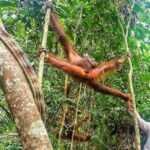
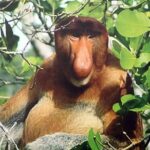
3) Orangutan Gallery: the stories behind the animals
Next comes the Orangutan Gallery, a stop designed to put faces and behavior into context. This is where the rehabilitation mission becomes personal—how these animals ended up here, what training is supposed to accomplish, and why Semenggoh can still be a place to observe orangutans that haven’t yet been released into the wild.
I like this stop because it gives you a mental checklist. When you later spot an orangutan (even from a distance), you’re less likely to feel like you’re just watching motion. Instead, you’re thinking: what stage might it be in, what behavior might reflect training, and how the centre’s role fits into the bigger conservation picture.
4) The semi-wild viewing moments: patience plus good guidance
The best part is still the wildlife viewing itself. Semenggoh is known for orangutans that roam most of the time but frequently come back for a free meal. That’s the key idea behind your viewing odds.
If your schedule lines up, you can catch more active moments—orangutans near areas where they can be observed without crowding. If it doesn’t line up, your experience may feel quieter, more about listening and scanning than about dramatic feedings.
One detail worth planning around: feeding tends to fall in the 8–10 and 2–4 windows. I can’t promise the exact timing each day, but those windows are important enough that you should try to aim your arrival around them when possible.
Pickup, timing, and group size: the small details that change your day
The tour includes hotel pick up and drop off, but the free pickup is limited to hotels within 5 km of the city centre. If your hotel is beyond that radius, there’s an additional USD 40 surcharge for pickup outside the 5 km range.
This matters because it affects two things:
1) your comfort and how much time you spend commuting
2) your chance of landing near meal windows
So before you book, check your hotel distance from the Kuching city centre. The tour also runs near public transportation, but having pickup is a big help when you’re trying to time a wildlife visit.
You’ll meet at the Visitor Information Centre Kuching, Jalan Tun Abang Haji Openg, 93000 Kuching, Sarawak. The tour ends back at that meeting point, so you’re not juggling another return location.
Group size is capped at 15 travelers, and I think that’s a sweet spot for this kind of wildlife experience. Large crowds create noise and movement that can push animals away. Smaller groups are easier for the guide to manage and easier for you to scan without shoulder-to-shoulder distraction.
Price and value: is $44 fair for what you get?
At $44.00 per person for about 3 hours, the price is competitive for a guided wildlife visit that includes more than just a walk.
Here’s what’s included:
- Air-conditioned vehicle
- English-speaking driver
- Hotel pick up & drop off (free within 5 km of city centre)
- Entrance fee
- Boat & guide fees
That’s key for value. Often, wildlife centre tours charge low ticket prices but add up fees later. Here, the core access and guiding costs are bundled in, so you can better predict your total.
What’s not included is also important:
- Food and drinks, unless specified
So if you’re going straight from a morning in Kuching, plan a light snack or be ready to buy something nearby after the tour. Also consider that waiting for orangutans can take time and you’ll feel it more if you’re hungry or dehydrated.
Net-net: if you want a guided, organized visit with transport and entry fees handled, $44 looks like solid value—especially for a small-group setting.
Who should book this tour (and who may want to think twice)
This tour is a great fit if you:
- want guided learning about orangutan rehabilitation, not just a quick photo stop
- like wildlife experiences where patience pays off
- appreciate a small group (max 15)
It may be less ideal if you:
- are very time-tight and can’t adjust around the usual feeding windows
- expect guaranteed close-up sightings no matter the season
- get restless during quiet observation periods
If you’re flexible and can enjoy the forest atmosphere, you’ll get more out of it. If you need constant action, you might find the waiting part frustrating—though a good guide helps smooth that rough edge.
Practical tips to improve your odds of great sightings
You can’t control orangutans, but you can stack the deck:
- Aim for feeding windows when you can: 8–10 and 2–4 are the usual times mentioned for meals. If your pickup leads to a late arrival, you may miss the most active feeding moments.
- Bring something light for comfort: even though the vehicle is air-conditioned, you’ll still be outside for observation parts.
- Give yourself a calm mindset: the best sightings often come after you’ve paused and looked for a while.
- Don’t treat it like a zoo schedule: semi-wild animals follow their own logic.
And one more thing: if your guide is actively pointing out where to look, follow that rhythm. The entire experience hinges on smart guidance when the animals are hidden.
Should you book the Wonder Orangutan Sarawak Semenggoh tour?
If you’re staying in Kuching and you want an organized half-day wildlife experience with real context, I’d book this. The standout value is the combination of transport + entrance + guiding in a small group, plus the fact that you’re visiting a centre built around rehabilitation and a forest reserve, not a fixed exhibit setup.
I’d especially recommend it to first-timers in Sarawak who want orangutans on their trip but don’t want to spend the whole day figuring out logistics. Just do one thing before you go: double-check whether your hotel pickup time helps you line up with the 8–10 or 2–4 feeding windows.
FAQ
Is hotel pickup included?
Yes. The tour offers hotel pick up & drop off. Pickup is free for hotels located within 5 km of Kuching city centre.
What if my hotel is more than 5 km from the city centre?
A USD 40 surcharge applies for hotel pickup outside the 5 km radius from the city centre.
How long is the Semenggoh Wildlife Centre tour?
The duration is about 3 hours.
How much does the tour cost?
The price is $44.00 per person.
What’s included in the ticket price?
Included are an air-conditioned vehicle, an English-speaking driver, hotel pick up & drop off, entrance fees, and boat & guide fees.
Is food or drinks included?
No. Food and drinks are not included unless specified.
Where do I meet for the tour?
The start point is the Visitor Information Centre Kuching on Jalan Tun Abang Haji Openg, 93000 Kuching, Sarawak, Malaysia.
How big are the groups?
The tour has a maximum of 15 travelers.
Are orangutans guaranteed to be seen?
They’re part of a semi-wild setting, so sightings depend on the orangutans’ movement. The tour focuses on learning areas and viewing opportunities, with the chance they come in for a free meal.
When are orangutans typically fed?
Feeding times mentioned for the centre are 8–10 and 2–4.
What is the cancellation policy?
Free cancellation is available. You can cancel up to 24 hours in advance for a full refund.