REVIEW · KUCHING
Night Frogs Tour at Kubah National Park
Book on Viator →Operated by Paradesa Borneo · Bookable on Viator
You can hear frogs before you see them. This Night Frogs Tour in Kubah National Park turns the Borneo rainforest into a whole new world after dark, with a guided walk focused on spotting 60+ tropical frog species. You’ll also search for aquatic life and carnivorous pitcher plants, all while staying comfortable thanks to round-trip transfer from Kuching.
What I like most is the mix of structure and freedom: you’re led to the right places (streams, ponds, and a pond area with a boardwalk), but you’re still doing the real work—eyes wide open, watching the forest do its night routine. The guide part really matters too, and the difference shows up in the names people rave about on this tour, like Estee, Danny, and Cornellius, who are known for quick spotting and clear explanations.
One thing to keep in mind: frog watching is never the same every night. You’ll hunt for a lot of species, but your actual sightings can vary, so go for the experience and the process, not a guarantee of a perfect frog tally.
In This Review
- Key things that make this tour worth your time
- Kubah after dark: why the rainforest feels different at 6:00 pm
- Getting to Kubah: pickup, timing, and how the 4 hours actually feel
- Stop 1 at Kubah National Park: the frog hunt in streams and ponds
- Pitcher plants and aquatic life: what you’re seeing besides frogs
- Why the guide is the real upgrade (Danny, Estee, Cornellius)
- What to wear: small details that make night watching easier
- Price and value: is $114.70 fair for 4 hours?
- Who should book this Night Frogs tour (and who might not)
- Should you book Night Frogs at Kubah National Park?
- FAQ
- What time does the Night Frogs Tour start?
- How long is the tour?
- Is hotel pickup and drop-off included?
- What is included in the ticket price?
- Is dinner included?
- Is the tour suitable for children?
Key things that make this tour worth your time
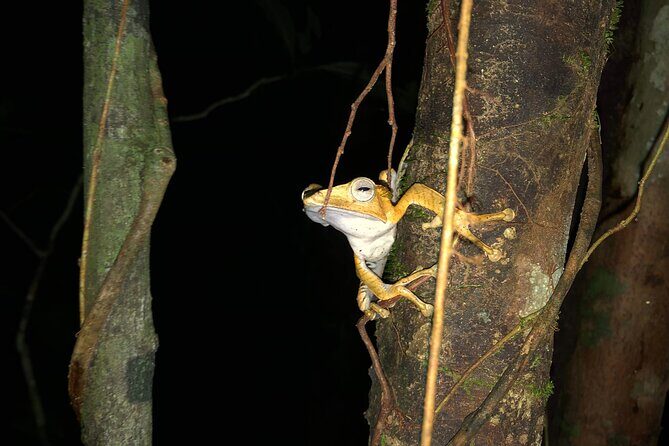
- 60+ tropical frog species targeted on a night walk in Kubah National Park
- Jungle streams and a pond area where frogs actively show up after dark
- Carnivorous pitcher plants spotted along the way
- Guides with sharp eyes such as Estee, Danny, and Cornellius
- Natural frog pond + pond boardwalk for close viewing
- Door-to-door pickup in Kuching plus bottled water and park fees included
Kubah after dark: why the rainforest feels different at 6:00 pm
Night in Kubah National Park isn’t just darker. It’s louder, smellier, and more active in a way that daytime walks rarely capture. Frogs move when temperatures cool, and the whole park shifts into a different rhythm—calling, hopping, and hiding in plain sight.
This tour uses that logic. Instead of wandering randomly, you’re walking with a guide through the types of spots frogs depend on—humid jungle areas close to jungle streams and pond life. If you’ve ever wondered why amphibians seem to appear out of nowhere, this is the answer: at night, you’re watching a living system that runs on moisture, shade, and timing.
And you’re not only looking for frogs. You’ll also learn to notice the rest of the food chain, including plants that survive by doing things animals can’t—like carnivorous pitcher plants.
You can also read our reviews of more evening experiences in Kuching

Getting to Kubah: pickup, timing, and how the 4 hours actually feel
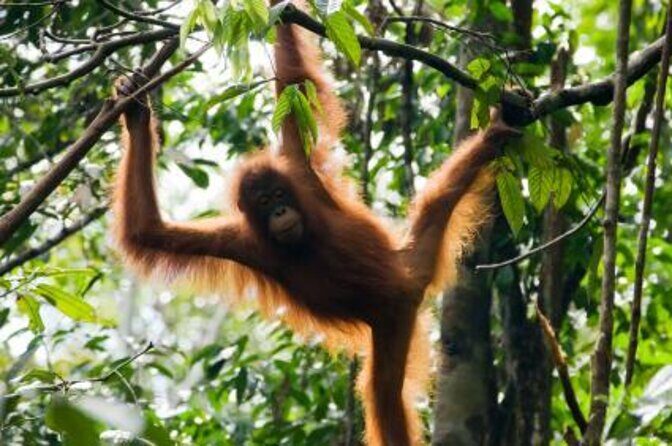
The tour starts at 6:00 pm, which matters more than it sounds. You want that transition from day heat to night cool, when frogs are more likely to move and call. From Kuching, you get hotel pickup and drop-off, which keeps the evening from turning into logistics.
The full experience runs about 4 hours. That includes time moving through the park, stopping to scan with the guide, and spending time near the pond area. In practice, it feels like a focused night expedition rather than a long, drawn-out hike—busy enough to stay interesting, but paced so you can keep looking.
There’s also a cap of up to 50 travelers, which helps you avoid getting lost in a big crowd. You’ll still hear other people talking and rustling, but it’s not a giant bus-style experience inside the rainforest.
Stop 1 at Kubah National Park: the frog hunt in streams and ponds
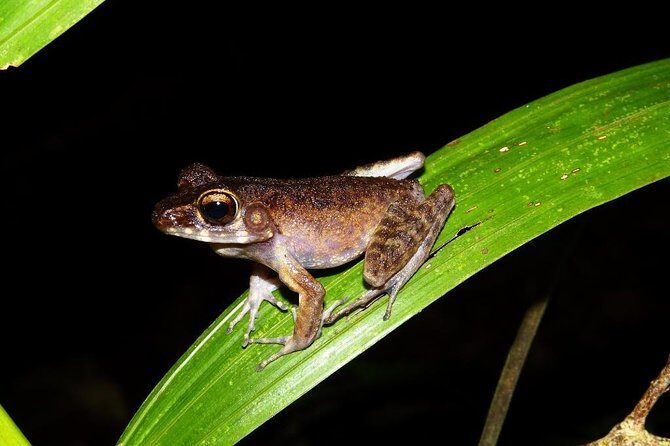
Your main event is the night walk in Kubah National Park, where your guide looks for frogs in and around jungle streams, ponds, and the natural pond area. This is where the tour’s biggest promise comes from: “over 60 species” isn’t a random number. It’s a target list tied to the kinds of habitat you’ll walk through.
The approach is simple: scan first, then look closer. Frogs at night can be tiny, camouflaged, or positioned at the edge of water where they blend into wet leaves and shadows. The tour is designed for that reality. You’ll keep moving through the right zones, then spend real time around the pond boardwalk, where spotting becomes more practical.
A smart tip you can use during the walk: don’t stare at one spot for too long. Your eyes need time to adjust from bright viewing to darker background, and frogs might shift position in seconds. The guides—especially the ones people name like Estee and Cornellius—are good at repositioning you at the moment the action happens.
One review detail really fits the feel of this tour: people talk about seeing difficult frogs, including an Asian horned frog, which is the kind of animal that doesn’t just sit there waiting for a photo. The lesson is that this isn’t only about big, obvious species. You’re training your attention to find the small and tricky ones too.
Pitcher plants and aquatic life: what you’re seeing besides frogs
Frogs are the headline, but the tour is careful to keep the rest of the ecosystem in view. You’ll see carnivorous pitcher plants during the walk, which adds a strong “only-in-Borneo” angle to the night experience. In a rainforest, these plants look almost unreal because they’re built for trapping—survival by strategy.
You’ll also be watching the pond and water-related life around the areas you visit. Even if you’re not naming every creature you see, the point is that frogs live within a broader world of food and shelter. Pitcher plants connect to this because they’re part of a system where nutrients, prey, and habitat all intertwine.
This matters for your enjoyment. If you only chase frogs and ignore everything else, the walk can feel repetitive. Here, the plants and water life keep the mental picture big—like you’re learning the forest rules, not just collecting sightings.
Why the guide is the real upgrade (Danny, Estee, Cornellius)
A guided night tour lives or dies by the person holding the flashlight and scanning the ground. With this one, the guide role is front and center: you’re promised a professional English-speaking guide, and the way people describe the experience shows why that matters.
Guides like Danny are described as fun to chat with and strong at explaining what you’re seeing. Others, like Estee, are praised for spotting lots of species—one example shared about seeing around 15 different species shows how much the guide’s eye speed affects outcomes. Cornellius gets mentioned as an expert and very professional, especially for helping spot a difficult frog.
So here’s what you should take from that, even if you’re not a frog specialist: listen to your guide’s explanations between sightings. The advice is often tied to behavior—where a frog might sit, what it’s doing, and what features help it blend in. That turns you from a passive observer into a better detective, and that’s when the tour really clicks.
What to wear: small details that make night watching easier
This is a walking tour, and it’s held at night in a humid rainforest setting. Wear comfortable walking shoes and clothes that you’re comfortable getting damp or dusty, since you’ll be moving through natural terrain.
You’re also provided bottled water, which helps you stay focused instead of rationing sips mid-walk. The tour includes the national park fee, so there’s no surprise pay-it-later moment once you’re inside the park.
If you’re the type who likes good photos, remember that frog spotting often means patience and quick reactions, not long lens setups. Your best shots will usually be the moments the guide helps you see something that was there the whole time.
Price and value: is $114.70 fair for 4 hours?
At $114.70 per person, this isn’t the cheapest thing to do in Kuching. But it’s also not “pay a lot for nothing” pricing, because key costs are already folded in.
You get:
- a walking night tour with a professional English-speaking guide
- hotel pickup and drop-off
- the national park fee
- bottled water
The value is strongest if you don’t want to figure out transportation into the park by yourself. Door-to-door transfers cut time and stress, and in a night setting, that’s a real quality-of-life benefit. You’re also getting a guided focus on frogs and pitcher plants, which is the hard part—spotting and identifying animals in low light is not easy to do on your own.
Is it worth it if you just want a casual stroll? Probably not. But if you enjoy guided nature, night wildlife, and the challenge of seeing small animals at work, the price lines up with what you’re actually buying: time, access, and expertise.
Who should book this Night Frogs tour (and who might not)
Book it if you’re excited by night wildlife and you like doing more than sightseeing. This tour fits well if you:
- love frogs and want a guided chance at seeing many species
- enjoy learning about rainforest ecology and not just ticking boxes
- prefer guided structure, especially with pickup included
- are comfortable walking at night for about 4 hours
It also can work for families, with an important constraint: children must be accompanied by an adult, and child pricing applies only when sharing with two paying adults. That’s perfect for groups that can keep the pace reasonable.
Skip it (or at least think twice) if you expect a guaranteed list of specific frogs every single time. This is a hunt, not a zoo-style viewing schedule. The experience is still the point, but your sightings can vary.
Should you book Night Frogs at Kubah National Park?
If your ideal night in Sarawak is hands-on nature—streams, pond edges, and plants that survive by tricking prey—then yes, I think you should book it. The combination of Kuching pickup, a professional English-speaking guide, and a carefully chosen night habitat makes the evening feel efficient and purposeful.
I’d book especially if you’ve got frog curiosity and you like the idea of learning what to look for. Guides like Estee and Cornellius are exactly the kind of support that turns “I hope we see something” into “I understand how to find it.”
FAQ
What time does the Night Frogs Tour start?
The tour starts at 6:00 pm.
How long is the tour?
It lasts about 4 hours.
Is hotel pickup and drop-off included?
Yes. Hotel pickup and drop-off are included with door-to-door round-trip transfers from Kuching.
What is included in the ticket price?
The ticket includes the national park fee, a walking night tour with a professional English-speaking guide, hotel pickup and drop-off, and bottled water.
Is dinner included?
No, dinner is not included.
Is the tour suitable for children?
Children must be accompanied by an adult. Child rate applies only when sharing with 2 paying adults.